عادت «الإنفلونزا الموسمية» مع تباشير الشتاء وأفول قيظ الصيف أكثر شراسة في عدد من المدن والبلدات، لتعود معها كمامات الوجه التي فقدت سطوتها بعد القضاء على جائحة كورونا قبل أعوام عدة. وتشير الإحصاءات إلى أن إنفلونزا الموسم تصيب نحو مليار إنسان في العالم سنوياً، وتتأثر البلدان النامية، وتبدأ أعراضها بعد يوم أو أربعة أيام من حدوث الإصابة التي تستمر نحو أسبوع، ويعرّفها الأطباء بأنها عدوى تنفسية حادة تسببها فيروسات، ويتعافى معظم الناس منها دون علاج.
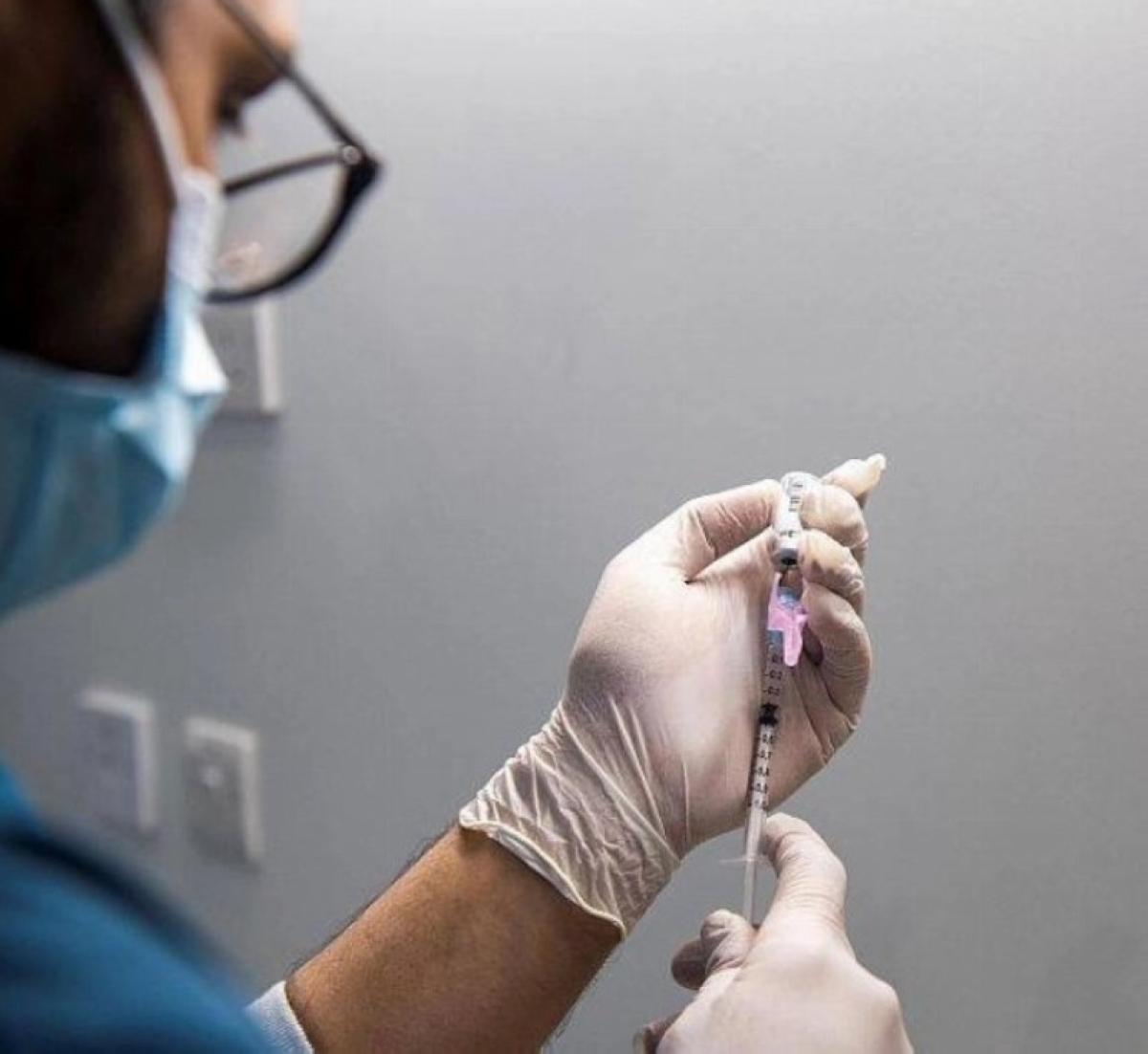
ومع انتشار التطعيم في المراكز الصحية بالسعودية فإن الجهات المختصة تحث غير المصابين على المسارعة بالتحصن ضد المرض، وشددت نصائحها لكبار السن وأصحاب الأمراض المزمنة للتحصن والوقاية من الفيروس، إذ تظهر أعراض الإنفلونزا في حمى وسعال والتهاب في الحلق وآلام في الجسم والإجهاد.
وينصح الأطباء المصابين بالراحة التامة وتناول كمية وافرة من السوائل، والمسارعة إلى مراجعة الطبيب في حالة الارتفاع الحاد في درجة الحرارة. وعلى الرغم من تعافي معظم المصابين من الإنفلونزا الموسمية خلال أسبوع إلا أن ذلك لا يستبعد أن يتسبب في «آثار وخيمة» لأصحاب الأمراض المزمنة وكبار السن و الحوامل، والأطفال دون سن الخامسة، كما لا ينجو العاملون في القطاع الصحي والمكلفون بالتطعيمات من الإصابة بسبب التعرض للمرضى ومباشرة الحالات.
ومع تزايد الحالات في جدة اليومين الماضيين سجلت المدارس حالات غياب عديدة للطلاب والطالبات إما بسبب الإصابة أو خشية انتقال العدوى، وفي مواجهة ذلك أعلنت وزارة الصحة عن توفر لقاح الإنفلونزا وبدء تقديمه من خلال حجز موعد في تطبيق «صحتي»، وأكدت أن اللقاح أثبت قدرته على تقليل شدة الإصابات، وخفض الحاجة إلى العناية المركزة، والوفيات المرتبطة الإنفلونزا الموسمية، وبيّنت الوزارة أن إحصاءات العام الماضي أظهرت أن 96% من المنوّمين في العناية المركزة لم يتلقوا اللقاح.. ما يؤكد فاعلية اللقاح في الحماية والوقاية.
The "seasonal flu" has returned with the onset of winter and the fading of summer's heat, more ferociously in several cities and towns, bringing back face masks that had lost their dominance after the eradication of the Corona pandemic a few years ago. Statistics indicate that the seasonal flu affects about one billion people worldwide each year, with developing countries being particularly impacted. Symptoms begin one to four days after infection and last for about a week. Doctors define it as an acute respiratory infection caused by viruses, and most people recover from it without treatment.
With the spread of vaccination in health centers in Saudi Arabia, the relevant authorities are urging those who are not infected to quickly get vaccinated against the disease. They have emphasized their advice to the elderly and those with chronic illnesses to get vaccinated and take precautions against the virus, as flu symptoms manifest as fever, cough, sore throat, body aches, and fatigue.
Doctors advise those infected to rest completely and drink plenty of fluids, and to promptly consult a doctor in case of a sharp rise in temperature. Although most people recover from the seasonal flu within a week, this does not exclude the possibility of "severe consequences" for those with chronic diseases, the elderly, pregnant women, and children under the age of five. Additionally, healthcare workers and those responsible for vaccinations are not immune to infection due to their exposure to patients and direct handling of cases.
With the increase in cases in Jeddah over the past two days, schools have recorded numerous absences among students, either due to infection or fear of transmission. In response, the Ministry of Health announced the availability of the flu vaccine and the start of its administration through appointment booking in the "Sehati" app. They confirmed that the vaccine has proven effective in reducing the severity of infections, lowering the need for intensive care, and decreasing deaths associated with seasonal flu. The ministry indicated that statistics from last year showed that 96% of those admitted to intensive care had not received the vaccine, which underscores the vaccine's effectiveness in protection and prevention.