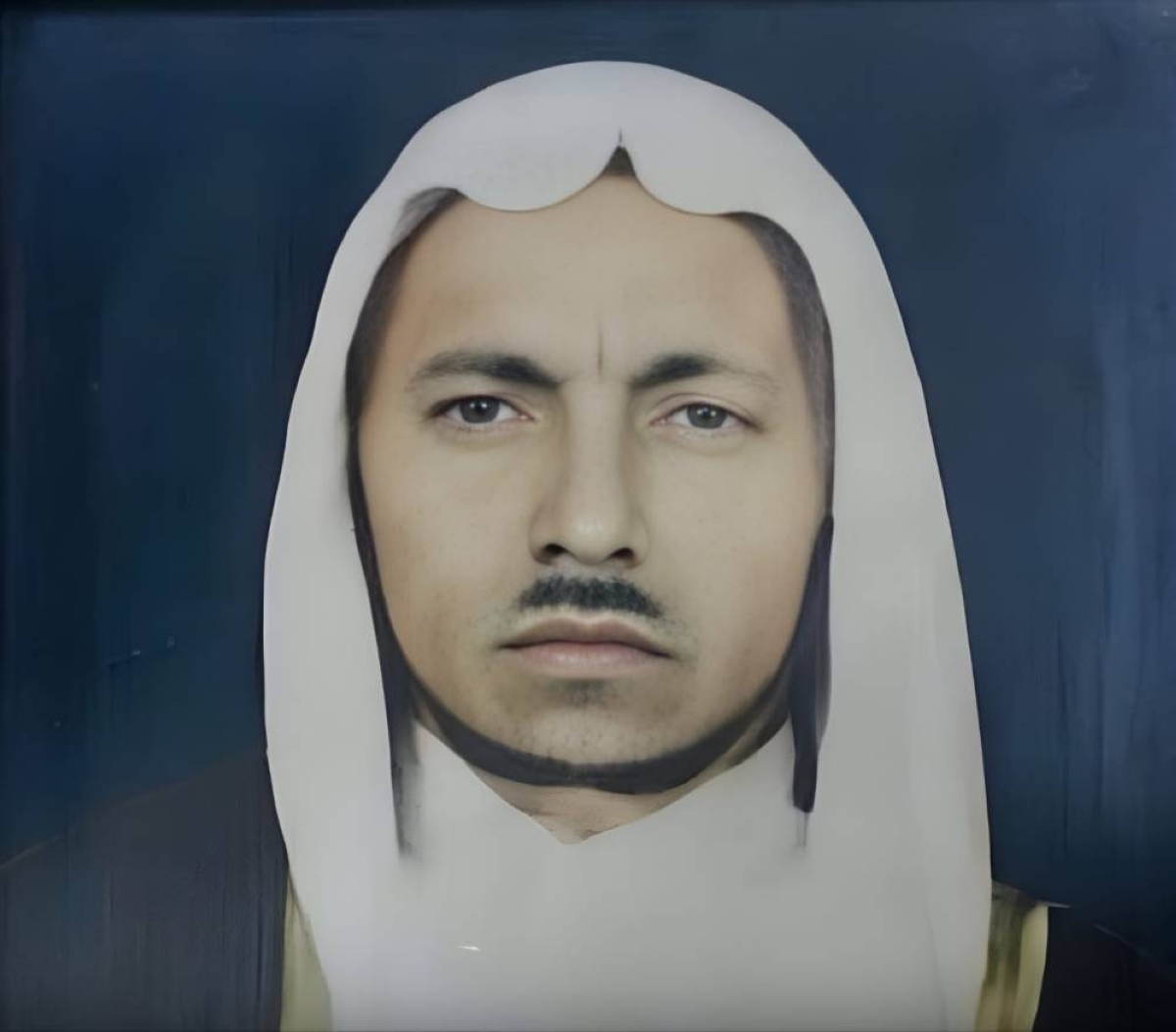
في قرية عراء ببني ظبيان في أعالي سراة الباحة وُلد علي معجل بن سعد الغامدي عام 1340هـ، ليجد نفسه بعد عامين يتيم الأب، ويكبر في كنف أخيه الأكبر عثمان الذي حمل عنه عبء التربية والرعاية، وقد غلب عليه لقب معجل الذي منحه إياه والده نسبة إلى أخواله من بني معجل. لم يرضَ علي أن يظل أسير قريته وظروفه الصعبة، فغادرها يافعاً نحو مكة المكرمة بحثاً عن الرزق، لكن أبواب الحرم كانت له رزقاً من نوع آخر، هناك جلس في حلقات العلماء يسمع ويرى ويستضيء، فتفتحت في داخله محبة العلم وحفظ القرآن، وتعلم المتون الشرعية، والتحق بدار الحديث المكية عام 1352هـ لينهل من علومها لمدة أربع سنوات، ثم مضى إلى الرياض حيث درس على يد كبار العلماء وفي مقدمتهم المفتي محمد بن إبراهيم آل الشيخ.
انتقل بعد ذلك إلى الطائف ليلتحق بـ«دار التوحيد» وتخرج فيها بعد سنوات من الجد والاجتهاد، ثم واصل مشواره في كلية الشريعة بمكة المكرمة، ليتخرج عام 1375هـ ضمن ثاني دفعة، وهو أول طالب من جنوب المملكة يدخل هذا الصرح العلمي ويتخرج منه بهذه الشهادة العريقة والتخصص الدقيق.
حمل العلم سلاحاً والصدق زاداً، فالتحق بسلك القضاء ملازماً في الطائف، ثم قاضياً في مكة المكرمة حيث عرف بخطابته ووعظه، فجلس على كرسي الحرم المكي يخاطب القلوب والعقول، وبعد عشرة أعوام من العمل القضائي ترك المنصة القضائية، ليلتحق بوزارة المعارف متنقلاً بين التفتيش الديني وإدارة التعليم بالباحة التي تولاها عام 1386هـ، فكان شاهداً على مرحلة تأسيسية مفصلية استمرت سبعة أعوام، وضع فيها معجل الإستراتيجية العلمية التي كانت لبنة صالحة لتعليم واعٍ أخرج جيلاً أسهم في التنمية وتبوأ مناصب قيادية على مستوى الدولة.
لم يكن علي معجل قاضياً ومربياً فحسب، بل كان واعظاً صاحب صوت مسموع في الباحة ومكة المكرمة والطائف، يخطب في المساجد، ويكتب في الصحافة من خلال زاوية أسبوعية في جريدة «الندوة» يعالج فيها قضايا الناس ويرد على استفتاءاتهم الدينية. وكان من أشد ما عُرف عنه حرصه على تصحيح المفاهيم المتعلقة بالتوحيد، فكان له موقف شهير حين سعى لإزالة مسجد بُني على القبور في قريته، حتى تجاوبت الجهات الرسمية ونُقل المسجد إلى موضع آخر.
ورغم جلال مكانته ظل بيته مفتوحاً للغريب والفقير وعابر السبيل، يفرش لهم أجود الفُرُش، ويكسوهم من ثيابه الخاصة، ويغمرهم بابتسامته المعهودة، وضحكه الذي لم يفارقه، وقد أشار الأديب حمد الجاسر إلى كرمه في كتابه «سراة غامد وزهران» بعد زيارته للباحة في التسعينات الهجرية.
امتلك مكتبة زاخرة بكتب الفقه وكتب التراث الأدبي، كـ«العقد الفريد» و«صبح الأعشى» و«نهاية الأرب»، فكان يجمع بين الفقيه والأديب، بين الجدية والدعابة، بين العلم والحياة، وكان له زملاء بارزون في رحلته، مثل الشيخ حسن آل الشيخ، والشيخ عبدالعزيز آل الشيخ، والشيخ محمد بن جبير.
في السابع من ربيع الأول عام 1395هـ طوى علي معجل صحيفته بعد معاناة مع المرض، تاركاً أبناء وبنات وأحفاداً أكملوا عنه المسيرة وتبوأوا مناصب قيادية في شتى المجالات، وتاريخاً يروي أن اليتم قد يكون بوابة العظمة، وأن أثر الرجال يبقى ما بقي العطاء.
In the village of Ara'a in Bani Dhubyan, in the heights of Sarawat Al-Baha, Ali Mu’jil bin Saad Al-Ghamdi was born in the year 1340 AH. He found himself, after two years, an orphan, growing up under the care of his older brother, Othman, who took on the burden of upbringing and care. He was predominantly known by the nickname Mu’jil, which his father gave him in reference to his maternal uncles from Bani Mu’jil. Ali was not content to remain a prisoner of his village and difficult circumstances, so he left it at a young age for Mecca, seeking a livelihood. However, the doors of the Sacred Mosque provided him with a different kind of sustenance. There, he sat in the circles of scholars, listening, observing, and gaining enlightenment. His love for knowledge and memorization of the Quran blossomed, and he learned the legal texts, joining the Dar Al-Hadith in Mecca in 1352 AH to absorb its sciences for four years. He then moved to Riyadh, where he studied under prominent scholars, including the Mufti Muhammad bin Ibrahim Al Al-Sheikh.
He then moved to Taif to join "Dar Al-Tawheed," graduating after years of hard work and diligence. He continued his journey at the College of Sharia in Mecca, graduating in 1375 AH as part of the second batch, being the first student from the southern region of the Kingdom to enter this scientific institution and graduate with this prestigious degree and specialized field.
He carried knowledge as a weapon and truth as sustenance, joining the judiciary as a clerk in Taif, then as a judge in Mecca, where he became known for his sermons and preaching. He sat on the chair of the Sacred Mosque, addressing hearts and minds. After ten years of judicial work, he left the judicial platform to join the Ministry of Education, moving between religious inspection and the education administration in Al-Baha, which he took over in 1386 AH. He witnessed a pivotal foundational phase that lasted seven years, during which Mu’jil laid down the scientific strategy that became a solid foundation for conscious education, producing a generation that contributed to development and held leadership positions at the state level.
Ali Mu’jil was not only a judge and educator but also a preacher with a loud voice in Al-Baha, Mecca, and Taif, delivering sermons in mosques and writing in the press through a weekly column in the newspaper "Al-Nadwa," addressing people's issues and responding to their religious inquiries. One of the most notable things about him was his commitment to correcting misconceptions related to monotheism, exemplified by his famous stance when he sought to remove a mosque built on graves in his village, until official authorities responded and the mosque was relocated to another site.
Despite his esteemed position, his home remained open to strangers, the poor, and travelers, providing them with the finest bedding, clothing them with his own garments, and showering them with his familiar smile and laughter that never left him. The writer Hamad Al-Jasir referred to his generosity in his book "Sarat Ghamid and Zahran" after visiting Al-Baha in the 1990s AH.
He owned a rich library filled with books on jurisprudence and literary heritage, such as "The Unique Contract," "The Dawn of the Al-Ash'ari," and "The End of the Four," combining the roles of a jurist and a literati, balancing seriousness and humor, knowledge and life. He had prominent colleagues on his journey, such as Sheikh Hassan Al-Sheikh, Sheikh Abdulaziz Al-Sheikh, and Sheikh Muhammad bin Jubair.
On the seventh of Rabi' Al-Awwal in the year 1395 AH, Ali Mu’jil closed his book after suffering from illness, leaving behind sons, daughters, and grandchildren who continued his legacy and held leadership positions in various fields, with a history that tells us that orphanhood can be a gateway to greatness, and that the impact of men remains as long as there is giving.