


أوضحت وزارة التعليم مستجدات تقويم الطلاب والطالبات خلال العام الدراسي الحالي. وبينت الوزارة في الدليل الجديد أن الإجراء يأتي انطلاقاً من أهمية المواد المعرفية؛ التي تعتمد بشكل كبير على الحفظ ثم تطوير آليات تقويم الطالب، إذ تُوزع عمليات التقييم على جميع الوحدات الدراسية بدلاً من الاكتفاء بترحيلها إلى نهاية العام الدراسي، ويهدف التوجه إلى تخفيف الضغط على الطلاب وضمان المتابعة المستمرة لمستوياتهم في كل وحدة، ما يسهم في تمكين المعلمين من تقديم الدعم المباشر والتدخلات التعليمية في الوقت المناسب.
وأشارت إلى أن أهم المكتسبات للطالب تتمثل في عدالة التقييم، إذ يحصل الطالب على فرص متكررة لإبراز مستواه خلال العام الدراسي، بعيداً عن الاعتماد على اختبار نهائي واحد، وتعزيز الفهم والاستيعاب بقياس مستوى التحصيل بعد كل وحدة يساعد على تثبيت المعلومات، وضمان إتقان المهارات المطلوبة، وتنوع أدوات التقويم، وتخفيف الضغط النفسي بتوزيع التقييم بشكل مرحلي، وتدريس جميع الدروس بانتظام، ومتابعة دقيقة للأداء وتعزيز الدور التربوي ودعمه بالأنظمة التقنية.
ولفتت الوزارة إلى أن من أبرز المستجدات تطوير آلية الانتساب وتحويله إلى التعليم الإلكتروني واعتماد 10 معايير أساسية في تقويم الطالب، وتعديل مسماها إلى مرتكزات، ويقوم التحصيل الدراسي للطالب في الصفين الأول والثاني الابتدائي والصف الأول للتعليم المستمر تقويماً ختامياً في مادتي الرياضيات واللغة العربية، وينقل الطالب في الصفين الأول والثاني الابتدائي والصف الأول للتعليم المستمر إذا حصل على شروط النجاح في مادتي الرياضيات واللغة العربية وحقق أحد مستويات الإتقان في بقية المواد الدراسية، ويتم احتساب ما تحصل عليه الطالب في المادة الدراسية (نهاية العام الدراسي) بناءً على متوسط درجاته في الفترات الدراسية.
التعليم: توزيع عمليات تقويم الطلاب على جميع الوحدات الدراسية
16 أكتوبر 2025 - 01:29
|
آخر تحديث 16 أكتوبر 2025 - 01:29
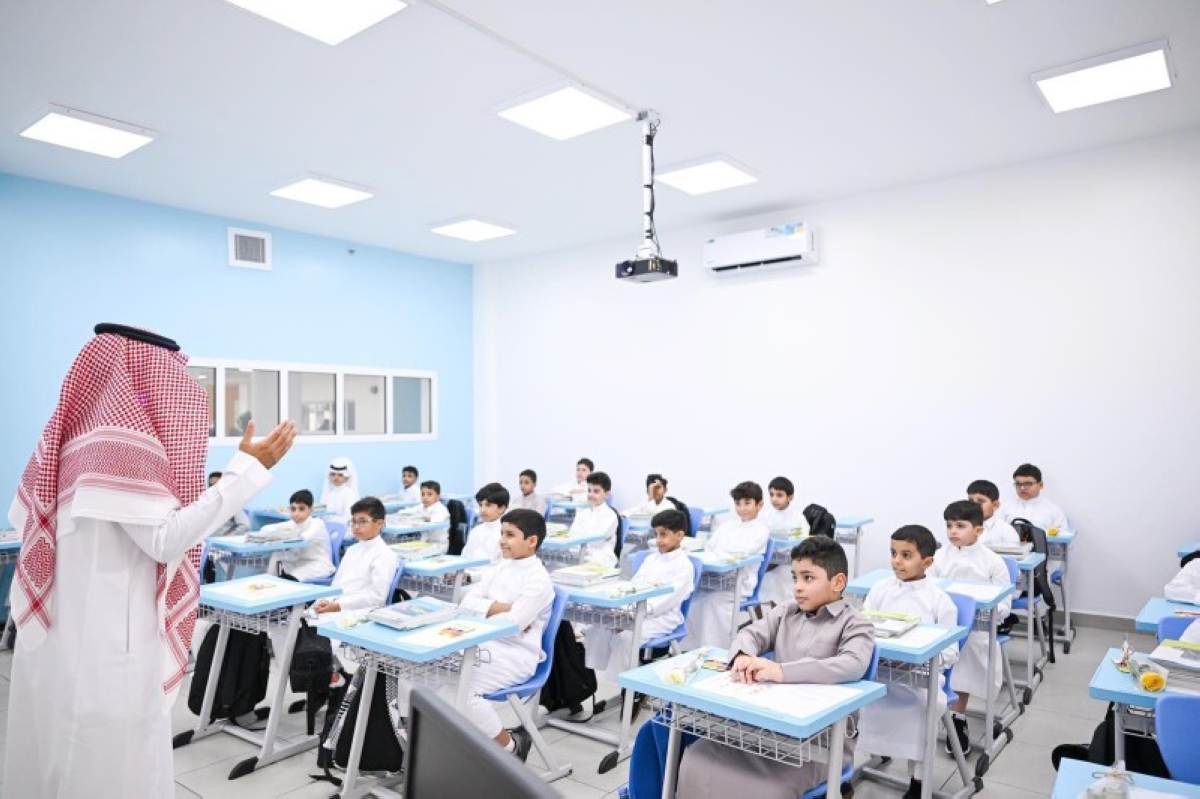
طلاب في فصل دراسي تنصتون لشرح معلمهم. (واس)


تابع قناة عكاظ على الواتساب
عبدالله الدهاس (مكة المكرمة) aldhass@
The Ministry of Education clarified the updates regarding the assessment of students during the current academic year. The ministry indicated in the new guide that this procedure comes from the importance of knowledge subjects, which rely heavily on memorization, and then the development of student assessment mechanisms. Assessment processes are distributed across all study units instead of being limited to the end of the academic year. This approach aims to reduce pressure on students and ensure continuous monitoring of their levels in each unit, which helps empower teachers to provide direct support and educational interventions in a timely manner.
The ministry pointed out that the most significant benefits for students lie in the fairness of assessment, as students receive repeated opportunities to showcase their level throughout the academic year, moving away from reliance on a single final exam. Enhancing understanding and comprehension by measuring achievement levels after each unit helps solidify information, ensures mastery of required skills, diversifies assessment tools, and alleviates psychological pressure by distributing evaluation in phases. It also promotes regular teaching of all lessons, precise performance monitoring, and strengthens the educational role supported by technological systems.
The ministry highlighted that among the most notable updates is the development of the enrollment mechanism and its transition to electronic education, along with the adoption of 10 essential criteria in student assessment, and renaming them to "foundations." The academic achievement of students in the first and second grades of elementary school and the first grade of continuous education is assessed through a final evaluation in mathematics and the Arabic language. A student in the first and second grades of elementary school and the first grade of continuous education is promoted if they meet the success criteria in mathematics and the Arabic language and achieve one of the mastery levels in the other subjects. The student's performance in the subject (at the end of the academic year) is calculated based on the average of their grades in the academic periods.
The ministry pointed out that the most significant benefits for students lie in the fairness of assessment, as students receive repeated opportunities to showcase their level throughout the academic year, moving away from reliance on a single final exam. Enhancing understanding and comprehension by measuring achievement levels after each unit helps solidify information, ensures mastery of required skills, diversifies assessment tools, and alleviates psychological pressure by distributing evaluation in phases. It also promotes regular teaching of all lessons, precise performance monitoring, and strengthens the educational role supported by technological systems.
The ministry highlighted that among the most notable updates is the development of the enrollment mechanism and its transition to electronic education, along with the adoption of 10 essential criteria in student assessment, and renaming them to "foundations." The academic achievement of students in the first and second grades of elementary school and the first grade of continuous education is assessed through a final evaluation in mathematics and the Arabic language. A student in the first and second grades of elementary school and the first grade of continuous education is promoted if they meet the success criteria in mathematics and the Arabic language and achieve one of the mastery levels in the other subjects. The student's performance in the subject (at the end of the academic year) is calculated based on the average of their grades in the academic periods.


