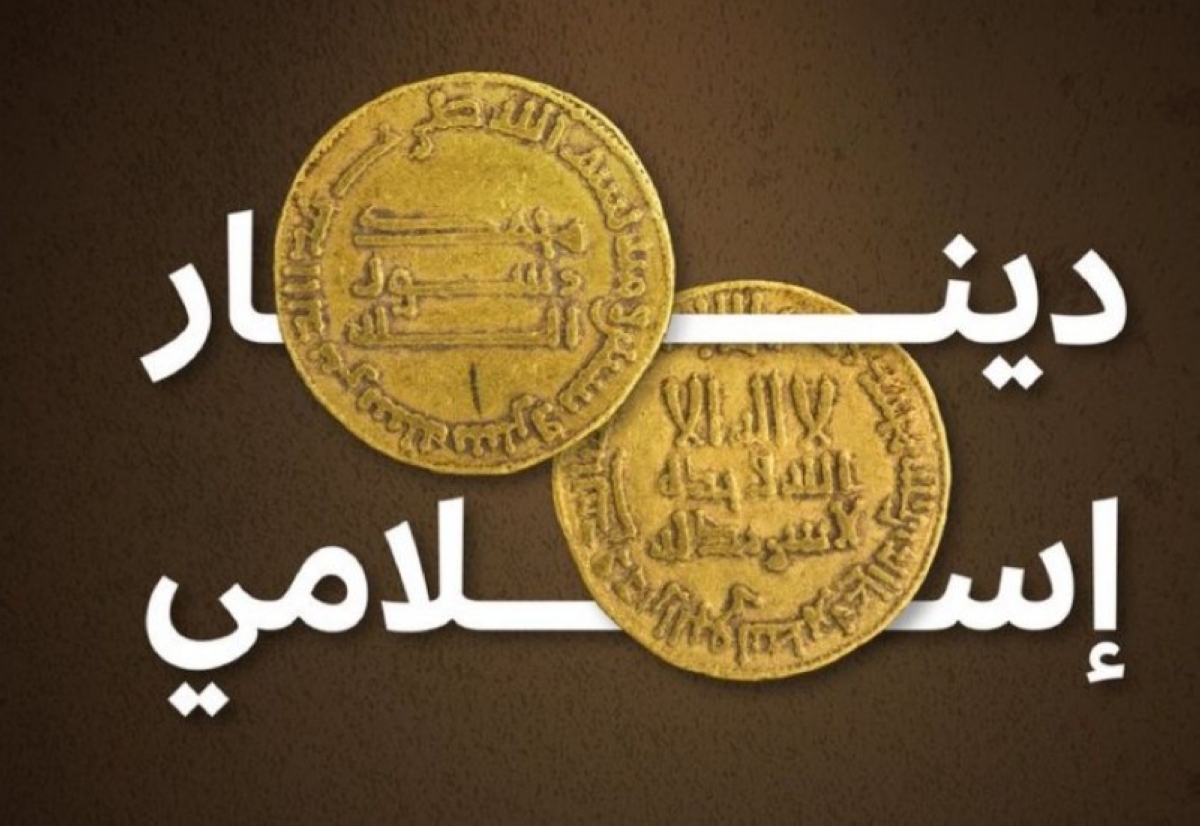
أعادت هيئة التراث الذاكرة إلى عمق التاريخ الإسلامي بعد إعلانها اكتشاف دينار إسلامي ذهبي يعود إلى عام 162هـ / 778م في موقع الأجفر شرق حائل، ضمن سلسلة منشوراتها «من الذاكرة الأثرية».
أقدم الشواهد
ويبلغ عمر الدينار المكتشف أكثر من 1247 عاما، ما يجعله من أقدم الشواهد المادية على النشاط التجاري في شمال الجزيرة العربية خلال العصر العباسي. ويحمل الدينار نقوشا دقيقة بالخط الكوفي تتضمن الشهادتين وعبارات دينية، وهو ما يعكس الهوية الإسلامية للنقود ووحدة النظام النقدي في الدولة الإسلامية آنذاك.
وتقع مدينة الأجفر في موقع إستراتيجي على طريق القوافل القديمة التي ربطت العراق بالحجاز، وكانت محطة رئيسية للحجاج والتجار القادمين من الشرق نحو مكة.
واشتهرت بآبارها العذبة وموقعها شمال شرق ما جعلها مركزا حيويا في شبكة التجارة الإسلامية ومعبرا حضاريا يربط مناطق الجزيرة بمراكزها الاقتصادية والعلمية.
يمثل هذا الاكتشاف الوطني إضافة نوعية للبحوث الأثرية التي توثق حضور حائل في مسارات التاريخ الإسلامي، خصوصا أن الدينار سيخضع لدراسة علمية لتحديد مركز سكّه وخصائصه المعدنية وربطه بخطوط التجارة العابرة للمنطقة.
ويعزز هذا الكشف مكانة السعودية وحائل كمنطقة غنية بالمكتشفات الأثرية والنقوش التاريخية، من موقع جبة المسجل في قائمة التراث العالمي إلى آثار القوافل في الأجفر، لتبقى شاهدا على مسار حضاري امتد لأكثر من 12 قرنا في قلب الجزيرة العربية.
The Heritage Authority has revived the memory of the depths of Islamic history after announcing the discovery of a gold Islamic dinar dating back to the year 162 AH / 778 AD at the Al-Ajfar site east of Hail, as part of its series of publications "From the Archaeological Memory."
The Oldest Evidence
The discovered dinar is over 1247 years old, making it one of the oldest material evidence of commercial activity in northern Arabia during the Abbasid era. The dinar bears intricate inscriptions in Kufic script that include the two testimonies and religious phrases, reflecting the Islamic identity of the currency and the unity of the monetary system in the Islamic state at that time.
The city of Al-Ajfar is located in a strategic position on the ancient caravan routes that connected Iraq with the Hijaz, and it was a major stop for pilgrims and traders coming from the east towards Mecca.
It is famous for its fresh wells and its location to the northeast, which made it a vital center in the Islamic trade network and a cultural passage linking the regions of the peninsula with its economic and scientific centers.
This national discovery represents a qualitative addition to archaeological research that documents the presence of Hail in the paths of Islamic history, especially since the dinar will undergo scientific study to determine its minting center and mineral characteristics and to link it with the trade routes crossing the region.
This discovery enhances the status of Saudi Arabia and Hail as a region rich in archaeological discoveries and historical inscriptions, from the Jubbah site registered on the World Heritage List to the caravan remains in Al-Ajfar, remaining a testament to a civilizational path that has extended for more than 12 centuries in the heart of the Arabian Peninsula.