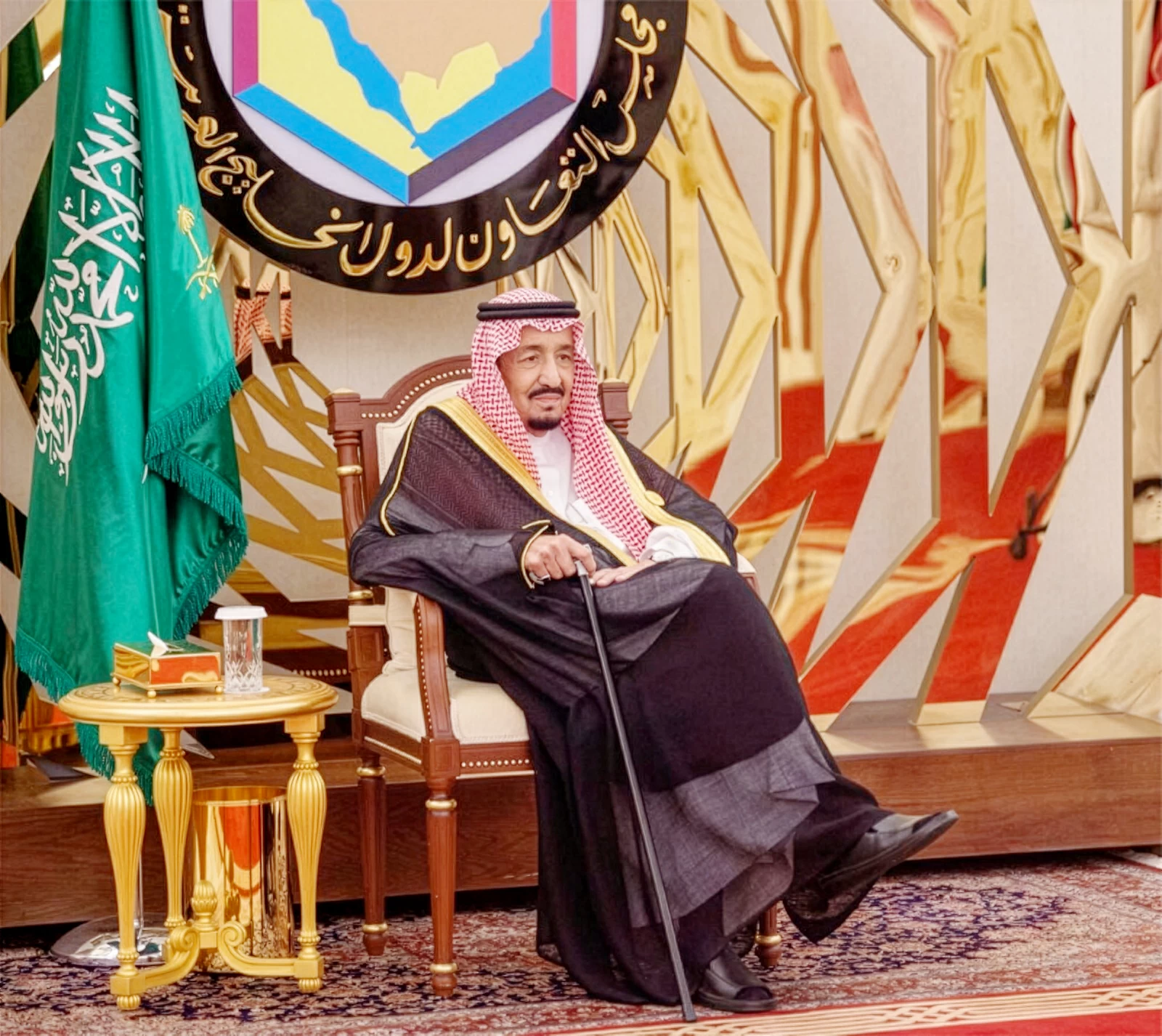
في مسيرة العمل العربي المشترك، لم يكن الدور السعودي محصورًا في المشاركة داخل جامعة الدول العربية، بل اتجه في عهد خادم الحرمين الشريفين الملك سلمان بن عبدالعزيز آل سعود، إلى دعم المؤسسة العربية وتطوير قدرتها على التعامل مع أزمات تتسع رقعتها وتتداخل تداعياتها، من فلسطين والسودان واليمن ولبنان إلى الأمن الإقليمي والاقتصاد والتنمية.
الملك سلمان ودعم «البيت العربي»
ومنذ تولي الملك سلمان مقاليد الحكم، حافظت المملكة على حضور فاعل داخل منظومة العمل العربي، انطلاقًا من رؤية تعتبر وحدة الموقف والتنسيق بين الدول العربية ضرورة لمواجهة التحديات، وفي قمة جدة العربية عام 2023، التي دعا إليها خادم الحرمين الشريفين وترأسها ولي العهد الأمير محمد بن سلمان، جاء «إعلان جدة» مؤكدًا أهمية تعزيز العمل العربي المشترك وتوحيد الكلمة وحماية سيادة الدول وتطوير آليات العمل العربي.
ولم تكتفِ الرياض بدعم اجتماعات الجامعة، بل احتضنت خلال عهد الملك سلمان قممًا عربية وإسلامية، من بينها القمة العربية الإسلامية المشتركة في الرياض، بما أتاح بناء مواقف جماعية تجاه الأزمات الكبرى، وفي مقدمتها الحرب على غزة.
كما وسعت الرياض مفهوم العمل الجماعي عبر بناء شراكات عربية مع قوى دولية وإقليمية، من القمة العربية الصينية في الرياض إلى التحرك العربي الأوروبي بشأن عملية السلام، بما يفتح أمام الجامعة العربية قنوات تأثير أوسع على الساحة الدولية.
واستضافت المملكة خمس قمم عربية خالصة منذ تأسيس جامعة الدول العربية، ثلاث منها خلال عهد خادم الحرمين الشريفين الملك سلمان بن عبدالعزيز، هي قمم الظهران 2018 ومكة المكرمة 2019 وجدة 2023، بما يعكس الحضور السعودي المتزايد في قيادة وتفعيل العمل العربي المشترك.
من البيانات إلى المبادرات
وبرز التحول الأهم في محاولة نقل العمل العربي من التعبير عن المواقف إلى التحرك الجماعي، وخلال رئاسة المملكة للقمة العربية في دورتها الثانية والثلاثين، دفعت الرياض نحو بلورة مواقف مشتركة تجاه القضايا الإقليمية والدولية، وشكلت اللجنة العربية الإسلامية المشتركة للتحرك دوليًا بشأن غزة، كما طرحت المملكة الحاجة إلى تطوير آليات الجامعة لتكون أكثر فاعلية.
وامتد هذا النهج إلى الملفات الاقتصادية والتنموية، إذ ربطت المملكة بين الأمن العربي والتكامل الاقتصادي والأمن الغذائي واستثمار الموارد العربية، بما يفتح الباب أمام مفهوم أوسع للعمل المشترك لا يتوقف عند إدارة الأزمات السياسية.
المملكة قوة دفع عربية
وطرحت المؤشرات السعودية خلال عهد الملك سلمان نموذجًا يقوم على الجمع بين ثقل الدولة وقدرة المؤسسة العربية على إنتاج مواقف مشتركة، مع توسيع دوائر التحرك لتشمل القوى الدولية والمنظمات الإقليمية، والذي ظهر في التحالف الدولي لتنفيذ حل الدولتين، وفي التنسيق العربي والإسلامي الذي تقوده المملكة بشأن فلسطين، فضلًا عن الدفع المستمر نحو تطوير آليات الجامعة.
ومن هنا، تبدو الرؤية السعودية للعمل العربي المشترك أقرب إلى معادلة جديدة: جامعة أكثر تنسيقًا، ومواقف أكثر توحيدًا، وتحرك يتجاوز حدود البيانات إلى المبادرات والشراكات والنتائج؛ وهي معادلة تجعل ثقل المملكة عاملًا دافعًا لتطوير أدوات العمل العربي في مواجهة أزمات المنطقة وتحدياتها المتسارعة.
In the journey of Arab joint action, the Saudi role was not limited to participation within the Arab League, but under the reign of the Custodian of the Two Holy Mosques, King Salman bin Abdulaziz Al Saud, it has moved towards supporting the Arab institution and enhancing its capacity to deal with crises that are expanding in scope and intertwining in repercussions, from Palestine and Sudan to Yemen and Lebanon, as well as regional security, economy, and development.
King Salman and Support for the "Arab House"
Since King Salman assumed power, the Kingdom has maintained an active presence within the framework of Arab action, based on a vision that considers unity of stance and coordination among Arab countries a necessity to face challenges. At the Arab Summit in Jeddah in 2023, called by the Custodian of the Two Holy Mosques and chaired by Crown Prince Mohammed bin Salman, the "Jeddah Declaration" emphasized the importance of enhancing Arab joint action, unifying voices, protecting the sovereignty of states, and developing mechanisms for Arab work.
Riyadh did not stop at supporting the League's meetings; it hosted, during King Salman's reign, Arab and Islamic summits, including the joint Arab-Islamic summit in Riyadh, which allowed for the establishment of collective positions regarding major crises, foremost among them the war on Gaza.
Riyadh also expanded the concept of collective action by building Arab partnerships with international and regional powers, from the Arab-Chinese summit in Riyadh to the Arab-European initiative regarding the peace process, thus opening wider channels of influence for the Arab League on the international stage.
The Kingdom has hosted five purely Arab summits since the establishment of the Arab League, three of which occurred during the reign of the Custodian of the Two Holy Mosques, King Salman bin Abdulaziz: the Dhahran Summit in 2018, the Mecca Summit in 2019, and the Jeddah Summit in 2023, reflecting the increasing Saudi presence in leading and activating Arab joint action.
From Statements to Initiatives
The most significant transformation emerged in the attempt to shift Arab work from merely expressing positions to collective action. During the Kingdom's presidency of the Arab Summit in its thirty-second session, Riyadh pushed towards crystallizing common positions on regional and international issues, forming the joint Arab-Islamic committee to act internationally regarding Gaza, and highlighting the need to develop the League's mechanisms to be more effective.
This approach extended to economic and developmental issues, as the Kingdom linked Arab security with economic integration, food security, and investment in Arab resources, thus opening the door to a broader concept of joint action that does not stop at managing political crises.
The Kingdom as an Arab Driving Force
The Saudi indicators during King Salman's reign presented a model that combines the weight of the state with the Arab institution's ability to produce common positions, while expanding the circles of action to include international powers and regional organizations, as seen in the international coalition to implement the two-state solution and in the Arab and Islamic coordination led by the Kingdom regarding Palestine, in addition to the continuous push towards developing the League's mechanisms.
From this perspective, the Saudi vision for Arab joint action seems closer to a new equation: a more coordinated League, more unified positions, and action that transcends the limits of statements to initiatives, partnerships, and results; an equation that makes the weight of the Kingdom a driving factor for developing tools of Arab work in facing the region's crises and its accelerating challenges.