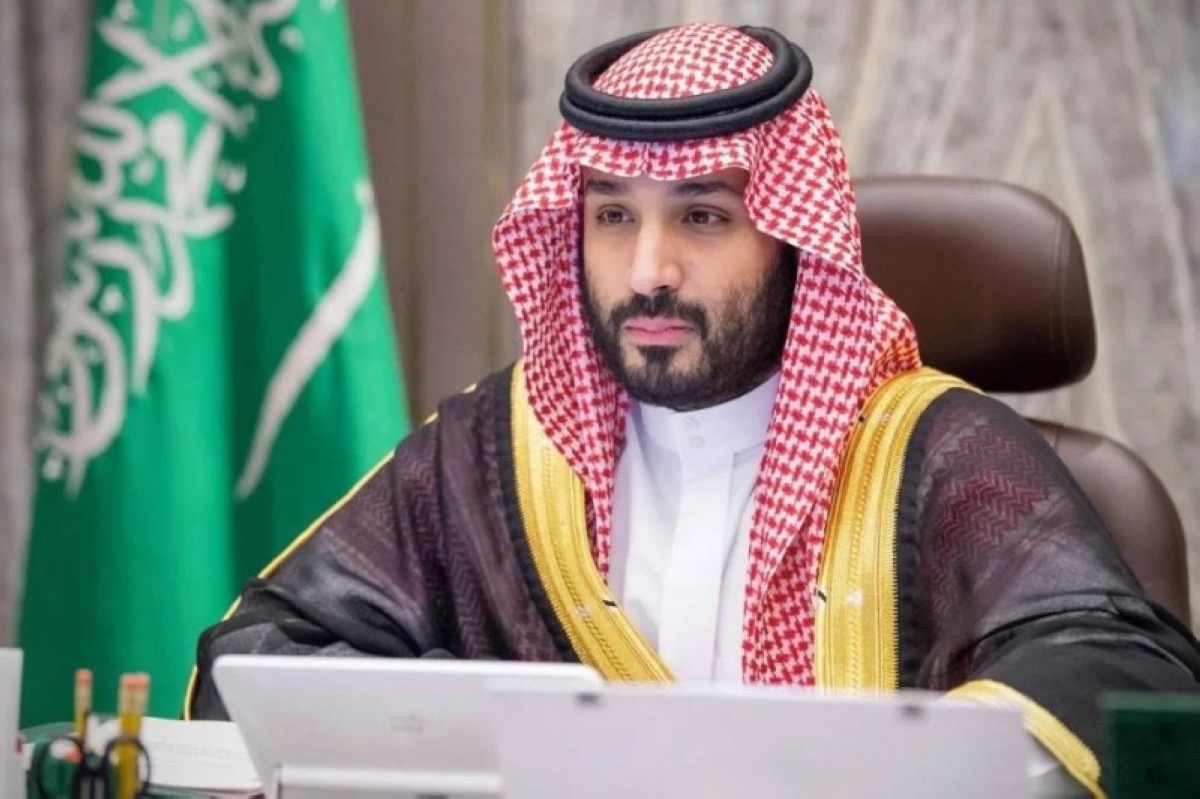
في السياسة، لا يُقاس القائد بقدر ما يملكه من سلطة، بقدر ما يُقاس بقدرته على تغيير طريقة تفكير العالم. في قمة شرم الشيخ للسلام، وقف الرئيس الأمريكي دونالد ترمب أمام القادة قائلا: «ولي العهد الأمير محمد بن سلمان قائد مُلهِم، وقام بعمل رائع لبلاده. أشكره، فهو صديق خاص، وتحدثت معه عبر الهاتف، وهو يقوم بعمل رائع لبلاده».
كانت العبارة أكثر من ثناء؛ فقد مثّلت إعلانا واضحا عن انتقال مركز التأثير في الشرق الأوسط نحو الرياض. الأمير محمد بن سلمان من خلال حديث ترمب أعاد تعريف بنية القرار في المنطقة، تحرّك وفق منهج يعتمد على هندسة القوة لا على ممارستها، وعلى توظيف التأثير الاقتصادي والتكنولوجي والدبلوماسي لصناعة بيئة استقرار طويلة المدى.
الدبلوماسية السعودية الجديدة ترتكز على ثلاث دوائر: بناء الثقة الدولية، وإنتاج الحلول بدل انتظارها، وتحويل التنمية إلى أداة نفوذ سياسي مشروع. هذا التحوّل جعل المملكة ركيزة أساسية في معادلة الأمن الإقليمي، وأعاد رسم العلاقة بين العواصم الكبرى من واشنطن إلى باريس مرورا بالقاهرة والدوحة.
في شرم الشيخ، أدارت السعودية واحدة من أعقد الأزمات في القرن الحديث من موقع القيادة الهادئة، فأنتجت اتفاق سلام أنهى الحرب في غزة، وفتح بابا نحو ترتيبات إقليمية أكثر استقرارا.
الفلسفة التي تحكم أداء الأمير محمد بن سلمان تقوم على التوازن المنتج، أي أن تكون الدولة قادرة على التوفيق بين المصالح المتباينة دون خسارة أي طرف.
هذه المدرسة تُعيد تعريف فكرة القيادة في القرن الـ21: قيادة تبحث عن تصميم النظام، لا عن الهيمنة عليه.
اليوم، تُترجم رؤية الأمير محمد بن سلمان تحوّل المملكة إلى قوة مركزية داخل نظام عالمي يتجه نحو التعددية القطبية. السعودية تُقدّم للعالم نموذجا جديدا في الحكم والسياسة: عقل يوازن بين التنمية والردع، وسياسة تنطلق من الداخل لتعيد ضبط إيقاع الخارج.
تمثل قمة شرم الشيخ بداية مرحلة جديدة في التاريخ السياسي للمنطقة. ومن القمة؛ بدأ العالم يتعامل مع الرياض بوصفها مركز القرار، ومع الأمير محمد بن سلمان بوصفه العقل الذي يدير التوازنات ويعيد كتابة منطق القيادة في القرن الجديد.
In politics, a leader is not measured by the amount of power they possess, but rather by their ability to change the way the world thinks. At the Sharm El Sheikh Summit for Peace, U.S. President Donald Trump stood before the leaders and said: "Crown Prince Mohammed bin Salman is an inspiring leader, and he has done a wonderful job for his country. I thank him; he is a special friend, and I spoke with him on the phone, and he is doing a great job for his country."
This statement was more than just praise; it represented a clear announcement of the shift of the center of influence in the Middle East towards Riyadh. Through Trump's remarks, Crown Prince Mohammed bin Salman redefined the decision-making structure in the region, moving according to an approach based on engineering power rather than exercising it, and utilizing economic, technological, and diplomatic influence to create a long-term stability environment.
The new Saudi diplomacy is based on three circles: building international trust, producing solutions instead of waiting for them, and transforming development into a legitimate tool of political influence. This transformation has made the Kingdom a fundamental pillar in the equation of regional security and has redrawn the relationship between major capitals from Washington to Paris, passing through Cairo and Doha.
In Sharm El Sheikh, Saudi Arabia managed one of the most complex crises of the modern century from a position of calm leadership, producing a peace agreement that ended the war in Gaza and opened the door to more stable regional arrangements.
The philosophy that governs Crown Prince Mohammed bin Salman's performance is based on productive balance, meaning that the state must be able to reconcile divergent interests without losing any party.
This school redefines the idea of leadership in the 21st century: leadership that seeks to design the system, not to dominate it.
Today, Crown Prince Mohammed bin Salman's vision translates the Kingdom into a central power within a global system moving towards multipolarity. Saudi Arabia presents the world with a new model of governance and politics: a mind that balances development and deterrence, and a policy that originates from within to recalibrate the rhythm of the outside.
The Sharm El Sheikh Summit represents the beginning of a new phase in the political history of the region. From the summit, the world began to deal with Riyadh as the center of decision-making, and with Crown Prince Mohammed bin Salman as the mind that manages balances and rewrites the logic of leadership in the new century.