


أكد المركز العالمي لمكافحة الفكر المتطرف (اعتدال)، أن وضع أكواد البرمجيات بشكل شبه مفتوح أمام تصرف كل مستعملي الذكاء الاصطناعي، قد يتحول إلى أداة خطرة في يد التنظيمات الإرهابية، إذا امتلكوا القدرة على إعادة برمجة الكثير من الأدوات الرقمية بما يناسب أجنداتهم الخطرة.
وبين «اعتدال»، أن التحكم في الأكواد حين يضاف إلى إتاحة المعارف المرتبطة بالمعادلات الرياضية والكيميائية، قد يفتح بوابة كبرى لخطر تحويل هذه المعارف إلى أدوات فتك مبتكرة ما يجعل سقف العنف في هذه الحالة وبفعل الإمكانات الحديثة مرتفعًا، مشيراً إلى أنه لا يمكن أن نحمّل المعرفة وزر الأذى الذي يمكن أن يلحق بالناس جرّاء استغلالها من قبل المتطرفين والإرهابيين، إذ إن الخطر في سوء توظيفها لا في جوهرها، لكن هذا لا يمنع من ضرورة بناء ضوابط معيارية ومقاييس شفافة توازن بين منافع الانفتاح العلمي ومتطلبات الأمن والحفاظ على الحياة البشرية، والتكامل بين الجهات المتخصصة في هذا الشأن عالمياً.
وأضاف «اعتدال»، أن المتتبع لتاريخ التطرّف والإرهاب الحديث، سيلاحظ العلاقة الانتهازية التي تقيمها التنظيمات المتطرّفة مع الأدوات الجديدة التي يوفرها التقدم التقني، إذ بدأت هذه العلاقة تتجلّى بوضوح منذ نهاية القرن التاسع عشر مع اكتشاف مادة الديناميت المتفجرة، التي كان الغرض منها تسهيل العمل في كسر الصخور، فإذا بها تصبح في يد التنظيمات الإرهابية وسيلة قتل مرعبة. وهو مثل الذي وقع حينما استغل الإرهابيون نهاية القرن العشرين تقنيات تحديد الإحداثيات الجغرافية التي كان الغرض منها تسهيل حياة الناس من خلال تجويد الفعالية اللوجستية، لكنها تحولت لدى التنظيمات الإرهابية لطريقة جديدة في تحديد مواقع الأهداف خدمة لأجنداتها التدميرية، مشيراً إلى أنه ومع كل تطور يمكن أن ينفع الناس لا يتوقف الإرهابيون عن البحث في توظيفه لتدمير كل ما تطاله أياديهم وتستهدفه مخططاتهم، وصولاً إلى المرحلة الراهنة التي تشهد ثورة للذكاء الاصطناعي الذي لا أحد يمكنه أن يجزم بطبيعة أفق تطوراته القريبة، حيث لا تُخطئ العين محاولات التنظيمات الإرهابية استغلال الأدوات الخارقة للذكاء الاصطناعي، وتُرصد بالفعل أنشطة للمتطرفين وهم يحاولون توظيف تلك الثورة التقنية في خدمة ترسانتهم الدعائية والأيديولوجية؛ بعد أن أصبح في المتناول إمكانات متفوقة مقارنة بما كان متوفراً في السابق، وهذا مثلما أنه يُعتبر مكسباً حضارياً وبشرياً، إلا أنه يحمل في طياته الكثير من المخاطر تعلقاً بالتنظيمات المتطرفة.
محتويات عابرة للحدود اللغوية
لفت المركز العالمي لمكافحة الفكر المتطرف (اعتدال)، إلى أن الكثير من المحتويات المتطرفة أصبحت عابرة للحدود اللغوية بين دول العالم، وهذا ما يؤشر إلى ارتفاع عمليات الاستغلال التقني للتنظيمات المتطرفة التي تُراهن على الإغراق، من خلال إطلاق نفس المواد الإعلامية من جهات متعددة وبشكل متزامن وفي صورة صيغ ولغات مختلفة، ولهذا تصبح عملية الرصد والتتبع والإغلاق أكثر تعقيداً من السابق، وما كان يتطلب في الماضي موارد بشرية وبأعداد كبيرة، قد أصبح بفعل الذكاء الاصطناعي أمراً متاحاً بأقل كلفة مادية وأمنية، مشيراً إلى أن العالم بات أمام مسؤولية تشاركية وملحة أكثر من أي وقتٍ مضى، ومُلزماً بأخذ الاحترازات الكافية لمنع وصول التطرف والإرهاب لبعض المعلومات الحساسة، التي نتفاجأ كيف أصبحت متاحة بمجرد تطمينات شكلية، يمكن أن يُقدّمها مستعمل منصات الذكاء الاصطناعي. وفي السياق ذاته، تتجلى أهمية التحكم في نوعية البيانات الضخمة التي تغذي هذه النماذج اللغوية الكبرى المحايدة من حيث الأصل، والمساهمة وتعزيز أي دور دولي مُلزم يحدد مقومات ومعايير المصداقية في هذه الأدوات، بما يحدّ - على أقل تقدير - من تحول إمكانات الذكاء الاصطناعي إلى وسيلة جديدة للتضليل، ومسلك آخر لإتاحة أدوات الفتك في يد الإرهابيين.
«اعتدال»: أكواد البرمجيات المفتوحة أداة خطرة في يد التنظيمات الإرهابية
13 أكتوبر 2025 - 05:14
|
آخر تحديث 13 أكتوبر 2025 - 05:14
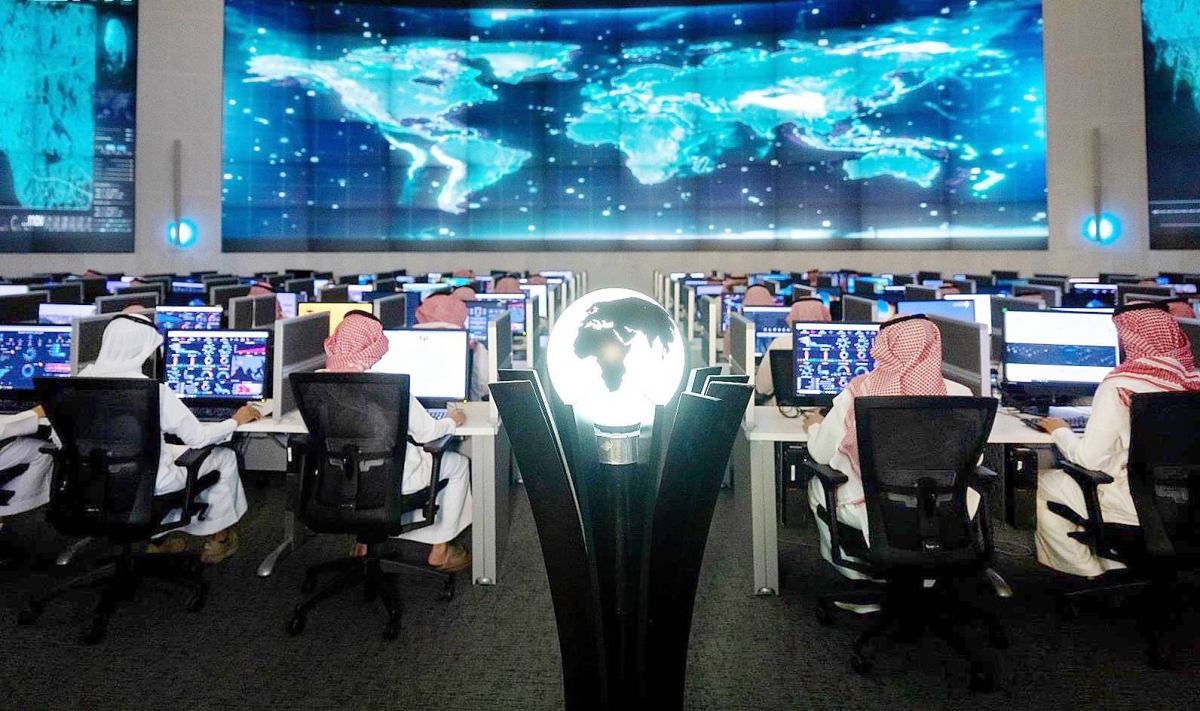
المركز العالمي لمكافحة الفكر المتطرف. (اعتدال)


تابع قناة عكاظ على الواتساب
عبدالله الدهاس (مكة المكرمة) aldhass@
The Global Center for Combating Extremist Ideology (Etidal) confirmed that placing software codes in a nearly open manner for all users of artificial intelligence could turn into a dangerous tool in the hands of terrorist organizations if they have the ability to reprogram many digital tools to suit their dangerous agendas.
Etidal pointed out that controlling the codes, when combined with the availability of knowledge related to mathematical and chemical equations, could open a major gateway to the danger of transforming this knowledge into innovative killing tools, which raises the ceiling of violence in this case due to modern capabilities. It emphasized that we cannot hold knowledge responsible for the harm that can be inflicted on people due to its exploitation by extremists and terrorists, as the danger lies in its misuse, not in its essence. However, this does not prevent the necessity of establishing normative controls and transparent standards that balance the benefits of scientific openness with the requirements of security and the preservation of human life, and the integration of specialized entities in this regard globally.
Etidal added that those who track the history of modern extremism and terrorism will notice the opportunistic relationship that extremist organizations establish with the new tools provided by technological advancement. This relationship began to manifest clearly since the late 19th century with the discovery of dynamite, which was intended to facilitate work in breaking rocks, but it became a terrifying means of killing in the hands of terrorist organizations. This is similar to what happened when terrorists exploited the end of the 20th century's geographic coordinate technologies, which were meant to ease people's lives by improving logistical efficiency, but they turned into a new method for terrorist organizations to locate targets in service of their destructive agendas. It was noted that with every advancement that can benefit people, terrorists do not cease to seek ways to employ it to destroy everything within their reach and target their plans, leading to the current stage witnessing a revolution in artificial intelligence, the nature of whose near developments no one can definitively ascertain. The attempts of terrorist organizations to exploit advanced artificial intelligence tools are evident, and activities of extremists attempting to utilize this technological revolution in service of their propaganda and ideological arsenal have indeed been observed; especially as superior capabilities have become accessible compared to what was previously available. While this is considered a civilizational and human gain, it also carries many risks related to extremist organizations.
Cross-Border Content
The Global Center for Combating Extremist Ideology (Etidal) pointed out that much of the extremist content has become cross-border in terms of language between countries around the world. This indicates an increase in the technical exploitation operations of extremist organizations that bet on flooding the market by launching the same media materials from multiple sources simultaneously and in various formats and languages. As a result, the processes of monitoring, tracking, and shutting down have become more complicated than before. What previously required significant human resources has now become feasible, thanks to artificial intelligence, at a lower material and security cost. It emphasized that the world is now facing a shared and urgent responsibility more than ever before, and is obligated to take sufficient precautions to prevent the spread of extremism and terrorism regarding sensitive information, which we are surprised to find available with just formal assurances that can be provided by users of artificial intelligence platforms. In this context, the importance of controlling the quality of the massive data that feeds these large, neutral language models becomes evident, as well as contributing to and enhancing any binding international role that defines the components and standards of credibility in these tools, which at least limits the transformation of artificial intelligence capabilities into a new means of deception and another avenue for providing killing tools in the hands of terrorists.
Etidal pointed out that controlling the codes, when combined with the availability of knowledge related to mathematical and chemical equations, could open a major gateway to the danger of transforming this knowledge into innovative killing tools, which raises the ceiling of violence in this case due to modern capabilities. It emphasized that we cannot hold knowledge responsible for the harm that can be inflicted on people due to its exploitation by extremists and terrorists, as the danger lies in its misuse, not in its essence. However, this does not prevent the necessity of establishing normative controls and transparent standards that balance the benefits of scientific openness with the requirements of security and the preservation of human life, and the integration of specialized entities in this regard globally.
Etidal added that those who track the history of modern extremism and terrorism will notice the opportunistic relationship that extremist organizations establish with the new tools provided by technological advancement. This relationship began to manifest clearly since the late 19th century with the discovery of dynamite, which was intended to facilitate work in breaking rocks, but it became a terrifying means of killing in the hands of terrorist organizations. This is similar to what happened when terrorists exploited the end of the 20th century's geographic coordinate technologies, which were meant to ease people's lives by improving logistical efficiency, but they turned into a new method for terrorist organizations to locate targets in service of their destructive agendas. It was noted that with every advancement that can benefit people, terrorists do not cease to seek ways to employ it to destroy everything within their reach and target their plans, leading to the current stage witnessing a revolution in artificial intelligence, the nature of whose near developments no one can definitively ascertain. The attempts of terrorist organizations to exploit advanced artificial intelligence tools are evident, and activities of extremists attempting to utilize this technological revolution in service of their propaganda and ideological arsenal have indeed been observed; especially as superior capabilities have become accessible compared to what was previously available. While this is considered a civilizational and human gain, it also carries many risks related to extremist organizations.
Cross-Border Content
The Global Center for Combating Extremist Ideology (Etidal) pointed out that much of the extremist content has become cross-border in terms of language between countries around the world. This indicates an increase in the technical exploitation operations of extremist organizations that bet on flooding the market by launching the same media materials from multiple sources simultaneously and in various formats and languages. As a result, the processes of monitoring, tracking, and shutting down have become more complicated than before. What previously required significant human resources has now become feasible, thanks to artificial intelligence, at a lower material and security cost. It emphasized that the world is now facing a shared and urgent responsibility more than ever before, and is obligated to take sufficient precautions to prevent the spread of extremism and terrorism regarding sensitive information, which we are surprised to find available with just formal assurances that can be provided by users of artificial intelligence platforms. In this context, the importance of controlling the quality of the massive data that feeds these large, neutral language models becomes evident, as well as contributing to and enhancing any binding international role that defines the components and standards of credibility in these tools, which at least limits the transformation of artificial intelligence capabilities into a new means of deception and another avenue for providing killing tools in the hands of terrorists.


