دعا رئيس مجلس إدارة مركز الملك فيصل للبحوث والدراسات الأمير تركي الفيصل، المختصين في السعودية إلى الاهتمام باستحداث مراكز بحثية متنوعة، وأكد أن تلك المراكز مهمة للغاية في الدول.
ووصف المراكز البحثية بأنها أدوات للعطاء في المجتمعات، وتسهم في التلاقح الفكري بين الناس، وتكتسب أهمية خاصة لكونها تملك نوعاً من الاستقلالية في الرأي عن المصادر الرسمية، وأنها تمنح بذلك فرصة للخروج عن سياقات النمط الرسمي في تبادل الأفكار، مبدياً ارتياحه لوجود ما سمّاه وعياً بحثياً وفكرياً (في السعودية) في شتى المجالات.
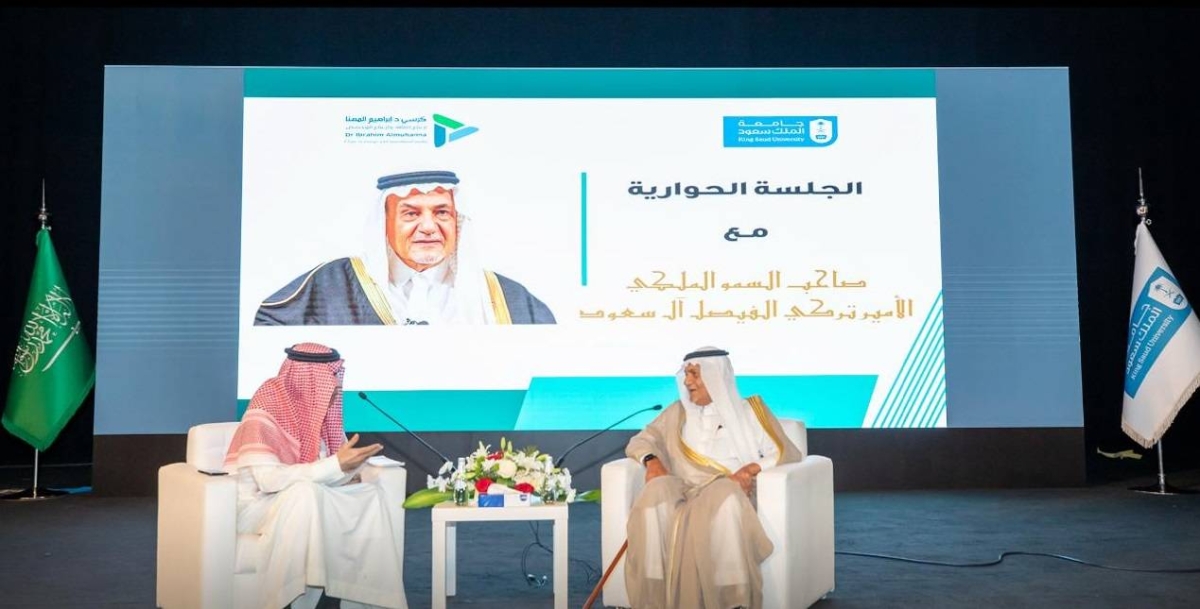
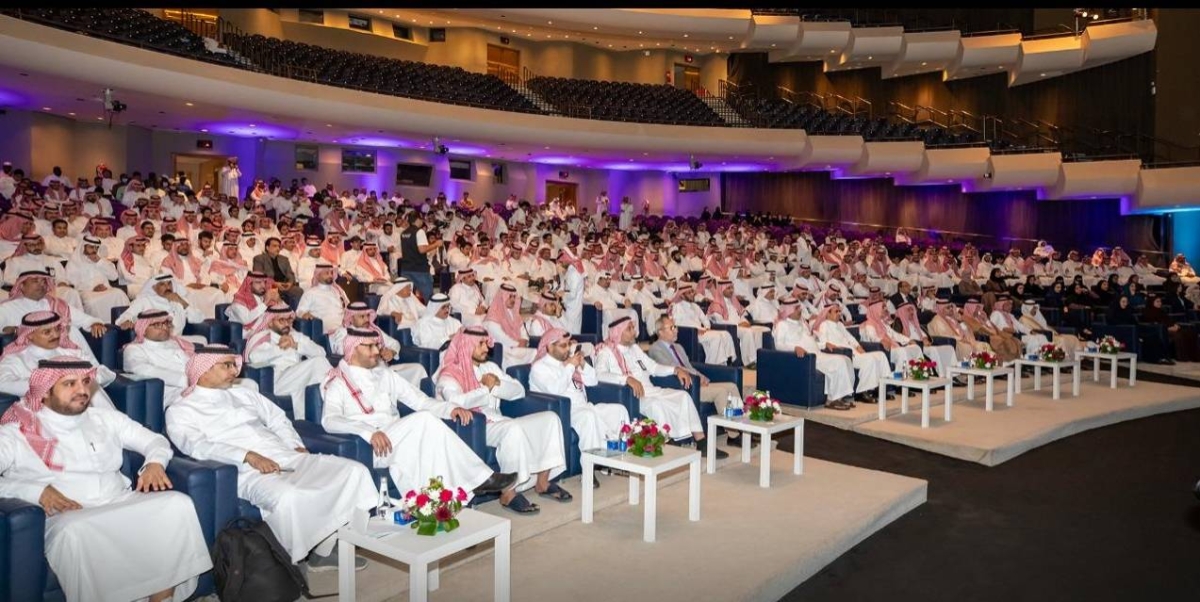
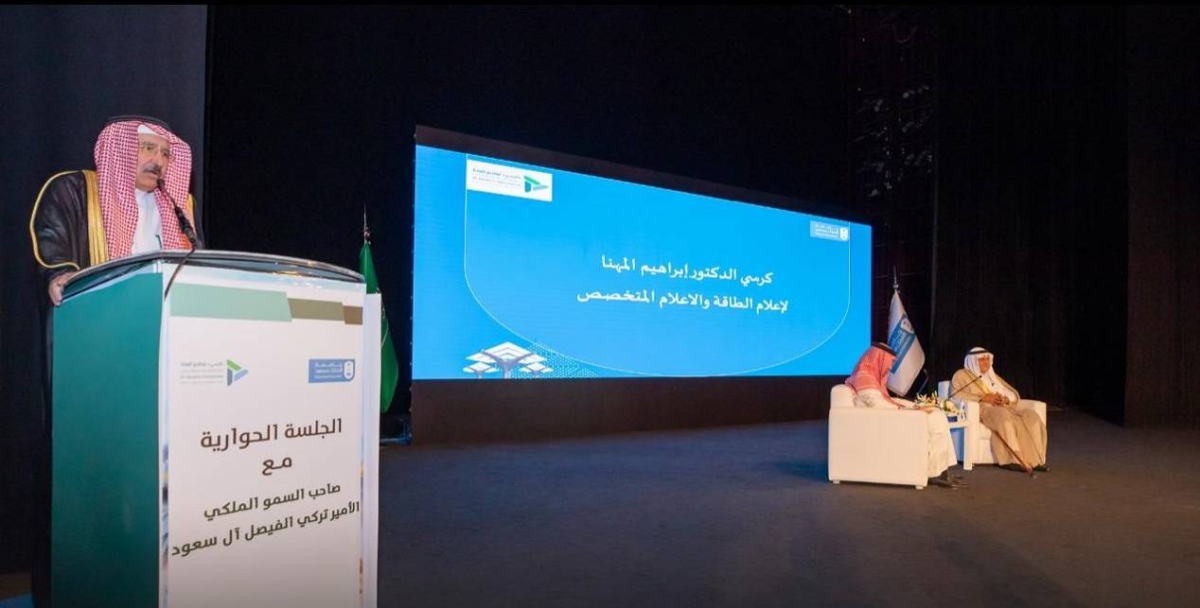
وأشار في جلسة حوارية نظمها كرسي الدكتور إبراهيم المهنا لإعلام الطاقة والإعلام المتخصص في جامعة الملك سعود، الخميس الماضي، إلى القوة الهائلة لوسائل التواصل الاجتماعي وتأثيرها على المجتمعات حول العالم، مؤكداً أن تلك الوسائل أحدثت تحولاً جذرياً إيجابياً في مواقف الشعوب العالمية تجاه القضية الفلسطينية.
وأضاف: «معجزة أننا نرى مئات الألوف من كل دول العالم يتظاهرون في الشوارع والميادين وهم يطالبون بحرية واستقلال فلسطين وقيام دولة فلسطينية»، مستطرداً: ما كنت أحلم بهذا الشيء قبل نشوء شبكات التواصل الاجتماعي.
وأكد أن وسائل التواصل الاجتماعي نجحت في كسر القيود التي كانت سائدة قبل ظهور تلك الوسائل، وبينما حث الفيصل على اتفاق دول العالم على رؤى موحدة لوضع ضوابط مناسبة بشأن الذكاء الاصطناعي، فإنه أبدى مخاوفه من الإنترنت المظلم، مشيراً إلى أنه يحتوى على «أمور مرفوضة وغسيل أموال»، وأن ذلك يحدث لعدم وضع ضوابط للإنترنت عند نشأته.
وحث الفيصل مسؤولي الإعلام في المملكة على تبني رؤى أكثر انفتاحاً، وأن «تكون المملكة مبادرة في إبلاغ الآخرين» بحراكها، وقال: لا خشية لدينا من أن نفتح الأبواب والنوافذ للآخرين أن يأتوا ويطّلعوا بأنفسهم، لكنه استدرك إلى أن هناك قصوراً في دور المؤسسات الإعلامية، قبل أن يقول: «أرجو أن يكون هناك تنشيط في استخدام وسائل الإعلام، وأنه لا بد من التواصل... ما في طريقة أنك تحجب عن الآخرين ما يدور في بلادك، إن كان عملاً جيداً أو عملاً سيئاً».
وأكد أن على المسؤولين ألا يخشوا الحملات «الشعواء» من الجهات في الدول الغربية تجاه السعودية، مضيفاً: بالعكس علينا أن نبيّن الحقيقة، والبيانات اللي تصدر من عندنا يجب التأكد أنها تصل للآخرين.
وأبدى سعادته بالتعاون بين السعودية وعدد من الدول الأفريقية، ليس فقط لأنها جار جغرافي ولكن هي امتداد بشري لما تقوم عليه المملكة من قيم ومبادئ ومكونات اجتماعية. فالتلاقح بين الجزيرة العربية وأفريقيا عبر التاريخ والمعابر التي كانت تمر في السابق كانت عبر شبه جزيرة سيناء و(مضيق) باب المندب.
وأشار إلى أن هناك قبائل سعودية لا يزال لها وجود في الجانب الأفريقي، قائلاً: «لدينا في المملكة العربية السعودية جاليات كبيرة جدّاً من أفريقيا تعمل في المملكة، ومنهم من تجنّس وأصبح سعوديّاً، وأنه من باب أولى أنه يكون هذا التواصل وهذا التلاقح بين ضفتي البحر الأحمر وسيلة لخدمة الطرفين»، مؤكداً اهتمام بلاده بتنمية علاقاتها مع دول القارة الأفريقية وحرصها على عيش شعوب القارة بسلام.
The Chairman of the Board of the King Faisal Center for Research and Islamic Studies, Prince Turki Al-Faisal, called on specialists in Saudi Arabia to focus on establishing diverse research centers, emphasizing that these centers are extremely important in countries.
He described research centers as tools for giving in societies, contributing to intellectual exchange among people, and gaining particular importance due to their independence of opinion from official sources. He expressed his satisfaction with what he termed a research and intellectual awareness (in Saudi Arabia) across various fields.
During a panel discussion organized by the Ibrahim Al-Muhanna Chair for Energy Media and Specialized Media at King Saud University last Thursday, he pointed to the immense power of social media and its impact on societies around the world, affirming that these platforms have brought about a positive radical transformation in global public attitudes towards the Palestinian cause.
He added, "It is a miracle that we see hundreds of thousands from all over the world demonstrating in the streets and squares demanding freedom and independence for Palestine and the establishment of a Palestinian state," continuing, "I never dreamed of this before the emergence of social media networks."
He confirmed that social media has succeeded in breaking the constraints that prevailed before the emergence of these platforms. While Al-Faisal urged world countries to agree on unified visions to set appropriate regulations regarding artificial intelligence, he expressed his concerns about the dark web, noting that it contains "unacceptable matters and money laundering," which occurs due to the lack of regulations for the internet at its inception.
Al-Faisal urged media officials in the Kingdom to adopt more open visions and that "the Kingdom should take the initiative in informing others" about its activities. He said, "We have no fear of opening doors and windows for others to come and see for themselves," but he added that there is a shortcoming in the role of media institutions, before stating, "I hope there will be a revitalization in the use of media, and that there must be communication... There is no way to hide from others what is happening in your country, whether it is good or bad."
He affirmed that officials should not fear "fierce" campaigns from entities in Western countries against Saudi Arabia, adding, "On the contrary, we must clarify the truth, and the data that comes from us must be ensured to reach others."
He expressed his happiness with the cooperation between Saudi Arabia and several African countries, not only because they are geographical neighbors but also because they are a human extension of the values, principles, and social components that the Kingdom upholds. The historical interaction between the Arabian Peninsula and Africa has occurred through the Sinai Peninsula and the Bab el-Mandeb Strait.
He pointed out that there are Saudi tribes that still exist on the African side, saying, "We have very large communities from Africa working in the Kingdom of Saudi Arabia, some of whom have naturalized and become Saudi citizens, and it is only natural that this communication and interaction between the two shores of the Red Sea serves both parties," emphasizing his country's interest in developing its relations with the African continent and its commitment to ensuring that the peoples of the continent live in peace.