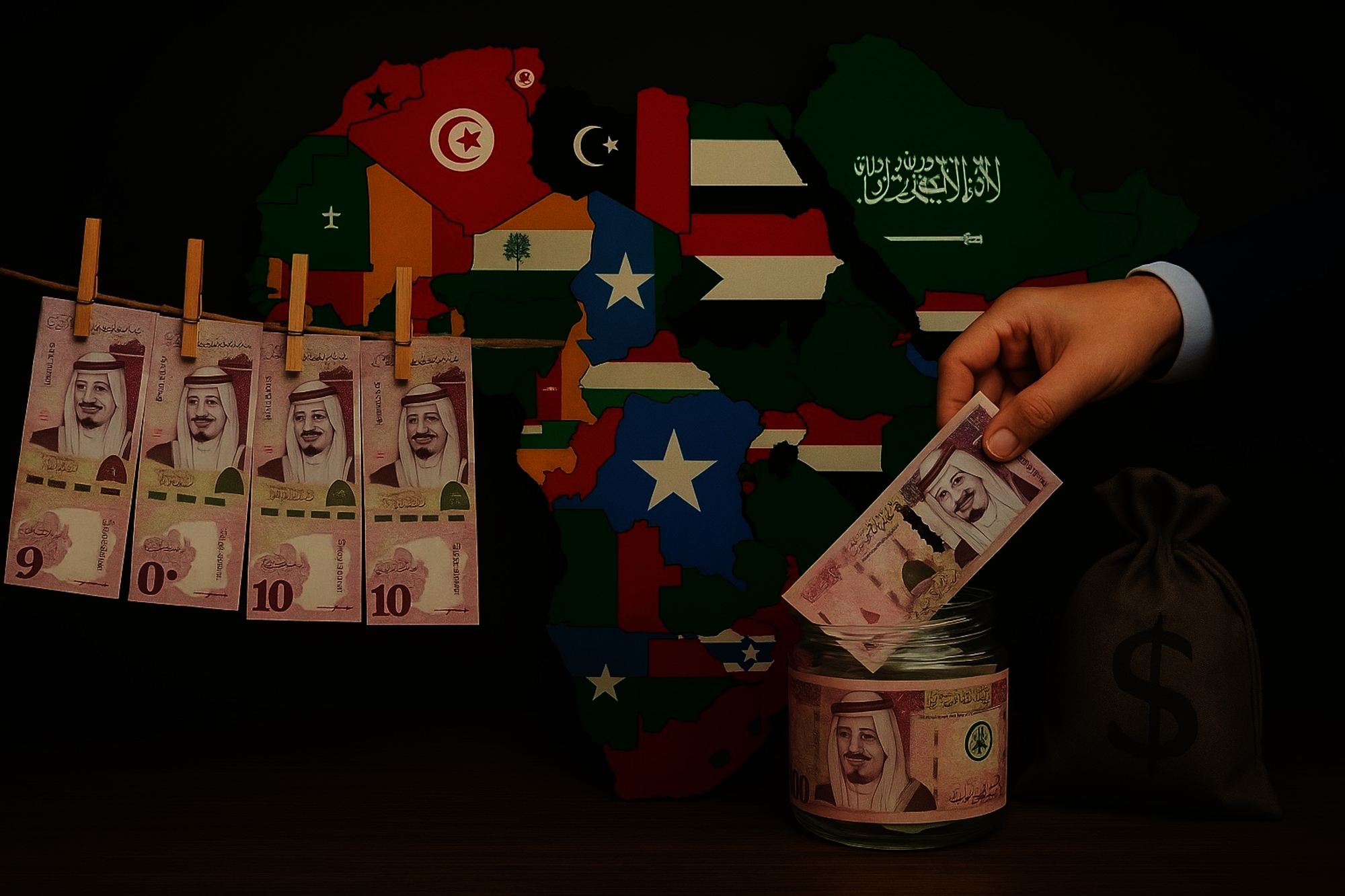
أطلقت دول الشرق الأوسط وشمال أفريقيا شبكة إقليمية لاسترداد الأصول «MENA-ARIN» لتكون منصة موحدة لملاحقة الفساد داخل الأجهزة الحكومية، واستعادة الأموال التي تسربت عبر شبكات النفوذ والمعاملات غير المشروعة.
التحالف الجديد يضم 21 دولة من أعضاء مجموعة العمل المالي الإقليمي، في خطوة تُعيد تنظيم العلاقة بين المال العام والمسؤولية الإدارية، وتفتح مسارا للتعاون في التتبع والتجميد والمصادرة.
تفاوت ترتيب دول المنطقة في مؤشر النزاهة العالمي لعام 2024 كان الدافع الأساسي لتأسيس الشبكة.
تقدّمت الإمارات وقطر والسعودية في المراتب الأولى عربيا بمتوسط 70 نقطة، فيما راوحت دول مثل الأردن والمغرب وتونس بين 40 و50 نقطة، وسجلت دول أخرى أقل من 20 نقطة بسبب ضعف الأنظمة الرقابية وتضارب الصلاحيات.
هذا الواقع فرض تحركا جماعيا يستهدف تضييق الفجوة ورفع كفاءة أجهزة الرقابة في مواجهة المال غير المشروع.
خبرة السعودية
السعودية تتولى الأمانة الدائمة للشبكة عبر هيئة الرقابة ومكافحة الفساد التي تدير عمليات التنسيق الفني وتبادل المعلومات، بما يتيح للدول الأعضاء تطوير آلياتها الوطنية دون وصاية.
دورها يقوم على إدارة المعرفة وتوفير القواعد الإجرائية التي تسهّل التواصل بين الهيئات المالية والقضائية في المنطقة.
مضايقة الفساد
التحالف يكرّس مبدأ «مضايقة الفساد» عبر ربط الأنظمة الرقابية ببنية معلوماتية مشتركة تتابع حركة الأصول وتغلق الثغرات داخل المؤسسات الحكومية.
كل عملية استرداد تمثل عودة للثقة قبل المال، إذ تُعيد للدولة هيبتها في إدارة مواردها وتمنحها حضورا أعلى في مؤشرات الشفافية.
الشبكة الإقليمية تحوّل إستراتيجي يؤسس لتعاون عربي دائم في حماية المال العام.
من جدة انطلقت الرؤية، لتعلن أن النزاهة مشروع اقتصادي وسيادي يقود التنمية ويحصّن الدول من أثر الفساد على مستقبلها المالي.
The countries of the Middle East and North Africa have launched a regional asset recovery network "MENA-ARIN" to serve as a unified platform for combating corruption within government agencies and recovering funds that have leaked through networks of influence and illicit transactions.
The new alliance includes 21 countries from the regional Financial Action Task Force, in a move that reorganizes the relationship between public money and administrative accountability, and opens a path for cooperation in tracing, freezing, and confiscating assets.
The varying rankings of countries in the region on the Global Integrity Index for 2024 were the primary motivation for establishing the network.
The UAE, Qatar, and Saudi Arabia ranked among the top Arab countries with an average of 70 points, while countries like Jordan, Morocco, and Tunisia ranged between 40 and 50 points, and other countries recorded less than 20 points due to weak regulatory systems and conflicting authorities.
This reality necessitated a collective movement aimed at narrowing the gap and enhancing the efficiency of oversight bodies in confronting illicit finance.
Saudi Expertise
Saudi Arabia holds the permanent secretariat of the network through the Oversight and Anti-Corruption Authority, which manages technical coordination and information exchange, allowing member states to develop their national mechanisms without oversight.
Its role is centered on knowledge management and providing procedural frameworks that facilitate communication between financial and judicial bodies in the region.
Corruption Harassment
The alliance enshrines the principle of "harassing corruption" by linking regulatory systems to a shared information infrastructure that monitors asset movements and closes loopholes within government institutions.
Every recovery operation represents a restoration of trust before money, as it reinstates the state's authority in managing its resources and grants it a higher presence in transparency indicators.
The regional network is a strategic transformation that establishes permanent Arab cooperation in protecting public funds.
From Jeddah, the vision was launched to declare that integrity is an economic and sovereign project that drives development and fortifies countries against the impact of corruption on their financial future.