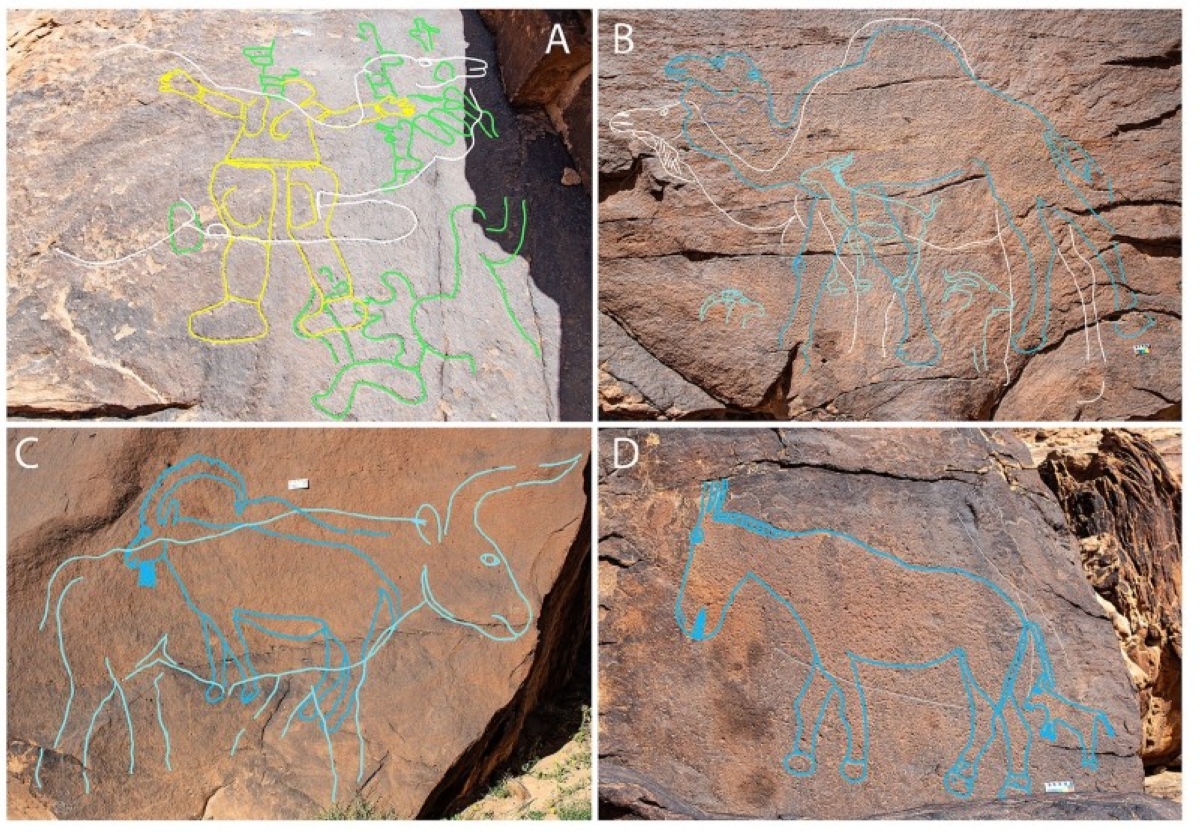
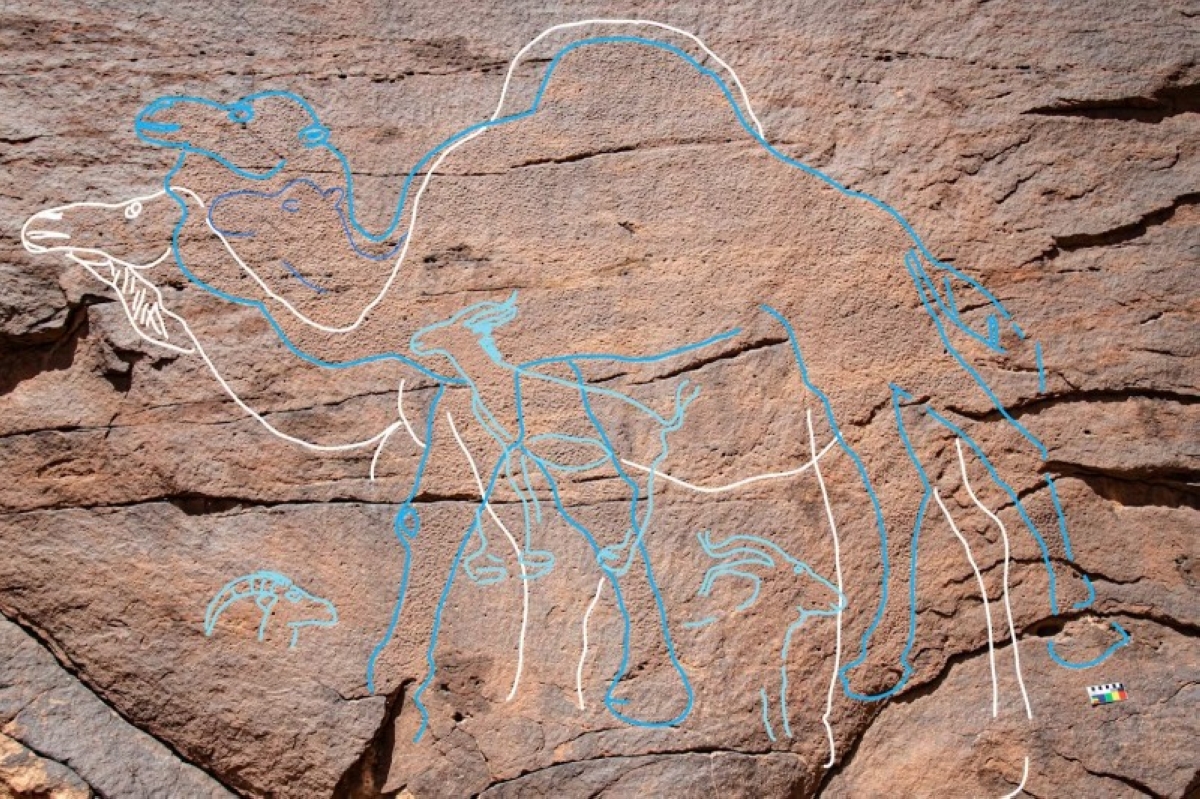
حين كتب عالم الآثار والأنثروبولوجيا مايكل بيتراجليا: اليوم (الخميس) عبر حسابه في منصة إكس: «قبل نحو 12 ألف سنة، وعلى جرف مرتفع في صحراء حائل، كان فنان - أو ربما فنانون - يشتغلون بجهد». لم يكن يصف مشهدًا أثريًا بل كان يفتح نافذة على لحظة ولادة الفن الإنساني الأول فهناك، في قلب السعودية حائل، لم يكتفِ الإنسان القديم بالصيد والعيش، بل ارتقى إلى الرسم والنقش والتعبير، ليعلن أن الفن خرج من السعودية، من جبالها ووديانها، إلى العالم ؛ تلك الرسوم الصخرية التي حفظتها جدران جبة والشويمس، شهادة أن السعودية كانت مهد الخيال البصري، ومنطلق لغة الرسم التي عبرت حدود الزمن والقارات.
الفنون الصخرية في حائل:
تمثل النقوش والرسومات الصخرية في حائل وثيقة حيّة تعود إلى أكثر من 12 ألف عام. فهي تعرض مشاهد صيد الإبل والخيول والغزلان، وصورًا للرقص والاحتفال، وأشكالًا هندسية تعبّر عن وعي رمزي مبكر. هذه الرسوم تكشف أن الإنسان في حائل لم يكن مجرد كائن يبحث عن البقاء، بل كان مبدعًا يسعى لتسجيل ذاكرته وصياغة رؤيته للعالم من حوله.
الفنانون الأوائل:
إشارة بيتراجليا إلى «فنان أو فنانون» تفتح باب التأمل في أن الفنون الصخرية ممارسة جماعية ؛ لقد اجتمع الناس حول الصخر كما يجتمعون حول المسرح أو المرسم اليوم، ليصنعوا فنًا جماعيًا هو جزء من ثقافتهم اليومية، ورسالة إلى الأجيال من بعدهم، هذه الأعمال تحمل في مضمونها أن الفن فعل اجتماعي وثقافي قبل أن يكون جماليًا.
من السعودية إلى العالم:
هذه الشواهد الصخرية في حائل تثبت أن الفن والرسم خرجا من السعودية إلى العالم. ففي وقت لم تكن فيه أوروبا قد عرفت سوى بدايات فنون الكهوف، كان الإنسان في الجزيرة العربية يُبدع لغة بصرية متكاملة. وهكذا، تعيد أبحاث بيتراجليا رسم خارطة التاريخ الثقافي للبشرية، مؤكدة أن حائل كانت منطلقًا عالميًا للرسم، ومصدرًا للإلهام البشري عبر العصور.
المكان..
مصدر الإبداع: الجبال والوديان في حائل اليوم تعد مسرحًا ملهمًا للفنانين الأوائل، والطبيعة هناك وفّرت للإنسان مادة الإبداع وروح التعبير، تمامًا كما تُلهم اليوم المعماريين في صياغة العمارة السعودية الجديدة التي تستلهم عناصرها من البيئة ذاتها.
ما قاله بيتراجليا ليس توصيفًا أثريًا بل إقرار علمي بأن السعودية، وتحديدًا حائل، هي مهد الفن الإنساني، فمن على جدرانها الصخرية بدأت الحكاية، ومن صخورها خرجت الرسومات الأولى التي علّمت العالم أن الإنسان لا يكتفي بأن يعيش.. بل يبدع.
When the archaeologist and anthropologist Michael Petraglia wrote today (Thursday) on his account on the X platform: "About 12,000 years ago, on a high cliff in the Hail desert, there was an artist - or perhaps artists - working hard." He was not describing an archaeological scene but rather opening a window to a moment of the birth of early human art. There, in the heart of Saudi Arabia, Hail, ancient humans did not just settle for hunting and living; they rose to drawing, engraving, and expression, declaring that art emerged from Saudi Arabia, from its mountains and valleys, to the world; those rock drawings preserved by the walls of Jubbah and Al-Shuwaymis are proof that Saudi Arabia was the cradle of visual imagination and the starting point of the language of painting that transcended the boundaries of time and continents.
Rock Art in Hail:
The engravings and rock drawings in Hail represent a living document dating back more than 12,000 years. They display scenes of hunting camels, horses, and deer, images of dancing and celebration, and geometric shapes that express early symbolic consciousness. These drawings reveal that the people in Hail were not merely beings seeking survival; they were creators striving to record their memories and shape their vision of the world around them.
The Early Artists:
Petraglia's reference to "an artist or artists" opens the door to contemplation that rock art was a collective practice; people gathered around the rock as they do today around a theater or an art studio, to create a collective art that is part of their daily culture and a message to future generations. These works carry the essence that art is a social and cultural act before it is aesthetic.
From Saudi Arabia to the World:
These rock evidences in Hail prove that art and drawing emerged from Saudi Arabia to the world. At a time when Europe had only known the beginnings of cave art, humans in the Arabian Peninsula were creating a complete visual language. Thus, Petraglia's research redraws the map of humanity's cultural history, confirming that Hail was a global starting point for painting and a source of human inspiration throughout the ages.
The Place..
The source of creativity: The mountains and valleys in Hail today serve as an inspiring stage for early artists, and the nature there provided humans with the material for creativity and the spirit of expression, just as it inspires architects today in shaping the new Saudi architecture that draws its elements from the environment itself.
What Petraglia said is not an archaeological description but a scientific acknowledgment that Saudi Arabia, specifically Hail, is the cradle of human art. From its rock walls, the story began, and from its stones emerged the first drawings that taught the world that humans do not just live... but create.