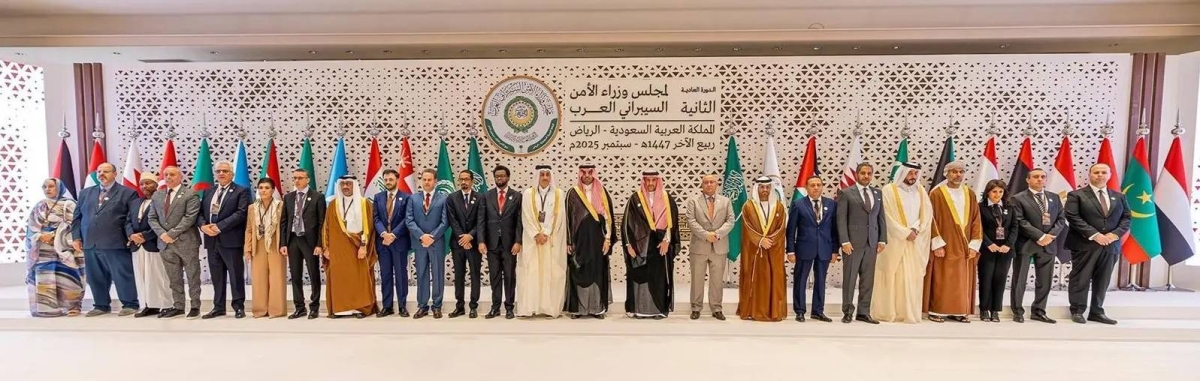
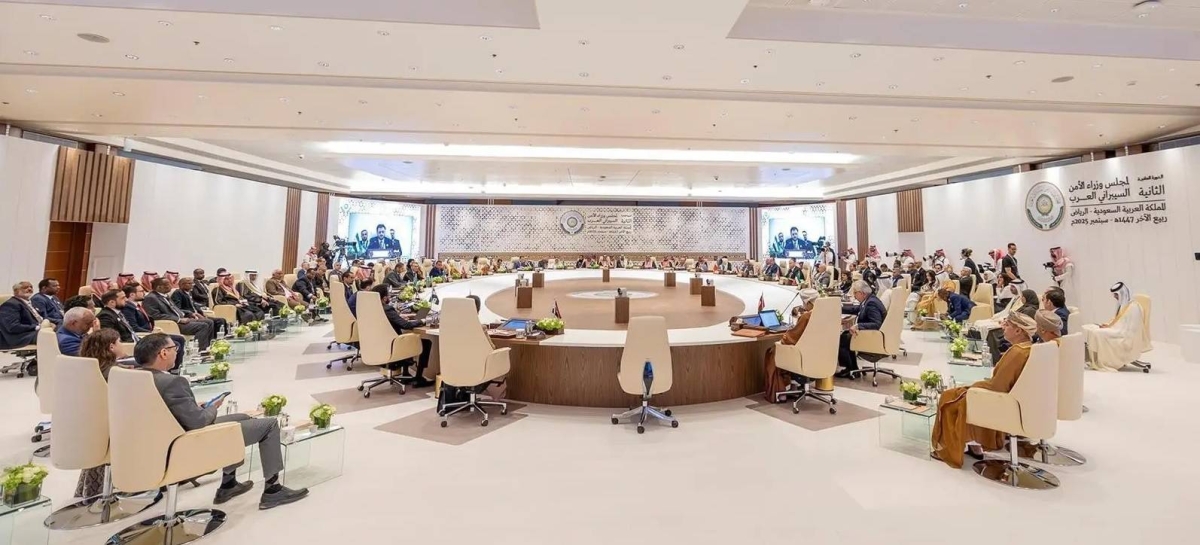
ترأست المملكة العربية السعودية ممثلة بمحافظ الهيئة الوطنية للأمن السيبراني المهندس ماجد بن محمد المزيد، الدورة العادية الثانية لمجلس وزراء الأمن السيبراني العرب، التي انطلقت أعمالها اليوم في مدينة الرياض، بحضور أصحاب المعالي والمعنيين بمجال الأمن السيبراني في الدول الأعضاء في جامعة الدول العربية، والأمين العام المساعد رئيس قطاع الشؤون الاقتصادية بجامعة الدول العربية السفير الدكتور علي بن إبراهيم المالكي.
وافتتح محافظ الهيئة الوطنية للأمن السيبراني أعمال الدورة الثانية للمجلس بكلمة أوضح فيها أن ما يشهده العالم اليوم من تحولات على مستويات عديدة، ومنها الجيوسياسية والاقتصادية والتنموية والتطورات التقنية، يضع الأمن السيبراني في صلب الأولويات الإستراتيجية صونًا للأمن العربي المشترك، وحماية لاقتصادات الدول العربية، وحفاظًا على المصالح الحيوية لها ورعاية مقدّراتها، وصولًا إلى فضاء سيبراني عربي آمن وموثوق يسهم في صناعة التنمية والازدهار والاستقرار للدول العربية وشعوبها، مؤكدًا إحراز المجلس خلال عامه الأول للعديد من المنجزات على صعيد تعزيز العمل العربي المشترك في مجال الأمن السيبراني.
ورفع الشكر والعرفان لخادم الحرمين الشريفين الملك سلمان بن عبدالعزيز آل سعود، ولولي العهد رئيس مجلس الوزراء الأمير محمد بن سلمان بن عبدالعزيز آل سعود، على الدعم والتوجيهات الحكيمة والمتابعة المستمرة، وحرصهما على دعم ورعاية كل ما من شأنه تعزيز العمل العربي المشترك، وصون الأمن العربي واستقراره.
من جانبه، ألقى الأمين العام المساعد رئيس قطاع الشؤون الاقتصادية بجامعة الدول العربية -نيابة عن الأمين العام لجامعة الدول العربية أحمد أبو الغيط- كلمة بيّن فيها أن جامعة الدول العربية تولي الأمن السيبراني على المستوى العربي اهتمامًا خاصًا، وتتابع موضوعاته في مختلف المحافل الإقليمية والدولية، مشيرًا إلى أن الفترة الماضية شهدت تحقيق الدول العربية إنجازات كبيرة في مجال الأمن السيبراني، وبعضها قد قطع شوطًا كبيرًا في تطوير البنى التحتية الخاصة بها ووضع الأنظمة واللوائح ذات الصلة بالمجال، مما انعكس على تقدم مراكز الدول العربية في مؤشر الأمن السيبراني GCI الصادر عن الاتحاد الدولي للاتصالات خلال التقرير الأخير لعام 2024.
واستعرض أعضاء المجلس مجموعة من أوراق العمل المقدمة من الدول الأعضاء في جامعة الدول العربية.
واتخذ المجلس عددًا من القرارات من أبرزها، إقرار مشروع الإستراتيجية العربية للأمن السيبراني، والموافقة على انضمام مجلس وزراء الأمن السيبراني العرب إلى اتفاقية الأمم المتحدة لمكافحة الجرائم السيبرانية، وانضمام المجلس إلى عضوية أبرز المنظمات والكيانات الدولية، بالإضافة إلى تنسيق البيانات العربية المشتركة في مجال الأمن السيبراني من خلال المجلس، واعتماد آليات وإجراءات انضمام المنظمات الدولية وما في حكمها إلى المجلس بصفة مراقب، كما ناقش المجلس مستجدات الأمن السيبراني على المستويات الأمنية والاقتصادية والتنموية، بما يسهم في تعزيز الأمن السيبراني على المستوى العربي.
يشار إلى أن مجلس وزراء الأمن السيبراني العرب يتألف من الوزراء العرب المعنيين بالأمن السيبراني، واعتُمد نظامه الأساسي بموجب قرار مجلس جامعة الدول العربية على مستوى القمة، ويعمل تحت مظلة مجلس جامعة الدول العربية، وتتضمن اختصاصاته رسم السياسات العامة ووضع الإستراتيجيات والأولويات التي من شأنها تطوير العمل العربي المشترك في الأمن السيبراني، والنظر في جميع موضوعات ومستجدات الأمن السيبراني على المستويات الأمنية والاقتصادية والتنموية والتشريعية، وكذلك إقرار الخطط العربية المشتركة في مجال الأمن السيبراني لتنفيذ السياسات والإستراتيجيات المقرة في المجلس.
The Kingdom of Saudi Arabia, represented by the Governor of the National Cybersecurity Authority, Engineer Majid bin Mohammed Al-Mazid, chaired the second ordinary session of the Council of Arab Cybersecurity Ministers, which commenced its activities today in Riyadh, with the presence of Their Excellencies and those concerned with cybersecurity in the member states of the Arab League, and the Assistant Secretary-General and Head of the Economic Affairs Sector at the Arab League, Ambassador Dr. Ali bin Ibrahim Al-Maliki.
The Governor of the National Cybersecurity Authority opened the second session of the council with a speech in which he clarified that the transformations the world is witnessing today on various levels, including geopolitical, economic, developmental, and technological developments, place cybersecurity at the core of strategic priorities to safeguard common Arab security, protect the economies of Arab countries, and preserve their vital interests and resources, leading to a safe and reliable Arab cyberspace that contributes to the development, prosperity, and stability of Arab countries and their peoples. He emphasized that the council has achieved many accomplishments during its first year in enhancing Arab joint action in the field of cybersecurity.
He expressed his gratitude and appreciation to the Custodian of the Two Holy Mosques, King Salman bin Abdulaziz Al Saud, and to the Crown Prince and Prime Minister, Prince Mohammed bin Salman bin Abdulaziz Al Saud, for their support, wise guidance, continuous follow-up, and their keenness to support and nurture everything that enhances Arab joint action and preserves Arab security and stability.
For his part, the Assistant Secretary-General and Head of the Economic Affairs Sector at the Arab League - on behalf of the Secretary-General of the Arab League, Ahmed Aboul Gheit - delivered a speech in which he indicated that the Arab League pays special attention to cybersecurity at the Arab level and follows its topics in various regional and international forums. He pointed out that the past period has witnessed significant achievements by Arab countries in the field of cybersecurity, with some having made considerable progress in developing their infrastructure and establishing relevant systems and regulations, which has reflected positively on the advancement of Arab countries in the Global Cybersecurity Index (GCI) issued by the International Telecommunication Union in its latest report for 2024.
The council members reviewed a set of working papers submitted by the member states of the Arab League.
The council made several decisions, the most notable of which include the approval of the Arab Cybersecurity Strategy project, the agreement to join the United Nations Convention on Cybercrime, and the council's membership in prominent international organizations and entities. Additionally, it coordinated shared Arab data in the field of cybersecurity through the council, and adopted mechanisms and procedures for international organizations and similar entities to join the council as observers. The council also discussed updates on cybersecurity at the security, economic, and developmental levels, contributing to the enhancement of cybersecurity at the Arab level.
It is worth noting that the Council of Arab Cybersecurity Ministers consists of Arab ministers concerned with cybersecurity, and its basic system was adopted by a decision of the Arab League Council at the summit level. It operates under the umbrella of the Arab League Council, and its competencies include formulating public policies, establishing strategies and priorities aimed at developing Arab joint action in cybersecurity, reviewing all topics and updates related to cybersecurity at the security, economic, developmental, and legislative levels, as well as approving joint Arab plans in the field of cybersecurity to implement the policies and strategies approved by the council.