المملكة تعمل على إستراتيجية رفع عمر المواطن إلى 75 سنة والمستهدف أن يكون عام 2030 عاماً خالياً من الأورام
مستقبل القضاء على السرطان مشرق مع تقدم تقنية النانو تكنولوجي والذكاء الاصطناعي والطب التجديدي وتحرير الجينات
كشف استشاري الجراحة العامة والسمنة والمناظير المتقدمة والروبوت الآلي وجراحات الأورام وزراعة الأعضاء الدكتور عبدالوهاب الشهراني أن العلاج المناعي حقق نجاحات، حيث ارتفعت معدلات البقاء على قيد الحياة في بعض أنواع السرطانات المتقدمة من 15% إلى 50%، ونجح العلاج المناعي في تحقيق معدلات شفاء تصل إلى 80% في بعض الأورام التي كانت غير قابلة للعلاج «ليس كل ورم يظهر على الجسم الخارجي خبيثاً، أغلبها أورام حميدة»، موضحاً في الوقت نفسه أن التطور التقني في علاج الأورام، منها العلاج الكيماوي التقليدي، العلاج المستهدف، العلاج المناعي، العلاج الخلوي المتقدم، والعلاج الإشعاعي المتطور، والعلاج الموجه بدقة، خفَّض معدل انتشار الآثار الجانبية للعلاج الإشعاعي بنسبة 60%، مع تحسن كبير في فعالية العلاج وتقليل الآثار الجانبية بنسبة 85% مقارنة بالطرق التقليدية.
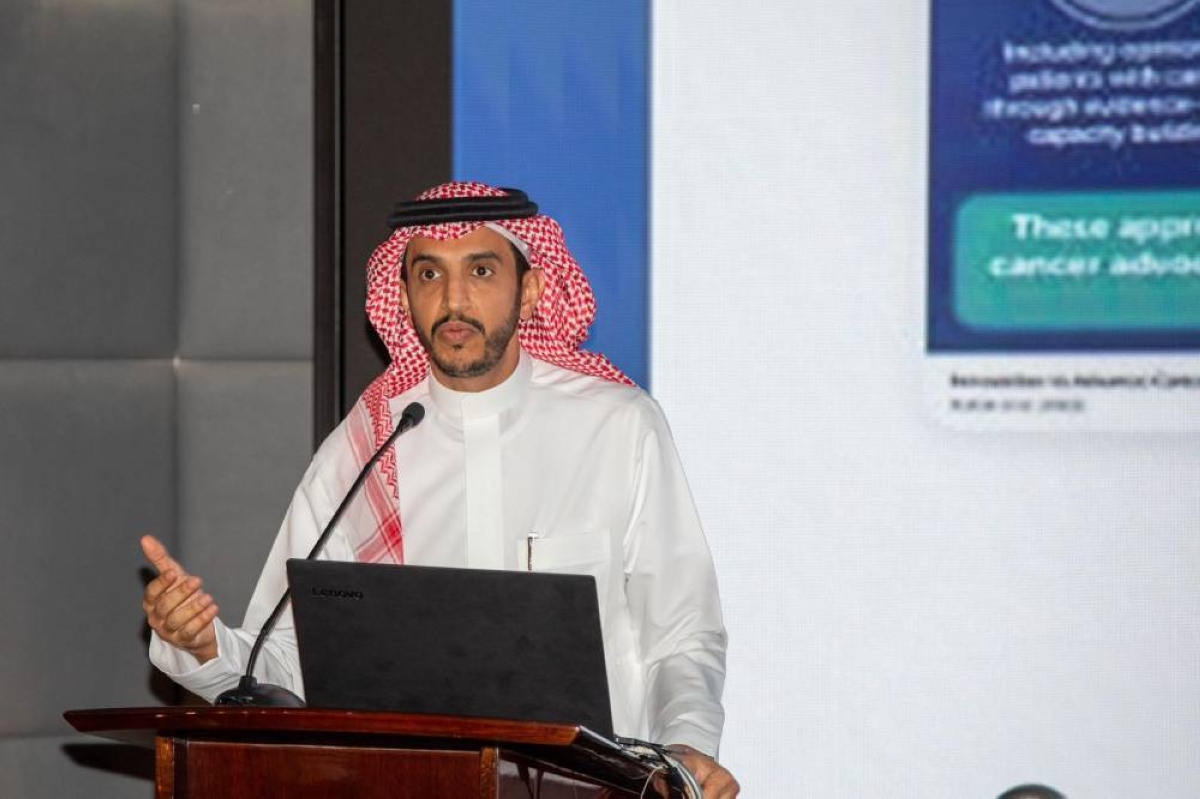
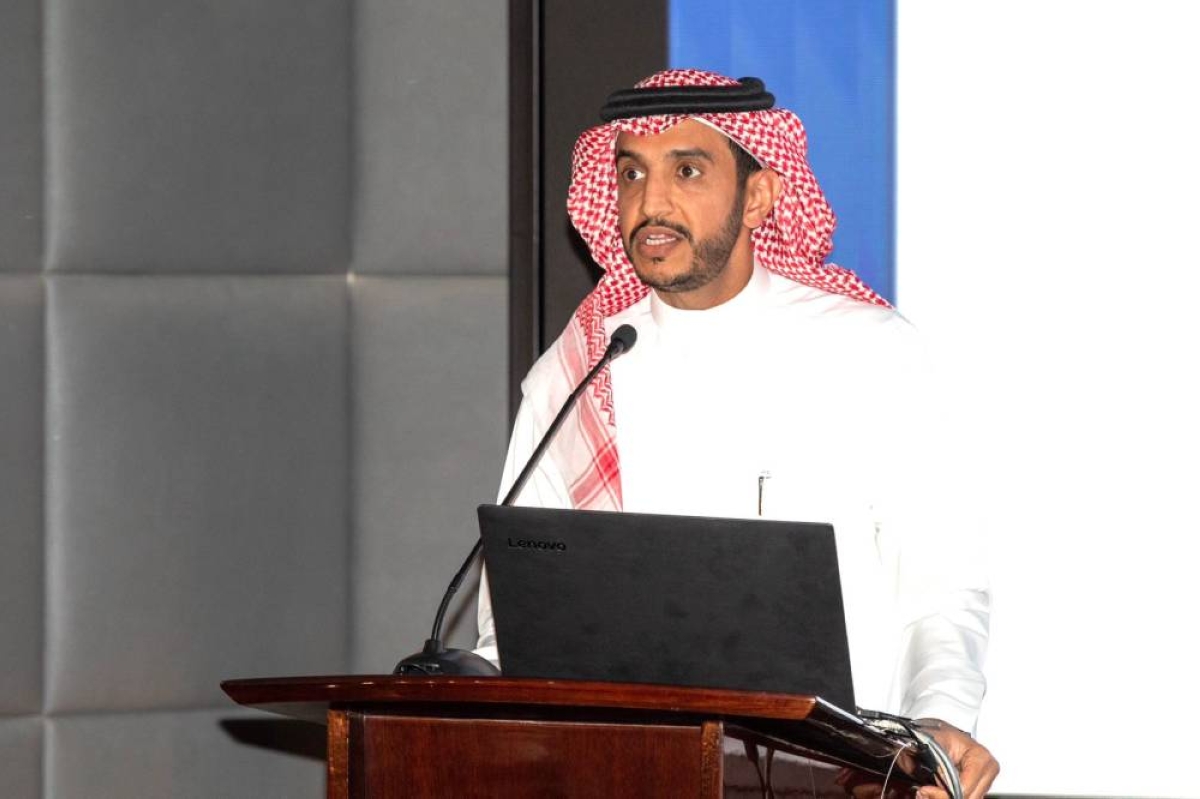
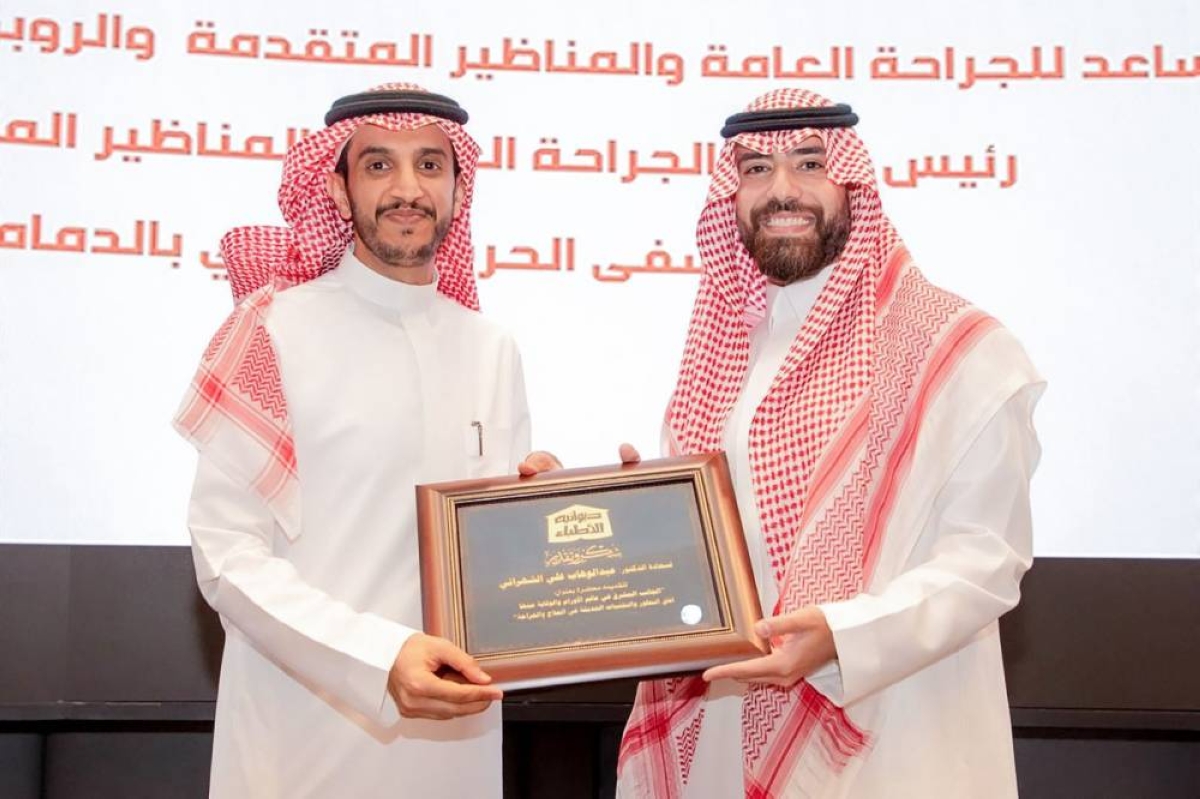
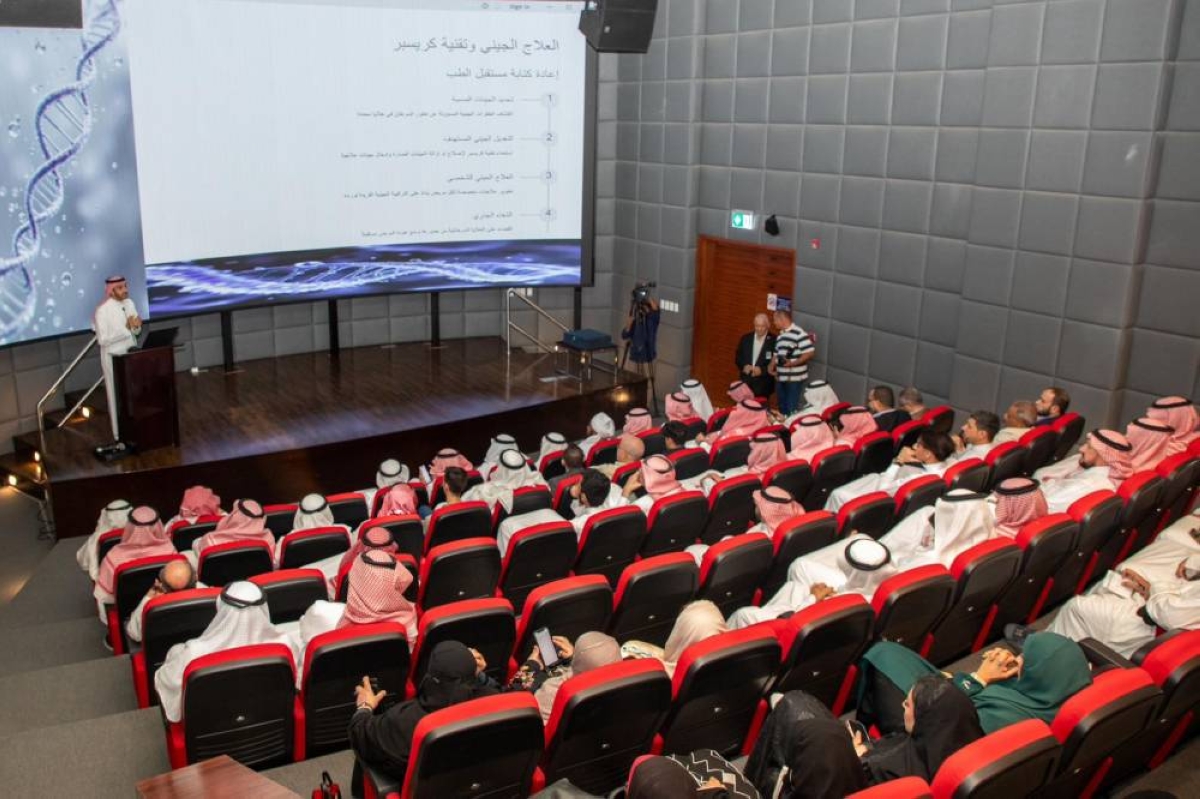
وتناول الدكتور عبدالوهاب، وهو رئيس قسم الجراحة العامة والمناظير والأورام والسمنة بمستشفى الحرس الوطني بالدمام -الإمام عبدالرحمن بن فيصل-، خلال لقاء ديوانية الأطباء رقم 94 مساء أمس بالخبر بعنوان «الجانب المشرق في علاج الأورام والوقاية منها.. آفاق التطور الحديث في العلاج والتقنيات الحديثة»، الطفرة الجينية وعلوم الجينوم في فهم الأورام ورسم الخريطة الجينية للأورام، حيث يمكن للأطباء اليوم تحليل الحمض النووي للخلايا السرطانية بتفاصيل دقيقة، ما يكشف الطفرات المسؤولة عن نمو الورم ويساعد في اختيار العلاج الأنسب لكل مريض، موضحاً أن العلاج الجيني المستهدف نجح في تحويل الأورام القاتلة إلى أمراض مزمنة قابلة للسيطرة في كثير من الحالات.
تقدم التقنية يساعد في القضاء على السرطان
وطمأن الجميع بأن مستقبل القضاء على السرطان مشرق مع تقدم تقنية النانو تكنولوجي والذكاء الاصطناعي والطب التجديدي وتحرير الجينات واللقاحات الوقائية والكشف المبكر، مبيناً أن علاج الأورام الحالي علاج آمن ويماثل أخذ المضادات الحيوية.
الفحص المبكر يزيد معدلات الشفاء 90%
وقال إن الفحص المبكر للسرطان من أهم الإستراتيجيات الطبية الحديثة في مكافحة هذا المرض، وتشير الأدلة العلمية إلى أن الكشف المبكر يمكن أن يزيد معدلات الشفاء بشكل كبير ويقلل من التكاليف العلاجية والمعاناة الإنسانية، لافتاً إلى أن معدلات النجاح في العلاج ترتفع إلى 90% عند الاكتشاف المبكر مقارنة بـ20% في المراحل المتأخرة، مضيفاً أن تقنيات الكشف المبكر المتطورة تنقذ الأرواح من خلال فحوصات دموية متطورة، والذكاء الاصطناعي، والفحوصات السائلة الجينية.
ارتفاع عدد الحالات المصابة بالسرطان بنسبة 47% عام 2040
وكشف الدكتور عبدالوهاب الشهراني أن هناك 19.3 مليون حالة جديدة سنوياً مصابة بنوع من أنواع السرطانات -إحصائية سابقة-، و10 ملايين متوفى بسبب أمراض السرطان، و50 مليون ناجٍ بعد التشخيص. ووفقاً لمنظمة الصحة العالمية يتوقع ارتفاع عدد الحالات المصابة بالسرطان بنسبة 47% بحلول عام 2040، ما يجعل الفحص المبكر ضرورة حتمية لمواجهة هذا التحدي.
التطور بالمملكة لعلاج الأورام
وتناول التطور الهائل في علاج الأورام بالمملكة، حيث تحولت من مُستقبِل للعلاج إلى مُصدِّر للخبرات الطبية المتقدمة على مستوى العالم، والمملكة تعمل على أن تكون من الدول الخمس الأولى على مستوى العالم في مجال الصحة، كما تعمل على إستراتيجية رفع عمر المواطن إلى 75 سنة، والمستهدف أن يكون عام 2030 عاماً خالياً من الأورام.
95 % نسبة شفاء الأطفال من أورام الدم بالمملكة على مستوى العالم
كما نجحت المملكة في الحصول على أعلى نسب نجاح الشفاء التام من أورام الدم للأطفال على مستوى العالم بنسب تتجاوز حاجز 95% من الشفاء التام، وأيضاً حصول المملكة على تقنية CAR-T لعلاج أورام الدم للأطفال عن طريق التعديل الجيني للخلايا التائية بجهاز المناعة للأطفال، وهي من أحدث تقنيات العالم وأعلاها تكلفة.
سرطان القولون والمستقيم
وتناول أيضاً فحص سرطان القولون والمستقيم، وقال: هناك فحص احترازي المفروض أنه يُجرى كل 10 سنوات للأشخاص من 45-75 عاماً في تنظير القولون الكامل، وهناك فحص الدم الخفي، والبراز، فحص سنوي منزلي غير مكلف قلل الوفيات من 15-33% -حسب الدراسات طويلة المدى-، أما التصوير المقطعي للقولون فهو بديل أقل تدخلاً كل 5 سنوات، وهو مناسب للمرضى غير القادرين على التنظير التقليدي، مشيراً إلى دراسة مدعمة بنسبة نجاح الفحص المبكر في تقليل الوفيات، منها دراسة كوكرين التي تقول إن نسبة انخفاض الوفيات في سرطان الثدي 22% بفضل فحص الماموغرام، والفحص المبكر نجح في تقليل الإصابة والوفيات في البلدان المتقدمة بسرطان عنق الرحم بنسبة 68%، وانخفاض الوفيات بسرطان القولون مع الفحص المنتظم –دراسة أمريكية- بنسبة 43%، ملمحاً إلى أن الفحص المبكر المنتظم يمنع 50% من وفيات السرطانات القابلة للفحص –المعهد الوطني الأمريكي للسرطان-، وتؤكد الدراسات الحديثة أن كل دولار يستثمر في برامج الفحص المبكر يوفر من 3-7 دولارات في تكاليف العلاجات المتقدمة.
معوقات الفحص المبكر ومفاهيم خاطئة
وعدد بعض المعوقات في مشروع وبرامج الفحص المبكر، منها: التحديات الاقتصادية، نقص الوعي المجتمعي، عوائق الوصول للخدمات، حيث تشير الإحصاءات إلى أن 40% من السكان في البلدان النامية لا يحصلون على فحوصات السرطان الأساسية بسبب هذه المعوقات، مؤكداً في الوقت نفسه أن هناك مفاهيم خاطئة وشائعة عن الأورام، منها أن أخذ الخزعات يؤدي إلى انتشار المرض، وهذا مفهوم خاطئ عند البعض، وأيضاً استبدال العلاج الطبي للأورام بشكل كامل بالعلاج الشعبي، وهذا خطأ آخر يقع فيه البعض.
ثورة المناظير وجراحة الروبوت معدل نجاحها 95%
وتناول أيضاً الثورة الجراحية في المناظير المتقدمة وجراحات الروبوت الآلي، حيث أكد أن معدل نجاحها بنسبة 95% في الجراحات المعقدة، وتقلل مدة العملية، وتقلل مدة التعافي بنسبة 75% مقارنة بالجراحات التقليدية، كما تقلل فترة البقاء في المستشفيات من 1-5 أيام بدلاً عن 10-12 يوماً.
تميز المملكة في الجراحات
وأوضح الدكتور عبدالوهاب الشهراني أن من ضمن الأمثلة للتميز والسبق اللذين حصلا بالمملكة تحقيقها إنجازاً وطنياً بمستشفى الحرس الوطني بالدمام يتضمن إجراء أعلى عدد من عمليات أورام رأس البنكرياس المتقدمة والمعقدة بالمناظير الدقيقة على مستوى جميع دول الشرق الأوسط كواحد من المراكز المميزة في جراحات أورام الكبد والبنكرياس والقنوات المرارية بالعالم.
واختتم بالتأكيد على رؤية المملكة 2030 في مكافحة الأورام عن طريق الاستثمار في المراكز المتخصصة، ودعم الأبحاث، ورفع كفاءة الكوادر الطبية، والتحول الرقمي، والسجل الوطني للأورام، وتحقيق الريادة في الشرق الأوسط وشمال أفريقيا في علاج الأورام.
The Kingdom is working on a strategy to raise the life expectancy of citizens to 75 years, with the goal of making 2030 a year free of tumors.
The future of cancer eradication is bright with advancements in nanotechnology, artificial intelligence, regenerative medicine, and gene editing.
Dr. Abdulwahab Al-Shahrani, a consultant in general surgery, obesity, advanced endoscopy, robotic surgery, tumor surgeries, and organ transplantation, revealed that immunotherapy has achieved successes, with survival rates for some types of advanced cancers rising from 15% to 50%. Immunotherapy has succeeded in achieving healing rates of up to 80% for some tumors that were previously untreatable. "Not every tumor that appears on the external body is malignant; most of them are benign tumors," he explained, while also noting that technological advancements in tumor treatment, including traditional chemotherapy, targeted therapy, immunotherapy, advanced cellular therapy, advanced radiation therapy, and precision-guided therapy, have reduced the prevalence of side effects from radiation therapy by 60%, with a significant improvement in treatment effectiveness and a reduction in side effects by 85% compared to traditional methods.
During the 94th Doctors' Diwan meeting last night in Khobar, titled "The Bright Side of Tumor Treatment and Prevention... Horizons of Modern Treatment and Technologies," Dr. Abdulwahab, who is the head of the Department of General Surgery, Endoscopy, Tumors, and Obesity at the National Guard Hospital in Dammam - Imam Abdulrahman bin Faisal, discussed genetic mutations and genomics in understanding tumors and mapping the genetic landscape of tumors. Today, doctors can analyze the DNA of cancer cells in precise detail, revealing the mutations responsible for tumor growth and assisting in selecting the most suitable treatment for each patient. He clarified that targeted gene therapy has succeeded in transforming deadly tumors into manageable chronic diseases in many cases.
Technological advancements help in eradicating cancer.
He reassured everyone that the future of cancer eradication is bright with advancements in nanotechnology, artificial intelligence, regenerative medicine, gene editing, preventive vaccines, and early detection, indicating that current tumor treatments are safe and comparable to taking antibiotics.
Early detection increases healing rates by 90%.
He stated that early cancer screening is one of the most important modern medical strategies in combating this disease. Scientific evidence indicates that early detection can significantly increase healing rates and reduce treatment costs and human suffering, noting that success rates in treatment rise to 90% with early detection compared to 20% in late stages. He added that advanced early detection techniques save lives through sophisticated blood tests, artificial intelligence, and liquid genetic tests.
The number of cancer cases is expected to rise by 47% by 2040.
Dr. Abdulwahab Al-Shahrani revealed that there are 19.3 million new cases of various types of cancer annually - according to previous statistics - with 10 million deaths due to cancer diseases, and 50 million survivors post-diagnosis. According to the World Health Organization, the number of cancer cases is expected to rise by 47% by 2040, making early detection an imperative necessity to face this challenge.
Advancements in the Kingdom for tumor treatment.
He discussed the tremendous advancements in tumor treatment in the Kingdom, which has transformed from a recipient of treatment to an exporter of advanced medical expertise worldwide. The Kingdom aims to be among the top five countries globally in the health sector and is working on a strategy to raise the life expectancy of citizens to 75 years, with the goal of making 2030 a year free of tumors.
95% healing rate for children with blood tumors in the Kingdom globally.
The Kingdom has also succeeded in achieving the highest complete healing rates for blood tumors in children globally, exceeding 95% complete healing. Additionally, the Kingdom has obtained CAR-T technology for treating blood tumors in children through genetic modification of T-cells in children's immune systems, which is one of the latest and most expensive techniques in the world.
Colon and rectal cancer.
He also addressed colon and rectal cancer screening, stating that there is a preventive screening that should be conducted every 10 years for individuals aged 45-75 through a full colonoscopy. There is also a hidden blood test and a stool test, which is an inexpensive annual home test that has reduced mortality by 15-33% according to long-term studies. Meanwhile, CT colonography is a less invasive alternative every 5 years, suitable for patients unable to undergo traditional colonoscopy. He pointed to studies supporting the success rate of early detection in reducing mortality, including a Cochrane study that states that mortality rates in breast cancer have decreased by 22% thanks to mammography screening, and early detection has successfully reduced incidence and mortality in developed countries for cervical cancer by 68%, and a 43% reduction in colon cancer mortality with regular screening - according to an American study - indicating that regular early screening prevents 50% of deaths from detectable cancers - according to the American National Cancer Institute. Recent studies confirm that every dollar invested in early screening programs saves between 3-7 dollars in advanced treatment costs.
Barriers to early screening and misconceptions.
He listed some barriers in early screening projects and programs, including economic challenges, lack of community awareness, and access barriers to services. Statistics indicate that 40% of the population in developing countries do not receive basic cancer screenings due to these barriers. He emphasized that there are also common misconceptions about tumors, such as the belief that taking biopsies leads to disease spread, which is a misunderstanding held by some, as well as the complete replacement of medical treatment for tumors with alternative remedies, which is another mistake made by some.
The revolution of endoscopy and robotic surgery has a success rate of 95%.
He also discussed the surgical revolution in advanced endoscopy and robotic surgeries, confirming that their success rate is 95% in complex surgeries, reducing operation time and recovery time by 75% compared to traditional surgeries, as well as reducing hospital stays from 1-5 days instead of 10-12 days.
The Kingdom's excellence in surgeries.
Dr. Abdulwahab Al-Shahrani explained that among the examples of excellence and pioneering achievements in the Kingdom is the national achievement at the National Guard Hospital in Dammam, which includes performing the highest number of advanced and complex pancreatic tumor surgeries using precise endoscopic techniques, making it one of the distinguished centers for liver, pancreatic, and biliary tumor surgeries in the world.
He concluded by emphasizing the Kingdom's Vision 2030 in combating tumors through investment in specialized centers, supporting research, enhancing the efficiency of medical staff, digital transformation, a national cancer registry, and achieving leadership in the Middle East and North Africa in cancer treatment.