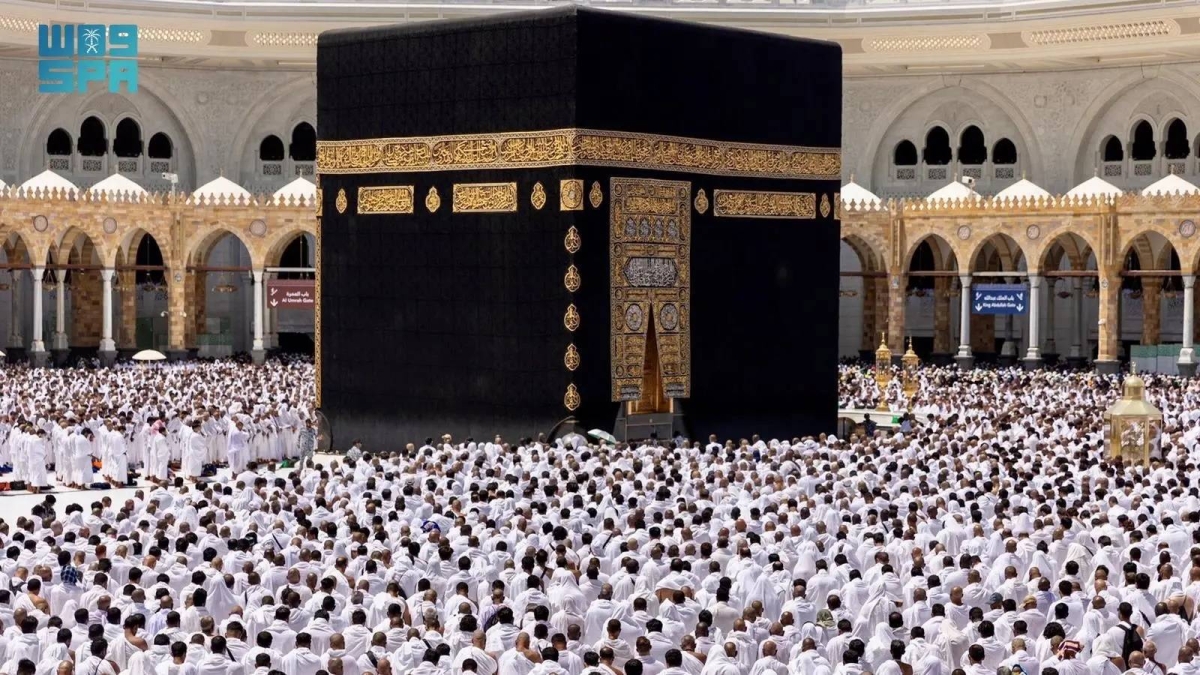
أوصى إمام وخطيب المسجد الحرام الشيخ الدكتور ياسر بن راشد الدوسري المسلمين بتقوى الله عز وجل، فإنها سر الحياة الرضية، وعماد العيشة الهنية، وبها تنال الرحمات، وتستدر البركات، وتستجلب الخيرات.
وقال في خطبة الجمعة التي ألقاها اليوم في المسجد الحرام: «إنَّ من أعظم نعم الله على عباده أن يمنحهم أوطانًا يأمنون في أرجائها، وبلادًا يَنْعَمُونَ في ربوعها، فالوطن منة من جلائل المنن، وعطية لا تُقَدَّر بثمن، وحبه مركوز في الفطر، وكل ذلك في الكتاب والسنة مستطر، فقد ربط الله بين حب النفس وحب الأوطان، وقرن الجلاء عن البلاد بفوات الأبدان».
سيرة الرسول في حب الأوطان
وأوضح أنَّ في سيرة رسول الله- صلى الله عليه وسلم- أبهى الصور وأسماها في حب الأوطان، فهذا النبي- صلى الله عليه وسلم- عندما ابتلي بترك وطنه، وقف بالحَزْوَرَةِ وَهُوَ عَلَى راحلته يخاطب مكة قائلًا: «وَاللَّهِ إِنَّكِ لَخَيْرُ أَرْضِ اللَّهِ، وَأَحَبُّ أَرْضِ اللَّهِ إلى الله، ولولا أَنِّي أُخْرِجْتُ مِنْكِ مَا خَرَجْتُ».
وبين الشيخ ياسر الدوسري أن حب الوطن غريزة متأصلة في النفوس، تجعل الإنسان يستريح إلى البقاء فيه، ويحنّ إليه إذا غاب عنه، وأن من الدلائل الشرعية على حب الأوطان أنَّ النبي- صلى الله عليه وسلم- حينما استوطن المدينة دعا ربَّهُ أَنْ يَرْزُقَهُ حُبَّها، فحب مكة فطرة لأنها وطنه، أما حب المدينة فمنحة وهبة.
وقال الشيخ ياسر الدوسري «إذا كان حب الوطن مما جُبِلَتْ عليه النفوس وفُطِرَتْ عليه القلوب، فكيف إذا كان الأمر متعلقًا بهذا الوطن المبارك الذي اختاره الله تعالى مهبطًا للوحي والقرآن وشرفه ببيته الحرام، فكان قبلة للمسلمين ومنارة للعلم، ومأرزًا للإيمان، ومَنَّ الله عليه أن جَعَلَهُ على الجادة من توحيد الله وإخلاص العبادة له، واجتماع الكلمة ووحدة الصف، واستخلف عليه ولاة أمر موحدين مُصْلِحِينَ، وألبسه لباس الأمن والأمان، وفتح عليه أبواب الرزق والإنعام، أَلَمْ تَرَوْا أَنَّ إبراهيم عليه السَّلامُ دَعَا لِمَكَّةَ بسعة الرزق والأمانِ».
مشروعية حب الوطن
ولفت إمام وخطيب المسجد الحرام إلى أنه لما كان حب الوطن أمرًا جبليًا وشرعيًا، وأدبًا في ديننا مرعيًا أحاطت الشريعة هذا الحب بحقوق وواجبات؛ رعاية لمصالح الدين والدنيا، وأن أول تلك الحقوق وأولاها: التذكير بأهمية شكر الله تعالى على نعمة الوطن، فبالشكر تدوم النعم، وثانيها: التأكيد على مشروعية حب الوطن والانتماء إليه، والدفاع عنه، لا سيما هذه البلاد المباركة؛ لأنها قبلة المسلمين، ومهوى أفئدتهم؛ فالدفاع عنها دفاع عن الدين والمقدسات، وأمنها أمن للمسلمين، واستقرارها استقرار للناس أجمعين، وثالثها: ترسيخ مفهوم السمع والطاعة لولاة أمرنا ولزوم الجماعة، فقد تقرر عند أهل السنة وعلم بالضرورة من دين الإسلام أنه لا دين إلا بجماعة، ولا جماعة إلا بإمامة، ولا إمامة إلا بسمع وطاعة، ورابعها الوصية بملازمة العلماء الربانيين الراسخين، فملازمتهم والاستنارة بآرائهم سداد في الرأي، وتحقيق للمصالح، ودرء للمفاسد، ودحض شبه المرجفين وأكاذيب المغرضين.
فقد العلماء أعظم المصائب
وشدد على أن من أعظم المصائب وقعًا، وأشدها خطبًا، فقد العلماء العاملين، أمة الإسلام بوفاة عالم من علمائها الراسخين، وعلم من أعلامها الربانيين، الداعية إلى الله تعالى على علم وبصيرة، المجاهد في سبيل الحق والهدى، وهو المفتي العام للمملكة، ورئيس هيئة كبار العلماء، العلامة الشيخ عبدالعزيز بن عبدالله آل الشيخ، الذي قضى عمره في خدمة الدين والعلم والوطن؛ فإن فقده مصاب أليم، وحادث جلل على أمة الإسلام. تغمده الله بواسع رحمته، وأسكنه فسيح جناته، وبوأه منازل الأبرار مع النبيين والصديقين والشهداء والصالحين، وحسن أولئك رفيقًا، وجزاه الله عما قدم للإسلام والمسلمين خير الجزاء، وعوض الله المسلمين بفقده خيرًا، لافتًا إلى أن مما يهون وقع المصاب ومرارة الحزن أن الله تعالى مكن لهذا الدين، وقيض له علماء مخلصين، وفقهاء بصيرين، ولا سيما علماء هذه البلاد المباركة، يحملون رسالة الإسلام، ويدعون إلى دين الله على علم وبصيرة، فبارك الله تعالى في حياتهم، وسدد على طريق الحق خطاهم، ومن على الجميع بالصبر والاحتساب في الفقيد.
وبين الشيخ ياسر الدوسري أن خامس الحقوق والواجبات تعزيز الأمن الفكري والوعي المجتمعي لحماية الناس وتحصينهم من العقائد الفاسدة، والأفكار المنحرفة، والجماعات المتطرفة، التي تسعى لشق عصا الطاعة، وتفريق الكلمة، وإفساد النشء والشباب، وتوهين قوى المجتمع، مؤكدًا أن المناعة الفكرية للمجتمع لا تتحقق إلا بالعناية بالعلم والتسلح بالوعي، تحصينًا للنفوس من الشبهات والشهوات، وصيانة للعقول من الأراجيف والافتراءات، ووقاية للأبدان من الآفات والمخدرات، ليكون الناس بذلك سدًا منيعًا في وجه كل من يحاول زعزعة الوطن وأمنه واستقراره، وسادسها: الحث على احترام أنظمة الوطن وقوانينه، والحفاظ على أرضه ومقدراته، والإسهامات الفاعلة في تحقيق رؤيته وتطلعاته، كل في مكانه ومجاله، فالمواطنة الصالحة ليست مجرد كلماتٍ تُردَّد، ولا شعارات تُرفع، بل هي إخلاص وولاء، وقيم ومبادئ، وواجب ديني والتزام أخلاقي يدفع الإنسان إلى العمل الجاد الذي يحقق رفعة وطنه ورقيه وازدهاره.
خطبة المسجد النبوي
وفي خطبة المسجد النبوي تحدّث الشيخ الدكتور عبدالله بن عبدالرحمن البعيجان عن الغفلة، واتباع هوى النفس، والانغماس في ملذاتها، مبينًا أن ذلك من مسالك الشيطان التي تضيع بها الأوقات والأعمار، وتقود إلى غفلة القلب، والإعراض عن ذِكر الله وطاعته، والوقوع في المعاصي والمُهلكات، وخسران الدنيا والآخرة.
وأوضح الشيخ الدكتور عبدالله البعيجان في خطبة الجمعة اليوم من المسجد النبوي، أن النفس بِطبعها أمّارةٌ بالسوء، ميّالة إلى الهوى، طموحةٌ إلى الشّهوات والملذّات، كسولة عن الطاعات وفعل الخيرات، بطبعها مُتغيّرة، وأحوالها متقلبة، تتأثر بالمواقف والأحداث المتنوعة، والأحوال والظروف المتباينة، ولذا فهي بحاجة دائمة إلى الرعاية والمراقبة، والتهذيب والتزكية والمتابعة، كما أن القلوب سريعة التقلُّب والتبدُّل، كثيرة التغيُّر والتحوُّل، قال تعالى: «وَأَمَّا مَنْ خَافَ مَقَامَ رَبِّهِ، وَنَهَى النَّفْسَ عَنِ الْهَوَى فَإِنَّ الْجَنَّةَ هِيَ الْمَأْوَى».
أعظم المصائب
وبيّن أن الغفلة من أعظم المصائب التي يُبتلى بها الإنسان في حياته مصيبة تضيّع عُمُره، وتُبدّد وقته، وتُهدر طاقته، وتُميت قلبه، وتحجِبُ عنه كل خير ومرغوب، وتمنعُه من كل مطلوب، مبينًا أن الغفلة هي الإعراض عن تقوى الله وطاعته، وعن الهدف الذي خلقنا الله من أجله، وعن الاستعداد للقاء الله وحسابه، وهي الإهمال وعدم المُبالاة بما يجب على الإنسان، والنِّسيان لما خُلق العبد من أجله، فتضيع بسببها الطاقات، وتُهدر الأوقات، وتفنى الأعمار فيما لا ينفع، فالغفلة مُصيبة عُظمى، وطامةٌ كبرى، تصدُّ الإنسان عن ربّه، وتقطعهُ عن دربه، وتُلهيه بذنبه، فلا يبالي بما يُحيط به من كربٍ أو عقوبة.
وذكر، أن الغفلة بحرٌ مُظلمٌ، وموجٌ متلاطمٌ، لن ينجو منه إلا الحذرون، قال الله تعالى:، «يَعْلَمُونَ ظهرًا مِنَ الْحَيَاةِ الدُّنْيَا وَهُمْ عَنِ الْآخِرَةِ هُمْ غَافِلُونَ» وقال جلّ وعلا: «أَوَلَمْ يَتَفَكَّرُواْ فِي أَنفُسِهِم ۗ مَّا خَلَقَ ٱللَّهُ ٱلسَّمَٰوَٰتِ وَٱلْأَرْضَ وَمَا بَيْنَهُمَآ إِلَّا بِٱلْحَقِّ وَأَجَلٍۢ مُّسَمًّى ۗ وَإِنَّ كَثِيرًا مِّنَ ٱلنَّاسِ بِلِقَآءِ رَبِّهِمْ لَكَٰفِرُونَ».
وحذّر إمام وخطيب المسجد النبوي من استدراج الشيطان للإنسان بالغفلة، فينتهي به إلى هاوية البُعدِ عن الله، من التفريط في السُّنن والكسل عن المندوبات إلى تركِ الواجبات، ومن الإدمان على المكروهات إلى اقتحام المُحرّمات، ومن عدم المبالاة والاكتراث بصغائر الذنوب والسيئات إلى اقتراف الموبقات المُهلكات، داعيًا إلى دفع الغفلة، وعدم الاستسلام لها، وعدم الاسترسال في طريقها، وإلى إحياء القلوب بِذِكر الله تبارك وتعالى وتقواه، والحذر من غفلة القلب وقسوته، قال تعالى: «وَاذْكُر رَّبَّكَ فِي نَفْسِكَ تَضَرُّعًا وَخِيفَةً وَدُونَ الْجَهْرِ مِنَ الْقَوْلِ بِالْغُدُوِّ وَالْآصَالِ وَلَا تَكُن مِّنَ الْغَافِلِينَ».
وأوضح الشيخ الدكتور عبدالله البعيجان، أن وساوس الشيطان أمرٌ مُقدّرٌ، والنِّسيان والتّكاسُل قد يصدُر عن ضَعفِ البشر، لكن المُداومة على ذلك، والاسترسال فيه غفلةٌ وخطر، مبينًا أن المؤمن إذا غشيته غفلةٌ، فعليه أن يُبادر بالعودة إلى ربه، وأن يستغفر من ذنبه، وأن يستعيذ بالله من الشيطان ويدفعُ وساوسه، ويوقظ قلبه من غفلته، قبل أن يتمكّن منه الشيطان، إذ قال الله تعالى: «وَإِمَّا يَنزَغَنَّكَ مِنَ الشَّيْطَانِ نَزْغٌ فَاسْتَعِذْ بِاللَّهِ إِنَّهُ سَمِيعٌ عَلِيمٌ إِنَّ الَّذِينَ اتَّقَوْا إِذَا مَسَّهُمْ طَيفُ مِنَ الشَّيْطَانِ تَذَكَّرُوا فَإِذَا هُم مُّبْصِرُونَ وَإِخْوَانُهُمْ يَمُدُّونَهُمْ فِي الْغَيِّ ثُمَّ لَا يُقْصِرُونَ».
الغفلة أعظم البلاء
ووصف الغفلة، بأنها من أعظم البلاء، متى استحكمت في قلبِ العبد، أفسدت عليه دينه ودنياه، فهي سِترة عن البصيرة، وحجابٌ عن الحقّ، وسببٌ مُباشرٌ لضياع العمر، وتفويت الخيرات، تجدُ صاحبها يؤجِّل التوبة، ويؤخِّر الطّاعة، ويظنُّ أن أمامهُ مُتّسعًا، وهو لا يدري أن الأعمار تمضي، والأيام تُطوى، والفُرص لا تعود، مبينًا أن من أهم أسباب الغفلة عدمُ مُراقبةِ الله، وعدمُ الاستعداد للقائِه، قال الله تعالى: «إِنَّ الَّذِينَ لَا يَرْجُونَ لِقَاءَنَا وَرَضُوا بِالْحَيَاةِ الدُّنْيَا وَاطْمَأَنُّوا بِهَا وَالَّذِينَ هُمْ عَنْ آيَاتِنَا غَافِلُونَ أولَئِكَ مَأْوَاهُمُ النَّارُ بِمَا كَانُوا يَكْسِبُونَ».
وأضاف، أن من أهم أسباب الغفلة الفراغ، وعدم الاهتمام والتقدير للوقت، فيعيشُ الإنسانُ دون هدف، كما أن من أهم أسباب الغفلة مُصاحبةُ الغافلين، ومُخالطة الّلاهين، فالإنسان بِطبعِه يتأثر بمن يُخالطهم، ويأنسُ بمن يُجالسهم، ولهذا أمر الله نبيه فقال: «وَاصْبِرْ نَفْسَكَ مَعَ الَّذِينَ يَدْعُونَ رَبَّهُم بِالْغَدَاةِ وَالْعَشِيِّ يُرِيدُونَ وَجْهَهُ ۖ وَلَا تَعْدُ عَيْنَاكَ عَنْهُمْ تُرِيدُ زِينَةَ الْحَيَاةِ الدُّنْيَا ۖ وَلَا تُطِعْ مَنْ أَغْفَلْنَا قَلْبَهُ عَن ذِكْرِنَا وَاتَّبَعَ هَوَاهُ وَكَانَ أَمْرُهُ فُرُطًا».
وبيّن إمام وخطيب المسجد النبوي أن من أعظم أبواب الغفلة في هذا الزمان الانشغالُ بالأجهزة والشاشات، وقضاء الأوقات في الّلهو والمُغريات، والتعلُّق بما يُبثّ فيها من فِتنٍ وشهوات، فكم من قلبٍ أظلم بسبب ما يرى، وكم من وقتٍ ضاع في متابعة ما لا يُرضي الله، حتى أصبح كثيرٌ من الناس لا يجد وقتًا لقراءة القرآن، ولا لحضور مجالس علمٍ، ولا لمناجاة الله في خلواته، وقد حذّرنا الله من هذه الحال، فقال سُبحانه: «اقْتَرَبَ لِلنَّاسِ حِسَابُهُمْ وَهُمْ فِي غَفْلَةٍ مُعْرِضُونَ مَا يَأْتِيهِم مِّن ذِكْرِ مِن رَّبِّهِم مُحْدَثٍ إِلَّا اسْتَمَعُوهُ وَهُمْ يَلْعَبُونَ، لَاهِيَةً قُلُوبُهُمْ».
وأوضح الشيخ الدكتور عبدالله البعيجان أن أفضل وسيلة ومُعين على التخلُّصِ من الغفلة، تقوى الله عزّ وجلّ، والإقبال الصادق عليه، والمُبادرة بالتوبة، والإقلاع عن المعاصي، وردّ الحقوق والتبعات، والاجتهاد في الدعاء، ومُجاهدة النفس بحزمٍ ومُحاسبتها، مذكرًا أن الكيّس من دان نفسه وحاسبها، وعمل لما بعد الموت، والعاجز من أتبعَ نفسه هواها، وتمنى على الله الأماني.
وختم الخطبة، مذكرًا أن من أعظمِ المصائب وقعًا، وأشدّها خطبًا، فقدُ العُلماء، وقد أصيبت أُمة الإسلام بوفاة أحد أعلام الأُمة الكِبار، والدُّعاةُ الأخيار، الشيخ عبدالعزيز بن عبد الله آل الشيخ مُفتي هذه الديار الذي عاش حياته (رحمه الله) في خدمة الإسلام والمسلمين، وكان له دورٌ بارزٌ في الإفتاء، وإرشاد الأمة وتوجيهها، ونشر العلم، حاملًا همّ الدين، موجهًا للناس، حريصًا على جمع الكلمة، ووحدة الصفّ، سائلًا الله أن يتغمّده بواسع رحمته، وأن يجعله في عليين مع النبيين والصديقين والشهداء والصالحين.
The Imam and preacher of the Grand Mosque, Sheikh Dr. Yasser bin Rashid Al-Dosari, advised Muslims to fear Allah, for it is the secret to a satisfying life, the foundation of a happy existence, and through it, one attains mercy, attracts blessings, and brings forth goodness.
In the Friday sermon he delivered today at the Grand Mosque, he said: “One of the greatest blessings of Allah upon His servants is to grant them homelands where they feel safe, and countries where they enjoy their lives. The homeland is a gift from the greatest gifts, a donation that cannot be valued with a price, and its love is ingrained in human nature. All of this is documented in the Quran and Sunnah, as Allah has linked the love of oneself with the love of homelands and has associated exile from one’s land with the loss of one’s body.”
The Prophet's Example in Loving Homelands
He clarified that in the life of the Messenger of Allah—peace be upon him—there are the most beautiful and noble examples of love for homelands. This Prophet—peace be upon him—when he was tested by being forced to leave his homeland, stood at Al-Hazwarah on his mount addressing Mecca, saying: “By Allah, you are the best land of Allah and the most beloved land of Allah to Allah. If it were not for the fact that I was expelled from you, I would not have left.”
Sheikh Yasser Al-Dosari indicated that love for one’s homeland is an inherent instinct within souls, making a person feel at ease in staying there and longing for it when absent. Among the legal evidences for love of homelands is that the Prophet—peace be upon him—when he settled in Medina, prayed to his Lord to grant him love for it. The love for Mecca is innate because it is his homeland, while the love for Medina is a gift and a blessing.
Sheikh Yasser Al-Dosari said, “If love for the homeland is something that souls are created with and hearts are naturally inclined towards, how much more so when it pertains to this blessed homeland that Allah chose as the place of revelation and the Quran, and honored with His Sacred House? It is the qibla for Muslims, a beacon of knowledge, a stronghold of faith, and Allah has bestowed upon it the path of monotheism and sincere worship of Him, the unity of words, and the gathering of ranks. He appointed righteous, unifying leaders over it, clothed it in security and safety, and opened upon it the doors of sustenance and blessings. Did you not see that Ibrahim—peace be upon him—prayed for Mecca for abundance of sustenance and safety?”
The Legitimacy of Loving One's Homeland
The Imam and preacher of the Grand Mosque pointed out that since love for one’s homeland is an innate and legal matter, and an etiquette in our religion that is observed, the Sharia has surrounded this love with rights and duties to safeguard the interests of both religion and worldly life. The first of these rights is the reminder of the importance of thanking Allah for the blessing of the homeland, for through gratitude, blessings endure. The second is the affirmation of the legitimacy of loving the homeland, belonging to it, and defending it, especially this blessed land, as it is the qibla for Muslims and the focus of their hearts. Defending it is defending the religion and the sacred, its security is the security of Muslims, and its stability is the stability of all people. The third is the establishment of the concept of obedience to our leaders and adherence to the community, as it has been established among the people of Sunnah and is known by necessity in the religion of Islam that there is no religion without a community, no community without leadership, and no leadership without obedience. The fourth is the advice to be close to the steadfast, God-fearing scholars, as being close to them and enlightening oneself with their opinions is a means of sound judgment, achieving interests, warding off evils, and refuting the doubts of the alarmists and the lies of the malicious.
The Loss of Scholars is the Greatest Calamity
He emphasized that one of the greatest calamities and the most severe tragedies is the loss of working scholars. The Muslim Ummah has suffered the loss of a scholar among its steadfast scholars, a luminary among its God-fearing, a caller to Allah with knowledge and insight, a fighter in the path of truth and guidance, the Grand Mufti of the Kingdom, and the Chairman of the Council of Senior Scholars, Sheikh Abdulaziz bin Abdullah Al Sheikh, who spent his life serving the religion, knowledge, and the homeland. His loss is a painful affliction and a great tragedy for the Muslim Ummah. May Allah envelop him in His vast mercy, grant him a place in His spacious gardens, and elevate him to the ranks of the righteous alongside the prophets, the truthful, the martyrs, and the righteous. May Allah reward him for what he has offered to Islam and Muslims with the best reward, and may Allah compensate the Muslims for his loss with goodness. He pointed out that what eases the impact of the calamity and the bitterness of sorrow is that Allah has empowered this religion and provided it with sincere scholars and insightful jurists, especially the scholars of this blessed land, who carry the message of Islam and call to the religion of Allah with knowledge and insight. May Allah bless their lives, guide their steps on the path of truth, and grant everyone patience and reward in the face of the loss.
Sheikh Yasser Al-Dosari explained that the fifth right and duty is to enhance intellectual security and community awareness to protect people and fortify them against corrupt beliefs, deviant ideas, and extremist groups that seek to disrupt obedience and divide the community, corrupt the youth, and weaken the community's strength. He emphasized that the intellectual immunity of the community can only be achieved through care for knowledge and equipping oneself with awareness, fortifying souls against doubts and desires, safeguarding minds from rumors and fabrications, and protecting bodies from ailments and drugs, so that people become a strong barrier against anyone attempting to undermine the homeland and its security and stability. The sixth is the encouragement to respect the homeland's systems and laws, to preserve its land and resources, and to actively contribute to achieving its vision and aspirations, each in their place and field. Good citizenship is not merely words to be repeated or slogans to be raised, but it is sincerity and loyalty, values and principles, a religious duty and a moral commitment that drives a person to work diligently to achieve the elevation, advancement, and prosperity of their homeland.
The Sermon of the Prophet's Mosque
In the sermon at the Prophet's Mosque, Sheikh Dr. Abdullah bin Abdulrahman Al-Baijan spoke about heedlessness, following one's desires, and indulging in pleasures, explaining that these are paths of the devil that waste time and lives, lead to the heedlessness of the heart, turning away from the remembrance of Allah and obedience to Him, and falling into sins and destructive actions, resulting in the loss of this world and the Hereafter.
Sheikh Dr. Abdullah Al-Baijan clarified in the Friday sermon today from the Prophet's Mosque that the soul, by its nature, is inclined to evil, drawn to desires, ambitious for pleasures, and lazy about acts of worship and good deeds. By its nature, it is changeable, and its states are fluctuating, affected by various situations and events, and diverse conditions and circumstances. Therefore, it is in constant need of care, monitoring, discipline, purification, and follow-up. Just as hearts are quick to change and transform, they are often subject to fluctuations. Allah, the Almighty, said: “And as for he who fears the position of his Lord and prohibits the soul from [following] desire, indeed, Paradise will be [his] refuge.”
The Greatest Calamities
He indicated that heedlessness is one of the greatest calamities a person can be afflicted with in life, a calamity that wastes their life, squanders their time, depletes their energy, kills their heart, and veils them from all good and desirable things, preventing them from every sought-after goal. He explained that heedlessness is turning away from the fear of Allah and obedience to Him, from the purpose for which Allah created us, and from preparing for the meeting with Allah and His reckoning. It is neglect and indifference to what is required of a person, and forgetting the reason for which a servant was created, leading to wasted energies, squandered time, and lives spent on what is of no benefit. Thus, heedlessness is a great calamity, a major disaster that distances a person from their Lord, cuts them off from their path, and distracts them with their sins, making them indifferent to the troubles or punishments surrounding them.
He mentioned that heedlessness is a dark sea, a tumultuous wave, from which only the cautious will escape. Allah, the Almighty, said: “They know what is apparent of the worldly life, but they, of the Hereafter, are heedless.” And He, the Exalted, said: “Do they not reflect upon themselves? Allah created the heavens and the earth and whatever is between them in truth and for an appointed term. Yet many of the people, in the meeting with their Lord, are disbelievers.”
The Imam and preacher of the Prophet's Mosque warned against the devil's deception of a person through heedlessness, leading them to the abyss of distance from Allah, from neglecting the Sunnahs and being lazy about the recommended acts to abandoning the obligatory ones, from addiction to the disliked to encroaching upon the forbidden, and from indifference and carelessness about minor sins and misdeeds to committing the major destructive sins. He called for pushing away heedlessness, not surrendering to it, and not continuing down its path. He urged the revival of hearts through the remembrance of Allah, the Blessed and Exalted, and His piety, and to be cautious of the heedlessness and hardness of the heart. Allah, the Almighty, said: “And remember your Lord within yourself, humbly and with fear and without loudness in speech, in the mornings and the evenings, and do not be among the heedless.”
Sheikh Dr. Abdullah Al-Baijan explained that the whispers of the devil are a predetermined matter, and forgetfulness and laziness may arise from human weakness. However, persistence in this and indulging in it is heedlessness and danger. He clarified that if a believer is overtaken by heedlessness, they should hasten to return to their Lord, seek forgiveness for their sins, and seek refuge in Allah from the devil, pushing away his whispers and awakening their heart from its heedlessness before the devil gains control over them. Allah, the Almighty, said: “And if an evil whisper comes to you from the devil, then seek refuge in Allah. Indeed, He is Hearing and Knowing. Indeed, those who fear Allah, when an impulse touches them from the devil, remember [Him], and at once they have insight. And their brothers [i.e., the devils] increase them in error; then they do not desist.”
Heedlessness is the Greatest Affliction
He described heedlessness as one of the greatest afflictions; when it takes hold in a servant's heart, it corrupts their religion and worldly life. It is a veil over insight, a barrier to the truth, and a direct cause of wasting life and missing out on goodness. One finds its possessor delaying repentance, postponing obedience, and thinking that they have ample time, while they do not realize that lives pass, days are folded, and opportunities do not return. He explained that one of the most important causes of heedlessness is the lack of monitoring Allah and the lack of preparation for meeting Him. Allah, the Almighty, said: “Indeed, those who do not expect the meeting with Us and are satisfied with the worldly life and feel secure therein, and those who are heedless of Our signs—those are their refuge in the Fire because of what they used to earn.”
He added that one of the most important causes of heedlessness is idleness and a lack of concern and appreciation for time, living without a goal. He also mentioned that one of the main causes of heedlessness is associating with the heedless and mingling with the distracted. A person, by their nature, is influenced by those they associate with and feels comfortable with those they sit with. Therefore, Allah commanded His Prophet, saying: “And keep yourself patient by being with those who call upon their Lord in the morning and the evening, seeking His face. And let not your eyes pass beyond them, desiring adornment of the worldly life. And do not obey one whose heart We have made heedless of Our remembrance and who follows his desire and whose affair is [in] excess.”
The Imam and preacher of the Prophet's Mosque indicated that one of the greatest doors of heedlessness in this time is the preoccupation with devices and screens, spending time in entertainment and temptations, and attachment to what is broadcasted in them of trials and desires. How many hearts have darkened because of what they see, and how much time has been wasted following what does not please Allah, to the extent that many people no longer find time to read the Quran, attend knowledge circles, or converse with Allah in their solitude. Allah has warned us against this state, saying: “The time of reckoning for the people has approached, while they are in heedlessness, turning away. Whenever a reminder comes to them from their Lord, they listen to it while they are playing, and their hearts are heedless.”
Sheikh Dr. Abdullah Al-Baijan explained that the best means and aid to rid oneself of heedlessness is the piety of Allah, the Mighty and Majestic, sincere turning to Him, hastening to repentance, abandoning sins, returning rights and responsibilities, striving in supplication, and firmly struggling against oneself and holding it accountable. He reminded that the wise person is the one who holds themselves accountable and works for what comes after death, while the incapable one is the one who follows their desires and wishes for Allah's promises.
He concluded the sermon by reminding that one of the greatest calamities and the most severe tragedies is the loss of scholars. The Muslim Ummah has been afflicted by the death of one of its great scholars, the good callers, Sheikh Abdulaziz bin Abdullah Al Sheikh, the Mufti of this land, who lived his life (may Allah have mercy on him) serving Islam and Muslims. He played a prominent role in issuing fatwas, guiding and directing the Ummah, and spreading knowledge, carrying the concerns of the religion, directing people, and striving for unity and cohesion. He asked Allah to envelop him in His vast mercy and to place him among the elevated ranks with the prophets, the truthful, the martyrs, and the righteous.