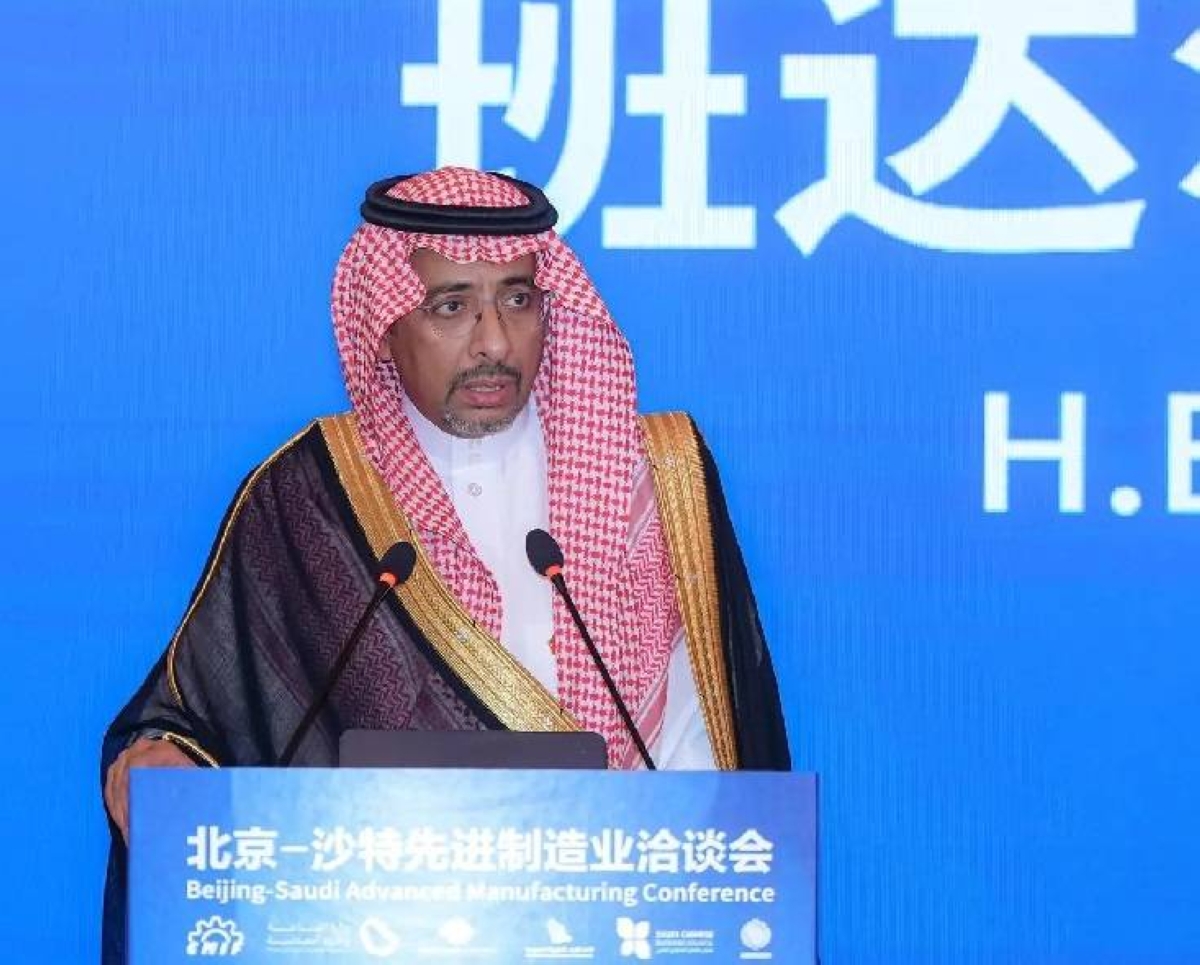
شهد وزير الصناعة والثروة المعدنية بندر بن إبراهيم الخريِّف، خلال مشاركته في ملتقى الأعمال السعودي - الصيني الذي انعقد في العاصمة الصينية بكين، توقيع (42) اتفاقية استثمارية بين شركات سعودية وصينية، تتجاوز قيمتها (1.74) مليار دولار، وذلك في قطاعات الصناعات المتقدمة، والمركبات الذكية، وحلول الطاقة، والأجهزة الطبية، والمعدات، والموارد المعدنية.
وأشاد الخريِّف، في كلمة له خلال الملتقى الذي نظمه اتحاد الغرف السعودية بمشاركة نحو (200) شركة، وممثلين للقطاعين الحكومي والخاص في البلدين، بالدور المحوري لمجلس الأعمال السعودي - الصيني منذ تأسيسه عام 2006 في تعزيز الشراكات الاستثمارية بين البلدين، وتسهيل استغلال الفرص المتبادلة في مختلف القطاعات، بما يحقق مستهدفات التنمية المستدامة في المملكة والصين.
وأكَّد الخريف، تطور العلاقات الاقتصادية بين البلدين، الذي تعكسه القفزات النوعية في حجم التجارة الثنائية الذي بلغ في عام 2024 نحو (403) مليارات ريال سعودي، أي أكثر من الضعف في أقل من عشر سنوات، مع استمرار المملكة كمورد رئيسي للصين في الوقود والبتروكيماويات والمواد المتقدمة، فيما تبقى الصين أكبر مصدر للمملكة في الآلات والإلكترونيات ومعدات النقل والسلع الاستهلاكية، مع تنوع متزايد يتجاوز السلع التقليدية إلى صناعات عالية القيمة.
وفيما يتعلق بالاستثمارات المتبادلة، أوضح وزير الصناعة والثروة المعدنية، أن الاستثمار الصيني في المملكة نما بنحو 30% خلال عام 2024 ليتجاوز (31) مليار ريال سعودي، مع نمو الاستثمارات في القطاعات الجديدة والواعدة، ومنها التعدين، وصناعة السيارات، والبتروكيماويات، كما تعمل أكثر من (750) شركة صينية في المملكة، بينها شركات تستثمر في مشاريع كبرى مثل: «نيوم»، ومدن صناعية، منها مدينة الجبيل الصناعية ومدينة جازان للصناعات الأساسية والتحويلية، بوصفها مراكز إستراتيجية تتوافق مع مبادرة «الحزام والطريق»، وفي المقابل، يتوسع الاستثمار السعودي في الصين ليتجاوز أكثر من (8) مليارات ريال سعودي، إلى جانب مذكرات تفاهم أبرمها صندوق الاستثمارات العامة مع مؤسسات مالية صينية بقيمة (50) مليار دولار.
ونوّه الخريّف بالتناغم بين «رؤية المملكة 2030» ومبادرة «الحزام والطريق»، حيث تشتركان في تعزيز الترابط وتوسيع التجارة وبناء منظومات صناعية مرنة، موضحًا أن الإستراتيجية الوطنية للصناعة تسهم في التكامل مع المبادرة الصينية عبر تعميق سلاسل القيمة وزيادة الصادرات، ويجري العمل على إنشاء ممرات جديدة لسلاسل الإمداد تربط آسيا بالشرق الأوسط وأفريقيا وأوروبا، بما يعزز دور المملكة بصفتها شريكا رئيسيا للصين، ومركزًا صناعيًا ولوجستيًا عالميًا.
ولفت وزير الصناعة والثروة المعدنية إلى (12) قطاعًا صناعيًّا فرعيًّا تركز على تطويرها الإستراتيجية الوطنية للصناعة، منها قطاعات ترتبط بالأمن الوطني، وصناعات الأغذية والأدوية والصناعات العسكرية، وقطاعات مرتبطة بالمزايا النسبية للمملكة، مثل: المواد الخام والنفط والغاز والمعادن، وميزة الموقع الجغرافي الإستراتيجي الذي يؤهل المملكة لأن تصبح شريكًا مهمًّا للصين لتعزيز نفاذ منتجاتها إلى مختلف أسواق العالم، إلى جانب مجموعة ثالثة من الصناعات ترتبط بتطبيقات الثورة الصناعية الرابعة، والذكاء الاصطناعي والتصنيع بالإضافة، وصناعات المستقبل.
وأوضح وزير الصناعة والثروة المعدنية، أن الإستراتيجية الشاملة للتعدين والصناعات المعدنية تركز على استكشاف الموارد المعدنية بالمملكة، وتعظيم استفادة الاقتصاد الوطني منها، مشيدًا بالشراكة مع هيئة المساحة الجيولوجية الصينية، والتي أسهمت في استكشاف المزيد من الثروات المعدنية بالمملكة.
وأكد الخريف أن الإصلاحات التي أجرتها المملكة لزيادة جاذبية بيئتها الاستثمارية، وتحسين نظام الاستثمار التعديني، وتقليص فترة إصدار التراخيص التعدينية، جعلتها تحقق مكانة متقدمة في قطاع التعدين العالمي، إذ قفزت من المرتبة (104) إلى (23) عالميًّا في مؤشر جاذبية بيئة الاستثمار التعديني.
وشهد الملتقى حضور سفير خادم الحرمين الشريفين لدى جمهورية الصين الشعبية عبدالرحمن الحربي، والرئيس التنفيذي للمركز الوطني للتنمية الصناعية المهندس صالح السلمي، فيما حضره من الجانب الصيني رئيس المجلس الصيني لتعزيز التجارة الدولية تشانغ جيانوي، وعددٌ من قيادات منظومة الصناعة والتعدين في البلدين، وأعضاء مجلس الأعمال السعودي - الصيني.
وتأتي مشاركة وزير الصناعة والثروة المعدنية في ملتقى الأعمال السعودي - الصيني ضمن زيارته الرسمية إلى الصين؛ التي تستهدف تعزيز الروابط الثنائية الاقتصادية، وتطوير الشراكات الإستراتيجية في الصناعة والتعدين، وجذب الاستثمارات النوعية إلى المملكة.
The Minister of Industry and Mineral Resources, Bandar bin Ibrahim Al-Khorayef, witnessed the signing of (42) investment agreements between Saudi and Chinese companies during his participation in the Saudi-Chinese Business Forum held in the Chinese capital, Beijing. The agreements exceed a value of (1.74) billion dollars and cover sectors such as advanced industries, smart vehicles, energy solutions, medical devices, equipment, and mineral resources.
In his speech during the forum organized by the Saudi Chambers Federation with the participation of around (200) companies and representatives from the governmental and private sectors of both countries, Al-Khorayef praised the pivotal role of the Saudi-Chinese Business Council since its establishment in 2006 in enhancing investment partnerships between the two countries and facilitating the exploitation of mutual opportunities across various sectors, achieving the sustainable development goals in both the Kingdom and China.
Al-Khorayef confirmed the development of economic relations between the two countries, reflected in the qualitative leaps in the volume of bilateral trade, which reached about (403) billion Saudi riyals in 2024, more than double in less than ten years. The Kingdom continues to be a major supplier to China in fuel, petrochemicals, and advanced materials, while China remains the largest exporter to the Kingdom in machinery, electronics, transport equipment, and consumer goods, with an increasing diversity that goes beyond traditional goods to high-value industries.
Regarding mutual investments, the Minister of Industry and Mineral Resources explained that Chinese investment in the Kingdom grew by about 30% during 2024, exceeding (31) billion Saudi riyals, with investments in new and promising sectors such as mining, automotive manufacturing, and petrochemicals. More than (750) Chinese companies operate in the Kingdom, including companies investing in major projects such as "NEOM" and industrial cities, including the Jubail Industrial City and the Jazan City for Basic and Transformative Industries, as strategic centers aligned with the "Belt and Road Initiative." In return, Saudi investment in China has expanded to exceed (8) billion Saudi riyals, alongside memorandums of understanding signed by the Public Investment Fund with Chinese financial institutions worth (50) billion dollars.
Al-Khorayef noted the harmony between "Saudi Vision 2030" and the "Belt and Road Initiative," as both aim to enhance connectivity, expand trade, and build flexible industrial systems. He clarified that the national industrial strategy contributes to integration with the Chinese initiative by deepening value chains and increasing exports. Efforts are underway to establish new supply chain corridors linking Asia with the Middle East, Africa, and Europe, enhancing the Kingdom's role as a key partner for China and a global industrial and logistics hub.
The Minister of Industry and Mineral Resources highlighted (12) sub-industrial sectors that the national industrial strategy focuses on developing, including sectors related to national security, food and pharmaceutical industries, military industries, and sectors linked to the Kingdom's comparative advantages, such as raw materials, oil, gas, and minerals, as well as the strategic geographical location that qualifies the Kingdom to become an important partner for China in enhancing access for its products to various global markets. Additionally, a third group of industries is related to applications of the Fourth Industrial Revolution, artificial intelligence, additive manufacturing, and future industries.
The Minister of Industry and Mineral Resources explained that the comprehensive strategy for mining and mineral industries focuses on exploring mineral resources in the Kingdom and maximizing the national economy's benefit from them, praising the partnership with the Chinese Geological Survey, which has contributed to discovering more mineral wealth in the Kingdom.
Al-Khorayef confirmed that the reforms undertaken by the Kingdom to increase the attractiveness of its investment environment, improve the mining investment system, and reduce the time required to issue mining licenses have enabled it to achieve an advanced position in the global mining sector, jumping from (104) to (23) globally in the mining investment environment attractiveness index.
The forum was attended by the Ambassador of the Custodian of the Two Holy Mosques to the People's Republic of China, Abdulrahman Al-Harbi, and the CEO of the National Industrial Development Center, Engineer Saleh Al-Sulami, while the Chinese side was represented by the Chairman of the China Council for the Promotion of International Trade, Zhang Jianwei, along with several leaders from the industrial and mining sectors in both countries and members of the Saudi-Chinese Business Council.
The participation of the Minister of Industry and Mineral Resources in the Saudi-Chinese Business Forum is part of his official visit to China, which aims to enhance bilateral economic ties, develop strategic partnerships in industry and mining, and attract quality investments to the Kingdom.