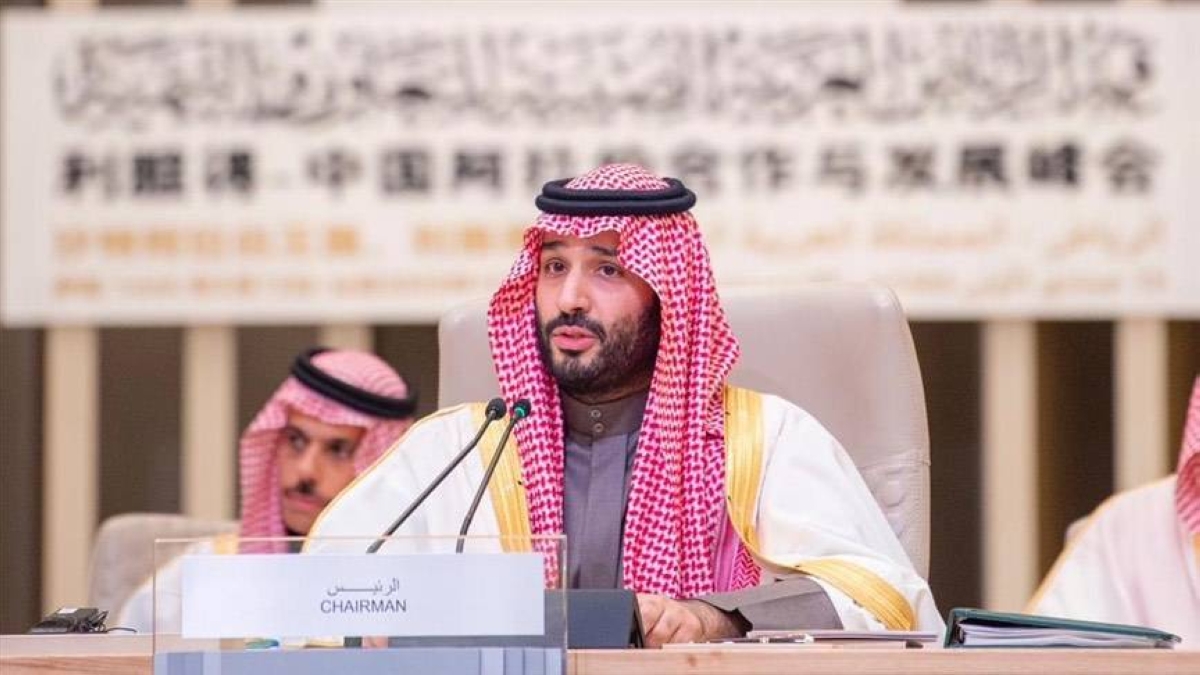
ارتبطت القضية الفلسطينية بالمسار السعودي منذ تأسيس الدولة الأولى على يد الإمام محمد بن سعود، واستمر ذلك النهج في عهد الملك المُوحِّد عبدالعزيز بن عبدالرحمن آل سعود، الذي جعل من فلسطين محورًا ثابتًا في سياساته الخارجية. ومع امتداد العقود، حافظت المملكة على حضورها في الدفاع عن حقوق الشعب الفلسطيني، حتى تحولت اليوم إلى قائد للحراك الدولي الذي يتجه نحو الاعتراف بالدولة الفلسطينية بشكل رسمي.
إرث متجذّر في التاريخ
منذ بدايات الدولة السعودية الحديثة، تبنّى الملك عبدالعزيز موقفًا واضحًا تجاه فلسطين في المؤتمرات العربية والإسلامية. المملكة دعمت أهلها سياسيًا وماليًا، ووفرت غطاءً دبلوماسيًا عزّز حضور القضية في كل المحافل. هذا الإرث أورث للأجيال اللاحقة مسؤولية مضاعفة تجاه فلسطين بصفتها قضيةً مركزيةً.
الدبلوماسية السعودية
الأمير محمد بن سلمان أعاد صياغة الدور السعودي في الساحة الدولية وفق أدوات عصرية، تعتمد على بناء التحالفات الكبرى وصناعة الإجماع. خطوات عملية ظهرت مع انضمام دول غربية مؤثرة مثل بريطانيا، فرنسا، كندا، أستراليا، والبرتغال إلى مسار الاعتراف بفلسطين.
تحركات الرياض شملت لقاءات مباشرة مع زعماء العالم وتنسيقًا متواصلاً مع حلفائها في مجموعة العشرين، هذا الحراك يعكس إرادة سياسية سعودية هدفها ترسيخ الدولة الفلسطينية حقيقةً على الأرض عبر أدوات القانون الدولي والشرعية الأممية.
قيادة الدول العظمى
السعودية سخرت مكانتها الاستراتيجية في الاقتصاد والسياسة والطاقة لتوجيه مسار عالمي جديد. الدول التي كانت مترددة في إعلان مواقفها تقدمت بخطوات واضحة نتيجة جهود مكثفة من الرياض، التي دفعت بالملف الفلسطيني إلى صدارة الأجندة الدولية.
إعلان بريطانيا وكندا وأستراليا اعترافها في توقيت متزامن مثّل انتصارًا للدبلوماسية السعودية.
فرنسا والبرتغال تبنتا الموقف ذاته قبل انعقاد الجمعية العامة للأمم المتحدة، ما حول الموجة إلى تحالف غربي واسع يغيّر قواعد اللعبة السياسية.
الرسالة السعودية
هذا الدور يعكس قدرة المملكة على الجمع بين عمقها العربي والإسلامي وثقلها الدولي. الرياض تؤكد أن السلام لا يتحقق إلا عبر الاعتراف بفلسطين دولة كاملة السيادة، وتعمل على إعادة الاعتراف إلى خانة الإجماع الدولي.
فمن الإمام محمد بن سعود إلى الملك الموحد عبدالعزيز، ثم إلى قيادة خادم الحرمين الشريفين وولي عهده، سارت السعودية على نهج ثابت جعل من فلسطين قضية مركزية في تاريخها السياسي، واليوم تتحول تلك المواقف إلى قوة دبلوماسية تقود العالم نحو اعتراف رسمي بدولة فلسطين، لتسطر المملكة فصلًا جديدًا في دورها القيادي على الساحة الدولية.
The Palestinian cause has been linked to the Saudi path since the establishment of the first state by Imam Muhammad bin Saud, and this approach continued during the reign of the unifier King Abdulaziz bin Abdulrahman Al Saud, who made Palestine a constant focus in his foreign policies. Over the decades, the Kingdom has maintained its presence in defending the rights of the Palestinian people, and today it has transformed into a leader of the international movement towards the official recognition of the Palestinian state.
A Deep-rooted Legacy in History
Since the beginnings of the modern Saudi state, King Abdulaziz adopted a clear stance towards Palestine in Arab and Islamic conferences. The Kingdom supported its people politically and financially, providing diplomatic cover that enhanced the presence of the cause in all forums. This legacy has passed on to subsequent generations a multiplied responsibility towards Palestine as a central issue.
Saudi Diplomacy
Prince Mohammed bin Salman has redefined the Saudi role on the international stage using modern tools, relying on building major alliances and creating consensus. Practical steps emerged with the joining of influential Western countries such as Britain, France, Canada, Australia, and Portugal to the path of recognizing Palestine.
Riyadh's moves included direct meetings with world leaders and continuous coordination with its allies in the G20, reflecting a Saudi political will aimed at establishing the Palestinian state as a reality on the ground through the tools of international law and global legitimacy.
Leadership of Major Powers
Saudi Arabia has harnessed its strategic position in economy, politics, and energy to direct a new global course. Countries that were hesitant to declare their positions have taken clear steps as a result of intensive efforts from Riyadh, which has pushed the Palestinian file to the forefront of the international agenda.
The simultaneous announcement of recognition by Britain, Canada, and Australia represented a victory for Saudi diplomacy.
France and Portugal adopted the same position before the convening of the United Nations General Assembly, turning the wave into a broad Western alliance that changes the rules of the political game.
The Saudi Message
This role reflects the Kingdom's ability to combine its Arab and Islamic depth with its international weight. Riyadh emphasizes that peace can only be achieved through the recognition of Palestine as a fully sovereign state, and it works to restore recognition to the realm of international consensus.
From Imam Muhammad bin Saud to the unifier King Abdulaziz, and then to the leadership of the Custodian of the Two Holy Mosques and his Crown Prince, Saudi Arabia has followed a consistent path that has made Palestine a central issue in its political history. Today, these positions are transforming into a diplomatic force leading the world towards official recognition of the State of Palestine, marking a new chapter in the Kingdom's leadership role on the international stage.