المعهد الملكي للمعماريين البريطانيين يرشح 15 مشروعاً مبتكراً لجوائز العمارة الجديدة
كشف المعهد الملكي للمعماريين البريطانيين «ريبا»، اليوم (الثلاثاء)، أسماء المشاريع الـ15 المرشحة لجائزته الأولى في الشرق الأوسط، والتي تركز على أكثر المشاريع المعمارية الجديدة إبداعًا على الصعيد الاجتماعي في دول مجلس التعاون الخليجي.
تتنوع المشاريع المرشحة للجائزة بين أول مسجد مخصص للنساء في العالم الإسلامي، ومبادرة طموحة لتحويل مطار سعودي سابق إلى أكبر حديقة حضرية في العالم، لتبرز كيف تعيد المنطقة صياغة مستقبلها.
وتشمل هذه المشاريع جهود الحفاظ على أحد أكثر المحميات الطبيعية تنوعًا في دولة الإمارات العربية المتحدة، إلى جانب مركز تجارب صُمّم على الطراز النجدي الأصيل، ما يعكس عمارة ترتكز على الابتكار والاستدامة والهوية الثقافية.
وسيُعلن عن الفائز بالجائزة خلال أسبوع دبي للتصميم في 5 نوفمبر 2025، تليها فعالية مخصصة في السابع من الشهر نفسه.
تشمل القائمة المرشحة أربع دول هي: الإمارات العربية المتحدة، والمملكة العربية السعودية، وقطر، ومملكة البحرين، وتجمع بين معماريين إقليميين ودوليين من دول مجلس التعاون الخليجي، إضافة إلى المملكة المتحدة والولايات المتحدة وألمانيا وسنغافورة واليابان.
وتعرض المشاريع مجموعة متنوعة من المبادرات، بدءاً من المعالم الحضرية التي تغيّر وجه الحياة في المدينة، وصولاً إلى الحلول المبتكرة لمواجهة تغير المناخ وفقدان التنوع البيولوجي، وإعادة توظيف المباني التاريخية، ووجهات ثقافية جديدة وجريئة، إذ تُظهر هذه المشاريع أثر التصميم المعماري في معالجة تحديات واقعية وابتكار مساحات أكثر استدامة وشمولية لمجتمعاتها.
تصميمات صديقة للمناخ
تتجلّى في المشاريع المرشحة حلول مبتكرة لمواجهة تحديات التنوع البيولوجي والتغير المناخي والحفاظ على البيئة. من أبرز الأمثلة: محمية خور كلباء للسلاحف والحياة البرية من تصميم «هوبكنز للعمارة» في القُرم، والتي تتكوّن من مجموعة أجنحة مستديرة تدعم إعادة تأهيل السلاحف والطيور المهددة بالانقراض، وبيت شاي (Arabi-AN) المصنوع من مخلفات الطعام من تصميم «ميتسوبيشي جيشو ديزاين» في دبي، وهو أول مبنى في العالم يستخدم أوراق الشاي والفواكه المجففة لتنشئ مساحات صديقة للبيئة، قابلة للتحلّل والتفكيك، ومركز حديقة بحيص الجيولوجية من تصميم «هوبكنز للعمارة» في سهل المدام، الذي يتألف من خمس كبسولات مترابطة مستوحاة من قنافذ البحر المتحجرة، ليتيح للزوار التواصل مع المناظر الطبيعية القديمة والمقابر التاريخية في المنطقة. وفي الرياض، تُعدّ حديقة الملك سلمان من تصميم «جيربر أركيتكتن»، و«بورو هابولد»، و«سيتك»، مشروعاً طموحاً لإعادة تأهيل موقع مطار سابق وتحويله إلى واحة خضراء بمساحة 16.7 كم² في قلب المدينة، مع التركيز على تجديد التربة الصحراوية، والاستخدام المستدام للمياه، وزراعة نباتات مقاومة لتقلبات المناخ.
مساحات تُعطي الأولوية للإنسان
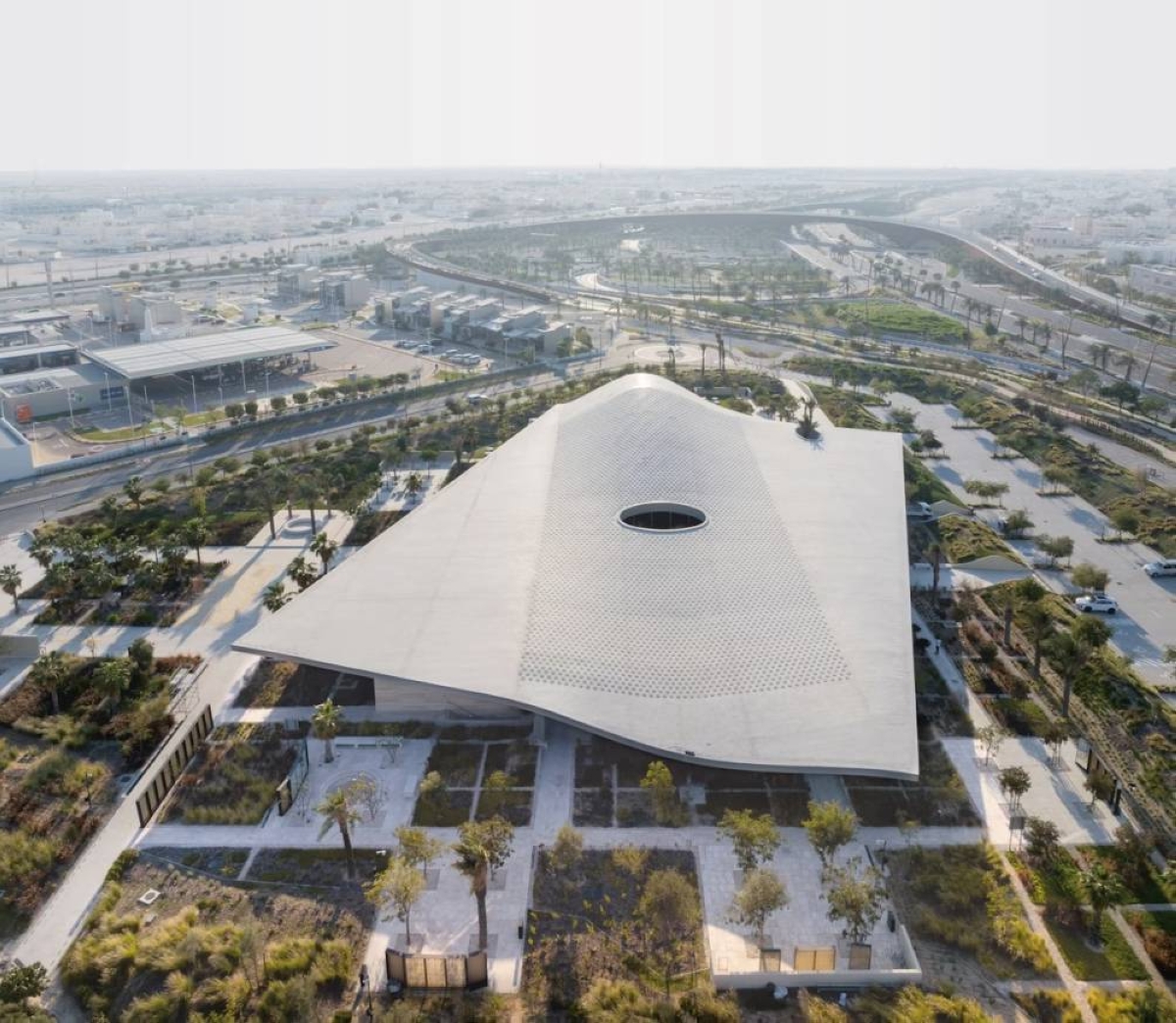
تُسلط الضوء على التصميمات المعمارية التي تركز على صنع بيئات شاملة وذات أثر اجتماعي واضح. من بين أبرز الأمثلة: المجادِلة: مركز ومسجد للمرأة من تصميم «ديلر سكوفيديو + رينفرو» في الدوحة، أول مسجد نسائي عصري في العالم الإسلامي، يتميز بسقف متموج يحوي أكثر من 5000 فتحة توزّع الضوء الطبيعي لخلق أجواء هادئة، ومركز جعفر- كلية دبي من تصميم «غودوين أوستن جونسون» في دبي، مركز تعليم مرن يعتمد على نهج (STEM) ويركّز على ضوء النهار والصوتيات والاستدامة، ومركز وادي صفار من تصميم «دار العمران - راسم بدران» في الرياض، وهو بوابة ثقافية لتطوير وادي صفار، تقدم تجارب معاصرة تفاعلية تبرز التراث والبيئة وأهداف رؤية 2030.
استمرارية الهوية الثقافية
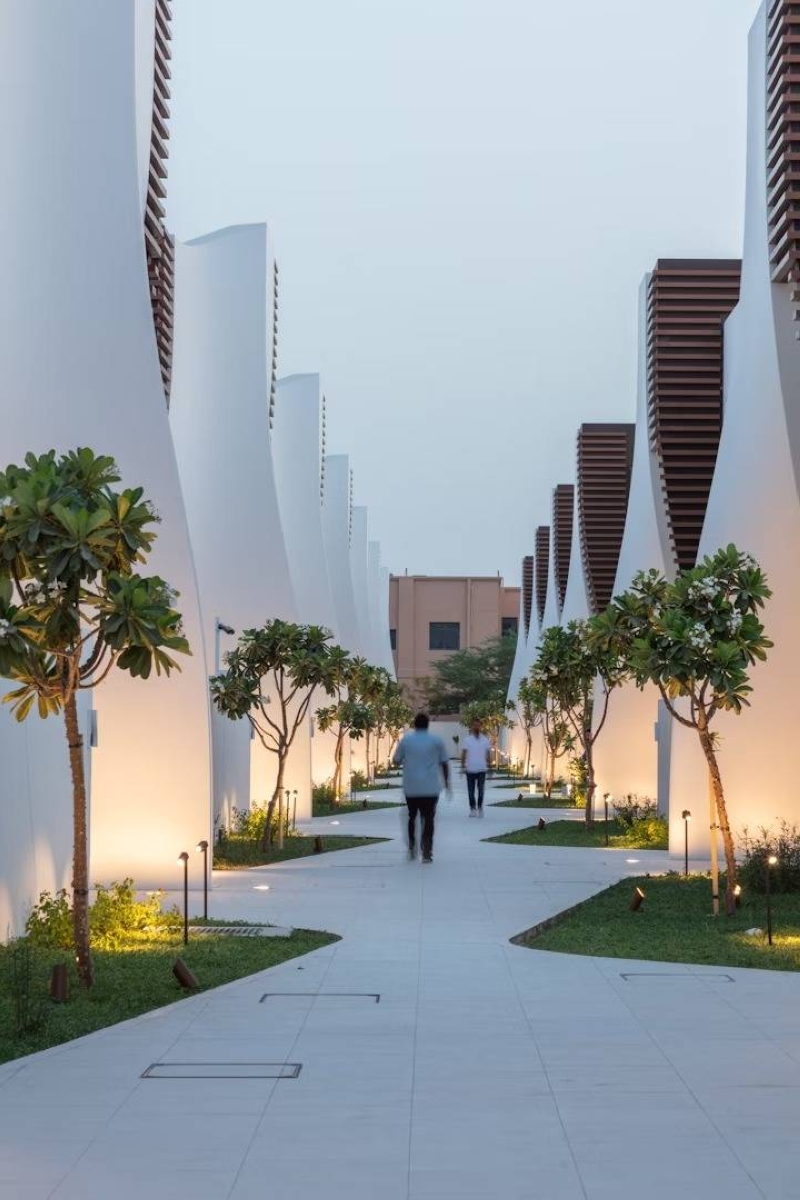
تعيد عدة مشاريع تصور التراث بطريقة تلائم روح العصر الحديث. ففي الشارقة، يحوّل مشروع جناح السراي، بيت خالد بن إبراهيم من تصميم «آناركتيكت» منزلين من خمسينيات القرن الماضي -كانا مُلكاً لتاجر لؤلؤ- إلى فندق فاخر صغير، محافظا على الهوية الثقافية مع لمسة عصرية. أما في الرياض، يستلهم مركز وادي صفار من تصميم «دار العمران – راسم بدران» عناصر العمارة النجدية التقليدية، من أفنية ومساحات داخلية وتنسيق الأرض، ليوازن بين الأصالة والاستدامة البيئية.
وبهذه المناسبة، علق كيرم جنكيز، رئيس لجنة التحكيم لجوائز الشرق الأوسط، قائلاً:
«تمثل المشاريع المرشحة من الشرق الأوسط انعكاساً حياً لمنطقة تعيش نهضة معمارية، فتنعكس هويتها الثقافية الحاضرة على التصاميم المعاصرة. فمن إعادة ابتكار الأشكال التقليدية إلى التدخلات الحضرية الجريئة والمساحات المصممة التي تلبي احتياجات المجتمع، تُظهر هذه المشاريع قدرة المنطقة على الجمع بين الابتكار والحفاظ على التراث، سواء من خلال اختيار المواد، أو اتساع المساحات، أو مراعاة المناخ، فيروي كل مشروع قصة المكان ومجتمعه. وتشكل هذه الأعمال لغة معمارية جديدة للشرق الأوسط، قائمة على التراث ومتطلعة نحو المستقبل، مشاريع مبتكَرة ومؤثرة».
من جانبه، قال كريس ويليامسون، رئيس المعهد الملكي للمعماريين البريطانيين:
«تُظهر المشاريع المرشحة كيفية تطور العمارة في الشرق الأوسط بروح طموحة وحساسة وهادفة. فما يميزها ليس فقط جودة التصميم، بل اختلاف أساليبها كذلك، فبعضها يستلهم تصاميمه من التراث، بينما تبتكر أخرى حلولاً معاصرة وجريئة».
وأضاف: «في ظل التحديات الاجتماعية والبيئية، تبرز هذه المشاريع بإبداعها واستدامتها وتركيزها على الإنسان، وتُظهر كيف تدعم العمارة المجتمعات، وتستجيب لواقع المناخ، وتخلق أماكن تثري الحياة اليومية. وهذه الجوائز تهدف إلى تكريم هذا الطموح ومشاركته على الصعيد الدولي».
ورُشحت المشاريع ضمن مجموعة واسعة من الفئات، تشمل: إعادة توظيف المباني، والتصميم المرتبط بجودة الحياة، والمشاريع المستقبلية، ومشاريع من إعداد أعضاء المعهد، والعمارة ذات الأثر الاجتماعي، والاستدامة والقدرة على التكيف، والعمارة المؤقتة. ومن اللافت أن فئتي المشاريع المستقبلية والعمارة المؤقتة تُطرحان لأول مرة، مما يعكس التحولات في الأولويات وتطور أساليب تصميم العمارة لتلبية احتياجات الأجيال الحالية والمستقبلية.
The Royal Institute of British Architects nominates 15 innovative projects for the New Architecture Awards
Today (Tuesday), the Royal Institute of British Architects (RIBA) revealed the names of the 15 projects nominated for its first award in the Middle East, focusing on the most socially innovative new architectural projects in the Gulf Cooperation Council (GCC) countries.
The nominated projects range from the first mosque dedicated to women in the Islamic world to an ambitious initiative to transform a former Saudi airport into the largest urban park in the world, highlighting how the region is reshaping its future.
These projects include efforts to preserve one of the most diverse nature reserves in the United Arab Emirates, alongside an experiential center designed in the authentic Najdi style, reflecting architecture that is centered on innovation, sustainability, and cultural identity.
The winner of the award will be announced during Dubai Design Week on November 5, 2025, followed by a dedicated event on the seventh of the same month.
The nominated list includes four countries: the United Arab Emirates, Saudi Arabia, Qatar, and the Kingdom of Bahrain, bringing together regional and international architects from the GCC countries, as well as the United Kingdom, the United States, Germany, Singapore, and Japan.
The projects showcase a diverse range of initiatives, from urban landmarks that change the face of city life to innovative solutions addressing climate change and biodiversity loss, the repurposing of historical buildings, and bold new cultural destinations, demonstrating the impact of architectural design in tackling real-world challenges and creating more sustainable and inclusive spaces for their communities.
Climate-friendly designs
The nominated projects feature innovative solutions to biodiversity challenges, climate change, and environmental preservation. Notable examples include the Khor Kalba Turtle and Wildlife Reserve designed by Hopkins Architects in Kalba, which consists of a series of round pavilions supporting the rehabilitation of endangered turtles and birds, and the Arabi-AN tea house made from food waste designed by Mitsubishi Jisho Design in Dubai, which is the first building in the world to use tea leaves and dried fruits to create environmentally friendly, biodegradable, and disassemblable spaces. Additionally, the Al Hayer Geological Park designed by Hopkins Architects in Al Madam consists of five interconnected capsules inspired by fossilized sea urchins, allowing visitors to connect with the ancient landscapes and historical tombs in the area. In Riyadh, King Salman Park, designed by Gerber Architects, Buro Happold, and Citek, is an ambitious project to rehabilitate a former airport site and transform it into a 16.7 km² green oasis in the heart of the city, focusing on renewing desert soil, sustainable water use, and planting climate-resilient vegetation.
Human-centered spaces
The architectural designs highlight the creation of inclusive environments with a clear social impact. Among the prominent examples are the Al-Majdila: a center and mosque for women designed by Diller Scofidio + Renfro in Doha, the first modern women's mosque in the Islamic world, featuring a wavy roof with over 5,000 openings that distribute natural light to create a serene atmosphere; the Jafar Center - Dubai College designed by Goodwin Austin Johnson in Dubai, a flexible educational center based on a STEM approach focusing on daylight, acoustics, and sustainability; and the Wadi Safar Center designed by Dar Al-Omran - Rasem Badran in Riyadh, a cultural gateway for the development of Wadi Safar, offering interactive contemporary experiences that highlight heritage, environment, and the goals of Vision 2030.
Cultural identity continuity
Several projects reimagine heritage in a way that suits the spirit of modern times. In Sharjah, the Sarai Pavilion project, designed by Anarchitect, transforms two houses from the 1950s - once owned by a pearl trader - into a luxury boutique hotel, preserving cultural identity with a modern touch. Meanwhile, in Riyadh, the Wadi Safar Center designed by Dar Al-Omran - Rasem Badran draws inspiration from traditional Najdi architecture, incorporating courtyards, interior spaces, and landscaping to balance authenticity and environmental sustainability.
On this occasion, Kerem Cengiz, the head of the jury for the Middle East Awards, commented:
“The nominated projects from the Middle East reflect a vibrant region experiencing an architectural renaissance, with its present cultural identity mirrored in contemporary designs. From reimagining traditional forms to bold urban interventions and thoughtfully designed spaces that meet community needs, these projects showcase the region's ability to combine innovation with heritage preservation, whether through material choices, spatial expansiveness, or climate considerations, each project tells the story of its place and community. These works represent a new architectural language for the Middle East, rooted in heritage and looking towards the future, innovative and impactful projects.”
For his part, Chris Williamson, the president of the Royal Institute of British Architects, said:
“The nominated projects demonstrate how architecture in the Middle East is evolving with an ambitious, sensitive, and purposeful spirit. What distinguishes them is not only the quality of design but also the diversity of their approaches; some draw inspiration from heritage, while others innovate contemporary and bold solutions.”
He added: “In light of social and environmental challenges, these projects stand out for their creativity, sustainability, and human-centered focus, showing how architecture supports communities, responds to climate realities, and creates places that enrich daily life. These awards aim to honor this ambition and share it on an international scale.”
The projects were nominated across a wide range of categories, including: repurposing buildings, design related to quality of life, future projects, projects prepared by institute members, socially impactful architecture, sustainability and adaptability, and temporary architecture. Notably, the categories of future projects and temporary architecture are being introduced for the first time, reflecting shifts in priorities and the evolution of architectural design approaches to meet the needs of current and future generations.