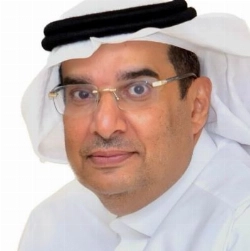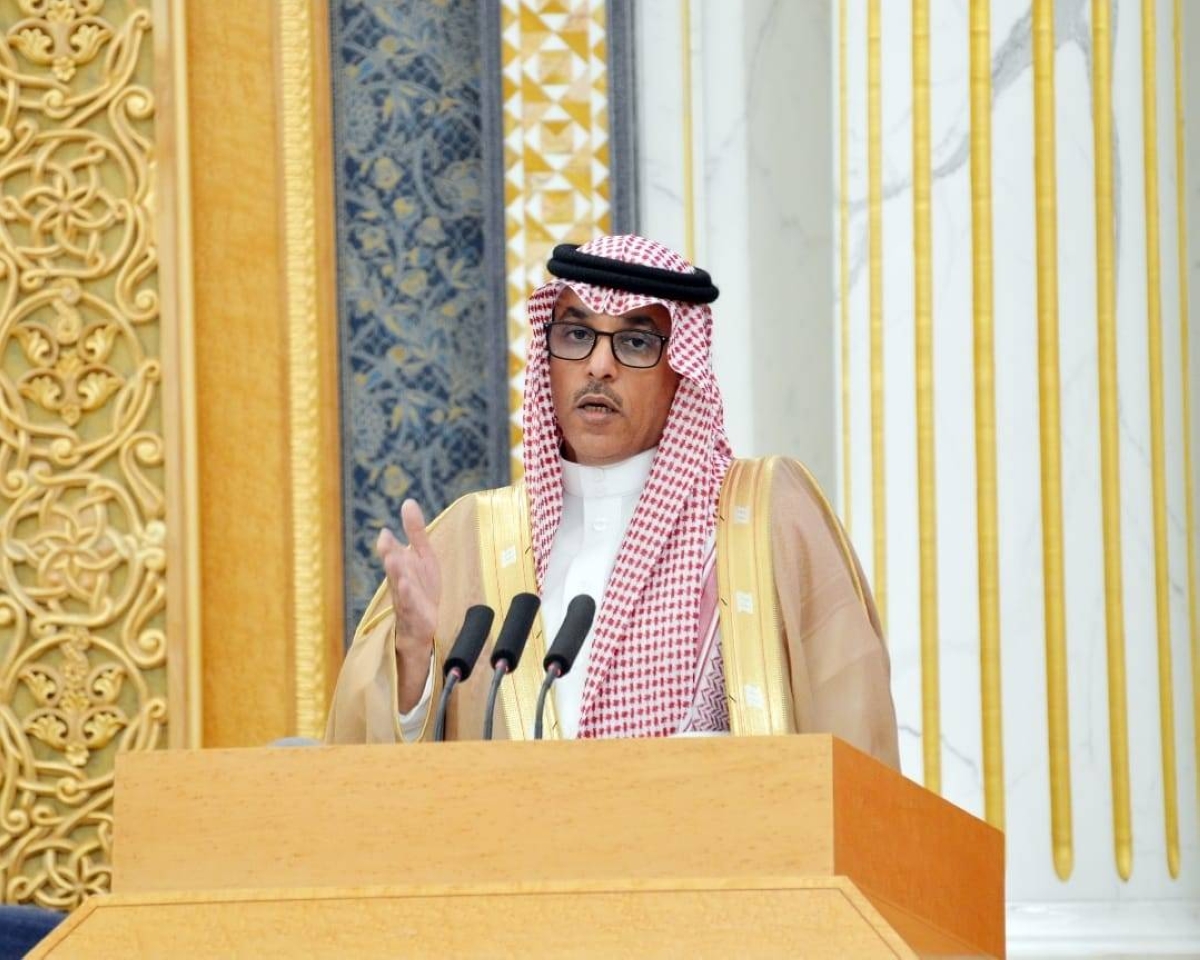
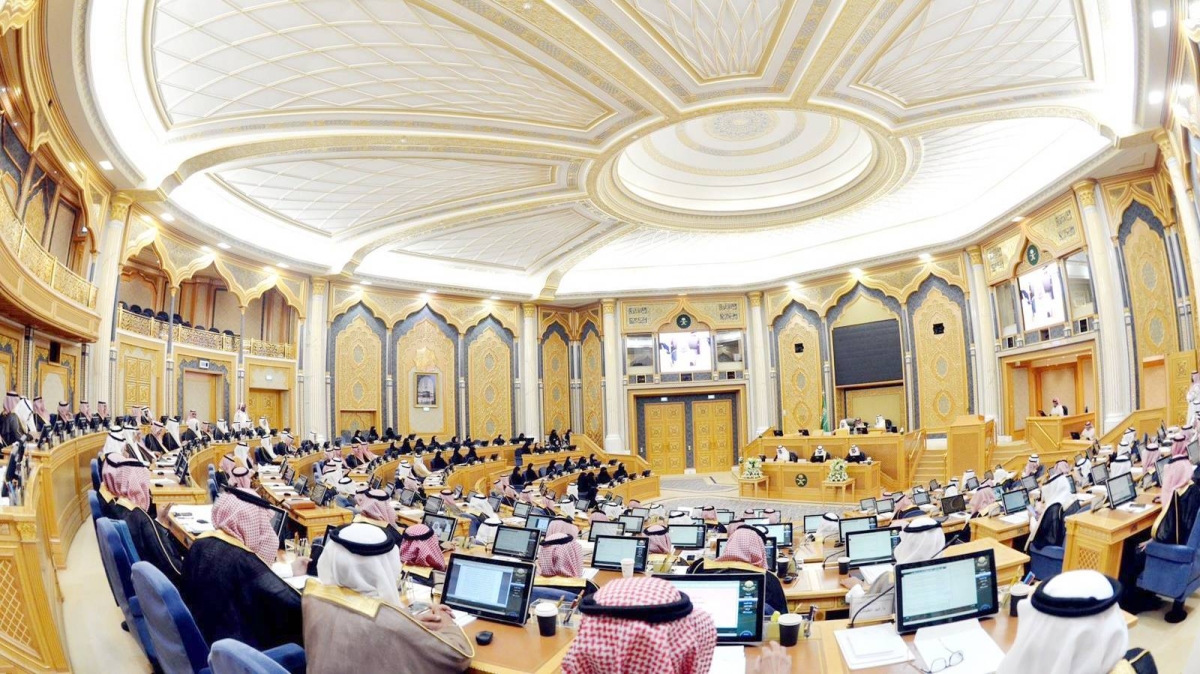
عدّ رئيس اللجنة المالية والاقتصادية في مجلس الشورى الدكتور فهد التخيفي، الخطاب الملكي، الذي ألقاه ولي العهد في مجلس الشورى، وثيقة توجيهية عليا يستنير بها المجلس في عمله التشريعي والرقابي في دراسة مشروعات الأنظمة أو مراجعة التقارير السنوية، ومبدأ مؤسسياً، وتأكيداً لإسهامات المجلس في تطوير المنظومة التشريعية. وعدّ في حواره مع «عكاظ»، المجلس منبراً وطنياً يمثّل حلقة وصل بين القيادة والمجتمع، وهنا نص الحوار..
• ما دلالة الخطاب الملكي السنوي في مجلس الشورى وتزامنه مع افتتاح كل سنة شورية؟
•• يُعد الخطاب الملكي بمثابة الوثيقة التوجيهية العليا، التي يستنير بها المجلس في عمله التشريعي والرقابي على مدار السنة. ولو أخذنا الموضوع من أبعاد مختلفة، منها الرمزي والإستراتيجي، فالخطاب يعبّر عن وحدة الصف بين القيادة والشورى والمجتمع من مواطنين ومقيمين، ويرسم خريطة طريق وطنية تتوافق مع التحديات الدولية والمتغيرات الإقليمية. وافتتاح كل سنة شورية بخطاب ملكي يُرسّخ مبدأ العمل المؤسسي المنتظم، إذ يبدأ المجلس عامه الجديد بتوجيهات واضحة من القيادة، وهذه المناسبة السنوية تؤكد الدور المهم المناط بالمجلس، ذلك أن أثره وإسهاماته واضحة في تطوير المنظومة التشريعية وتحديثها لتكون المملكة في مصاف الدول المتقدمة تشريعياً. إضافة إلى أنه يحضر المناسبة ممثلون من مختلف شرائح المجتمع، ما يعكس نهج الشفافية والمشاركة، ويُبرز التواصل المباشر بين القيادة السياسية والمجتمع من خلال المؤسسة الشورية.
القضية الفلسطينية
• هل يحدّد الخطاب الملكي أولويات؟
•• الخطاب يعرض أهم ما تحقّق من إنجازات في العام الماضي، ويضع الإطار العام والمحددات للعام الجديد، ويرسم مسار السياسات الاقتصادية والاجتماعية والتنموية ضمن إطار رؤية المملكة 2030. ويتضمّن مواقف المملكة تجاه القضايا الإقليمية والدولية، ما يكشف للمجتمع وللمجلس منهج السياسة الخارجية، ومنها القضية الفلسطينية، إذ شدد الخطاب الملكي على إدانة استمرار الاعتداءات الغاشمة على الشعب الفلسطيني الشقيق، إضافة لما اتخذته المملكة من مواقف محورية في الشأن السوري، والأمل أن يتحقق الاستقرار في لبنان واليمن والسودان.
• بماذا يمكن وصف الخطاب الملكي في مجلس الشورى؟
•• نقطة انطلاق سنوية، توجّه السياسات العامة، وتحدد الأولويات الوطنية، وتعزز التلاحم بين القيادة والشعب، وتبرز مكانة المملكة محلياً ودولياً.
ركائز رئيسية
• ما مدى التناغم بين دور المجلس ومضامين الخطاب الملكي؟
•• يُعد مجلس الشورى إحدى الركائز الرئيسة في بنية النظام السياسي للمملكة، إذ أسهم في دعم مسيرة الدولة نحو التنمية الشاملة وتعزيز المشاركة المؤسسية في صناعة القرار، وعزّز المكانة الدستورية والتشريعية، إذ يقوم المجلس بدور مهم في صياغة الأنظمة ومراجعتها بما يتماشى مع رؤية السعودية 2030، ويدرس مشروعات الأنظمة بما يواكب التحولات الاقتصادية والاجتماعية والسياسية، التي ترسمها القيادة الحكيمة، ويقوم بدور الرقابة البرلمانية على أداء الأجهزة الحكومية، ويمارس سلطته الرقابية عبر مناقشة تقارير الأداء السنوية للوزارات والهيئات الحكومية، ويرفع توصيات لمعالجة أوجه القصور وتحسين كفاءة الخدمات العامة، ما يعزّز مبدأ المساءلة والشفافية في العمل الحكومي، ويرسم السياسات الوطنية، من خلال دراسة اللجان المتخصصة للقضايا الوطنية الكبرى مثل التعليم، الصحة، الاقتصاد، البيئة، والطاقة، ودراسة التقارير السنوية لمختلف الجهات الحكومية، إضافة إلى مواءمة المنظومة التشريعية مع المستجدات العالمية لتلك القضايا. ويمثّل المملكة في المحافل البرلمانية الدولية والإقليمية، ما يعكس حضور المملكة في الحوار البرلماني العالمي، ويدعم السياسة الخارجية السعودية عبر تعزيز الدبلوماسية البرلمانية والتواصل مع البرلمانات النظيرة، وهو نموذج للمشاركة الوطنية وتعزيز الوحدة، يتيح للمواطن الإسهام في صنع القرار، ويضم نخبة من الكفاءات والخبرات من مختلف المجالات، ويعزز اللحمة الوطنية عبر نقل صوت المجتمع واقتراح الحلول للتحديات التنموية.
التحول الرقمي
• ما مدى انعكاس مضامين الخطاب الملكي السنوي على أعمال المجلس؟
•• حدّد الخطاب الملكي أولويات العمل التشريعي بما تضمنه من توجهات داخلية وخارجية، ويُترجم إلى جدول أعمال تشريعي داخل المجلس، فاللجان المتخصصة تسترشد بتوجيهات القيادة في إعداد تقاريرها ومناقشاتها، سواء في تطوير الأنظمة القائمة أو اقتراح أنظمة جديدة، ومن أمثلة ذلك، عندما أكد الخطاب التحول الرقمي أو الاستدامة، فإنه يُوجَّه المجلس لمراجعة الأنظمة ذات الصلة، ويعزز الدور الرقابي، ويلفت المجلس إلى الملفات التي تُعد أولوية وطنية، منها إبراز قضايا جودة الخدمات، أو دعم الاقتصاد، وينعكس ذلك في تركيز المجلس على مناقشة تقارير الوزارات المعنية بذلك وفق آلية أكثر عمقاً، ويرسم السياسات الوطنية المشتركة، بوضع الخطوط العريضة للسياسات العامة للدولة، والمجلس بدوره يُعيد صياغتها إلى توصيات عملية تُرفع للملك، وهذا التفاعل يجعل المجلس شريكاً فاعلاً في تنفيذ رؤية المملكة 2030 وخططها الإستراتيجية، وهو معزز للدبلوماسية البرلمانية، إذ بتناوله السياسة الخارجية أو الدور الإقليمي والدولي للمملكة، ينعكس ذلك على نشاطات المجلس في المحافل البرلمانية الدولية، ويتبنى المجلس مواقف داعمة للسياسة الخارجية، ما يعزز صورة المملكة في الساحة العالمية، إضافة إلى أنه يحفّز الأعضاء على المبادرات النوعية، ويُعد مصدر إلهام للأعضاء لتقديم مقترحات تتناغم مع الأولويات الوطنية، ومن خلال تشديد الخطاب الملكي على تمكين الشباب أو المرأة، يسعى الأعضاء إلى اقتراح مبادرات وأنظمة تحقق هذه التوجهات، وهو يوحّد الرؤية المؤسسية، ويُصبح أعضاء المجلس أكثر انسجاماً في مداولاتهم باعتبارهم شركاء في صناعة القرار الوطني، بما يمنحهم من شرعية سياسية وأفق إستراتيجي للعمل خلال الدورة.
ويقوم المجلس بلجانه المتخصصة باعتماد مضامين الخطاب الملكي في المشروعات التي يعمل عليها سواء في دراسة الأنظمة أو التقارير السنوية للجهات الحكومية أو الاتفاقيات ومذكرات التفاهم الدولية.
مسيرة وطنية
• بماذا حافظ المجلس على مكانته الاعتبارية؟
•• مجلس الشورى منبر وطني للتشريع والرقابة البرلمانية وصناعة القرار، وحلقة وصل بين القيادة والمجتمع، يسهم في دعم مكانة المملكة داخلياً وخارجياً، بما يعزز من مسيرتها الوطنية التنموية والحضارية.
• خلال السنة الشورية السابقة، هناك جهود للمجلس منها إصدار 462 قراراً، منها: 180 قراراً تتعلق بالتقارير السنوية للأجهزة الحكومية، و55 تتعلق بالأنظمة واللوائح، و225 تتعلق بالاتفاقيات والمعاهدات ومذكرات التفاهم، ما سبب الزهد في الحديث عنها إعلامياً خصوصاً الأنظمة واللوائح؟
•• هناك مبدأ أساسي يتمثّل في أن جهود المجالس التشريعية (مجلسي الوزراء والشورى) والمؤسسات التنفيذية مرتكزة على خدمة الوطن والمواطن، وعدم الحديث عن أي نظام (قبل صدور مرسوم ملكي بإقراره) يأتي ضمن سياق المصلحة العامة، إذ بالتريّث يتم ضبط المعلومة، ويمنع التشويش، ويضمن وصول النص المعتمد رسمياً للجهات التنفيذية وللمواطنين، وربما لعدم الحديث عن مشروعات الأنظمة في مختلف وسائل الإعلام له جوانب إيجابية عدة، منها حماية الاستقرار التنظيمي ودعمه، كون الأنظمة تمر بمراحل إعداد ومراجعة من مجلسي الوزراء والشورى، وتُجرى عليها تعديلات قبل صدور المرسوم الملكي. وأي إعلان مبكر أو تداول إعلامي ربما يعطي صورة غير دقيقة عن الشكل النهائي، إضافة إلى الحفاظ على الموثوقية، كون الحديث عن نظام لم يُعتمد رسمياً ربما يسبب إرباكاً لدى المواطنين والمقيمين والجهات التنفيذية، لأن أي نقاش أو شائعات ربما تُفهم كأنها قرارات نافذة، كما أن فيه منعاً للشائعات، لأن تداول أخبار غير مؤكدة يفضي إلى تفسيرات خاطئة أو توقعات غير صحيحة، ما قد يضعف ثقة الناس بالجهات الرسمية، ومنها إبراز لهيبة المرسوم الملكي إذ إن صدور النظام بالصيغة الرسمية، يعطيه ثقله القانوني والسيادي، ويؤكد أن المرجع النهائي هو الدولة وقيادتها، لا التكهنات الإعلامية.
دور مهم
• لماذا يظن البعض أن دور مجلس الشورى محدود، وأثره ليس واضحاً على التنمية والمواطن، ولا يبلغ أفراد المجتمع؟
•• للمجلس دور كبير ومهم في المنظومة التشريعية، وأشار ولي العهد، إلى بصمة مجلس الشورى، وإسهاماته في تطوير الأنظمة واستكمال المنظومة التشريعية وتحديثها لتكون بلادنا في مصاف الدول المتقدمة تشريعياً، وطبيعة عمل المجلس (تشريعي/ رقابي/ برلماني)، وهي مهمات غير مباشرة، ما يجعل بعض المجتمع لا يرى أثر قراراته، شأن الوزارات التنفيذية التي تقدم خدماتها بصورة مباشرة للمجتمع. والمواطن عادة يقيّم الأداء بناءً على الخدمات الفورية (مثل الصحة، التعليم، الإسكان)، بينما دور الشورى أقرب إلى ضبط السياسات ومراقبتها.
• لماذا لا ينعكس عمل المجلس بشكل سريع على المجتمع؟
•• المجلس يدرس مشروعات الأنظمة، ويناقش تقارير الأجهزة الحكومية ومخرجاتها ذات الأثر بعيد المدى، ولا تظهر نتائج الدراسة والمناقشة في يومية المواطن بصورة فورية، إضافة إلى أن لصعوبة إدراك الأثر التشريعي من بعض إفراد المجتمع دوراً، فالمواطن أحياناً لا يربط بين تحسين خدمة معينة للمواطن من الجهات الحكومية والدور الذي يؤديه مجلس الشورى، متمثّلاً في ما يمنح لهم من صلاحيات وفق الأنظمة والتشريعات، التي مصدرها المجلس، لتتمكن من تقديم تلك الخدمات للمواطنين، كما أن تنوّع القضايا والتحول الكبير في التنمية الاقتصادية يحدّان من ظهور تأثير المجلس على كل تفاصيل حياة المواطن اليومية.
أكد أن الصمت عن نظام قبل إقراره يضبط المعلومة ويمنع التشويش
الشوري التخيفي: دور المجلس كبير ومحدداته رسمها الخطاب الملكي
14 سبتمبر 2025 - 00:43
|
آخر تحديث 14 سبتمبر 2025 - 00:43


تابع قناة عكاظ على الواتساب
علي الرباعي (الباحة) Al_ARobai@
The Chairman of the Financial and Economic Committee in the Shura Council, Dr. Fahd Al-Takhifi, considered the royal speech delivered by the Crown Prince in the Shura Council as a high-level guiding document that the council can rely on in its legislative and oversight work when studying system projects or reviewing annual reports. He emphasized that it is an institutional principle and a confirmation of the council's contributions to developing the legislative system. In his dialogue with "Okaz," he described the council as a national platform that represents a link between the leadership and society. Here is the text of the dialogue..
• What is the significance of the annual royal speech in the Shura Council and its coincidence with the opening of each Shura year?
•• The royal speech serves as a high-level guiding document that the council uses in its legislative and oversight work throughout the year. If we consider the topic from different dimensions, including symbolic and strategic aspects, the speech expresses the unity of purpose among the leadership, the Shura, and the community of citizens and residents. It outlines a national roadmap that aligns with international challenges and regional changes. Opening each Shura year with a royal speech reinforces the principle of organized institutional work, as the council begins its new year with clear directives from the leadership. This annual occasion confirms the important role assigned to the council, as its impact and contributions are evident in developing and modernizing the legislative system to position the Kingdom among advanced countries legislatively. Additionally, representatives from various segments of society attend the occasion, reflecting a commitment to transparency and participation, and highlighting direct communication between the political leadership and the community through the Shura institution.
The Palestinian Cause
• Does the royal speech set priorities?
•• The speech presents the most significant achievements of the past year and sets the general framework and guidelines for the new year, outlining the trajectory of economic, social, and developmental policies within the framework of Vision 2030. It includes the Kingdom's positions on regional and international issues, revealing to the community and the council the approach to foreign policy, including the Palestinian cause. The royal speech emphasized the condemnation of the ongoing brutal assaults on the brotherly Palestinian people, in addition to the pivotal positions taken by the Kingdom regarding the Syrian issue, with hope for stability in Lebanon, Yemen, and Sudan.
• How can the royal speech in the Shura Council be described?
•• An annual starting point that directs public policies, sets national priorities, enhances cohesion between the leadership and the people, and highlights the Kingdom's status locally and internationally.
Key Pillars
• How harmonious is the role of the council with the contents of the royal speech?
•• The Shura Council is one of the main pillars in the structure of the political system of the Kingdom, contributing to supporting the state's journey towards comprehensive development and enhancing institutional participation in decision-making. It has strengthened its constitutional and legislative status, as the council plays an important role in formulating and reviewing systems in line with Saudi Vision 2030. It studies system projects that align with the economic, social, and political transformations outlined by the wise leadership, and it exercises parliamentary oversight over the performance of government agencies. The council practices its oversight authority by discussing the annual performance reports of ministries and government agencies, raising recommendations to address shortcomings and improve the efficiency of public services, thereby enhancing the principle of accountability and transparency in government work. It shapes national policies through specialized committees studying major national issues such as education, health, economy, environment, and energy, and reviewing annual reports from various government entities, in addition to aligning the legislative system with global developments on these issues. It represents the Kingdom in international and regional parliamentary forums, reflecting the Kingdom's presence in global parliamentary dialogue, and supports Saudi foreign policy by enhancing parliamentary diplomacy and communication with counterpart parliaments. It serves as a model for national participation and strengthening unity, allowing citizens to contribute to decision-making, comprising a group of competencies and expertise from various fields, and enhancing national cohesion by conveying the community's voice and proposing solutions to developmental challenges.
Digital Transformation
• How do the contents of the annual royal speech reflect on the council's work?
•• The royal speech defined the priorities of legislative work through its internal and external directives, which are translated into a legislative agenda within the council. The specialized committees are guided by the leadership's directives in preparing their reports and discussions, whether in developing existing systems or proposing new ones. For example, when the speech emphasized digital transformation or sustainability, it directs the council to review related systems, enhances the oversight role, and draws the council's attention to files that are national priorities, such as highlighting service quality issues or supporting the economy. This is reflected in the council's focus on discussing reports from the relevant ministries in a more in-depth manner and shaping common national policies by outlining the general policies of the state. The council, in turn, reformulates these into practical recommendations submitted to the king. This interaction makes the council an active partner in implementing Vision 2030 and its strategic plans, enhancing parliamentary diplomacy. By addressing foreign policy or the regional and international role of the Kingdom, this is reflected in the council's activities in international parliamentary forums, and the council adopts positions that support foreign policy, enhancing the Kingdom's image on the global stage. Additionally, it encourages members to undertake quality initiatives and serves as a source of inspiration for members to propose ideas that align with national priorities. Through the royal speech's emphasis on empowering youth or women, members strive to propose initiatives and systems that achieve these directives, unifying the institutional vision, and making council members more harmonious in their deliberations as they consider themselves partners in national decision-making, granting them political legitimacy and a strategic horizon for action during the session.
The council, through its specialized committees, adopts the contents of the royal speech in the projects it works on, whether in studying systems, annual reports of government entities, or international agreements and memoranda of understanding.
A National Journey
• How has the council maintained its esteemed position?
•• The Shura Council is a national platform for legislation, parliamentary oversight, and decision-making, serving as a link between the leadership and society, contributing to enhancing the Kingdom's status both internally and externally, thereby supporting its national developmental and civilizational journey.
• During the previous Shura year, the council made efforts, including issuing 462 decisions, of which 180 relate to the annual reports of government agencies, 55 relate to systems and regulations, and 225 relate to agreements, treaties, and memoranda of understanding. Why is there a reluctance to discuss these publicly, especially regarding systems and regulations?
•• There is a fundamental principle that the efforts of the legislative councils (the Council of Ministers and the Shura Council) and executive institutions are focused on serving the nation and the citizen. Not discussing any system (before a royal decree is issued approving it) falls within the context of public interest, as patience helps regulate information, prevents confusion, and ensures the officially approved text reaches executive bodies and citizens. The lack of discussion about system projects in various media has several positive aspects, including protecting and supporting regulatory stability, as systems undergo stages of preparation and review by the Council of Ministers and the Shura Council, with amendments made before the royal decree is issued. Any early announcement or media circulation may give an inaccurate picture of the final form. Additionally, maintaining reliability is crucial, as discussing a system that has not been officially approved may cause confusion among citizens, residents, and executive bodies, since any discussion or rumors may be interpreted as binding decisions. Furthermore, it helps prevent rumors, as circulating unconfirmed news leads to misunderstandings or incorrect expectations, which may weaken public trust in official entities. This also highlights the authority of the royal decree, as the issuance of the system in its official form gives it legal and sovereign weight, confirming that the final reference is the state and its leadership, not media speculations.
Important Role
• Why do some believe that the role of the Shura Council is limited, and its impact on development and citizens is not clear to community members?
•• The council has a significant and important role in the legislative system. The Crown Prince pointed out the Shura Council's fingerprint and its contributions to developing systems and completing and modernizing the legislative system to position our country among the advanced countries legislatively. The nature of the council's work (legislative/oversight/parliamentary) involves indirect tasks, which makes some members of the community not see the impact of its decisions, unlike executive ministries that provide services directly to the community. Citizens typically evaluate performance based on immediate services (such as health, education, housing), while the role of the Shura is closer to regulating and monitoring policies.
• Why doesn't the council's work reflect quickly on the community?
•• The council studies system projects and discusses the reports of government agencies and their outputs that have long-term effects, and the results of the study and discussion do not appear immediately in the daily lives of citizens. Additionally, the difficulty some community members have in perceiving the legislative impact plays a role. Sometimes, citizens do not connect the improvement of a specific service from government entities with the role played by the Shura Council, represented in the powers granted to them under the systems and legislations, which originate from the council, enabling them to provide those services to citizens. Furthermore, the diversity of issues and the significant transformation in economic development limit the council's impact on all aspects of citizens' daily lives.
• What is the significance of the annual royal speech in the Shura Council and its coincidence with the opening of each Shura year?
•• The royal speech serves as a high-level guiding document that the council uses in its legislative and oversight work throughout the year. If we consider the topic from different dimensions, including symbolic and strategic aspects, the speech expresses the unity of purpose among the leadership, the Shura, and the community of citizens and residents. It outlines a national roadmap that aligns with international challenges and regional changes. Opening each Shura year with a royal speech reinforces the principle of organized institutional work, as the council begins its new year with clear directives from the leadership. This annual occasion confirms the important role assigned to the council, as its impact and contributions are evident in developing and modernizing the legislative system to position the Kingdom among advanced countries legislatively. Additionally, representatives from various segments of society attend the occasion, reflecting a commitment to transparency and participation, and highlighting direct communication between the political leadership and the community through the Shura institution.
The Palestinian Cause
• Does the royal speech set priorities?
•• The speech presents the most significant achievements of the past year and sets the general framework and guidelines for the new year, outlining the trajectory of economic, social, and developmental policies within the framework of Vision 2030. It includes the Kingdom's positions on regional and international issues, revealing to the community and the council the approach to foreign policy, including the Palestinian cause. The royal speech emphasized the condemnation of the ongoing brutal assaults on the brotherly Palestinian people, in addition to the pivotal positions taken by the Kingdom regarding the Syrian issue, with hope for stability in Lebanon, Yemen, and Sudan.
• How can the royal speech in the Shura Council be described?
•• An annual starting point that directs public policies, sets national priorities, enhances cohesion between the leadership and the people, and highlights the Kingdom's status locally and internationally.
Key Pillars
• How harmonious is the role of the council with the contents of the royal speech?
•• The Shura Council is one of the main pillars in the structure of the political system of the Kingdom, contributing to supporting the state's journey towards comprehensive development and enhancing institutional participation in decision-making. It has strengthened its constitutional and legislative status, as the council plays an important role in formulating and reviewing systems in line with Saudi Vision 2030. It studies system projects that align with the economic, social, and political transformations outlined by the wise leadership, and it exercises parliamentary oversight over the performance of government agencies. The council practices its oversight authority by discussing the annual performance reports of ministries and government agencies, raising recommendations to address shortcomings and improve the efficiency of public services, thereby enhancing the principle of accountability and transparency in government work. It shapes national policies through specialized committees studying major national issues such as education, health, economy, environment, and energy, and reviewing annual reports from various government entities, in addition to aligning the legislative system with global developments on these issues. It represents the Kingdom in international and regional parliamentary forums, reflecting the Kingdom's presence in global parliamentary dialogue, and supports Saudi foreign policy by enhancing parliamentary diplomacy and communication with counterpart parliaments. It serves as a model for national participation and strengthening unity, allowing citizens to contribute to decision-making, comprising a group of competencies and expertise from various fields, and enhancing national cohesion by conveying the community's voice and proposing solutions to developmental challenges.
Digital Transformation
• How do the contents of the annual royal speech reflect on the council's work?
•• The royal speech defined the priorities of legislative work through its internal and external directives, which are translated into a legislative agenda within the council. The specialized committees are guided by the leadership's directives in preparing their reports and discussions, whether in developing existing systems or proposing new ones. For example, when the speech emphasized digital transformation or sustainability, it directs the council to review related systems, enhances the oversight role, and draws the council's attention to files that are national priorities, such as highlighting service quality issues or supporting the economy. This is reflected in the council's focus on discussing reports from the relevant ministries in a more in-depth manner and shaping common national policies by outlining the general policies of the state. The council, in turn, reformulates these into practical recommendations submitted to the king. This interaction makes the council an active partner in implementing Vision 2030 and its strategic plans, enhancing parliamentary diplomacy. By addressing foreign policy or the regional and international role of the Kingdom, this is reflected in the council's activities in international parliamentary forums, and the council adopts positions that support foreign policy, enhancing the Kingdom's image on the global stage. Additionally, it encourages members to undertake quality initiatives and serves as a source of inspiration for members to propose ideas that align with national priorities. Through the royal speech's emphasis on empowering youth or women, members strive to propose initiatives and systems that achieve these directives, unifying the institutional vision, and making council members more harmonious in their deliberations as they consider themselves partners in national decision-making, granting them political legitimacy and a strategic horizon for action during the session.
The council, through its specialized committees, adopts the contents of the royal speech in the projects it works on, whether in studying systems, annual reports of government entities, or international agreements and memoranda of understanding.
A National Journey
• How has the council maintained its esteemed position?
•• The Shura Council is a national platform for legislation, parliamentary oversight, and decision-making, serving as a link between the leadership and society, contributing to enhancing the Kingdom's status both internally and externally, thereby supporting its national developmental and civilizational journey.
• During the previous Shura year, the council made efforts, including issuing 462 decisions, of which 180 relate to the annual reports of government agencies, 55 relate to systems and regulations, and 225 relate to agreements, treaties, and memoranda of understanding. Why is there a reluctance to discuss these publicly, especially regarding systems and regulations?
•• There is a fundamental principle that the efforts of the legislative councils (the Council of Ministers and the Shura Council) and executive institutions are focused on serving the nation and the citizen. Not discussing any system (before a royal decree is issued approving it) falls within the context of public interest, as patience helps regulate information, prevents confusion, and ensures the officially approved text reaches executive bodies and citizens. The lack of discussion about system projects in various media has several positive aspects, including protecting and supporting regulatory stability, as systems undergo stages of preparation and review by the Council of Ministers and the Shura Council, with amendments made before the royal decree is issued. Any early announcement or media circulation may give an inaccurate picture of the final form. Additionally, maintaining reliability is crucial, as discussing a system that has not been officially approved may cause confusion among citizens, residents, and executive bodies, since any discussion or rumors may be interpreted as binding decisions. Furthermore, it helps prevent rumors, as circulating unconfirmed news leads to misunderstandings or incorrect expectations, which may weaken public trust in official entities. This also highlights the authority of the royal decree, as the issuance of the system in its official form gives it legal and sovereign weight, confirming that the final reference is the state and its leadership, not media speculations.
Important Role
• Why do some believe that the role of the Shura Council is limited, and its impact on development and citizens is not clear to community members?
•• The council has a significant and important role in the legislative system. The Crown Prince pointed out the Shura Council's fingerprint and its contributions to developing systems and completing and modernizing the legislative system to position our country among the advanced countries legislatively. The nature of the council's work (legislative/oversight/parliamentary) involves indirect tasks, which makes some members of the community not see the impact of its decisions, unlike executive ministries that provide services directly to the community. Citizens typically evaluate performance based on immediate services (such as health, education, housing), while the role of the Shura is closer to regulating and monitoring policies.
• Why doesn't the council's work reflect quickly on the community?
•• The council studies system projects and discusses the reports of government agencies and their outputs that have long-term effects, and the results of the study and discussion do not appear immediately in the daily lives of citizens. Additionally, the difficulty some community members have in perceiving the legislative impact plays a role. Sometimes, citizens do not connect the improvement of a specific service from government entities with the role played by the Shura Council, represented in the powers granted to them under the systems and legislations, which originate from the council, enabling them to provide those services to citizens. Furthermore, the diversity of issues and the significant transformation in economic development limit the council's impact on all aspects of citizens' daily lives.