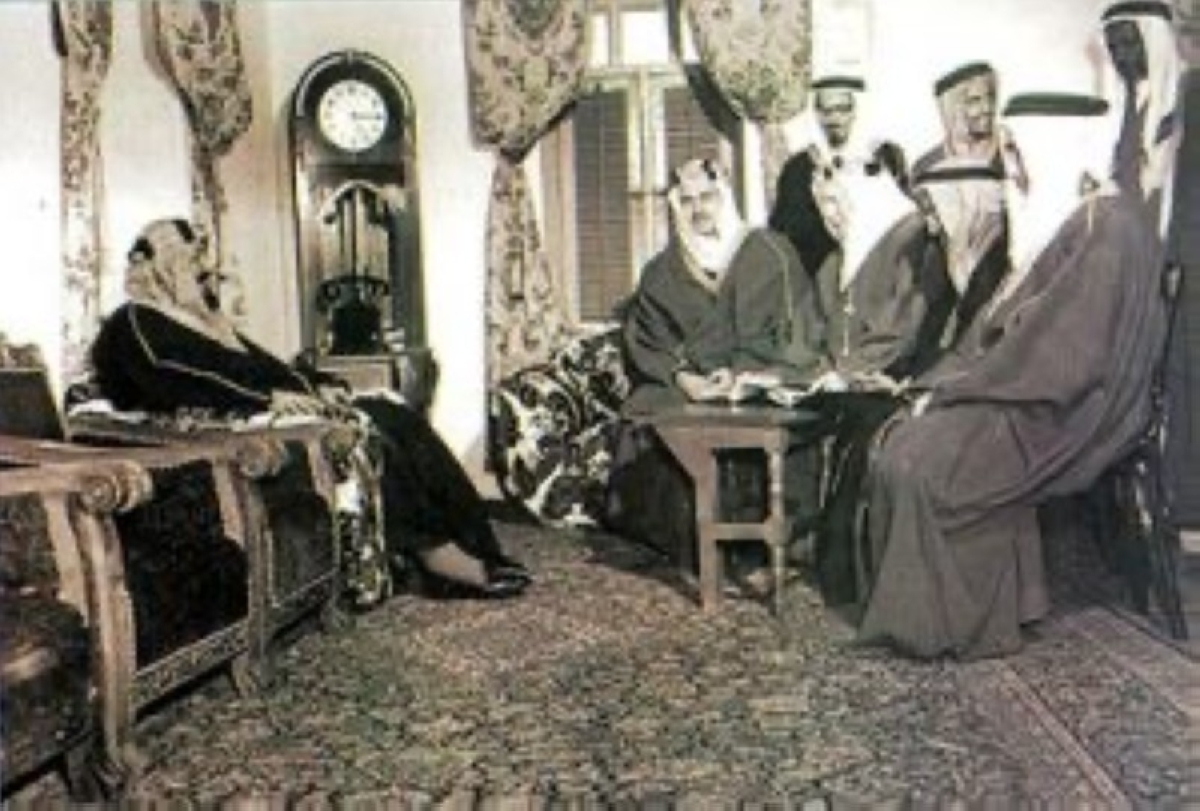
مع تأسيس مجلس الشورى عام 1346هـ/1927، ألقى الملك عبدالعزيز - طيب الله ثراه - أول خطاب ملكي في مكة المكرمة، ليؤسس تقليدا سياسيا سنويا يجمع بين توجه الدولة وإيضاح سياستها أمام ممثلي الأمة. كان محور الخطاب آنذاك تثبيت الحكم على أساس الشريعة الإسلامية، وترسيخ الأمن بعد سنوات الاضطراب، وتنظيم شؤون المال والإدارة. خطابات المؤسس كانت وثائق تأسيسية، تُطمئن الداخل وتعلن للعالم أن الدولة السعودية جاءت لتبقى.
الملك سعود والملك فيصل
في عهد الملك سعود بن عبدالعزيز - رحمه الله -، تحولت الخطابات الملكية إلى رسائل بناء الدولة الحديثة، من التعليم إلى الصحة إلى البنية التحتية. ثم جاء الملك فيصل - رحمه الله - ليجعل من خطاباته منصة للتأكيد على دور المملكة العربي والإسلامي، خصوصا في نصرة فلسطين والدفاع عن القضايا العربية في المحافل الدولية. في عهده اتسعت أبعاد الخطاب ليشمل السياسة الخارجية بقدر السياسة الداخلية.
الملك خالد والملك فهد
شهدت خطابات الملك خالد - رحمه الله - ربط الطفرة النفطية بخطط التنمية، والتأكيد على وحدة الصف الخليجي والعربي. أما الملك فهد - رحمه الله - فقد عُرف بخطاباته الشاملة التي ربطت الاقتصاد بالتنمية البشرية، وأعلن في أحدها «النظام الأساسي للحكم» كوثيقة مرجعية. كما رسّخ حضور المملكة في منظمة التعاون الإسلامي ومجلس التعاون الخليجي، ليصبح الخطاب الملكي انعكاسا لتحولات الداخل وموقع المملكة في الخارج.
الملك عبدالله
في عهد الملك عبدالله - رحمه الله - عكست الخطابات الملكية توجها إصلاحيا واضحا، من تعزيز التعليم إلى إطلاق برامج الابتعاث، مرورا بالتوسع في الخدمات الاجتماعية. كانت لغة الخطاب قريبة من المواطن، تركز على تحسين مستوى المعيشة، وتؤكد مكانة المملكة كحاضنة للحرمين الشريفين وراعية للقضايا الإسلامية.
الملك سلمان
مع تولي خادم الحرمين الشريفين الملك سلمان بن عبدالعزيز - حفظه الله - تجددت وظيفة الخطاب الملكي كخارطة طريق لمؤسسات الدولة. جاءت الخطابات لتعلن رؤية المملكة 2030، وتؤكد على تنويع الاقتصاد، وتمكين الشباب والمرأة، وتحسين جودة الحياة. وظلت فلسطين والقضايا العربية والإسلامية ثابتا مركزيا في كل خطاب، ما يعكس امتداد الموقف السعودي منذ التأسيس.
ولي العهد.. لغة المؤشرات
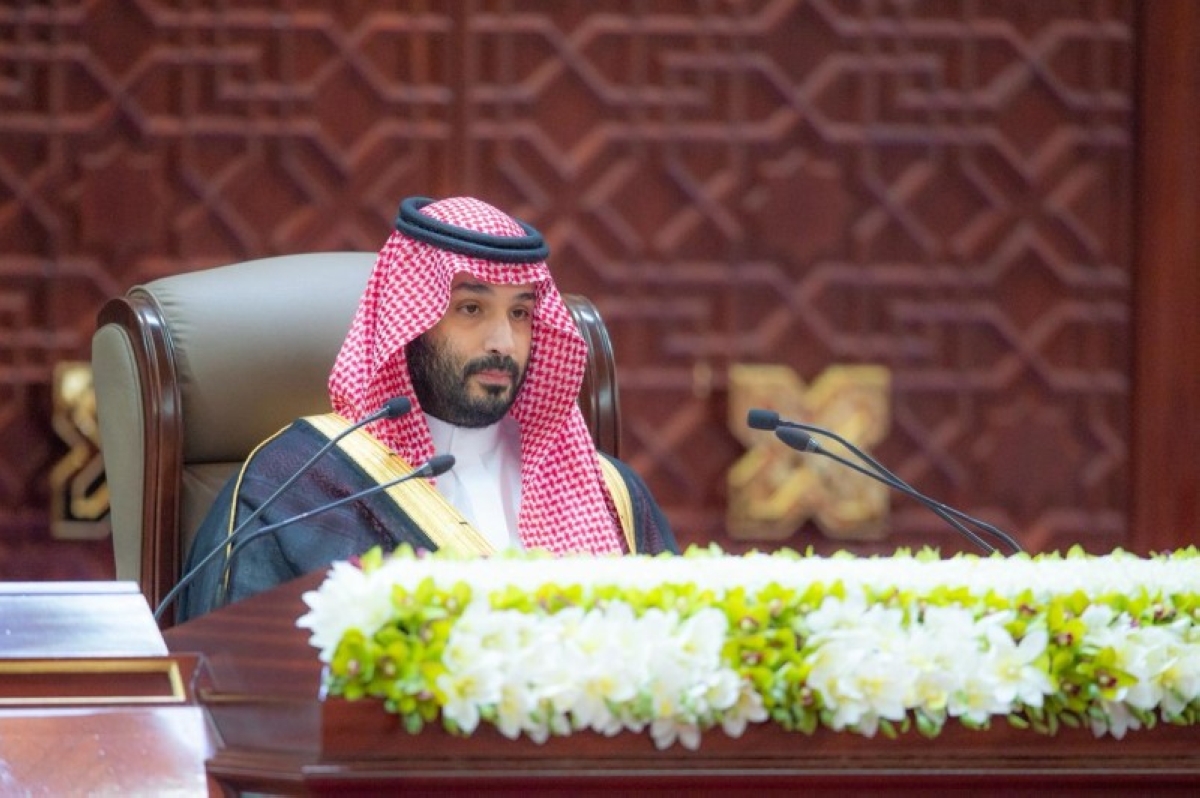
في الخطابات التي ألقاها ولي العهد نيابة عن الملك، برز الطابع التنفيذي للرؤية ورسائل محورية تضمنت خفض البطالة إلى أدنى مستوياتها، ارتفاع مشاركة المرأة في سوق العمل، تقليص نسبة محدودي الدخل، تقييم الأثر الاقتصادي والاجتماعي للإنفاق العام. كما جاء موقفه واضحا من السكن، إذ وصف ارتفاع أسعار العقار السكني بأنه غير مقبول، مؤكدا على سياسات لإعادة التوازن. وعلى المستوى الخارجي، تواصلت ثوابت المملكة بدعم فلسطين والدفاع عن قضايا العرب والمسلمين. هذه الخطابات حملت لغة الأرقام، وربطت بين السياسات والنتائج، لتصبح أداة متابعة دورية لأداء الأجهزة الحكومية.
مرآة لتطور الدولة
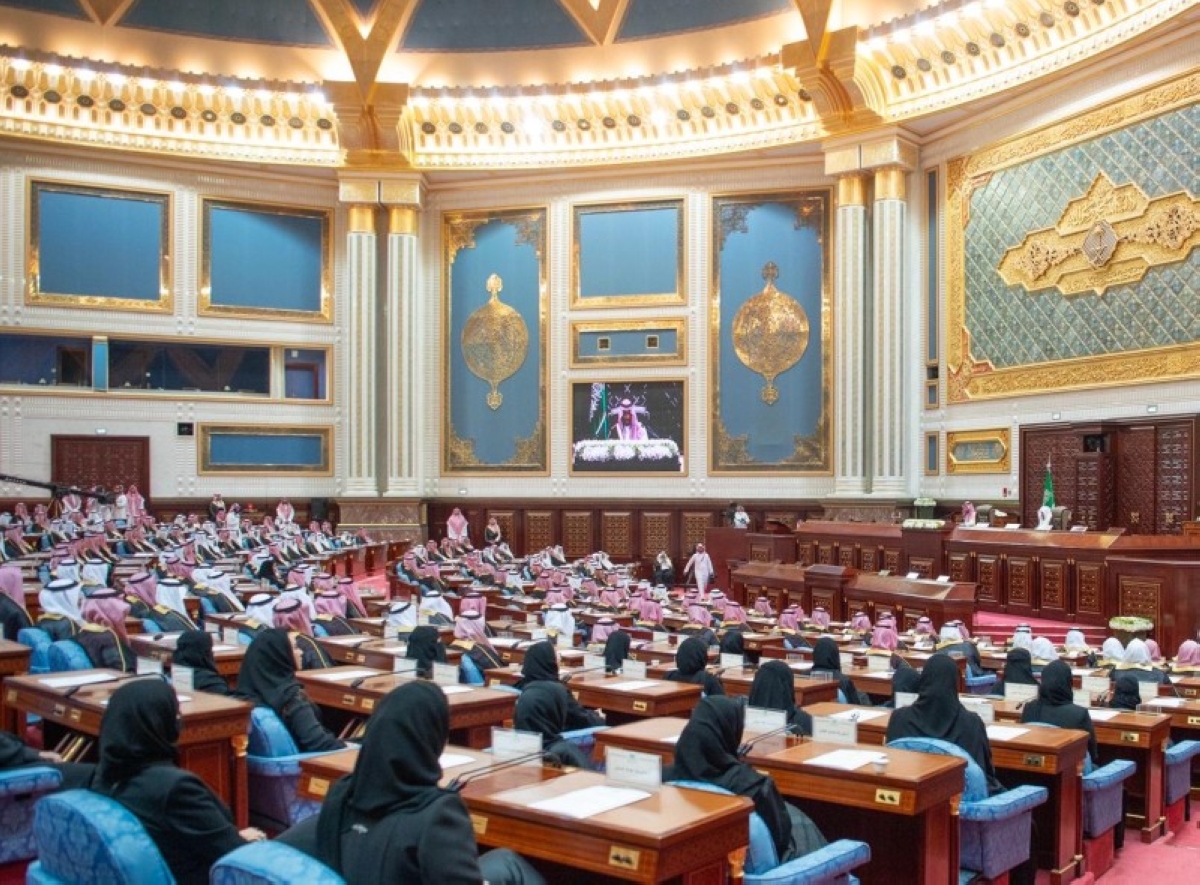
منذ أول خطاب للملك عبدالعزيز في مكة قبل نحو قرن، وحتى كلمات ولي العهد في مجلس الشورى اليوم، ظلت الخطابات الملكية مرآة لتطور الدولة السعودية. في البداية كانت لإرساء الشرعية وتثبيت الأمن، ثم تحولت إلى منصات للتنمية، وبعدها إلى وثائق إصلاح وتخطيط اقتصادي، وصولا إلى كونها اليوم خارطة طريق تنفيذية تُقاس بالمؤشرات. وما بين البداية والحاضر، يظل خيط واحد يربطها جميعا: التمسك بالشريعة، خدمة الحرمين، ونصرة قضايا العرب والمسلمين.
With the establishment of the Shura Council in 1346 AH/1927, King Abdulaziz - may God have mercy on him - delivered the first royal speech in Mecca, establishing an annual political tradition that combines the state's direction and clarifies its policies before the representatives of the nation. The focus of the speech at that time was on consolidating governance based on Islamic law, establishing security after years of turmoil, and organizing financial and administrative affairs. The speeches of the founder were foundational documents that reassured the internal audience and announced to the world that the Saudi state had come to stay.
King Saud and King Faisal
During the reign of King Saud bin Abdulaziz - may God have mercy on him - royal speeches transformed into messages for building the modern state, covering education, health, and infrastructure. Then came King Faisal - may God have mercy on him - who made his speeches a platform to emphasize the Kingdom's Arab and Islamic role, especially in supporting Palestine and defending Arab issues in international forums. During his reign, the dimensions of the speech expanded to include foreign policy as much as domestic policy.
King Khalid and King Fahd
The speeches of King Khalid - may God have mercy on him - witnessed a connection between the oil boom and development plans, emphasizing the unity of the Gulf and Arab front. As for King Fahd - may God have mercy on him - he was known for his comprehensive speeches that linked the economy to human development, announcing in one of them the "Basic System of Governance" as a reference document. He also solidified the Kingdom's presence in the Organization of Islamic Cooperation and the Gulf Cooperation Council, making the royal speech a reflection of internal transformations and the Kingdom's position abroad.
King Abdullah
During the reign of King Abdullah - may God have mercy on him - royal speeches reflected a clear reformist direction, from enhancing education to launching scholarship programs, along with expanding social services. The language of the speech was close to the citizen, focusing on improving living standards and affirming the Kingdom's status as the custodian of the Two Holy Mosques and a supporter of Islamic issues.
King Salman
With the assumption of the Custodian of the Two Holy Mosques, King Salman bin Abdulaziz - may God protect him - the function of the royal speech renewed as a roadmap for state institutions. The speeches announced Vision 2030 for the Kingdom, emphasizing economic diversification, empowering youth and women, and improving quality of life. Palestine and Arab and Islamic issues remained a central constant in every speech, reflecting the continuity of the Saudi position since its establishment.
Crown Prince... The Language of Indicators
In the speeches delivered by the Crown Prince on behalf of the King, the executive nature of the vision emerged, with key messages including reducing unemployment to its lowest levels, increasing women's participation in the labor market, reducing the percentage of low-income individuals, and evaluating the economic and social impact of public spending. His position on housing was also clear, as he described the rise in housing prices as unacceptable, emphasizing policies to restore balance. On the external level, the Kingdom's constants continued to support Palestine and defend Arab and Muslim issues. These speeches carried the language of numbers, linking policies to results, becoming a periodic monitoring tool for the performance of government agencies.
A Mirror of the State's Development
Since King Abdulaziz's first speech in Mecca nearly a century ago, to the words of the Crown Prince in the Shura Council today, royal speeches have remained a mirror of the development of the Saudi state. Initially, they were meant to establish legitimacy and secure safety, then they transformed into platforms for development, followed by documents for reform and economic planning, culminating in their current role as an executive roadmap measured by indicators. Between the beginning and the present, there remains a single thread that connects them all: adherence to Sharia, serving the Two Holy Mosques, and supporting the issues of Arabs and Muslims.