


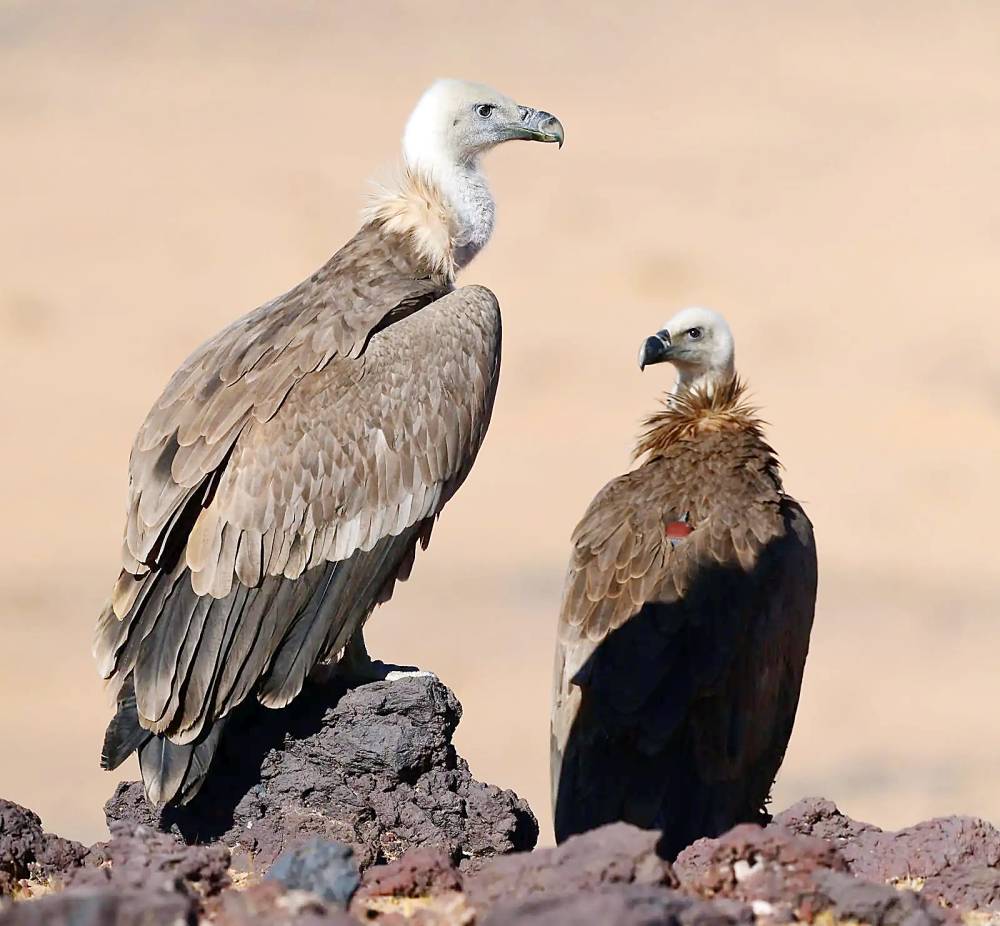
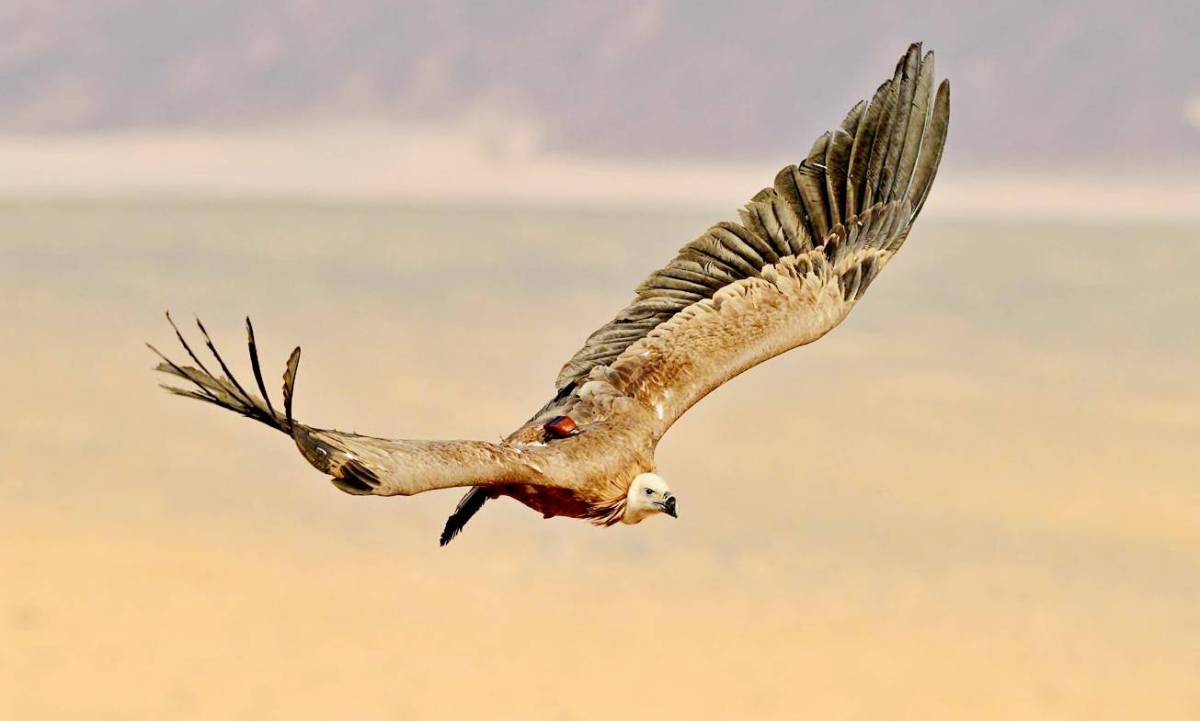
كشفت محمية الأمير محمد بن سلمان الملكية، معلومات سجلتها أجهزة تتبّع ثبتتها على طائرَيْن من نوع النسر الأسمر الأوراسي، المهدد بالانقراض، تفيد بقطعهما مسافة 245632 كيلومتراً عبر 8 دول خلال الـ29 شهراً الماضية.
وتُعد هذه المعلومات الآنية المسجلة هي الأولى من نوعها في المملكة، وتصدر بمناسبة اليوم العالمي للتوعية بالنسور؛ بهدف تسليط الضوء على التحديات العالمية التي تواجه الحفاظ على النسور والتأكيد على ضرورة تعزيز مستويات التعاون الدولي في مجال الحفاظ على البيئة لضمان استمرار هذه الأنواع.
وأطلقت المحمية الطائرَيْن في 3 أبريل 2023م، وقطع النسر الأول مسافة 119499 كيلومتراً من شمال غرب المملكة وعبر الأردن وسورية والعراق وتركيا وأرمينيا وأذربيجان وإيران، وعاد في شتاء 2023م إلى جنوب غرب المملكة عبر المحمية، ثم هاجر شمالاً في ربيع 2024م، واستقر منذئذٍ في جبال أرمينيا وأذربيجان، وحلّق النسر حتى الآن على ارتفاعات وصلت إلى 6527 متراً فوق سطح البحر، وبسرعات بلغت 123 كيلومتراً بالساعة ضمن درجات حرارة هواء تراوح بين 9 و54 درجة مئوية.
وانطلق الطائر الثاني من أراضي المحمية نحو العراق، وحلّق على ارتفاعات وصلت إلى 9029 متراً فوق سطح البحر (ما يعادل ثلاثة أضعاف ارتفاع طيران الطائرة الخفيفة) وبسرعات بلغت 128 كيلومتراً بالساعة قبل أن يستقر في جبال القوقاز الصغرى في تركيا وإيران، وسجلت أجهزة التتبع المثبتة عليه قطعه مسافة 126133 كيلومتراً عبر المملكة والأردن والعراق وتركيا وإيران، وأشارت هذه المعلومات إلى اختلاف سلوكيات أفراد النوع ذاته بين الهجرة والاستقرار.
وأوضح الرئيس التنفيذي لمحمية الأمير محمد بن سلمان، آندرو زالوميس، أن بيانات التتبّع تعد أول دراسة شاملة لسلوكيات النسر الأسمر الأوراسي في المملكة وخارجها، وأن هذه المعلومات تكشف أن الطائرَيْن قطعا مسافة تعادل 6 دورات حول الأرض خلال أقل من عامين ونصف، مشيراً إلى أهمية التعامل مع أسراب الطيور المهاجرة بوصفها مجموعات فرعية عابرة للحدود؛ بهدف الحفاظ عليها.
وتعاونت محمية الأمير محمد بن سلمان مع المركز الوطني للحياة البرية بهدف إعادة تأهيل طائرَيْن من نوع النسر الأسمر الأوراسي تم إنقاذهما وتوطينهما في البراري في أبريل 2023م، وتم تزويدهما بأجهزة تتبّع لتسجيل سلوكياتهما منذ ذلك الوقت، ووقع الاختيار على هذه المحمية البرية والبحرية، التي تبلغ مساحتها 24500 كيلومتر مربع، لإطلاق الطائرَيْن نظراً لمزاياها بصفتها موئلاً مثالياً لتعشيش واستقرار النسر الأسمر الأوراسي، وزوّدت المحمية الطائرين بأجهزة تتبّع تعمل بالطاقة الشمسية عبر الأقمار الاصطناعية بهدف تعقّب أنماط الحركة والهجرة لكلٍ منهما بعد إطلاقهما، وسيتم التخلّص من هذه الأجهزة تلقائياً بعد ثلاث سنوات عند تحلل أشرطة التفلون التي تثبتها.
النسور تواجه أزمة غير مسبوقة
تواجه النسور أزمة غير مسبوقة على مستوى العالم فيما يخص جهود الحماية البيئية، فعلى الرغم من دورها الحيوي في الحفاظ على سلامة الأنظمة البيئية ومنع انتشار الأمراض من خلال إسهامها في الحفاظ على نظافة الطبيعة، تم إدراج جميع أنواع النسور في قائمة الأنواع المهددة بالانقراض ضمن القائمة الحمراء الخاصة بالاتحاد الدولي لحفظ الطبيعة، ولا تزال تظهر النسور حساسية عالية تجاه التسمّم، سواء المتعمد أو العرضي، إضافة إلى مجموعة من العوامل التي تهدد بفقدان موائلها الطبيعية، والصيد غير المشروع بقصد التجارة، فضلاً عن حوادث الصعق الكهربائي الناتجة عن خطوط الكهرباء.
وتتيح البيانات التي تم جمعها للمحمية، وضع وتنفيذ إستراتيجيات إدارة دقيقة، إذ ساعدت الطيور التي تحمل أجهزة تتبع على تحديد مواقع النسور المقيمة والمهاجرة؛ مما مكّن فرق المراقبة من تركيز جهودها على مواقع محددة داخل نطاق المحمية، ونتيجةً لذلك باتت المحمية ترصد مواطن النسور الموسومة وغير الموسومة على حدٍ سواء، مع ضمان أعلى مستويات الحماية لهذه الموائل وفق مخطط تقسيم المناطق داخل المحمية، وفي سبتمبر 2024م، أفضت هذه الجهود إلى اكتشاف 4 أعشاش نشطة للنسر الأسمر الأوراسي في 3 مستعمرات تكاثر متفرقة؛ مما يعكس نجاح المحمية في كونها ملاذاً طبيعياً لإرث المملكة البيئي.
محمية الأمير محمد بن سلمان أطلقت الطائرَيْن في أبريل 2023..
طائران من النسر الأسمر مزوّدان بأجهزة تتبّع يقطعان 245000 كيلومتر عبر 8 دول
5 سبتمبر 2025 - 00:41
|
آخر تحديث 5 سبتمبر 2025 - 00:41


تابع قناة عكاظ على الواتساب
«عكاظ» (تبوك) okaz_online@
The Prince Mohammed bin Salman Royal Reserve revealed information recorded by tracking devices installed on two Eurasian griffon vultures, which are endangered, indicating that they covered a distance of 245,632 kilometers across 8 countries over the past 29 months.
This real-time data is the first of its kind in the Kingdom and is released on the occasion of World Vulture Awareness Day, aimed at highlighting the global challenges facing vulture conservation and emphasizing the need to enhance levels of international cooperation in environmental conservation to ensure the survival of these species.
The reserve released the two birds on April 3, 2023. The first vulture traveled a distance of 119,499 kilometers from the northwest of the Kingdom, passing through Jordan, Syria, Iraq, Turkey, Armenia, Azerbaijan, and Iran, and returned in the winter of 2023 to the southwest of the Kingdom via the reserve. It then migrated north in the spring of 2024 and has since settled in the mountains of Armenia and Azerbaijan, soaring to altitudes of up to 6,527 meters above sea level and reaching speeds of 123 kilometers per hour in air temperatures ranging from 9 to 54 degrees Celsius.
The second bird took off from the reserve towards Iraq, soaring to altitudes of 9,029 meters above sea level (equivalent to three times the height of a light aircraft) and reaching speeds of 128 kilometers per hour before settling in the Lesser Caucasus mountains in Turkey and Iran. The tracking devices recorded its journey of 126,133 kilometers across the Kingdom, Jordan, Iraq, Turkey, and Iran, indicating differences in the behaviors of individuals of the same species between migration and settlement.
Andrew Zalomis, the CEO of the Prince Mohammed bin Salman Reserve, explained that the tracking data represents the first comprehensive study of the behaviors of the Eurasian griffon vulture in the Kingdom and beyond. This information reveals that the two birds traveled a distance equivalent to 6 circuits around the Earth in less than two and a half years, highlighting the importance of treating migratory bird flocks as transboundary subgroups for conservation purposes.
The Prince Mohammed bin Salman Reserve collaborated with the National Center for Wildlife to rehabilitate two Eurasian griffon vultures that were rescued and released into the wild in April 2023. They were equipped with tracking devices to record their behaviors since that time. This terrestrial and marine reserve, covering an area of 24,500 square kilometers, was chosen for the release of the birds due to its advantages as an ideal habitat for nesting and settling of the Eurasian griffon vulture. The reserve provided the birds with solar-powered tracking devices via satellites to monitor their movement and migration patterns after their release, and these devices will be disposed of automatically after three years when the Teflon straps that secure them degrade.
Vultures Face Unprecedented Crisis
Vultures are facing an unprecedented crisis worldwide regarding environmental protection efforts. Despite their vital role in maintaining ecosystem health and preventing disease spread by contributing to nature's cleanliness, all vulture species have been listed as endangered in the International Union for Conservation of Nature's Red List. Vultures continue to show high sensitivity to poisoning, whether intentional or accidental, in addition to a range of factors threatening their natural habitats, illegal hunting for trade, and incidents of electrocution from power lines.
The data collected by the reserve allows for the development and implementation of precise management strategies, as the birds carrying tracking devices helped identify the locations of resident and migratory vultures. This enabled monitoring teams to focus their efforts on specific locations within the reserve. As a result, the reserve now monitors both marked and unmarked vulture habitats, ensuring the highest levels of protection for these habitats according to the zoning plan within the reserve. In September 2024, these efforts led to the discovery of 4 active nests of the Eurasian griffon vulture in 3 scattered breeding colonies, reflecting the reserve's success as a natural sanctuary for the Kingdom's environmental heritage.
This real-time data is the first of its kind in the Kingdom and is released on the occasion of World Vulture Awareness Day, aimed at highlighting the global challenges facing vulture conservation and emphasizing the need to enhance levels of international cooperation in environmental conservation to ensure the survival of these species.
The reserve released the two birds on April 3, 2023. The first vulture traveled a distance of 119,499 kilometers from the northwest of the Kingdom, passing through Jordan, Syria, Iraq, Turkey, Armenia, Azerbaijan, and Iran, and returned in the winter of 2023 to the southwest of the Kingdom via the reserve. It then migrated north in the spring of 2024 and has since settled in the mountains of Armenia and Azerbaijan, soaring to altitudes of up to 6,527 meters above sea level and reaching speeds of 123 kilometers per hour in air temperatures ranging from 9 to 54 degrees Celsius.
The second bird took off from the reserve towards Iraq, soaring to altitudes of 9,029 meters above sea level (equivalent to three times the height of a light aircraft) and reaching speeds of 128 kilometers per hour before settling in the Lesser Caucasus mountains in Turkey and Iran. The tracking devices recorded its journey of 126,133 kilometers across the Kingdom, Jordan, Iraq, Turkey, and Iran, indicating differences in the behaviors of individuals of the same species between migration and settlement.
Andrew Zalomis, the CEO of the Prince Mohammed bin Salman Reserve, explained that the tracking data represents the first comprehensive study of the behaviors of the Eurasian griffon vulture in the Kingdom and beyond. This information reveals that the two birds traveled a distance equivalent to 6 circuits around the Earth in less than two and a half years, highlighting the importance of treating migratory bird flocks as transboundary subgroups for conservation purposes.
The Prince Mohammed bin Salman Reserve collaborated with the National Center for Wildlife to rehabilitate two Eurasian griffon vultures that were rescued and released into the wild in April 2023. They were equipped with tracking devices to record their behaviors since that time. This terrestrial and marine reserve, covering an area of 24,500 square kilometers, was chosen for the release of the birds due to its advantages as an ideal habitat for nesting and settling of the Eurasian griffon vulture. The reserve provided the birds with solar-powered tracking devices via satellites to monitor their movement and migration patterns after their release, and these devices will be disposed of automatically after three years when the Teflon straps that secure them degrade.
Vultures Face Unprecedented Crisis
Vultures are facing an unprecedented crisis worldwide regarding environmental protection efforts. Despite their vital role in maintaining ecosystem health and preventing disease spread by contributing to nature's cleanliness, all vulture species have been listed as endangered in the International Union for Conservation of Nature's Red List. Vultures continue to show high sensitivity to poisoning, whether intentional or accidental, in addition to a range of factors threatening their natural habitats, illegal hunting for trade, and incidents of electrocution from power lines.
The data collected by the reserve allows for the development and implementation of precise management strategies, as the birds carrying tracking devices helped identify the locations of resident and migratory vultures. This enabled monitoring teams to focus their efforts on specific locations within the reserve. As a result, the reserve now monitors both marked and unmarked vulture habitats, ensuring the highest levels of protection for these habitats according to the zoning plan within the reserve. In September 2024, these efforts led to the discovery of 4 active nests of the Eurasian griffon vulture in 3 scattered breeding colonies, reflecting the reserve's success as a natural sanctuary for the Kingdom's environmental heritage.


