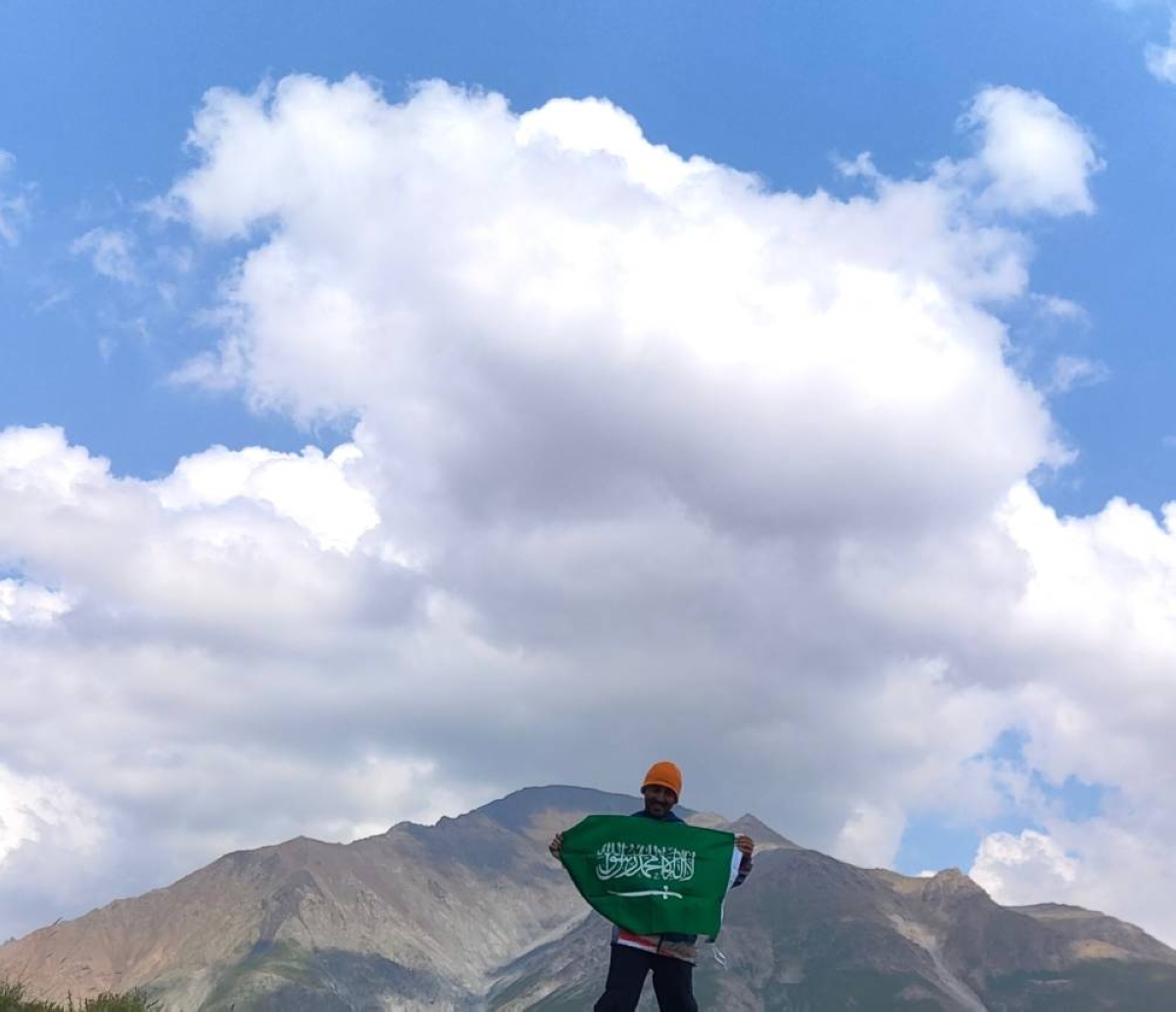
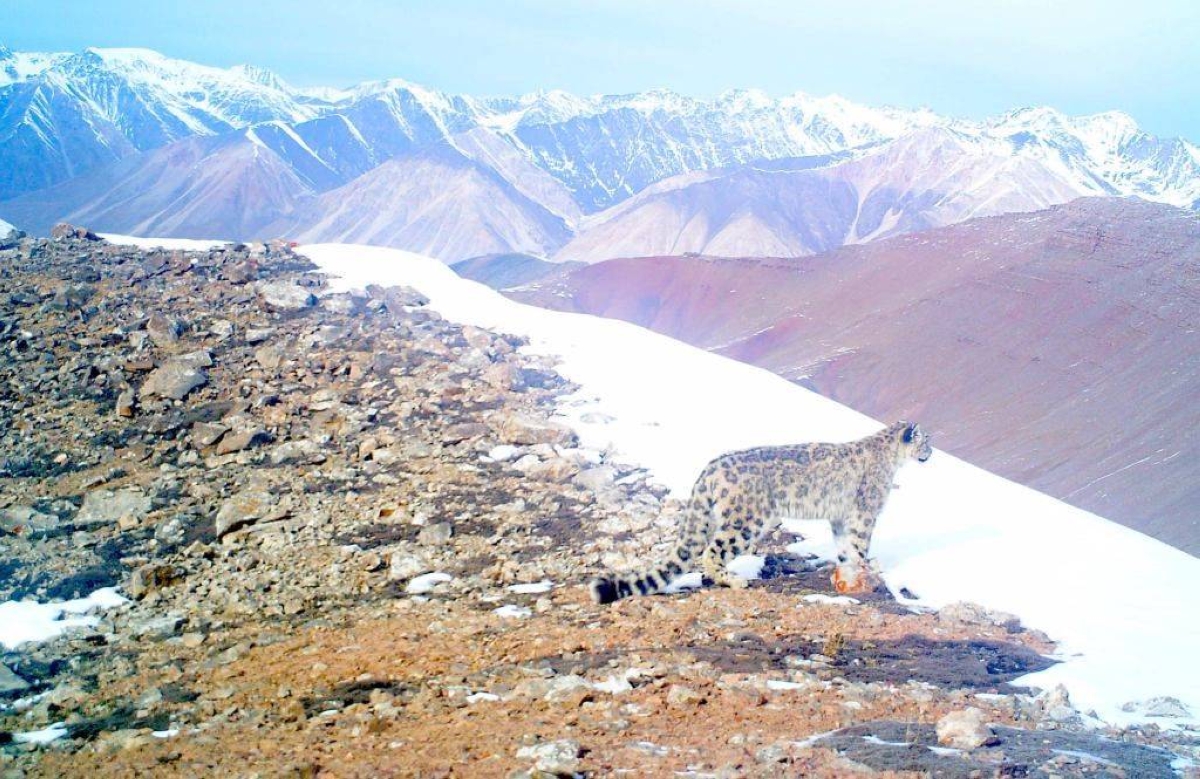
شارك الباحث السعودي المستقل عبدالعزيز الكعبور في بعثة علمية دولية تحت إشراف منظمة NABU الألمانية (الاتحاد الألماني لحماية الطبيعة والتنوع البيولوجي)، لدراسة النمور الثلجية وطرائدها من الوعول والخراف البرية، في سلسلة جبال تين شان الشاهقة الواقعة في جمهورية قيرغيزستان.
وتُعد جبال تين شان واحدة من أعظم السلاسل الجبلية في العالم، إذ تحتل المرتبة السادسة عالميا من حيث الارتفاع، وتضم قمما شاهقة يتجاوز ارتفاعها 7000 متر عن سطح البحر، ما يجعلها بيئة بالغة القسوة لا تقطنها سوى قلة من الكائنات القادرة على التكيف، وعلى رأسها النمر الثلجي الذي يلقب بـ«شبح الجبال».
وضم الفريق نخبة من العلماء من ألمانيا، والمملكة المتحدة، وإيرلندا، والولايات المتحدة الأمريكية، الذين عملوا على مدار أسبوعين في بيئة قاسية، لرصد هذا النوع المهدد بالانقراض، والذي يُعد من أكثر الكائنات البرية صعوبة في التتبع.
تُعرف النمور الثلجية عالميا بلقب «أشباح الجبال»، نظرا لدهائها وصعوبة رصدها وقدرتها المذهلة على التخفّي في البيئات الجبلية القاسية، ما يجعل رؤيتها في الطبيعة حدثا نادرا للغاية. ويقدّر الاتحاد الدولي لحماية الطبيعة (IUCN) أعدادها المتبقية بين 4,000 و6,500 نمر فقط، وهو ما يضعها ضمن فئة الأنواع المهددة بالانقراض.
تمثل النمور الثلجية أحد أهم المفترسات العلوية في الأنظمة البيئية الجبلية، إذ تلعب دورا جوهريا في تنظيم أعداد الفرائس مثل الوعول والخراف البرية، والحفاظ على صحة التوازن البيئي. فاختفاؤها يعني اختلال المنظومة الطبيعية بأكملها، وتهديد تنوع بيولوجي فريد لا يوجد إلا في هذه القمم النائية.
وأوضح الكعبور لـ«عكاظ» أن هذه المشاركة الميدانية جاءت بعد فترة طويلة من التحضير والتدريب، وقال: «كان من الشرف الكبير أن أكون جزءا من هذه البعثة الدولية، وأن أرفع راية السعودية في مهمة علمية هدفها حماية أحد أكثر المفترسات جمالا وغموضا على وجه الأرض. العمل في أعالي جبال تين شان كان مرهقا بدنيا وذهنيا، لكن كل خطوة في هذا الطريق كانت تستحق العناء».
وأضاف: «واجهنا تحديات جسيمة، من عبور أنهار جليدية تفقدك الإحساس بأطرافك، إلى تسلق مرتفعات ينخفض فيها الأكسجين إلى ما دون النصف مقارنة بمستوى سطح البحر، فضلا عن العواصف الثلجية والمطرية والرعدية المفاجئة».
وعن اللحظة الأبرز في رحلته، أشار الكعبور إلى أول صورة رُصد فيها نمر ثلجي عبر الكاميرات الفخّية: «كنت أبحث بين أكثر من 8000 صورة لم تسجّل سوى تساقط الثلوج، وفجأة ظهرت 3 صور مختلفة، إحداها تُظهر نمرا ثلجيا يعبر أمام الكاميرا. في تلك اللحظة قفزت من مقعدي فرحا، فالكاميرا التي استغرقت 12 ساعة من التسلق ومجهودا مضنيا في التركيب والبحث، كُللت بالنجاح بتوثيق واحد من أكثر القطط دهاء ومراوغة في العالم».
وأسفرت البعثة عن عدد من النتائج الأولية المهمة، أبرزها:
• مسح 30 موقعا بيئيا (Cells).
• تركيب 8 كاميرات فخّية جديدة، وصيانة 4 كاميرات قائمة.
• تسجيل 4 أحداث وجود نمر ثلجي عبر الكاميرات.
• جمع عينة براز يُشتبه بأنها تعود لنمر ثلجي لتحليلها وراثيا.
• رصد أنواع متعددة مثل: الثعالب، الوعول، ابن عرس، وطائر الثلج (Snowcock).
• تسجيل رؤية مباشرة لذئب بري، وتلقي معلومات عن وجود دب تين شان النادر.
• توثيق 7 أنواع مختلفة من الطيور.
• التحقق الكامل من صور جميع الكاميرات الفخّية.
وأكد الكعبور أن مشاركته كباحث سعودي مستقل في بعثة دولية بهذا الحجم تمثل حدثا ملهما، يعكس حضور المملكة في قضايا البيئة العالمية، مضيفا: «هذه التجربة ليست مجرد عمل علمي، بل رسالة واضحة بأن الباحثين السعوديين قادرون على خوض أصعب المهمات البيئية عالميا، والمساهمة الفاعلة في حماية الحياة الفطرية».
واختتم الكعبور حديثه قائلا: رؤية نمر ثلجي في قلب هذه القمم ليست مجرد إنجاز علمي، بل لحظة إنسانية عميقة تُذكّرنا بواجبنا في حماية هذه الكائنات النادرة وموائلها الطبيعية. لقد كان لي شرف أن أرفع اسم المملكة في بعثة دولية بهذا الحجم، وأتطلع أن تكون هذه التجربة نقطة انطلاق نحو انخراط أوسع في مشاريع علمية ذات أثر عالمي، ومزيد من التعاون الدولي في مجال حماية الحياة الفطرية، بما ينسجم مع رؤية السعودية 2030 الطامحة إلى مستقبل أكثر استدامة.
The independent Saudi researcher Abdulaziz Al-Kabour participated in an international scientific mission under the supervision of the German organization NABU (the German Union for the Protection of Nature and Biodiversity) to study snow leopards and their prey, such as ibex and wild sheep, in the towering Tian Shan mountain range located in the Kyrgyz Republic.
The Tian Shan mountains are considered one of the greatest mountain ranges in the world, ranking sixth globally in terms of height, and they include peaks that exceed 7,000 meters above sea level, making them an extremely harsh environment inhabited only by a few creatures capable of adaptation, foremost among them the snow leopard, which is nicknamed the "ghost of the mountains."
The team included a select group of scientists from Germany, the United Kingdom, Ireland, and the United States, who worked for two weeks in a harsh environment to monitor this endangered species, which is one of the most difficult wild animals to track.
Snow leopards are globally known as "ghosts of the mountains" due to their cunning, difficulty in being spotted, and their remarkable ability to conceal themselves in harsh mountainous environments, making sightings in the wild an extremely rare event. The International Union for Conservation of Nature (IUCN) estimates their remaining population to be between 4,000 and 6,500 leopards, placing them in the category of endangered species.
Snow leopards represent one of the most important apex predators in mountain ecosystems, playing a crucial role in regulating prey populations such as ibex and wild sheep, and maintaining the health of ecological balance. Their disappearance would mean a disruption of the entire natural system and a threat to a unique biodiversity that exists only in these remote peaks.
Al-Kabour explained to “Okaz” that this field participation came after a long period of preparation and training, saying: “It was a great honor to be part of this international mission and to raise the flag of Saudi Arabia in a scientific endeavor aimed at protecting one of the most beautiful and mysterious predators on Earth. Working in the heights of the Tian Shan mountains was physically and mentally exhausting, but every step of the way was worth the effort.”
He added: “We faced significant challenges, from crossing glacial rivers that numb your limbs to climbing heights where the oxygen level drops to less than half compared to sea level, in addition to sudden snow, rain, and thunder storms.”
Regarding the most notable moment of his journey, Al-Kabour pointed to the first image captured of a snow leopard through the camera traps: “I was sifting through over 8,000 images that recorded nothing but snowfall, and suddenly three different images appeared, one of which showed a snow leopard crossing in front of the camera. At that moment, I jumped from my seat in joy, as the camera that took 12 hours of climbing and painstaking effort to set up and search was crowned with success by documenting one of the most cunning and elusive cats in the world.”
The mission yielded several important preliminary results, the most notable of which are:
• Surveying 30 environmental sites (Cells).
• Installing 8 new camera traps and maintaining 4 existing cameras.
• Recording 4 instances of snow leopard presence through the cameras.
• Collecting a fecal sample suspected to belong to a snow leopard for genetic analysis.
• Observing multiple species such as: foxes, ibex, weasels, and the snowcock (Snowcock).
• Documenting a direct sighting of a wild wolf and receiving information about the presence of the rare Tian Shan bear.
• Documenting 7 different species of birds.
• Complete verification of images from all camera traps.
Al-Kabour affirmed that his participation as an independent Saudi researcher in such a large international mission represents an inspiring event, reflecting the Kingdom's presence in global environmental issues, adding: “This experience is not just a scientific endeavor, but a clear message that Saudi researchers are capable of undertaking the most challenging environmental missions globally and actively contributing to wildlife conservation.”
Al-Kabour concluded his remarks by saying: “Seeing a snow leopard in the heart of these peaks is not just a scientific achievement, but a profound human moment that reminds us of our duty to protect these rare creatures and their natural habitats. It has been my honor to raise the name of the Kingdom in such a large international mission, and I look forward to this experience being a starting point for broader engagement in scientific projects with global impact and further international cooperation in wildlife conservation, in line with Saudi Vision 2030, which aspires to a more sustainable future.”