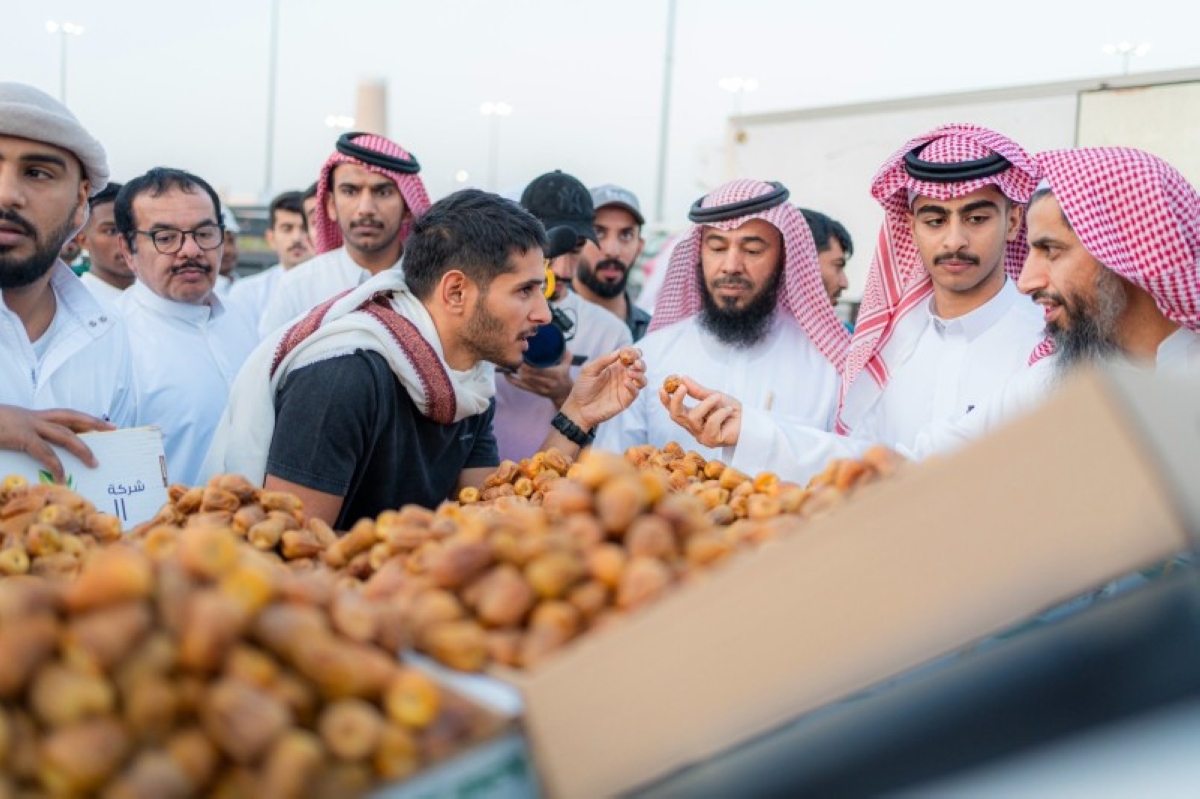
تواصل منطقة القصيم تعزيز مكانتها كأكبر سلة للتمور في المملكة، عبر كرنفال بريدة للتمور الذي يعد المنفذ التسويقي الأكبر من نوعه. ووفقاً للبيانات الرسمية، يبلغ حجم إنتاج التمور في المنطقة نحو 390 ألف طن سنوياً، يمثل حصيلة مزارع نخيلها الممتدة على مساحات واسعة.
وكشف الموقع الرسمي لكرنفال بريدة للتمور أن الإيرادات السنوية تخطت 3.2 مليار ريال سعودي، في مؤشر يعكس قوة السوق، وحجم العوائد الاقتصادية التي يحققها هذا الحدث التسويقي الأكبر من نوعه في المملكة، والذي أصبح منصة عالمية لتصدير التمور وتعزيز حضورها في الأسواق الدولية.
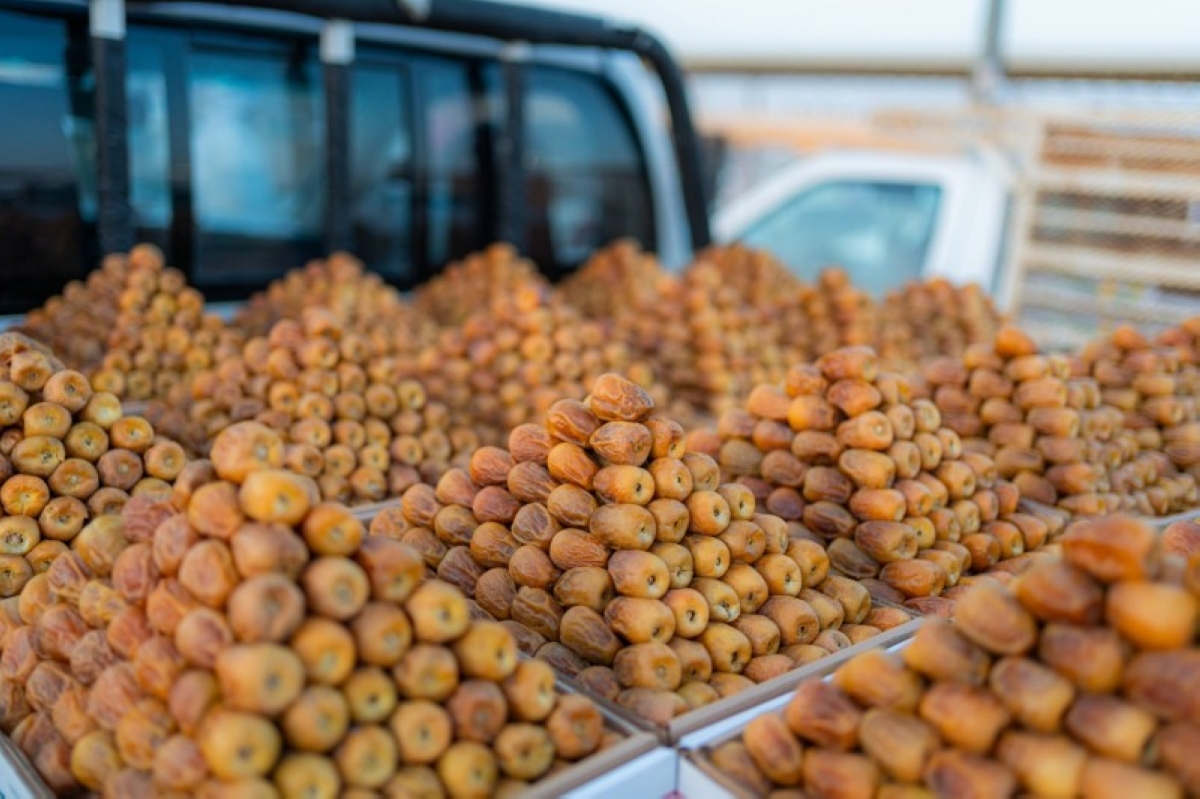
هذا الإنتاج الضخم لا يقف عند حدود الاستهلاك المحلي، بل يشكل رافداً رئيسياً لصادرات المملكة، إذ يتم تسويق أكثر من 100 صنف من أجود أنواع التمور السعودية، تتنوع بين السكري والرشودي والخلاص وغيرها، ما يمنح السوق ميزة تنوع تلبي مختلف الأذواق.
الكرنفال لا يقتصر على كونه مهرجاناً موسمياً، بل هو مركز تسويقي متكامل يستقبل يومياً أكثر من 1000 سيارة محملة بأطنان التمور، تتجه إلى مختلف مناطق المملكة، فيما يخرج من الموقع يومياً أكثر من 500 شاحنة مخصصة للتوزيع الداخلي والخارجي.
هذه الحركة اليومية تعكس حجم النشاط الاقتصادي المصاحب، بدءاً من عمليات البيع المباشر في السوق المفتوحة، وصولاً إلى التعبئة والتغليف والنقل والتصدير.
وبفضل البنية التحتية المتطورة في القصيم، أصبح كرنفال بريدة منصة تصديرية مهمة، وتصل منتجاته إلى أكثر من 100 دولة حول العالم. ويعزز ذلك موقع المملكة كأكبر مصدر للتمور، ويضع القصيم في قلب المشهد الدولي لأسواق الغذاء.
كما يسهم الكرنفال في رفع القيمة المضافة للتمور السعودية عبر تشجيع الاستثمار في الصناعات التحويلية المرتبطة بها، مثل منتجات العجوة والدبس والمعمول، ما يفتح آفاقاً اقتصادية أوسع.
ويتكامل الكرنفال مع مستهدفات رؤية السعودية 2030 في جانب تنويع القاعدة الاقتصادية وإلى جانب العوائد الاقتصادية، يمثل كرنفال بريدة فعالية اجتماعية وثقافية كبرى تجمع المزارعين والتجار والمستهلكين. كما يشكل منصة للتعريف بتراث المنطقة الزراعي، ويجذب آلاف الزوار من داخل المملكة وخارجها، ما يجعله حدثاً سياحياً وثقافياً متكاملاً.
The Al-Qassim region continues to strengthen its position as the largest date basket in the Kingdom, through the Buraidah Date Festival, which is the largest marketing outlet of its kind. According to official data, the volume of date production in the region is about 390,000 tons annually, representing the yield from its extensive palm farms.
The official website of the Buraidah Date Festival revealed that annual revenues exceeded 3.2 billion Saudi Riyals, indicating the strength of the market and the economic returns generated by this largest marketing event of its kind in the Kingdom, which has become a global platform for exporting dates and enhancing their presence in international markets.
This massive production does not stop at local consumption; it is a major contributor to the Kingdom's exports, as more than 100 varieties of the finest Saudi dates are marketed, ranging from Sukari, Rashodi, and Khalas, among others, providing the market with a diversity that meets various tastes.
The festival is not limited to being a seasonal event; it is a comprehensive marketing center that receives more than 1,000 trucks loaded with tons of dates daily, heading to various regions of the Kingdom, while more than 500 trucks designated for internal and external distribution leave the site each day.
This daily movement reflects the scale of the accompanying economic activity, starting from direct sales in the open market to packaging, transportation, and export.
Thanks to the advanced infrastructure in Al-Qassim, the Buraidah Festival has become an important export platform, with its products reaching more than 100 countries around the world. This enhances the Kingdom's position as the largest exporter of dates and places Al-Qassim at the heart of the international food market scene.
The festival also contributes to increasing the added value of Saudi dates by encouraging investment in related manufacturing industries, such as Ajwa, date syrup, and Maamoul products, opening up broader economic horizons.
The festival aligns with the goals of Saudi Vision 2030 in terms of diversifying the economic base, and alongside the economic returns, the Buraidah Festival represents a major social and cultural event that brings together farmers, traders, and consumers. It also serves as a platform to showcase the agricultural heritage of the region, attracting thousands of visitors from within and outside the Kingdom, making it a comprehensive tourist and cultural event.