


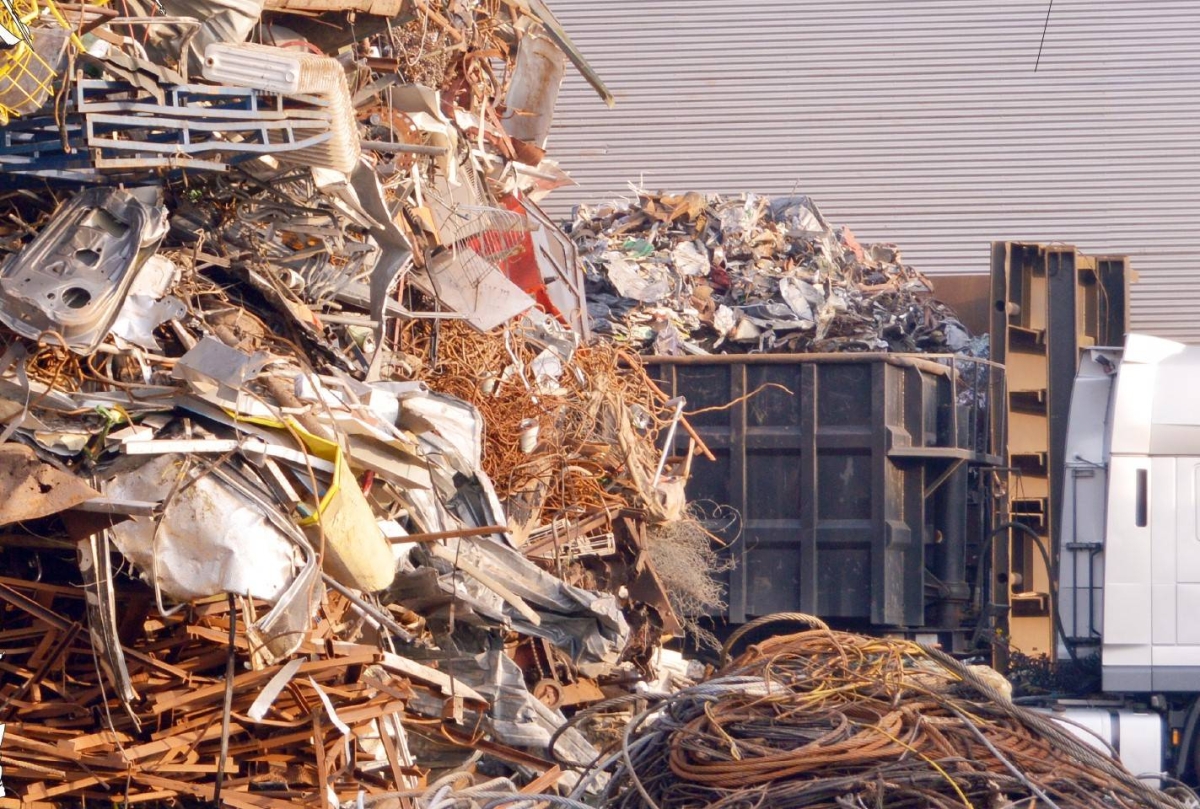
مؤشر خطر وسرقة كشفت مخاطر تجارة (السكراب) غير المنظمة، التي تعد سوقاً خصباً لتصريف المسروقات، وستارة نشطة للتستر، فحادثة سرقة كيابل 51 مدرسة في الرياض، لم تكن مجرد واقعة أو سرقة عابرة، بل جرس إنذار يستلزم فرض الأنظمة وضبط تجارة السكراب والخردة التي يقف خلفها وافدون من جنسيات مختلفة، جعلوا النشاط منطلقاً لتصريف المسروقات عبر عمالة تنبش في حاويات المخلفات وأخرى تتربص لتنفيذ سرقات الحديد والنحاس والأسلاك الكهربائية من المنازل والمباني تحت الإنشاء لتصل إلى الممتلكات العامة والخاصة.
فسرقة كيابل المدارس ألقت بالضوء نحو مواقع تصريف المسروقات من أسلاك ونحاس، فلا تزال عمليات بيع وشراء سكراب الحديد تشكل مجالاً رحباً لأصحاب النفوس الضعيفة لمواصلة سرقاتهم من حديد أو نحاس أو كيابل كهربائية أو أغطية الصرف الصحي لتصل إلى طفايات الحريق واللوحات الإرشادية في الطرق حتى «عيون القط» لم تسلم من أفعالهم، مستغلين عدم وجود الأنظمة والضوابط لهذه المهنة وغياب الرقابة عنهم؛ بسبب تداخل الصلاحيات وعدم وجود جهة رقابية لعمليات البيع والشراء، فلا يتطلب نشاطهم غير أراضٍ مسورة في أطراف المدن وعمالة لا تعرف النظام.
الزموا الباعة بالفواتير
الخبير الأمني اللواء متقاعد مسفر الجعيد، يرى أن هذه المواقع تحولت إلى حلقة خطيرة لتصريف المسروقات، ومنفذاً خلفياً لجرائم السرقة التي تطال الممتلكات العامة والخاصة، ما يحتم ضبط النشاط عبر تشريعات واضحة تُلزم المحلات بعدم استقبال أي مواد بلا وثائق ملكية، وفرض عقوبات رادعة على المخالفين، وتحويل تجارة الخردة والسكراب إلى نشاط منظم يحظى بالرقابة والنظام أسوة بغيرها من الأنشطة، ومن أكثر المواقع التي تشهد السرقات هي المباني تحت الإنشاء.. إذ يعاني الكثير من أصحاب المباني من سرقات الكيابل كقطع الألمنيوم، ما جعل الكثير منهم يلجؤون إلى تعيين حراس على تلك المباني أو تركيب كاميرات مراقبة تعطي إنذاراً عند أي تحرك أو تواجد الغرباء.
ويقترح اللواء الجعيد وضع أنظمة تلزم الأحواش والمواقع بعدم استقبال أي بضائع أو سكراب إلا بفواتير تكشف مصدرها، كما يجب أن يُمنع شراء أي أسلاك أو كيابل مقصوصة، والإبلاغ بشكل فوري عمن يحضرها، واستدعاء الأجهزة الأمنية لمباشرة التحقيق عن مصدرها، فشراء مثل هذه الأشياء يشجع ضعاف النفوس على سرقتها.
وبيّن الجعيد أن أي موقع يتم ضبط أي أسلاك أو كيابل أو مسروقات بداخله يعد شريكاً يجب محاسبته.
كنزٌ مفقود
الاقتصادي عبد المحسن البلوي قال لـ«عكاظ»: إنه من المعروف أن تجارة السكراب تعد كنزاً مهماً، فهو ليس مجرد مخلفات أو مواد منتهية الصلاحية يتم بيعها، فهدفها الأساسي توفير مواد خام لكثير من الصناعات المهمة مثل صناعة الحديد والصلب، الألومنيوم، النحاس وغيرها، وتعد هذه التجارة رافداً مهماً لإعادة تدوير المواد وجانباً مهماً لتوفير المصروفات عبر مواد خام بتكلفة أقل وداعمة للصناعات المحلية في مجال البناء والصناعة، ما يساعد الحفاظ على البيئة، ويجب أن نلتفت لهذا الرافد الاقتصادي الذي بات يقع تحت أيادي عمالة وافدة مخالفة، يستغلون عدم وجود تنظيم واضح، إذ يتضح أن أغلب العاملين في هذا المجال من مخالفي نظام الإقامة، ويعملون في مهن غير التي استقدموا لها، ويعملون لحسابهم الخاص.
تداخل الاختصاصات
هناك تداخل للاختصاصات مع غياب التشريعات المنظمة لتجارة السكراب، إذ يفترض إشراف جهات عدة على هذا النشاط، فوزارة التجارة هي المسؤولة عن إصدار السجل التجاري، كما تشرف على تطبيق نظام مكافحة التستر التجاري، وتصدر قرارات تتعلق بـ(استيراد وتصدير السكراب)، وتشرف على تداول السكراب الذي يحتوي على معادن ثمينة، أما وزارة البيئة والمركز الوطني لإدارة المعايير البيئية العامة لإدارة النفايات فمهمتهما تنظيم كل الأنشطة المتعلقة بإدارة النفايات، بما فيها جمع ونقل ومعالجة السكراب، عبر إصدار التراخيص والتصاريح اللازمة لمزاولة نشاط إدارة النفايات، ومراقبة الالتزام باللوائح وفرض العقوبات على المخالفين. فيما تتولى وزارة الموارد التثبت من العمالة بشكل نظامي. وتشرف وزارة البلديات على إصدار الرخص البلدية لمواقع السكراب ومحلات التجميع والمعالجة، كما يشارك الدفاع المدني والتثبت من مطابقة الموقع لاشتراطات السلامة والتنظيم المكاني... ونخلص من ذلك أن عدة جهات مسؤولة عن النشاط حسب اختصاصها، وتدخل هيئة الجمارك في الملف باعتبارها الجهة المشرفة على تنظيم استيراد وتصدير السكراب بضبط الإجراءات والقيود.
ضحايا السكراب يتحدثون
كشف لـ«عكاظ» عدد من الأشخاص الذين تعرضوا للسرقات عن كيفية حدوثها، وقال سالم الحازمي: لدي مبنى سكني وأنفقت الكثير على تمديدات الكهرباء، وفوجئت ذات يوم بأن أحدهم دخل إلى المبنى وعمل على قطع كيابل الكهرباء وسحب كافة الأسلاك من الجدران وكلفني ذلك أضعاف ما دفعته، وهذه المرة استعنت بحارس وكاميرات مراقبة ووضع أبواب حديدية.
أما نايف الحربي فقد تعرض مسكنه إلى سرقة كل ربطات الأسلاك والكيابل الكهربائية التي كانت في المبنى، كما عمد اللصوص إلى سحب الأسلاك من داخل الحائط، والمؤسف أن هذه المسروقات سيجد من يشتريها!
ويطالب الحربي بضرورة ضبط مواقع بيع السكراب ومنعها من شراء أي مسروقات أو بضائع دون التثبت من مصدرها والتأكد من هوية البائع.
ويشير عبدالله السهلي إلى أن غالبية من يعملون في بيع وشراء الحديد والألمنيوم من العمالة الوافدة التي قد تعمل لحسابها الخاص، والتي لا تطلب من يحضر لها بأي إثباتات تؤكد ملكيتهم للبضائع، ويأمل تكثيف الدور الرقابي على محلات بيع الخردة (السكراب) وإعادة تنظيمها، ومنع عملية أي بيع لأي خردوات دون فواتير وسندات تثبت مصدرها، والاعتماد على الدفع الإليكتروني لكشف أي عمليات تستر أو عمليات مشبوهة.
«السكراب».. مستودع المسروقات
29 أغسطس 2025 - 00:45
|
آخر تحديث 29 أغسطس 2025 - 07:09


تابع قناة عكاظ على الواتساب
إبراهيم العلوي (جدة) i_waleeed22@
Risk and Theft Index revealed the dangers of unregulated scrap trade, which is a fertile market for disposing of stolen goods and an active curtain for concealment. The incident of the theft of cables from 51 schools in Riyadh was not just an isolated incident or a random theft, but a wake-up call that necessitates the enforcement of regulations and the control of the scrap and waste trade, which is driven by expatriates of various nationalities. They have turned this activity into a means of disposing of stolen goods through workers rummaging through waste containers and others lurking to execute thefts of iron, copper, and electrical wires from homes and buildings under construction, reaching public and private properties.
The theft of school cables shed light on the sites for disposing of stolen wires and copper. The buying and selling of scrap iron still represents a wide field for those with weak morals to continue their thefts of iron, copper, electrical cables, or manhole covers, even fire extinguishers and road signs have not escaped their actions, taking advantage of the absence of regulations and controls for this profession and the lack of oversight due to overlapping authorities and the absence of a regulatory body for buying and selling operations. Their activity requires nothing more than fenced lands on the outskirts of cities and labor that does not know the law.
Require Sellers to Provide Invoices
Security expert, retired Major General Musfer Al-Juaid, believes that these sites have turned into a dangerous link for disposing of stolen goods and a backdoor for theft crimes targeting public and private properties. This necessitates regulating the activity through clear legislation that obliges shops not to accept any materials without ownership documents and imposing strict penalties on violators, transforming the scrap trade into an organized activity subject to oversight and regulation like other activities. One of the most theft-prone sites is buildings under construction, as many building owners suffer from cable thefts like aluminum pieces, prompting many of them to hire guards for those buildings or install surveillance cameras that alert them to any movement or presence of strangers.
General Al-Juaid suggests establishing regulations that require yards and sites not to accept any goods or scrap without invoices revealing their source. Additionally, the purchase of any cut wires or cables should be prohibited, and immediate reporting should be made about anyone bringing them, with security agencies summoned to investigate their source, as buying such items encourages weak-minded individuals to steal them.
Al-Juaid indicated that any site where any wires, cables, or stolen goods are found should be considered a partner that must be held accountable.
A Lost Treasure
Economist Abdul Mohsen Al-Balawi told "Okaz": It is well known that the scrap trade is an important treasure. It is not just waste or expired materials being sold; its primary goal is to provide raw materials for many important industries such as iron and steel, aluminum, copper, and others. This trade is an important source for recycling materials and a significant aspect of reducing expenses through cheaper raw materials that support local industries in construction and manufacturing, helping to preserve the environment. We must pay attention to this economic source that has fallen into the hands of illegal expatriate laborers who exploit the lack of clear regulation. It is evident that most workers in this field are violators of the residency system, working in professions other than those for which they were brought in, and working for themselves.
Overlapping Authorities
There is an overlap of authorities with the absence of legislation regulating the scrap trade, as several entities should supervise this activity. The Ministry of Commerce is responsible for issuing commercial registrations and overseeing the implementation of the Anti-Commercial Concealment System, issuing decisions related to (importing and exporting scrap), and supervising the trading of scrap containing precious metals. The Ministry of Environment and the National Center for Managing General Environmental Standards for Waste Management are responsible for organizing all activities related to waste management, including the collection, transportation, and processing of scrap, by issuing the necessary licenses and permits for waste management activities, monitoring compliance with regulations, and imposing penalties on violators. Meanwhile, the Ministry of Resources verifies the legality of labor. The Ministry of Municipalities supervises the issuance of municipal licenses for scrap sites and collection and processing shops, while the Civil Defense participates in ensuring that the site complies with safety and spatial organization requirements... We conclude that several entities are responsible for the activity according to their jurisdiction, and the Customs Authority is involved in the file as the supervising body for regulating the import and export of scrap by controlling procedures and restrictions.
Scrap Victims Speak
Several individuals who have been victims of thefts revealed to "Okaz" how they occurred. Salem Al-Hazmi said: I have a residential building and spent a lot on electrical installations. One day, I was surprised to find that someone had entered the building and cut the electrical cables, pulling all the wires from the walls, which cost me multiples of what I had paid. This time, I hired a guard and installed surveillance cameras and put up iron doors.
As for Nayef Al-Harbi, his residence was robbed of all the bundles of wires and electrical cables that were in the building, and the thieves even pulled the wires from inside the wall. Unfortunately, these stolen goods will find someone to buy them!
Al-Harbi demands the necessity of regulating scrap selling sites and preventing them from purchasing any stolen goods or merchandise without verifying their source and confirming the seller's identity.
Abdullah Al-Suhaili points out that most of those working in the buying and selling of iron and aluminum are expatriate laborers who may work for themselves and do not ask anyone who brings them for any proof confirming their ownership of the goods. He hopes for intensified regulatory oversight on scrap selling shops and their reorganization, preventing any sale of scrap without invoices and receipts proving their source, and relying on electronic payment to uncover any concealment operations or suspicious activities.


