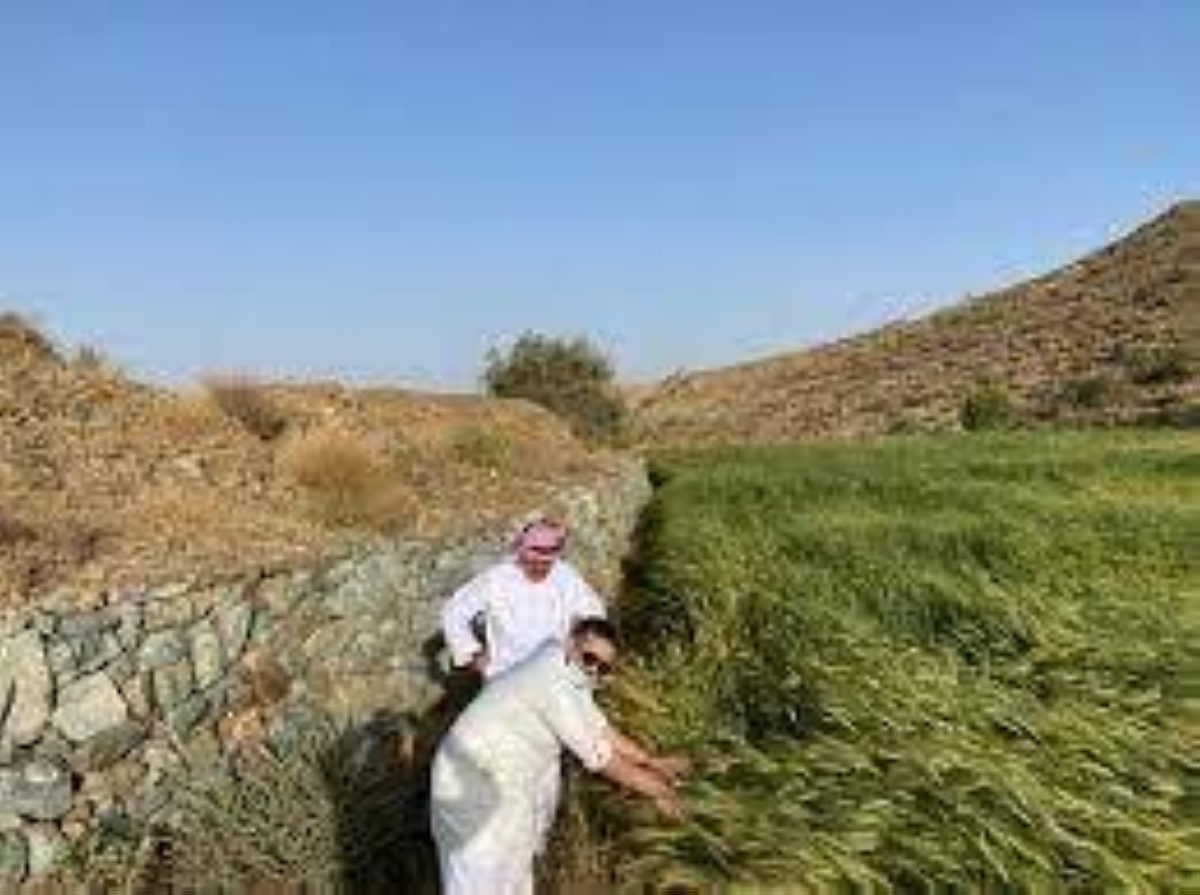
ما إن استبشر مزارعون خيراً بإطلاق وزارة البيئة والمياه والزراعة مبادرة إعادة تأهيل المدرجات الزراعية وحصاد مياه الأمطار، إلا وانتابهم القلق بسبب توقف المبادرة التي استفاد منها مئات المزارعين. وشهدت الأعوام الماضية تفاعل مواطنين مع المبادرة بالعودة لإحياء مزارعهم في مرتفعات جبال السراة، وتوطين أنواع من الأشجار المعمّرة منها الزيتون واللوز، إضافة إلى الرمان والعنب، والفواكه الموسمية والخضراوات، إلا أن توقف المبادرة أحبط الطامحين للانضمام إليها، علماً أنها تتناغم مع مستهدفات رؤية المملكة 2030، من خلال تعزيز الأمن الغذائي اعتماداً على السواعد المحلية، والمبادرة أسهمت في استصلاح المدرجات الزراعية وتأهيلها، وتطبيق تقنيات حصاد مياه الأمطار، ونظم الري الحديثة، وتطوير الزراعة المحصولية، وتعزيز التنمية الاجتماعية والاقتصادية، ما أعاد للريف ولصغار المزارعين الأمل في تفعيل دورهم التنموي، وإنتاج ما تحتاجه أسواقهم للاستهلاك اليومي خصوصاً من حبوب القمح والذرة والدخن، إلا أنه ودون سابق إنذار توقفت المبادرة، ولا يعلم المزارعون سبب توقفها، علماً أن مزارعين في المناطق الجنوبية مدرجون في قوائم الانتظار، وتم إعداد الدراسات المبدئية عن مزارعهم، ولم يتبقَّ سوى التنفيذ، والوزارة تعتمد الدعم العيني الهادف، وليس الدعم المالي.
وناشد المزارعون سعيد الغامدي، ومهدي محمد، وفيصل مداوس وزارة البيئة والمياه والزراعة بإعادة النظر في قرار إيقاف المبادرة، وتفعيلها مُجدداً في ظل حماس شريحة واسعة من المجتمع للاستفادة منها والإسهام في تحقيق الأمن الغذائي، والتنمية المستدامة للمجتمع.
As soon as farmers were optimistic about the launch of the Ministry of Environment, Water, and Agriculture's initiative to rehabilitate agricultural terraces and harvest rainwater, they became anxious due to the halt of the initiative, which had benefited hundreds of farmers. In recent years, citizens have engaged with the initiative by returning to revive their farms in the highlands of the Sarawat Mountains, and by planting various types of perennial trees, including olives and almonds, in addition to pomegranates, grapes, seasonal fruits, and vegetables. However, the halt of the initiative has discouraged those aspiring to join it, knowing that it aligns with the targets of the Kingdom's Vision 2030 by enhancing food security relying on local efforts. The initiative contributed to the reclamation and rehabilitation of agricultural terraces, the application of rainwater harvesting techniques, modern irrigation systems, and the development of crop agriculture, while also enhancing social and economic development. This has restored hope to rural areas and small farmers in activating their developmental role and producing what their markets need for daily consumption, especially wheat, corn, and millet. However, without prior warning, the initiative was halted, and farmers do not know the reason for its suspension, noting that farmers in the southern regions are on waiting lists, and preliminary studies about their farms have been prepared, with only implementation remaining, as the ministry relies on targeted in-kind support, not financial aid.
Farmers Saeed Al-Ghamdi, Mahdi Mohammed, and Faisal Mdaous have appealed to the Ministry of Environment, Water, and Agriculture to reconsider the decision to halt the initiative and to reactivate it again in light of the enthusiasm of a wide segment of the community to benefit from it and contribute to achieving food security and sustainable development for the community.