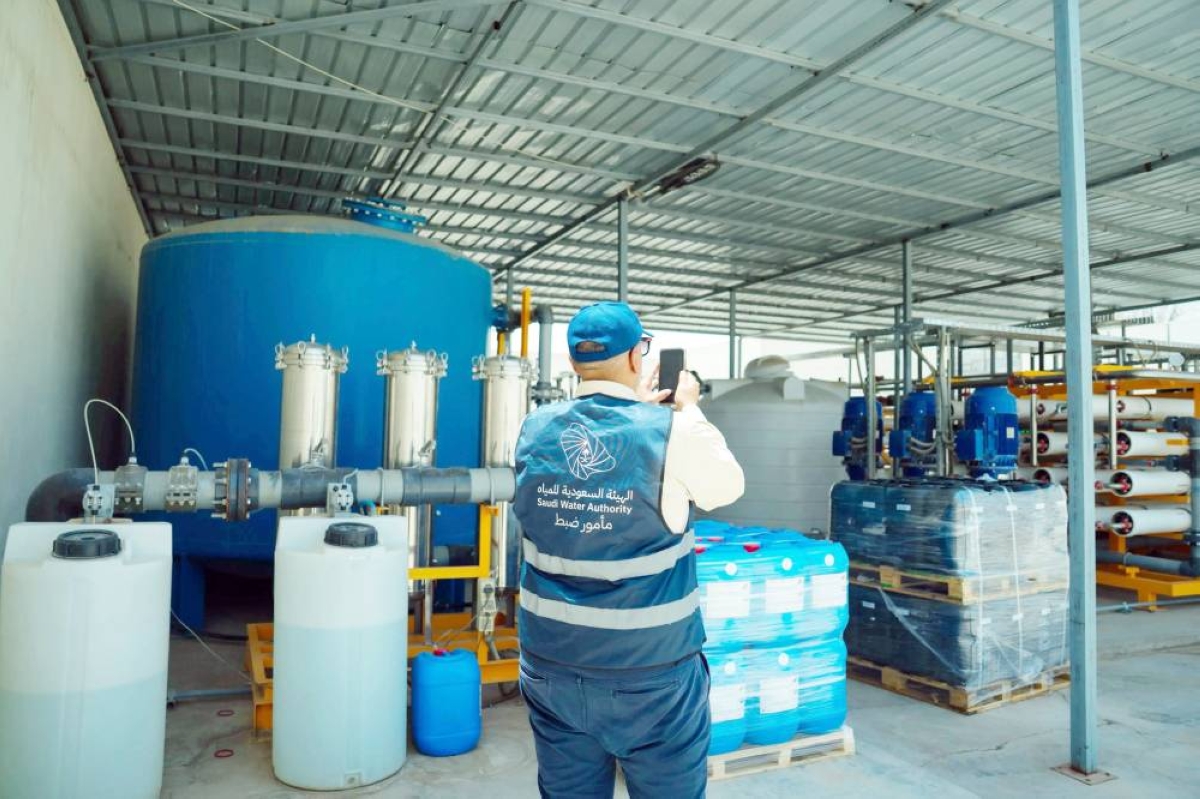
اقترحت الهيئة السعودية للمياه إطاراً تنظيمياً لمحطات تعبئة المياه نص على حظر تعبئة الناقلات غير المرخصة أو تعبئتها خارج طلبات المنصة الرقمية، كما ألزم المرخص لهم بتوفير التمكين اللازم لتنظيف الناقلات، وإشعار مقدمي الخدمة مسبقاً في حال وجود عجز أو تعذر عن التعبئة في الوقت المحدد.
ويهدف المشروع إلى رفع جودة الخدمات المقدمة للعملاء، وتعزيز الحوكمة والشفافية، وتحفيز الاستثمار في قطاع المياه، إضافة إلى ضمان استدامة الموارد المائية وتوفير خدمات تعبئة المياه الصالحة وغير الصالحة للشرب وفق معايير واضحة ومنظمة.
وكشفت الهيئة أن الإطار الجديد يسعى إلى تحقيق مجموعة من الأهداف، أبرزها رفع كفاءة الخدمات المقدمة من محطات التعبئة، تحقيق مستوى أعلى من الحوكمة والشفافية في إدارة القطاع، فضلاً عن تعزيز فرص الاستثمار وزيادة جاذبية القطاع للقطاع الخاص بما يضمن تحسين تجربة المستفيدين وضمان جودة الخدمة.
وحددت الهيئة آلية عمل المنصة الرقمية لخدمات المياه اللاشبكية، والتي تُعد المنصة الحصرية على مستوى المملكة لإدارة العلاقة بين محطات التعبئة والناقلات والمستفيدين.
وتلزم الهيئة المرخص لهم بتسجيل بيانات محطاتهم كاملة عبر المنصة بما في ذلك القدرة الإنتاجية وتدفق المياه وعدد نقاط التعبئة وساعات العمل، كما اشترطت على المرخص لهم الالتزام بالتسعير المعتمد من الهيئة قبل ممارسة النشاط عبر المنصة، والتقيد بأوقات الاستجابة للطلبات والرد على الشكاوى، إضافة إلى ضرورة استقبال وتنفيذ جميع الخدمات إلكترونياً من خلال المنصة.
---- متى توقف التعبئة؟ ---- تطرق المشروع إلى مجموعة من الأحكام العامة الصارمة التي تهدف إلى ضبط عمل محطات تعبئة المياه وضمان جودتها، وشدد على حظر إنشاء أي محطة جديدة دون الحصول على ترخيص رسمي من الهيئة، وإلزام المرخص لهم باستيفاء جميع الموافقات البلدية والمرورية والصحية ذات العلاقة ومراعاة المعايير البيئية والصحية عند إنشاء المحطات، ومنح الهيئة صلاحية تحديد العدد المناسب منها في كل منطقة وفقاً للاحتياجات.
وألزم الإطار المحطات بتركيب أنظمة متطورة لمراقبة الناقلات، والالتزام بأعمال النظافة والصيانة الدورية، والتخلص الآمن من مياه الصرف والمخلفات، كما ألزمها بوقف عمليات التعبئة فوراً في حال وجود تلوث أو صدأ في المقطورات، مع توفير مختبرات معتمدة لإجراء الفحوصات وضمان سلامة المياه.
---- التعقيم بالأوزون والأشعة فوق البنفسجية ---- قسّم المشروع المحطات إلى أربع فئات وفقاً للسعة الإنتاجية اليومية، وحدد لكل فئة اشتراطات خاصة مثل المساحة، عدد مواقف الناقلات، طول واجهة المحطة، ومتطلبات إضافية تشمل وجود مختبرات ومحطات غسيل للمقطورات ومبانٍ إدارية وحراسة أمنية.
وأعفى التنظيم بعض المحطات من الترخيص، ومنها المحطات المخصصة للاستهلاك الذاتي أو تلك التي لا تتجاوز سعتها الإنتاجية اليومية 100 متر مكعب.
كما ألزمت الهيئة المرخص لهم بمراقبة جودة المياه وفق المعايير المعتمدة، وباتباع خطوات أساسية تبدأ من استخراج المياه من المصدر ومعالجتها أولياً وكيميائياً وتنقيتها بالتناضح العكسي، ثم تعقيمها بالأوزون أو الأشعة فوق البنفسجية، وصولاً إلى تخزينها وتعبئتها في المقطورات باستخدام معدات مطابقة للمواصفات الصحية.
وأكدت الهيئة ضرورة التزام المحطات بساعات العمل المحددة، مع إشعارها في حال الإغلاق لأكثر من 48 ساعة، مشيرةً إلى أن عدم الالتزام قد يعرّض المحطة لسحب الترخيص أو عدم تجديده، وتقديم الخدمة في حالات الطوارئ والكوارث والأزمات.
وفرضت الهيئة عقوبات على المخالفين تصل إلى إيقاف النشاط جزئياً أو كلياً لمدة تصل إلى 6 أشهر، وذلك في حالات وجود خلل مؤثر في جودة المياه، أو تعبئة ناقلات مياه الشرب بمياه غير صالحة والعكس، أو عدم تمكين فرق الرقابة من أداء عملها، إضافة إلى عدم إجراء التحاليل الدورية أو انكشاف خزانات المياه قرب مصادر التلوث.
The Saudi Water Authority has proposed a regulatory framework for water filling stations that prohibits the filling of unlicensed tankers or filling them outside of requests from the digital platform. It also requires licensed operators to provide the necessary means to clean the tankers and to notify service providers in advance in case of any shortage or inability to fill at the specified time.
The project aims to enhance the quality of services provided to customers, promote governance and transparency, stimulate investment in the water sector, in addition to ensuring the sustainability of water resources and providing filling services for both potable and non-potable water according to clear and organized standards.
The Authority revealed that the new framework seeks to achieve a set of goals, the most prominent of which are to improve the efficiency of services provided by filling stations, achieve a higher level of governance and transparency in managing the sector, as well as enhance investment opportunities and increase the sector's attractiveness to the private sector, ensuring an improved experience for beneficiaries and guaranteeing service quality.
The Authority has defined the operational mechanism for the digital platform for non-networked water services, which is the exclusive platform at the national level for managing the relationship between filling stations, tankers, and beneficiaries.
The Authority requires licensed operators to fully register their station data through the platform, including production capacity, water flow, number of filling points, and working hours. It also stipulated that licensed operators must adhere to the pricing approved by the Authority before engaging in activities through the platform, comply with response times for requests, and respond to complaints, in addition to the necessity of receiving and executing all services electronically through the platform.
---- When does filling stop? ---- The project addressed a set of strict general provisions aimed at regulating the operation of water filling stations and ensuring their quality. It emphasized the prohibition of establishing any new station without obtaining official licensing from the Authority and required licensed operators to fulfill all relevant municipal, traffic, and health approvals, while considering environmental and health standards when establishing stations. The Authority was granted the authority to determine the appropriate number of stations in each area according to needs.
The framework mandated stations to install advanced systems for monitoring tankers, adhere to cleaning and regular maintenance operations, and safely dispose of wastewater and waste. It also required them to immediately halt filling operations in case of contamination or rust in the trailers, while providing accredited laboratories to conduct tests and ensure water safety.
---- Ozone and UV Sterilization ---- The project classified stations into four categories based on daily production capacity, specifying special requirements for each category such as area, number of tanker parking spaces, length of the station's facade, and additional requirements including the presence of laboratories, washing stations for trailers, administrative buildings, and security guards.
The regulation exempted some stations from licensing, including those designated for self-consumption or those with a daily production capacity not exceeding 100 cubic meters.
The Authority also required licensed operators to monitor water quality according to approved standards, following essential steps that begin with extracting water from the source, preliminary and chemical treatment, purification through reverse osmosis, then sterilization with ozone or ultraviolet light, leading to storage and filling in trailers using equipment that meets health specifications.
The Authority emphasized the necessity for stations to adhere to specified working hours, notifying them in case of closure for more than 48 hours, indicating that non-compliance may expose the station to license revocation or non-renewal, and providing services in emergencies, disasters, and crises.
The Authority imposed penalties on violators, which may include partial or total suspension of activities for up to 6 months, in cases of significant defects affecting water quality, filling drinking water tankers with non-potable water and vice versa, or failing to enable monitoring teams to perform their duties, in addition to not conducting periodic analyses or exposing water tanks near pollution sources.