


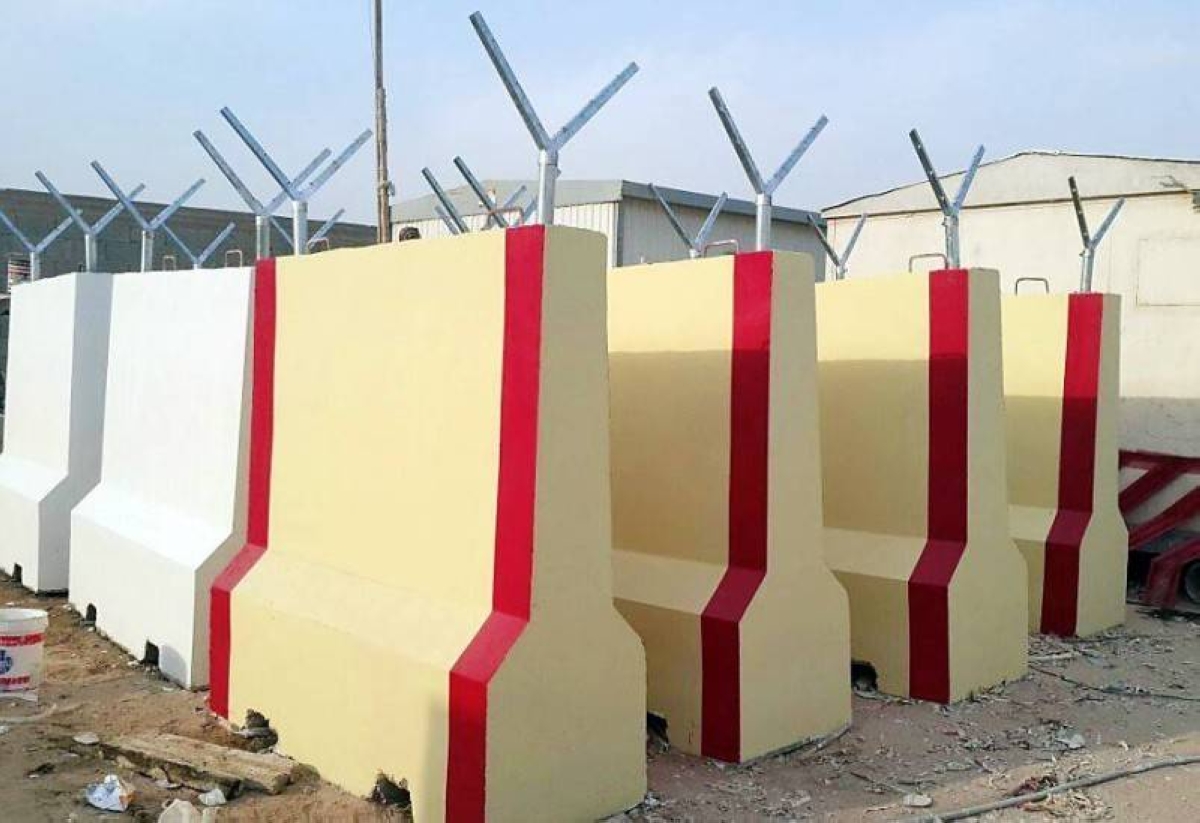
ألزم كود مشاريع البنية التحتية المقاولين بوضع ألواح علوية فوق الحواجز الخرسانية حول جميع الأعمال التي يبلغ طولها 300 متر فأكثر، التي تشمل أعمال الاتصالات، والطاقة، والمياه، والصرف الصحي، والطرق، ونحوها في جميع الطرق (السريعة، شبه السريعة، الشريانية، التجميعية، المحلية) إذا كانت مدة تنفيذ الأعمال فيها تبلغ شهراً فأكثر، وفي الطرق المجاورة أو المؤدية إلى الجهات الحكومية، والمعالم السياحية، والحدائق، والمستشفيات، والمدارس، ومراكز رعاية المسنين، ودور الحضانة.
ويجب أن تكون الألواح العلوية متوافقة مع المعايير الفنية المحددة في الكود، التي تشمل أن تكون الألواح العلوية محيطة بموقع العمل بأكمله، وأن تكون ذات ارتفاع يبلغ مترين فأكثر في الطرق السريعة وشبه السريعة والشريانية، أو متراً فأكثر في الطرق التجميعية والمحلية، وأن يتم إرسال تصاميمها واعتمادها من قبل المركز.
ويهدف الإلزام إلى حماية سائقي المركبات والمشاة من التأثيرات المحتملة حول موقع العمل، خصوصاً من أعمال الحفريات العميقة، وتحسين المشهد الحضري في مواقع الأعمال، من خلال توجه متسق ومتناسق لكل ما يحيط بالأعمال من حواجز خرسانية وألواح علوية ولافتات تحذيرية وإرشادية وغيرها من متطلبات السلامة.
يُشار إلى أن كود مشاريع البنية التحتية دليل تنظيمي وفني موحد لمشاريع البنية التحتية، دخل حيز التنفيذ بدءاً من 7 أغسطس 2025، ليكون مرجعاً موحداً للجهات الحكومية والخدمية، والمقاولين، والاستشاريين، والمختبرات؛ لتمكينهم من الوصول إلى الاشتراطات الفنية والتنظيمية اللازمة لتخطيط وتنسيق وتنفيذ ومراقبة أعمال البنية التحتية، ما يسهم في تعزيز جودة الأعمال، ورفع مستوى الامتثال لمتطلبات تنفيذها.
إلزام المقاولين بوضع ألواح علوية فوق الحواجز الخرسانية
17 أغسطس 2025 - 19:01
|
آخر تحديث 17 أغسطس 2025 - 19:01


تابع قناة عكاظ على الواتساب
«عكاظ» (الرياض)
The infrastructure projects code requires contractors to place overhead panels above concrete barriers around all works that are 300 meters or more in length, which include telecommunications, energy, water, sewage, roads, and similar works on all roads (highways, semi-highways, arterial, collector, local) if the duration of the works is one month or more, and on adjacent roads leading to government entities, tourist attractions, parks, hospitals, schools, nursing homes, and daycare centers.
The overhead panels must comply with the technical standards specified in the code, which include that the overhead panels surround the entire work site, and that they have a height of two meters or more on highways and semi-highways and arterial roads, or one meter or more on collector and local roads, and that their designs are submitted and approved by the center.
The obligation aims to protect vehicle drivers and pedestrians from potential impacts around the work site, especially from deep excavation works, and to improve the urban landscape at work sites, through a consistent and harmonious approach to everything surrounding the works, including concrete barriers, overhead panels, warning and guidance signs, and other safety requirements.
It is noted that the infrastructure projects code is a unified regulatory and technical guide for infrastructure projects, which came into effect starting August 7, 2025, to serve as a unified reference for government and service entities, contractors, consultants, and laboratories; enabling them to access the necessary technical and regulatory requirements for planning, coordinating, implementing, and monitoring infrastructure works, which contributes to enhancing the quality of works and raising the level of compliance with their implementation requirements.
The overhead panels must comply with the technical standards specified in the code, which include that the overhead panels surround the entire work site, and that they have a height of two meters or more on highways and semi-highways and arterial roads, or one meter or more on collector and local roads, and that their designs are submitted and approved by the center.
The obligation aims to protect vehicle drivers and pedestrians from potential impacts around the work site, especially from deep excavation works, and to improve the urban landscape at work sites, through a consistent and harmonious approach to everything surrounding the works, including concrete barriers, overhead panels, warning and guidance signs, and other safety requirements.
It is noted that the infrastructure projects code is a unified regulatory and technical guide for infrastructure projects, which came into effect starting August 7, 2025, to serve as a unified reference for government and service entities, contractors, consultants, and laboratories; enabling them to access the necessary technical and regulatory requirements for planning, coordinating, implementing, and monitoring infrastructure works, which contributes to enhancing the quality of works and raising the level of compliance with their implementation requirements.


