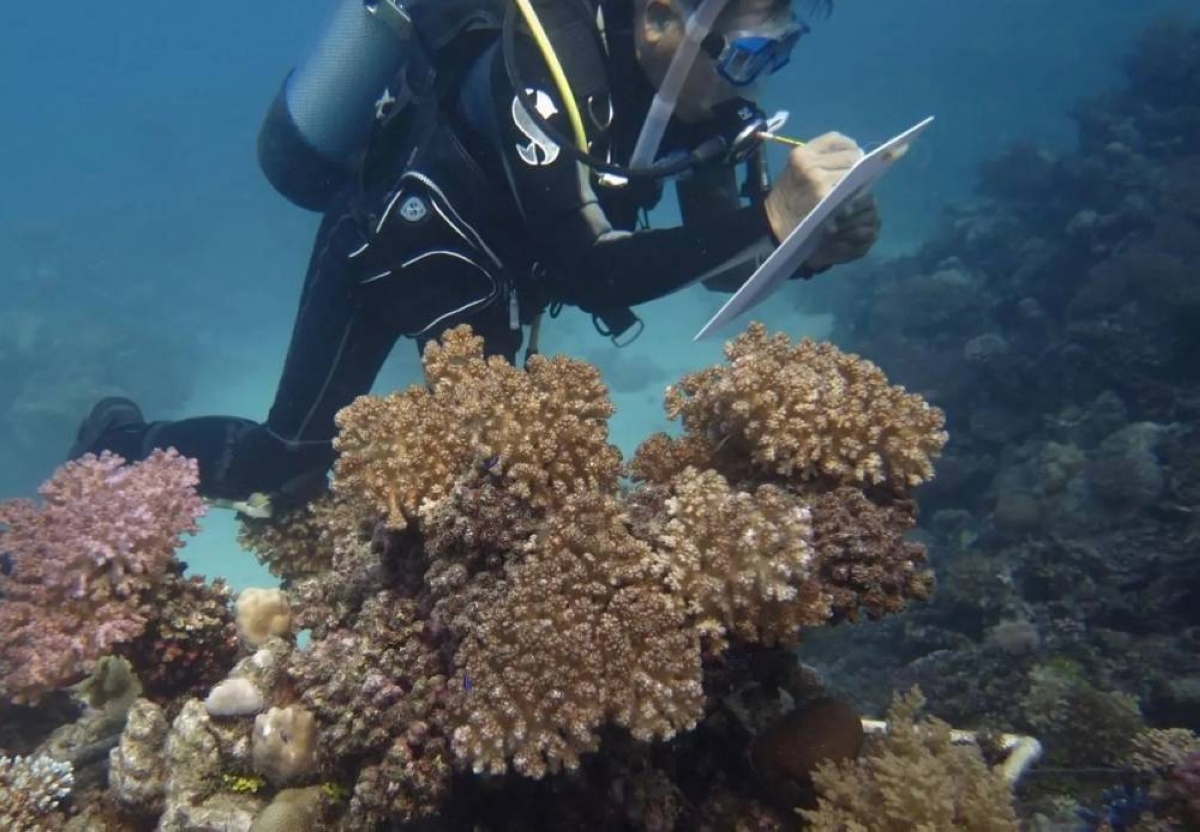
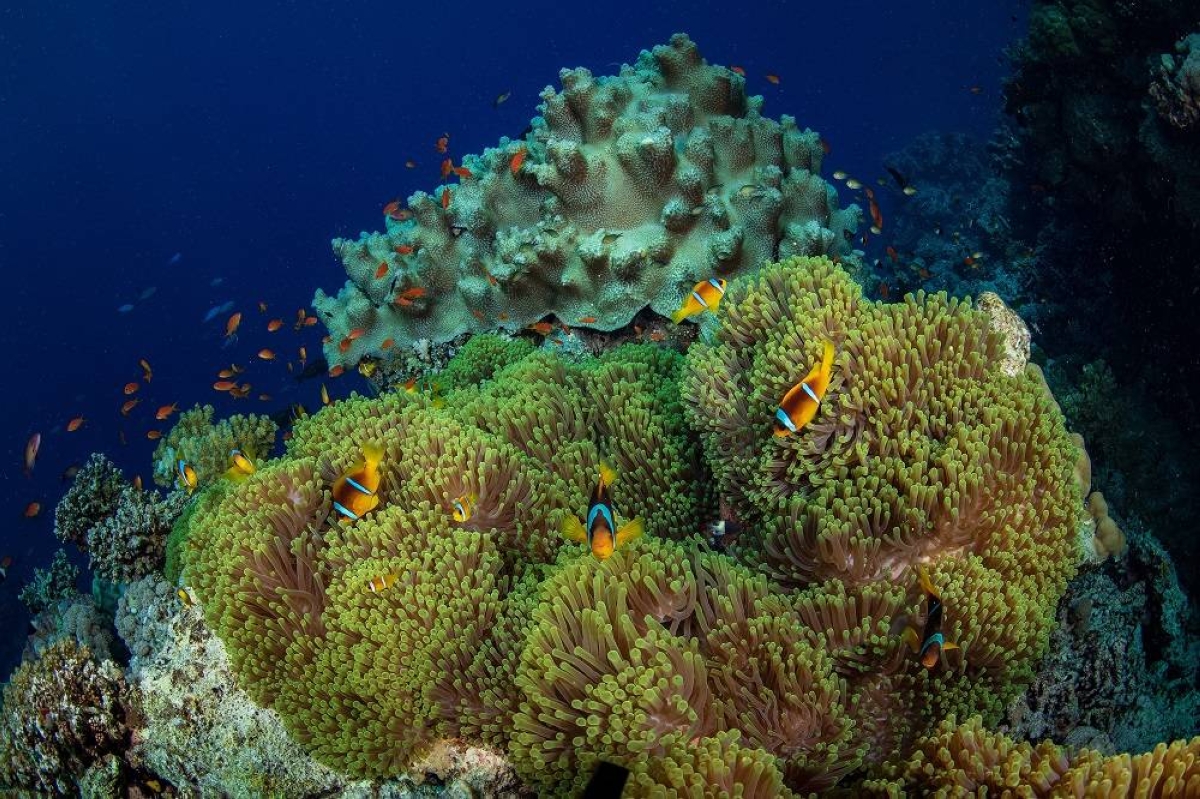
أطلقت جامعة الملك عبدالله للعلوم والتقنية «كاوست» برنامج تعاون مع المركز الوطني لتنمية الحياة الفطرية، لتوظيف الأبحاث الرائدة في تطوير قاعدة البيانات المعرفية والأدوات العلمية، في سبيل حماية نظم المملكة البيئية البحرية والساحلية وضمان استدامة مواردها البحرية، بما يخدم التنوع الأحيائي البحري كأولوية إستراتيجية لمستقبل المملكة البيئي والاقتصادي.
من جانبه أكد الرئيس التنفيذي للمركز الوطني لتنمية الحياة الفطرية الدكتور محمد علي قربان أن جهود المملكة الحثيثة لصون النظم البيئية البحرية تضمن استدامة مواردها، مشيراً إلى أن التعاون مع «كاوست» يوفّر للمملكة أدوات علمية ونماذج تقييم مخاطر وأنظمة إنذار مبكر تسهم في حماية التنوع الأحيائي البحري والتأسيس لمستقبل مستدام يحفظ هذه الثروة البحرية للأجيال القادمة.
وأضاف أن هذه الجهود المشتركة مع «كاوست» تتضمن تنفيذ مسوحات شاملة للتنوّع الأحيائي على سواحل المملكة في البحر الأحمر والخليج العربي، بهدف بناء قواعد بيانات تدعم تحديد الأنواع البحرية الغازية وتصنيفها، وتطوير برامج تدريبية متخصصة لتأهيل الكوادر المختصة وتعزيز قدراتها في إدارة البيئات البحرية.
وبين مدير الإدارة البحرية في المركز الوطني لتنمية الحياة الفطرية عبدالناصر قطب، أن عملية تطوير كوادر المركز يكون عبر تدريبهم على تقنيات متقدمة، مثل: تحليل الحمض النووي البيئي للكشف السريع، وتمكينهم من استخدام أدوات تقييم المخاطر المعترف بها عالميًا، بما يسهم في حماية التنوع الأحيائي البحري، مضيفاً أن هذا التعاون يمثل نموذجًا للشراكة بين الجهات الوطنية والبحثية لتوسيع المعرفة بالبيئة البحرية في المملكة، وبناء قاعدة علمية تدعم الإدارة المتكاملة والمستدامة للموارد البيئية.
ونوهت قائدة الفريق البحثي في برنامج التعاون المشترك الدكتورة سوزانا كارفالو، أن منظومة الأبحاث تسهم في تأسيس أنظمة للإنذار المبكر والاستجابة السريعة، وهي من أكثر السبل فعالية لحماية نظمنا البيئية من انتشار الأنواع الغازية، وتُشبه قواعد البيانات التعداد السكاني للتنوّع الأحيائي، حيث تُوثّق كل كائن حي وموقعه في الزمان والمكان، لافتة إلى أنه تم أخيرا عقد ورشة عمل مكثّفة بين جامعة «كاوست»، والمركز الوطني لتنمية الحياة الفطرية، تناولت تقنيات وبروتوكولات متقدمة لتقييم مخاطر الأنواع البحرية الغازية وتأثيرها على البيئة وصحة الإنسان والصناعات الوطنية.
كما يعمل باحثون من جامعة الملك عبدالله للعلوم والتقنية «كاوست» والمركز الوطني لتنمية الحياة الفطرية، على دراسة التنوّع الأحيائي ومدى تواجد الأنواع البحرية الغازية في 34 موقعًا حتى الآن، موزّعة على البحر الأحمر والخليج العربي، حيث تم جمع أكثر من 10 آلاف عيّنة وتحديد 200 نوع بحري محتمل من هذه الأنواع، ما يُسهم في تعزيز المعرفة بالحياة البحرية في المملكة ويُمهّد لتأسيس أنظمة فعّالة للرصد والمراقبة، وتشمل هذه العينات جميع الأحياء التي تشكّل النظام البيئي البحري، من الأسماك الكبيرة إلى أصغر الكائنات الدقيقة.
King Abdullah University of Science and Technology (KAUST) has launched a collaboration program with the National Center for Wildlife Development to utilize pioneering research in developing a knowledge database and scientific tools, aimed at protecting the Kingdom's marine and coastal environmental systems and ensuring the sustainability of its marine resources, serving marine biodiversity as a strategic priority for the Kingdom's environmental and economic future.
For his part, the CEO of the National Center for Wildlife Development, Dr. Mohammed Ali Qurban, confirmed that the Kingdom's diligent efforts to preserve marine ecosystems ensure the sustainability of its resources, noting that collaboration with KAUST provides the Kingdom with scientific tools, risk assessment models, and early warning systems that contribute to protecting marine biodiversity and establishing a sustainable future that preserves this marine wealth for future generations.
He added that these joint efforts with KAUST include conducting comprehensive surveys of biodiversity along the Kingdom's coasts in the Red Sea and the Arabian Gulf, with the aim of building databases that support the identification and classification of invasive marine species, and developing specialized training programs to qualify specialized personnel and enhance their capabilities in managing marine environments.
Abdul Nasser Qutb, the Director of the Marine Administration at the National Center for Wildlife Development, explained that the process of developing the center's personnel involves training them in advanced techniques, such as environmental DNA analysis for rapid detection, and enabling them to use globally recognized risk assessment tools, which contributes to protecting marine biodiversity. He added that this collaboration represents a model of partnership between national and research entities to expand knowledge of the marine environment in the Kingdom and build a scientific foundation that supports the integrated and sustainable management of environmental resources.
Dr. Susana Carvalho, the leader of the research team in the joint cooperation program, noted that the research system contributes to establishing early warning and rapid response systems, which are among the most effective ways to protect our ecosystems from the spread of invasive species. She likened the databases to a census of biodiversity, as they document every living organism and its location in time and space, pointing out that a recent intensive workshop was held between KAUST and the National Center for Wildlife Development, addressing advanced techniques and protocols for assessing the risks of invasive marine species and their impact on the environment, human health, and national industries.
Researchers from King Abdullah University of Science and Technology (KAUST) and the National Center for Wildlife Development are also studying biodiversity and the extent of invasive marine species in 34 locations so far, distributed across the Red Sea and the Arabian Gulf, where more than 10,000 samples have been collected and 200 potential marine species identified, contributing to enhancing knowledge of marine life in the Kingdom and paving the way for establishing effective monitoring and surveillance systems. These samples include all organisms that make up the marine ecosystem, from large fish to the smallest microorganisms.