


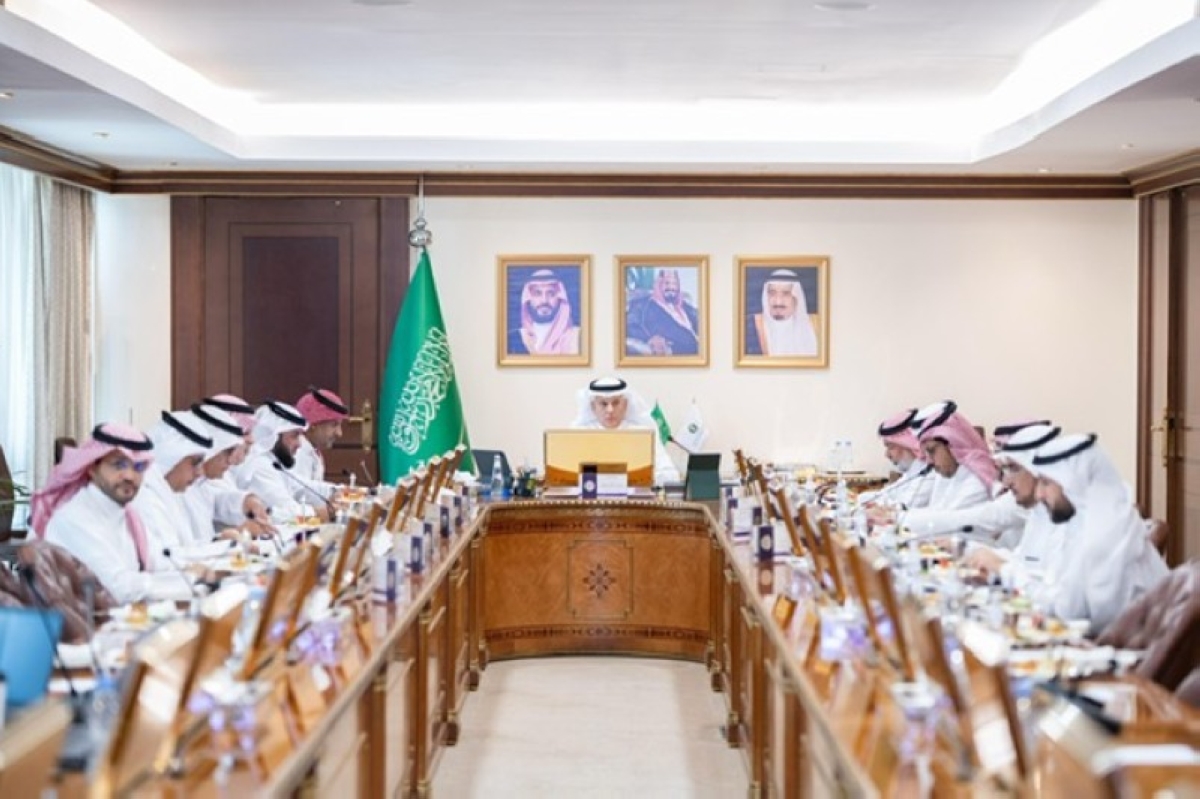
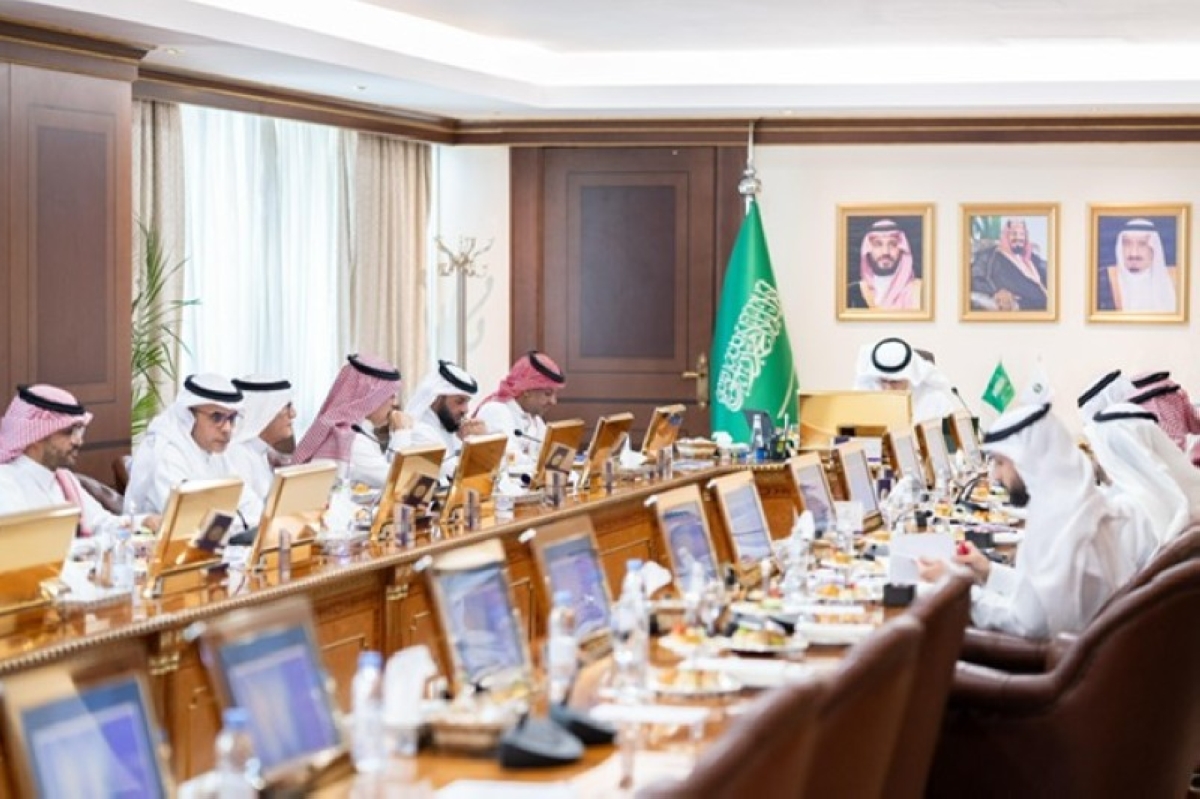
اعتمد مجلس إدارة البرنامج الوطني لتطوير قطاع الثروة الحيوانية والسمكية في اجتماعه أمس، برئاسة وزير البيئة والمياه والزراعة رئيس المجلس المهندس عبدالرحمن بن عبدالمحسن الفضلي، الاشتراطات والضوابط الخاصة باستلام عهدة الأدوية البيطرية المقيدة، والعمل على اعتماد الخطة الوطنية الموحدة للمشتريات البيطرية للقاحات وآلية حوكمة فسح اللقاحات البيطرية بالتنسيق مع هيئة الغذاء والدواء، والعمل على إنشاء المنصة الموحدة لمشتريات اللقاحات البيطرية، ودعم القطاع الخاص في إنشاء وحدات اللقاحات البيطرية المخصصة، كما تم عرض التوجهات المتعلقة بإنشاء بنك وطني للقاحات البيطرية يحاكي التجارب العالمية الرائدة، لتوطين التصنيع الحيوي وتعزيز جاهزية المملكة للاستجابة للأوبئة الحيوانية الطارئة.
وشدد المجلس على أهمية استمرار الزيارات الفنية الخارجية لبيوت الخبرة العالمية، بما يشمل جميع قطاعات الثروة الحيوانية، ورفع كفاءة منظومة اللقاحات البيطرية محليًا، إضافة إلى البدء فعليًا في المرحلة الأولى من مشروع توطين لقاح الحمى القلاعية.
واستعرض المجلس حزمة من الموضوعات الاستراتيجية المدرجة على جدول الأعمال، شملت عددًا من المبادرات والمشاريع الحيوية لتطوير القطاع، ومن أبرزها، مناقشة مقترح المسالخ الآلية الحديثة، وما تقدمه من فرص استثمارية وإمكانيات في مجال الصناعات التحويلية، مثل إنتاج الجلود، والمنتجات العضوية وتحويل الفائض إلى منتجات غذائية جديدة، كما أقر مسرّعات الأعمال المتخصصة في مجالات الثروة الحيوانية والتقنيات الحيوية، والتي تهدف إلى تمكين الشركات الكبرى وتسريع نمو الشركات الناشئة وتمكين الاستثمار المباشر في القطاع.
واطلع المجلس على الخطة التنفيذية لتوطين سلالة الدجاج اللاحم بملكية وراثية كاملة من خلال مركز «جدود الامتياز» الذي يدار مباشرة من البرنامج الوطني «لتطوير الثروة الحيوانية والسمكية»، والذي يهدف لأنشاء قاعدة وراثية سيادية، تخفض الاعتماد على الواردات وتفتح آفاق التصدير لسلالة متفوقة من الدواجن في المناخات الحارة، بالإضافة إلى مراجعة مأتم بشأن بروتوكولات تصدير الدواجن وأجزاء الدواجن والخيليات إلى جمهورية الصين الشعبية.
وشدد المهندس الفضلي، على أهمية تنفيذ القرارات والتوجيهات الصادرة من المجلس، بما يضمن استدامة المبادرات وتعظيم الأثر التنموي للبرنامج، ومواصلة دعم جهود البرنامج بما يتماشى مع التطلعات الوطنية نحو تعزيز الأمن الغذائي وتنمية الاقتصاد الحيوي للوصول إلى مستهدفات رؤية 2030.
ويأتي هذا الاجتماع تأكيدًا على التزام البرنامج بدوره التنموي والتمكيني في تطوير القطاع، ورفع كفاءة منظومة الإنتاج الحيواني والسمكي، بما يسهم في تحقيق مستهدفات رؤية 2030 في مجالات الأمن الغذائي، والتوطين، وتحفيز الاقتصاد الحيوي.
خلال ترؤس وزير البيئة لاجتماع مجلس البرنامج الوطني لتطوير الثروة الحيوانية والسمكية
منصة موحدة لمشتريات اللقاحات.. اعتماد ضوابط استلام الأدوية البيطرية المقيدة
7 أغسطس 2025 - 16:21
|
آخر تحديث 7 أغسطس 2025 - 19:59


تابع قناة عكاظ على الواتساب
عبدالرحمن الأسمري (الرياض) alasmari_m1@
The Board of Directors of the National Program for the Development of the Livestock and Fisheries Sector, chaired by the Minister of Environment, Water, and Agriculture, Engineer Abdulrahman bin Abdulmohsen Al-Fadli, approved yesterday the conditions and regulations for receiving veterinary medicines under control, working on adopting the unified national procurement plan for veterinary vaccines, and the governance mechanism for the clearance of veterinary vaccines in coordination with the Food and Drug Authority. They also worked on establishing a unified platform for the procurement of veterinary vaccines and supporting the private sector in creating dedicated veterinary vaccine units. Additionally, the council presented directions related to establishing a national bank for veterinary vaccines that mirrors leading global experiences, aiming to localize biomanufacturing and enhance the Kingdom's readiness to respond to emerging animal epidemics.
The council emphasized the importance of continuing external technical visits to global centers of expertise, covering all livestock sectors, and raising the efficiency of the local veterinary vaccine system. They also initiated the first phase of the project to localize foot-and-mouth disease vaccine.
The council reviewed a package of strategic topics included in the agenda, which encompassed several vital initiatives and projects for sector development. Among the most notable was the discussion of the proposal for modern automated slaughterhouses and the investment opportunities and capabilities they offer in the field of processing industries, such as leather production, organic products, and converting surplus into new food products. The council also approved business accelerators specialized in livestock and biotechnology fields, aimed at empowering major companies, accelerating the growth of startups, and enabling direct investment in the sector.
The council was briefed on the executive plan to localize the broiler chicken breed with complete genetic ownership through the "Joud Al-Imtiaz" center, which is directly managed by the National Program for the Development of Livestock and Fisheries. This aims to establish a sovereign genetic base that reduces reliance on imports and opens up export horizons for a superior breed of poultry in hot climates, in addition to reviewing protocols for exporting poultry, poultry parts, and equines to the People's Republic of China.
Engineer Al-Fadli emphasized the importance of implementing the decisions and directives issued by the council, ensuring the sustainability of initiatives and maximizing the developmental impact of the program, while continuing to support the program's efforts in line with national aspirations to enhance food security and develop the bio-economy to achieve the targets of Vision 2030.
This meeting reaffirms the program's commitment to its developmental and enabling role in sector development and raising the efficiency of the animal and fish production system, contributing to achieving the targets of Vision 2030 in the fields of food security, localization, and stimulating the bio-economy.
The council emphasized the importance of continuing external technical visits to global centers of expertise, covering all livestock sectors, and raising the efficiency of the local veterinary vaccine system. They also initiated the first phase of the project to localize foot-and-mouth disease vaccine.
The council reviewed a package of strategic topics included in the agenda, which encompassed several vital initiatives and projects for sector development. Among the most notable was the discussion of the proposal for modern automated slaughterhouses and the investment opportunities and capabilities they offer in the field of processing industries, such as leather production, organic products, and converting surplus into new food products. The council also approved business accelerators specialized in livestock and biotechnology fields, aimed at empowering major companies, accelerating the growth of startups, and enabling direct investment in the sector.
The council was briefed on the executive plan to localize the broiler chicken breed with complete genetic ownership through the "Joud Al-Imtiaz" center, which is directly managed by the National Program for the Development of Livestock and Fisheries. This aims to establish a sovereign genetic base that reduces reliance on imports and opens up export horizons for a superior breed of poultry in hot climates, in addition to reviewing protocols for exporting poultry, poultry parts, and equines to the People's Republic of China.
Engineer Al-Fadli emphasized the importance of implementing the decisions and directives issued by the council, ensuring the sustainability of initiatives and maximizing the developmental impact of the program, while continuing to support the program's efforts in line with national aspirations to enhance food security and develop the bio-economy to achieve the targets of Vision 2030.
This meeting reaffirms the program's commitment to its developmental and enabling role in sector development and raising the efficiency of the animal and fish production system, contributing to achieving the targets of Vision 2030 in the fields of food security, localization, and stimulating the bio-economy.


