


أكد أستاذ التاريخ الباحث المتخصص في الحراك العلمي والثقافي الدكتور عبدالرحمن الوقيصي، أنَّ الحج يمثِّل فرصة لاكتشاف المملكة من الداخل، لا بوصفها وجهة دينية فحسب، بل من خلال ثقافتها وفنونها وعمرانها وناسها، مشيراً إلى الأثر الاجتماعي الذي يتركه الحاج في مجتمعه المحلي بعد عودته، بصفته حاملاً لرمزية دينية وثقافية وسفيراً لروح المكان.
جاء ذلك خلال ندوة ضمن البرنامج الثقافي لمعرض المدينة المنورة للكتاب 2025م، أدارها المهندس يزيد الملحم؛ الذي افتتح اللقاء بالتأكيد على أهمية قراءة الحج بعدسة تتجاوز الشعائر إلى أبعاده الثقافية والاجتماعية والتاريخية.
وفي بداية حديثه، شكر الوقيصي هيئة الأدب والنشر والترجمة على تنظيم المعرض، واصفاً إياه بالعُرس الثقافي السنوي الذي يجمع الكتّاب والقرّاء والمثقفين في مدينة النور.
وسلّط الضوء على مكانة الحرمين الشريفين كمركزين للمعرفة والتبادل الثقافي، مشيراً إلى أن رحلة الحج كانت ولا تزال حدثاً مركزياً في الوعي الإسلامي، ورافداً غنياً للمذكرات والكتابات التي دوّنها العلماء والحجّاج عبر العصور، وهي نصوص تُعد مراجع حضارية لفهم الحجاز وأحوال الأمة الإسلامية.
وتوقف عند ما يحمله الحجاج معهم إلى بلدانهم من مقتنيات رمزية تعكس ذوق المجتمع، وتعبّر عن عمق التجربة الروحية والثقافية للحج، مبيناً أن هذه التفاصيل الصغيرة ترسّخ مكانة الحرمين في الوجدان الإسلامي.
واختتم الوقيصي حديثه بالإشادة بمبادرات المملكة ضمن رؤية 2030، خصوصاً برنامج خادم الحرمين الشريفين لخدمة الحاج والمعتمر؛ الذي يهدف إلى تسهيل إجراءات الوصول، وتوسيع فرص الحج والعمرة أمام المسلمين من مختلف أنحاء العالم، بوصفه امتداداً للدور التاريخي للمملكة في رعاية ضيوف الرحمن.
ندوة في معرض الكتاب بالمدينة تسلّط الضوء على البعد الحضاري للحج
2 أغسطس 2025 - 22:03
|
آخر تحديث 2 أغسطس 2025 - 22:03
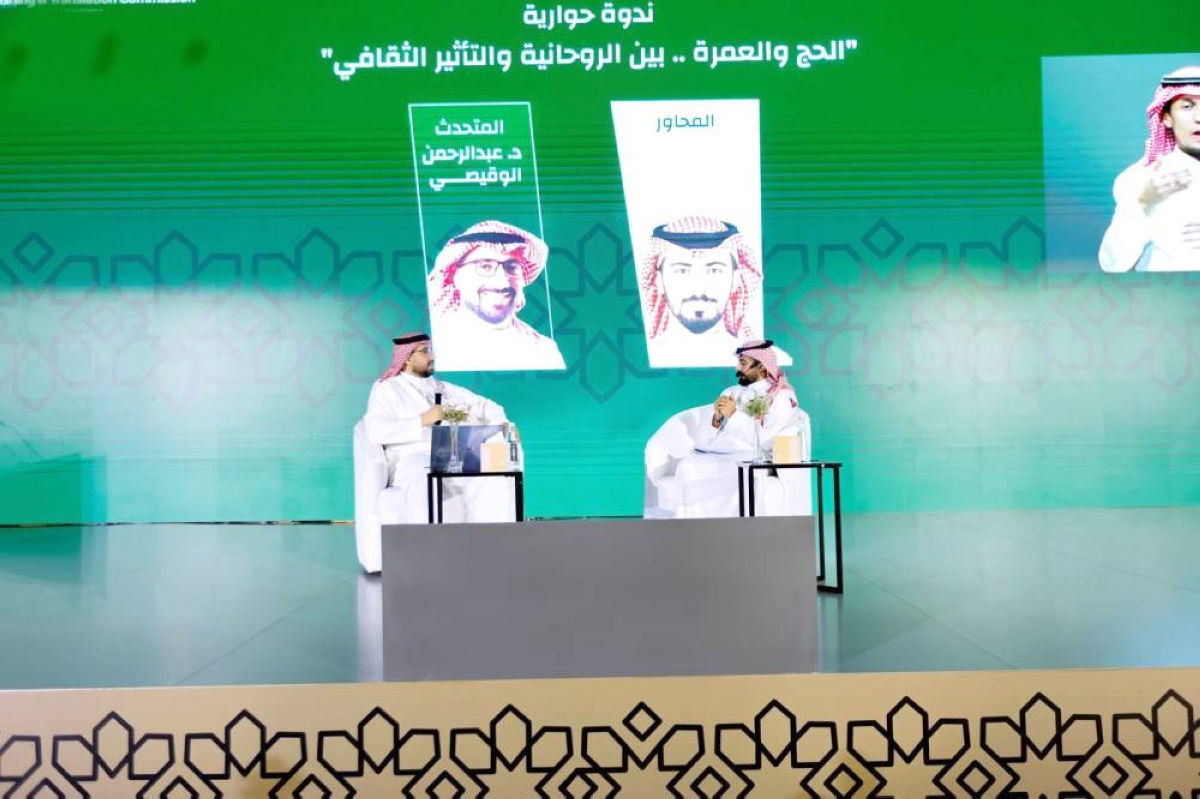
تسليط الضوء على مكانة الحرمين الشريفين خلال الندوة. (واس)


تابع قناة عكاظ على الواتساب
«عكاظ» (المدينة المنورة) okaz_online@
Dr. Abdulrahman Al-Wuqaisi, a history professor and researcher specialized in scientific and cultural movements, confirmed that Hajj represents an opportunity to discover the Kingdom from within, not just as a religious destination, but through its culture, arts, architecture, and people. He pointed out the social impact that a pilgrim leaves in their local community upon returning, as a bearer of religious and cultural symbolism and an ambassador of the spirit of the place.
This was stated during a seminar as part of the cultural program of the Medina Book Fair 2025, moderated by Engineer Yazid Al-Mulhim, who opened the meeting by emphasizing the importance of viewing Hajj through a lens that goes beyond rituals to its cultural, social, and historical dimensions.
At the beginning of his talk, Al-Wuqaisi thanked the Saudi Literature, Publishing, and Translation Commission for organizing the fair, describing it as an annual cultural celebration that brings together writers, readers, and intellectuals in the City of Light.
He highlighted the status of the Two Holy Mosques as centers of knowledge and cultural exchange, noting that the journey of Hajj has been and continues to be a central event in Islamic consciousness, and a rich source of memoirs and writings documented by scholars and pilgrims throughout the ages. These texts are considered cultural references for understanding Hijaz and the conditions of the Islamic nation.
He paused to discuss what pilgrims carry with them to their countries in terms of symbolic possessions that reflect the community's taste and express the depth of the spiritual and cultural experience of Hajj, indicating that these small details reinforce the status of the Two Holy Mosques in the Islamic consciousness.
Al-Wuqaisi concluded his talk by praising the Kingdom's initiatives under Vision 2030, particularly the Custodian of the Two Holy Mosques Program for the Service of Pilgrims and Umrah Performers, which aims to facilitate access procedures and expand opportunities for Hajj and Umrah for Muslims from all over the world, as an extension of the Kingdom's historical role in caring for the guests of الرحمن.
This was stated during a seminar as part of the cultural program of the Medina Book Fair 2025, moderated by Engineer Yazid Al-Mulhim, who opened the meeting by emphasizing the importance of viewing Hajj through a lens that goes beyond rituals to its cultural, social, and historical dimensions.
At the beginning of his talk, Al-Wuqaisi thanked the Saudi Literature, Publishing, and Translation Commission for organizing the fair, describing it as an annual cultural celebration that brings together writers, readers, and intellectuals in the City of Light.
He highlighted the status of the Two Holy Mosques as centers of knowledge and cultural exchange, noting that the journey of Hajj has been and continues to be a central event in Islamic consciousness, and a rich source of memoirs and writings documented by scholars and pilgrims throughout the ages. These texts are considered cultural references for understanding Hijaz and the conditions of the Islamic nation.
He paused to discuss what pilgrims carry with them to their countries in terms of symbolic possessions that reflect the community's taste and express the depth of the spiritual and cultural experience of Hajj, indicating that these small details reinforce the status of the Two Holy Mosques in the Islamic consciousness.
Al-Wuqaisi concluded his talk by praising the Kingdom's initiatives under Vision 2030, particularly the Custodian of the Two Holy Mosques Program for the Service of Pilgrims and Umrah Performers, which aims to facilitate access procedures and expand opportunities for Hajj and Umrah for Muslims from all over the world, as an extension of the Kingdom's historical role in caring for the guests of الرحمن.




