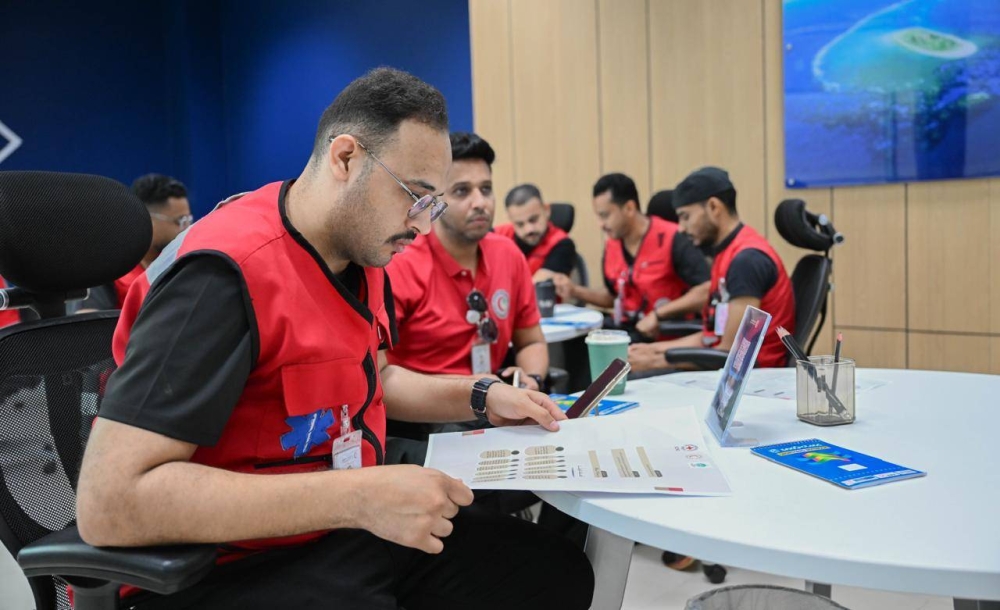
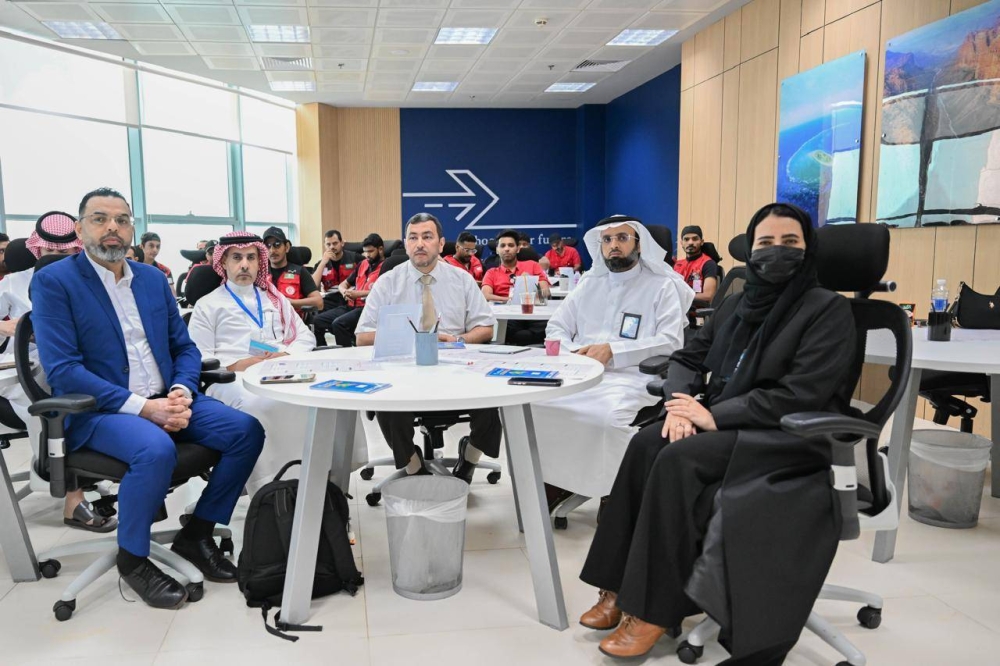
أُختتم مساء اليوم برنامج «أساسيات القانون الدولي الإنساني»، الذي نظمه هيئة الهلال الأحمر السعودي بالتعاون مع البعثة الإقليمية للجنة الدولية للصليب الأحمر لدول مجلس التعاون الخليجي، وباستضافة من جامعة جازان، وانخرط فيه عدد كبير من المهتمين في هذا الجانب.
وتناول البرنامج الذي استمرت على مدى ثلاثة أيام، مقدمة عن القانون الدولي الإنساني، نشأته ومبادئه و مصادره، إضافة إلى استعراض المعاهدات و الاتفاقيات الدولية ذات الصلة، ودور اللجنة الدولية للصليب الأحمر في حماية المدنيين و الفئات المحمية خلال النزاعات المسلحة، إلى جانب تسليط الضوء على أهمية حماية العاملين في الميدان الإنساني و تعزيز الالتزام الدولي بمبادئ القانون الدولي الإنساني.
كما تتضمن عرضاً لأبرز جهود المملكة العربية السعودية من خلال الهلال الأحمر السعودي، و تجاربها الرائدة في المجال الإنساني، بالإضافة إلى مناقشة أبرز التحديات المتعلقة بتنفيذ اتفاقيات القانون الدولي الإنساني، و الخطر الذي تتعرض له الخدمة الصحية و الإنسانية.
The program "Fundamentals of International Humanitarian Law" concluded this evening, organized by the Saudi Red Crescent Authority in collaboration with the regional delegation of the International Committee of the Red Cross for the Gulf Cooperation Council countries, hosted by Jazan University, and attended by a large number of interested individuals in this field.
The program, which lasted for three days, covered an introduction to international humanitarian law, its origins, principles, and sources, in addition to reviewing relevant treaties and international agreements, and the role of the International Committee of the Red Cross in protecting civilians and vulnerable groups during armed conflicts, as well as highlighting the importance of protecting humanitarian workers and enhancing international commitment to the principles of international humanitarian law.
It also included a presentation of the prominent efforts of the Kingdom of Saudi Arabia through the Saudi Red Crescent, and its pioneering experiences in the humanitarian field, in addition to discussing the main challenges related to the implementation of international humanitarian law agreements, and the threats faced by health and humanitarian services.