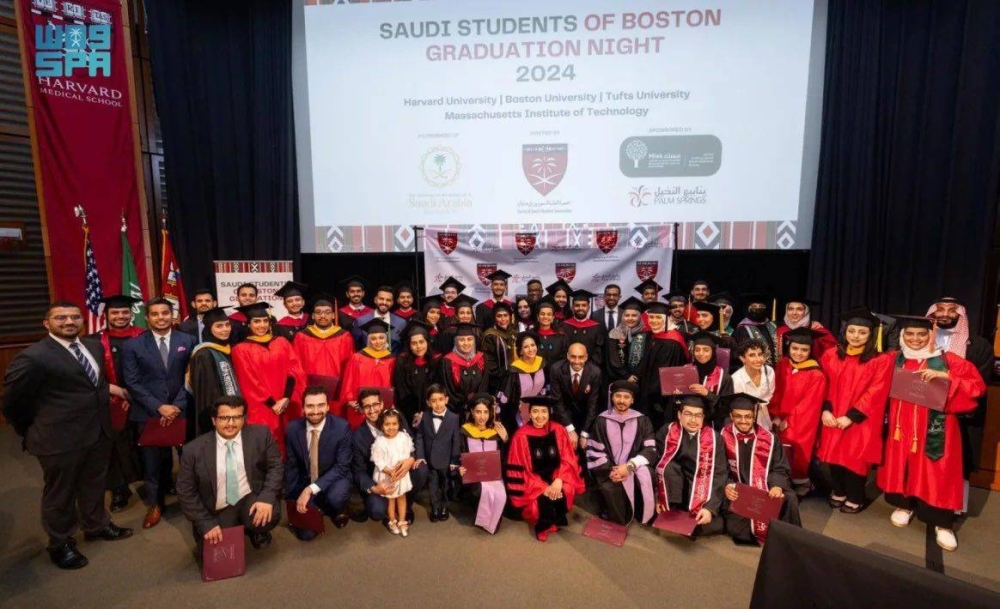
كشف برنامج تنمية القدرات البشرية في تقريره السنوي لعام 2024 أن أكثر من 12 ألف طالب سعودي يدرسون حالياً في افضل 200 جامعة حول العالم، بينهم 2,400 مبتعث في أفضل 30 جامعة عالمية.
وبين البرنامج أن إستراتيجية برنامج خادم الحرمين الشريفين للابتعاث تستهدف ابتعاث 70 ألف طالب وطالبة بحلول عام 2030. وتضم الإستراتيجية مسارات تشمل مسار الرواد الذي يختص بالابتعاث إلى أفضل 30 جامعة عالمياً في مختلف المجالات لدرجتي البكالوريوس والماجستير، ومسار الإمداد الذي يركّز على الابتعاث إلى أفضل 200 جامعة عالمياً في التخصصات المطلوبة لسوق العمل، إضافة إلى مسار البحث والتطوير المخصص لطلاب الدراسات العليا في أفضل الجامعات والمعاهد عالمياً، ومسار واعد يركّز على المجالات الواعدة وفق متطلبات المشاريع الكبرى والمبادرات الوطنية سواءً في التدريب أو برامج البكالوريوس.
وفي الداخل، ارتفعت نسبة المؤسسات التعليمية المعتمدة في السعودية إلى 71.4% بعد اعتماد 12 مؤسسة تعليم عالٍ، متجاوزة مستهدف عام 2025 البالغ 65%. كما جرى اعتماد 124 برنامجاً أكاديمياً لضمان توافق المخرجات مع متطلبات السوق محلياً وعالمياً، إلى جانب توقيع 78 اتفاقية لاعتماد البرامج الأكاديمية.
وأطلقت المملكة مبادرة الدرجات العلمية المخصصة ذاتياً (Multidisciplinary) التي تتيح للطلاب تصميم برامج دراسية تجمع أكثر من تخصص وفق اهتماماتهم الأكاديمية وحاجات سوق العمل، واستفاد من هذه المبادرة أكثر من 4,800 طالب وطالبة عبر 56 برنامجاً أكاديمياً مطبقاً في 11 جامعة سعودية هي: الجامعة الإسلامية، جامعة المجمعة، جامعة الإمام عبدالرحمن بن فيصل، جامعة أم القرى، جامعة القصيم، جامعة الملك سعود، الجامعة السعودية الإلكترونية، جامعة الأميرة نورة بنت عبدالرحمن، جامعة حائل، جامعة الملك خالد، وجامعة الملك فيصل.
وفي التصنيفات العالمية، حققت الجامعات السعودية حضوراً لافتاً، إذ جاءت جامعة الملك سعود في المرتبة 90 عالمياً حسب تصنيف شنغهاي لعام 2024، بينما حلّت جامعة الملك فهد للبترول والمعادن في المركز 149 عالمياً، واحتلت جامعة الملك عبدالعزيز المرتبة 101 عالمياً وفق تصنيف QS لعام 2025.
The Human Capacity Development Program revealed in its annual report for 2024 that more than 12,000 Saudi students are currently studying at the best 200 universities around the world, including 2,400 scholarship students at the top 30 global universities.
The program indicated that the strategy of the Custodian of the Two Holy Mosques Scholarship Program aims to send 70,000 male and female students abroad by 2030. The strategy includes pathways such as the Pioneers Pathway, which focuses on scholarships to the top 30 universities worldwide in various fields for bachelor's and master's degrees, and the Supply Pathway, which concentrates on scholarships to the top 200 universities globally in fields required by the labor market. Additionally, there is a Research and Development Pathway designated for graduate students at the best universities and institutes worldwide, and a Promising Pathway that focuses on promising fields according to the requirements of major projects and national initiatives, whether in training or bachelor's programs.
Domestically, the percentage of accredited educational institutions in Saudi Arabia has risen to 71.4% after the accreditation of 12 higher education institutions, surpassing the target of 65% set for 2025. Furthermore, 124 academic programs have been accredited to ensure that the outcomes align with local and global market requirements, alongside the signing of 78 agreements for the accreditation of academic programs.
The Kingdom launched the Self-Designed Multidisciplinary Degree initiative, which allows students to design study programs that combine multiple disciplines according to their academic interests and labor market needs. More than 4,800 male and female students have benefited from this initiative through 56 academic programs implemented at 11 Saudi universities: Al-Imam Muhammad Ibn Saud Islamic University, Al-Majma'ah University, Imam Abdulrahman bin Faisal University, Umm Al-Qura University, Qassim University, King Saud University, Saudi Electronic University, Princess Nourah bint Abdulrahman University, Hail University, King Khalid University, and King Faisal University.
In global rankings, Saudi universities have made a notable presence, with King Saud University ranked 90th globally according to the Shanghai Ranking for 2024, while King Fahd University of Petroleum and Minerals ranked 149th globally, and King Abdulaziz University ranked 101st globally according to the QS Ranking for 2025.