في خطوة استراتيجية تعكس التزام المملكة بتعزيز الأمن الغذائي وتوطين التقنيات الحيوية المتقدمة، وقَّع البرنامج الوطني لتطوير قطاع الثروة الحيوانية والسمكية مذكرة تفاهم مع قطاعات عالمية متخصصة في حلول التقنية الحيوية، بحضور نائب وزير البيئة والمياه والزراعة المهندس منصور بن هلال المشيطي.
وتأتي هذه الخطوة امتداداً لمساعي المملكة في دعم استدامة الإنتاج الحيواني، وتحسين جودة وسلامة المنتجات المحلية، من خلال تبني حلول مبتكرة تسهم في تقليل المخاطر الصحية والبيئية، وتعزز القدرة التنافسية للمنتجات الوطنية على المستويين الإقليمي والدولي.
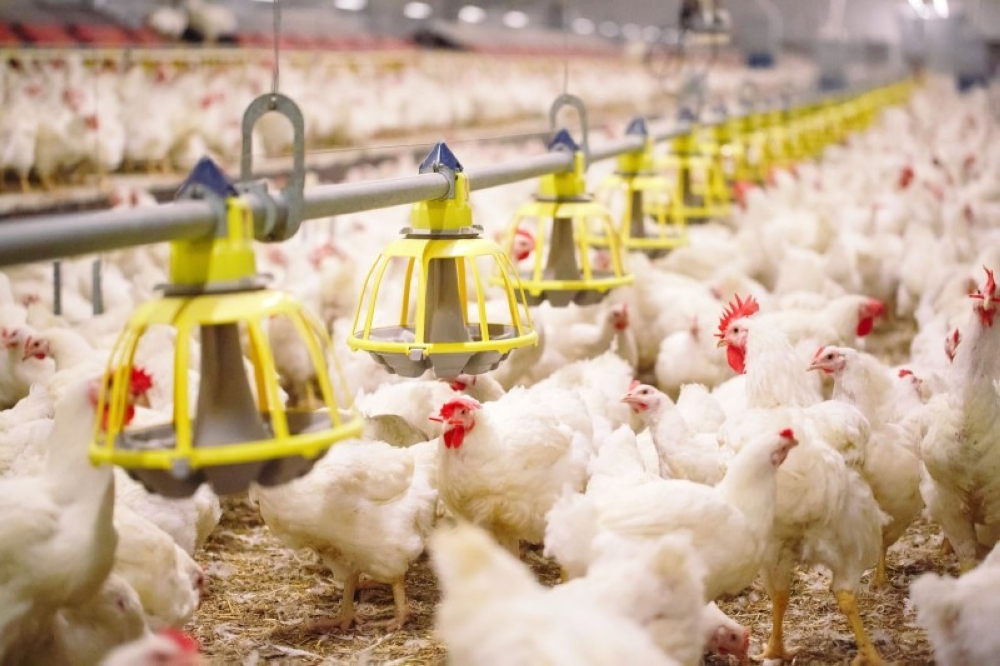
وبموجب المذكرة، سيتم توطين هذه التقنيات بما يدعم تطوير قطاع الدواجن ورفع كفاءته التشغيلية والإنتاجية، ويؤسس لقطاع حيواني قائم على الابتكار والمعرفة.
وتتمحور كذلك حول تقنية العاثيات البكتيرية (Bacteriophages)، التي تُعد بديلا حيويا واعدا للمضادات الحيوية التقليدية، خصوصا في ظل التحديات المتزايدة المرتبطة بمقاومة البكتيريا للمضادات، إذ تستهدف العاثيات بكتيريا السالمونيلا بشكل نوعي، ما يُسهم في تقليل انتشارها، وخفض الاعتماد على المضادات الحيوية، والتحول نحو إنتاج غذائي أكثر أمانا وخلوا من المضادات.
كما يسهم استخدام هذه التقنية في تقليل مخاطر التسمم الغذائي الناتج عن السالمونيلا في المنتجات الحيوانية كالدواجن والبيض، بما يرفع جودة وسلامة المنتج النهائي، ويعزز فرصه التنافسية في الأسواق المحلية والعالمية.
وتشير العديد من الدراسات إلى قدرة تقنية العاثيات البكتيرية على خفض نسب الإصابة ببكتيريا السالمونيلا في الدواجن بنسبة تصل إلى 90%، عند استخدامها كرذاذ بعد الذبح، كما تدعم هذه التقنية استراتيجيات العلاج الذكي عبر مزيج من العاثيات التي تهاجم البكتيريا المقاومة بطرق متعددة، ما يعزز فاعلية العلاج ويحد من ظهور سلالات جديدة مقاومة.
وأكد البرنامج الوطني أن هذه المذكرة تمثل محطة مفصلية في مسار توطين التقنيات الحيوية ودعم الابتكار، وتسهم في بناء منظومة إنتاج غذائي أكثر مرونة وجودة واستدامة.
يذكر أن هذه المذكرة تأتي متماشية مع مستهدفات استراتيجية الزراعة المحدثة والاستراتيجية الوطنية للتقنية الحيوية وصولاً إلى مستهدفات رؤية السعودية 2030، التي تسعى إلى ترسيخ مكانة المملكة كمركز عالمي للابتكار في مجالات الزراعة والغذاء والصحة والبيئة، من خلال تقنيات مستدامة تدعم الأمن الغذائي وتعزز التنافسية على المدى الطويل.
In a strategic move that reflects the Kingdom's commitment to enhancing food security and localizing advanced biotechnology, the National Program for the Development of the Animal and Fish Wealth Sector signed a memorandum of understanding with global sectors specialized in biotechnology solutions, in the presence of the Deputy Minister of Environment, Water, and Agriculture, Engineer Mansour bin Hilal Al-Mushaiti.
This step comes as an extension of the Kingdom's efforts to support the sustainability of animal production and improve the quality and safety of local products, by adopting innovative solutions that contribute to reducing health and environmental risks, and enhancing the competitiveness of national products at both regional and international levels.
Under the memorandum, these technologies will be localized to support the development of the poultry sector and enhance its operational and productive efficiency, establishing an animal sector based on innovation and knowledge.
It also revolves around bacteriophages technology, which is considered a promising biological alternative to traditional antibiotics, especially in light of the increasing challenges associated with bacterial resistance to antibiotics. Bacteriophages specifically target Salmonella bacteria, contributing to reducing its spread, lowering dependence on antibiotics, and shifting towards safer food production free from antibiotics.
The use of this technology also helps reduce the risks of food poisoning resulting from Salmonella in animal products such as poultry and eggs, thereby enhancing the quality and safety of the final product and boosting its competitiveness in local and global markets.
Many studies indicate the ability of bacteriophage technology to reduce the incidence of Salmonella bacteria in poultry by up to 90% when used as a spray post-slaughter. This technology also supports smart treatment strategies through a combination of bacteriophages that attack resistant bacteria in multiple ways, enhancing treatment effectiveness and limiting the emergence of new resistant strains.
The National Program confirmed that this memorandum represents a pivotal milestone in the path of localizing biotechnology and supporting innovation, contributing to building a more resilient, high-quality, and sustainable food production system.
It is noteworthy that this memorandum aligns with the targets of the updated agriculture strategy and the national biotechnology strategy, aiming to achieve the goals of Saudi Vision 2030, which seeks to establish the Kingdom as a global center for innovation in agriculture, food, health, and environment, through sustainable technologies that support food security and enhance long-term competitiveness.