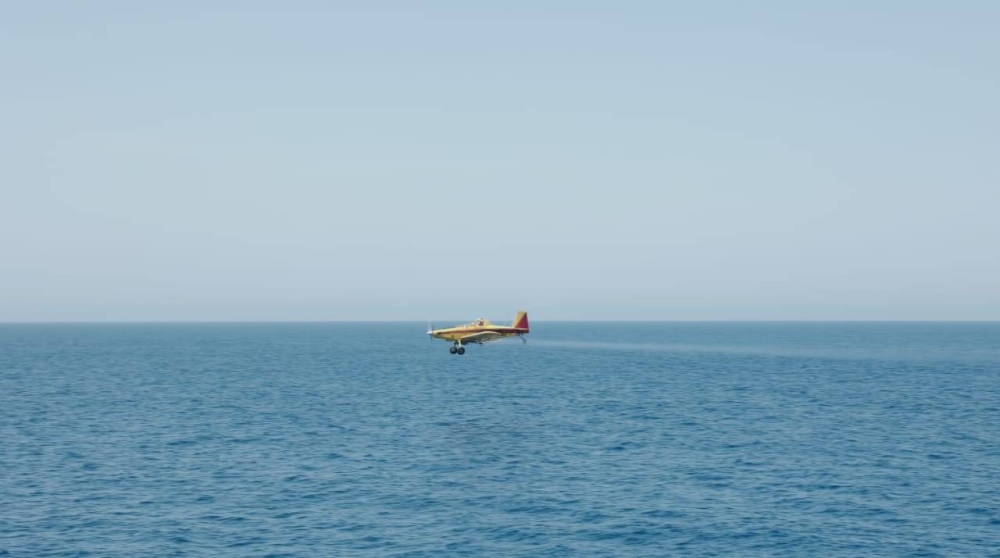
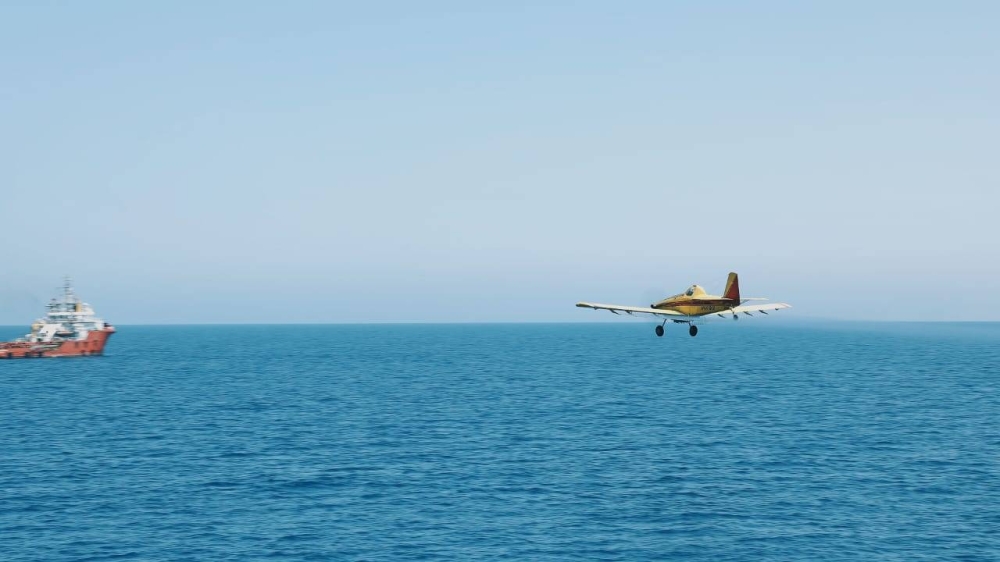
تُعد حماية البيئة البحرية والساحلية من أبرز أولويات المملكة، في إطار التزامها بالمعايير الدولية وتعزيز استدامة النظم البيئية. ومن بين أبرز الأساليب التي تستخدمها المملكة للاستجابة للانسكابات الزيتية في البيئة البحرية ابتداء من الرقابة الجوية بواسطة طائرات الدرون ذات التقنيات العالية، الطيران العامودي أو طائرات رش كأحد الأساليب والتقنيات المستخدمة للمكافحة، إذ تعتبر أحد أبرز الحلول البيئية لمواجهة التحديات البيئية الناجمة عن تلوث البيئة البحرية بالزيت.
ويعمل المركز الوطني للرقابة على الالتزام البيئي بالتعاون مع عدد من الجهات الحكومية والخاصة على اختبار كفاءة هذه الطائرات وغيرها من التقنيات ضمن التمارين الفرضية لمحاكاة حوادث الانسكابات الزيتية على مساحات واسعة في عرض البحر وعلى السواحل.
ولسرعة الاستجابة وحصر انتشار التلوث والمواقع المتضررة، تتنوع مهام الطائرات في سرعة توفير المعلومات لمساحات جغرافية واسعة، لتنطلق بعد ذلك طائرات الرش التي تقوم بأخذ الخطوات الفعالة لمكافحة التلوث، حيث تبدأ برش المشتتات والتي بدورها تساعد في تفكيك الجزيئات الهيدروكرونية وتسّرع من تحللها طبيعياً في البيئة البحرية.
وبذلك تعد هذه الطائرات أحد العناصر الأساسية لتشتيت التلوث وتحجيم خطره في وقت وجيز قبل أن يمتد الأثر للكائنات البحرية والساحلية، مما يسهم في الحفاظ على التوازن البيئي.
وتعتبر هذه الطائرات أداة فعالة في التعامل مع حالات الطوارئ البيئية، حيث تتميز بقدرتها على الوصول إلى مناطق بعيدة في زمن قياسي، مما يعزز من جهود المملكة في الحفاظ على بيئتها البحرية وحمايتها من التلوث.
وفي فرضية «استجابة 17»، أثبتت طائرات الرش فاعليتها في سرعة الاستجابة لعمليات مكافحة تلوث البيئة البحرية بالزيت، وفق معايير فنية دقيقة تُستخدم لتقدير حجم المواد المطلوبة في حالات التلوث.
وقد نُفذت الفرضية بإشراف المركز الوطني للرقابة على الالتزام البيئي، وبمشاركة 56 جهة حكومية وعسكرية وخاصة، ضمن نطاق الخطة الوطنية لمكافحة الانسكابات الزيتية والمواد الضارة الأخرى، وهو ما يؤكد نجاح هذا النوع من التقنيات، إلى جانب العديد من التقنيات الحديثة الأخرى في حماية البيئة البحرية والساحلية في المملكة.
The protection of marine and coastal environments is one of the top priorities of the Kingdom, as part of its commitment to international standards and enhancing the sustainability of environmental systems. Among the most prominent methods used by the Kingdom to respond to oil spills in the marine environment is aerial surveillance using high-tech drones, vertical flight, or spray aircraft as one of the methods and techniques used for combating pollution. These are considered one of the most significant environmental solutions to address the challenges posed by oil pollution in the marine environment.
The National Center for Environmental Compliance Monitoring, in collaboration with several governmental and private entities, is working on testing the efficiency of these aircraft and other technologies within hypothetical exercises to simulate oil spill incidents over large areas at sea and along the coasts.
For rapid response and containment of pollution spread and affected sites, the tasks of the aircraft vary in quickly providing information over vast geographical areas. Subsequently, spray aircraft are deployed to take effective steps to combat pollution, starting with spraying dispersants, which help break down hydrocarbon particles and accelerate their natural degradation in the marine environment.
Thus, these aircraft are considered one of the essential elements for dispersing pollution and mitigating its risks in a short time before the impact extends to marine and coastal organisms, contributing to the preservation of ecological balance.
These aircraft are regarded as an effective tool in dealing with environmental emergency situations, as they are characterized by their ability to reach remote areas in record time, enhancing the Kingdom's efforts to preserve its marine environment and protect it from pollution.
In the "Response 17" exercise, spray aircraft demonstrated their effectiveness in the rapid response to marine oil pollution control operations, according to precise technical standards used to estimate the volume of materials required in pollution cases.
The exercise was conducted under the supervision of the National Center for Environmental Compliance Monitoring, with the participation of 56 governmental, military, and private entities, as part of the national plan to combat oil spills and other harmful materials. This confirms the success of this type of technology, alongside many other modern technologies in protecting the marine and coastal environment in the Kingdom.