قرية الطلحة أو ما كان يطلق عليها قديماً «طلحة الملك»، الواقعة قرب محافظة ظهران الجنوب وفي قلب الجغرافيا التاريخية، تسكنها قبيلة آل منصور من يام.. قبيلة همدانية عريقة الجذور موغلة في الأصالة والانتماء.
قرية الطلحة كما كانت تُعرف قديماً ووصفها الهمداني في كتابه صفة جزيرة العرب وابن خرداذبة في كتابه المسالك والممالك بـ«طلحة الملك» وشهدت حضوراً سياسياً وجغرافياً في العصور القديمة حتى عهد الدولة السعودية المباركة، فشملها ما شمل المدن والقرى والهجر من تطور ورفاهية.
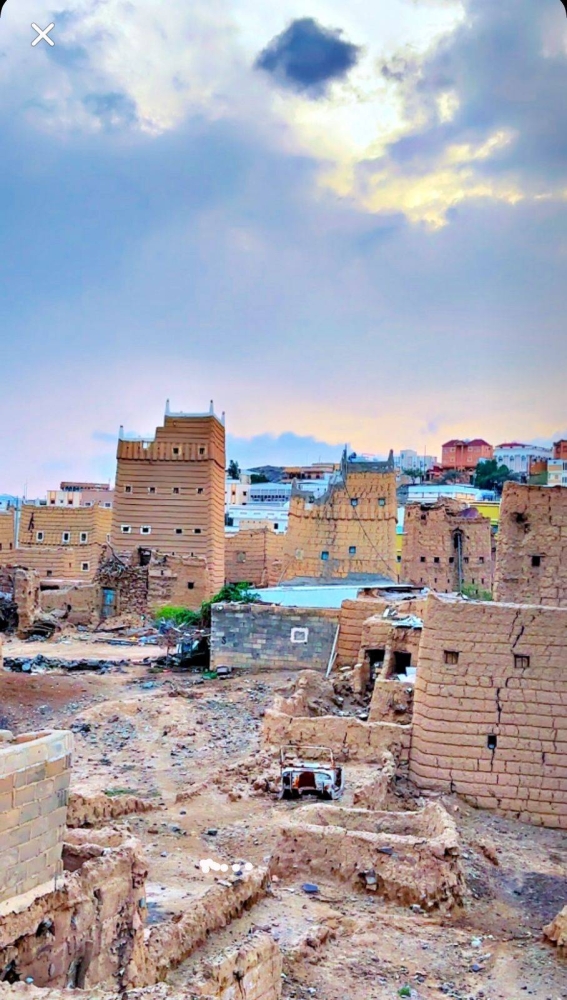
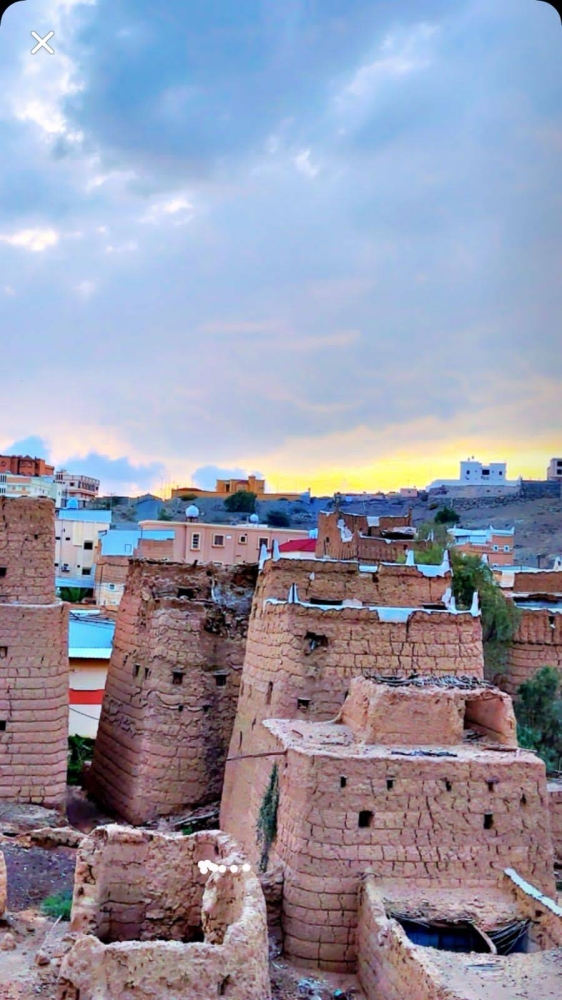
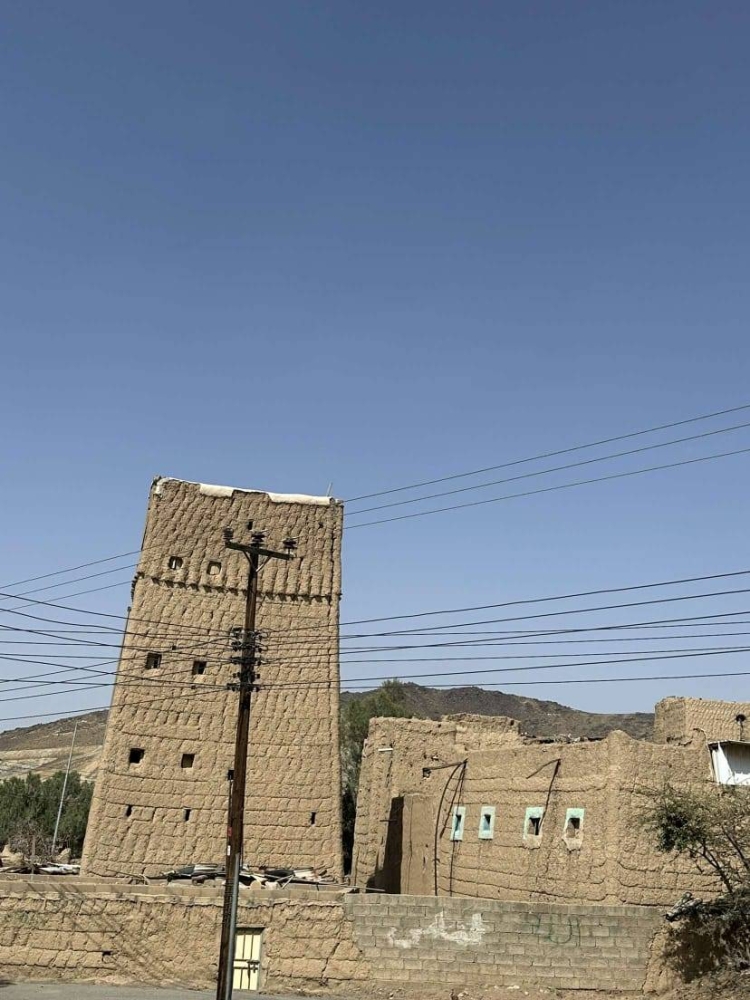
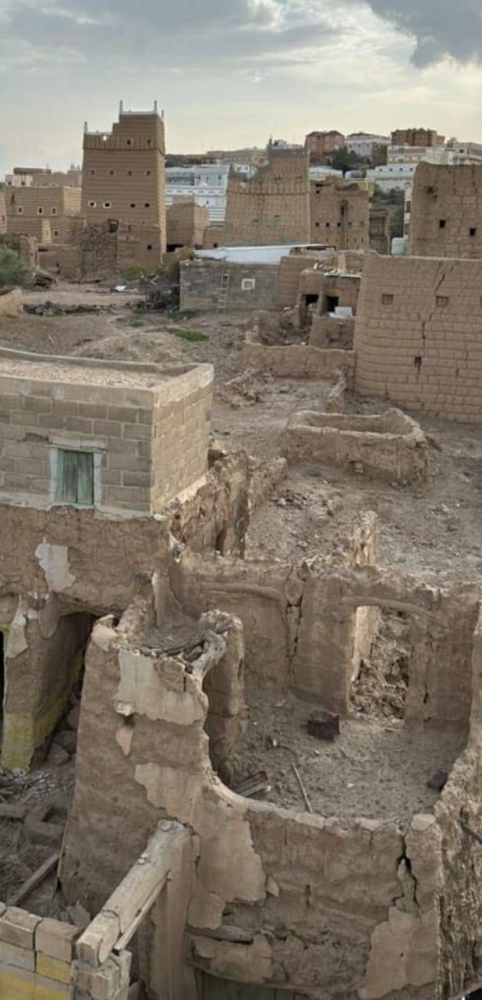
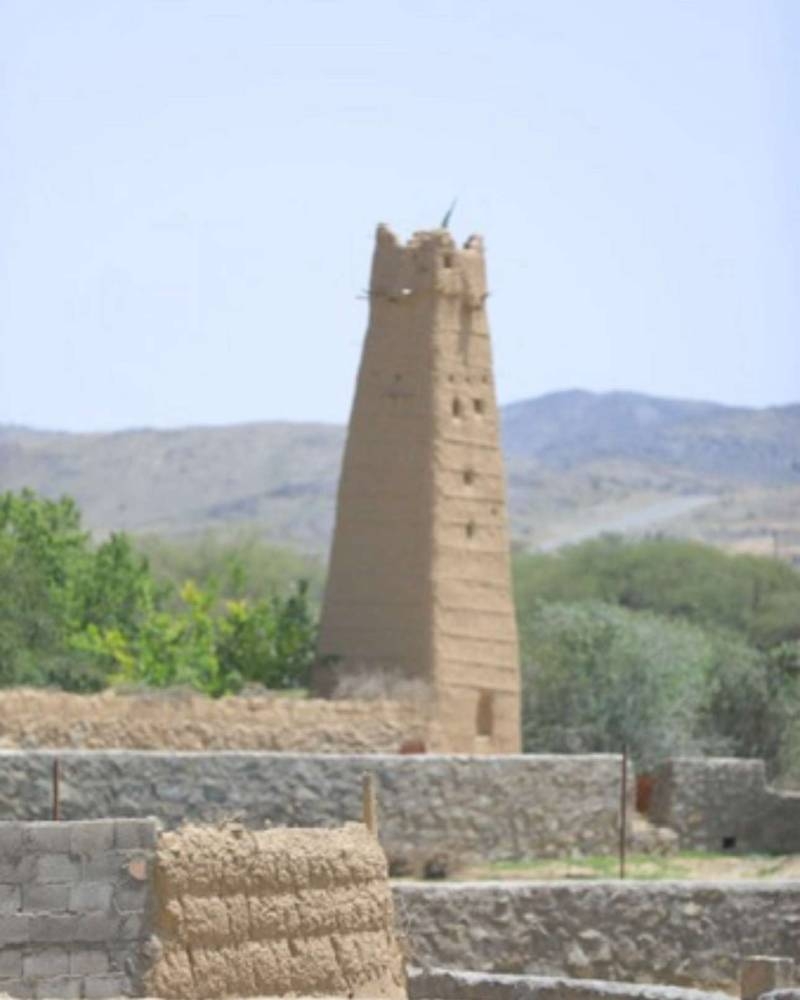
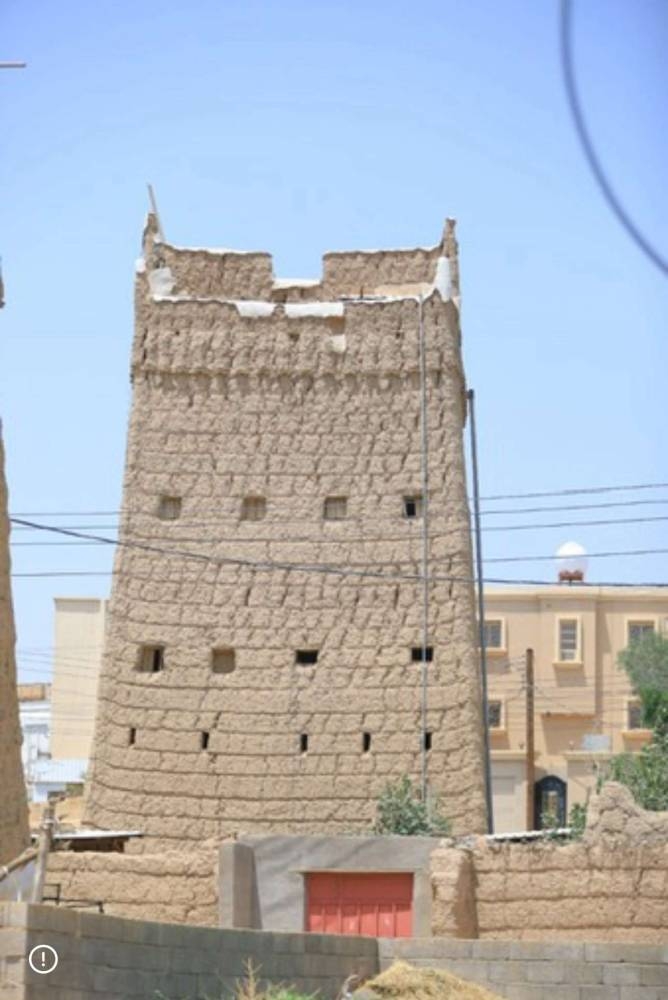
لا تزال قصور قرية الطلحة الأثرية تقف شامخة شاهدة على عراقة الماضي وعبق التاريخ الذي خطّته سواعد قبيلة آل منصور.. هذه القصور بحجارتها القديمة وجدرانها الصامدة تروي حكايات من المجد والتراث الأصيل الذي لم تبُلِه الأيام.
ومع ما تحمله الطلحة من مقومات سياحية نادرة بدءاً من موقعها الفريد وجوّها العليل طوال العام، إلى طابعها المعماري التراثي المميز.. كل هذه المقومات قد تحولها إلى مزار تراثي ومتنفس سياحي لا يخدم فقط أهالي المنطقة، بل يعزز من حضور التراث المحلي في خريطة السياحة الوطنية ويكرّم تاريخ أجدادنا الذين شيدوا هذه القصور بأيدٍ عارية وإرادة من حديد.
ورغم هذا الإرث الكبير تغيب الطلحة اليوم عن خريطة الاهتمام، لا توجد عناية بالمعالم السياحية التي تبرز وجهها الحقيقي سوى قصر الطلحة التراثي الأثري؛ الذي أسّسه شاب من أبناء القبيلة بجهود ذاتية دون دعم يُذكر من الجهات المعنية. هذا الشاب الذي أحب تراث قريته حتى اتّخذه رسالة، ما زال يدفع ضريبة هذا العشق في ظل الصمت وغياب الرؤية والدعم من بلدية محافظة ظهران الجنوب ومن الهيئة العامة للسياحة والتراث الوطني.
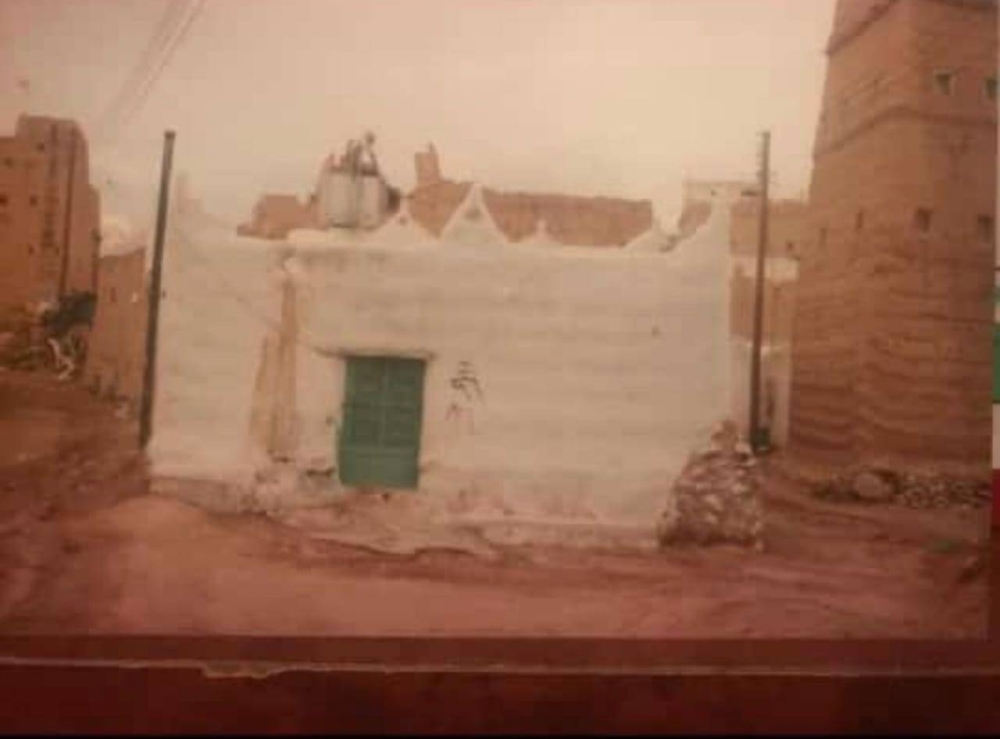
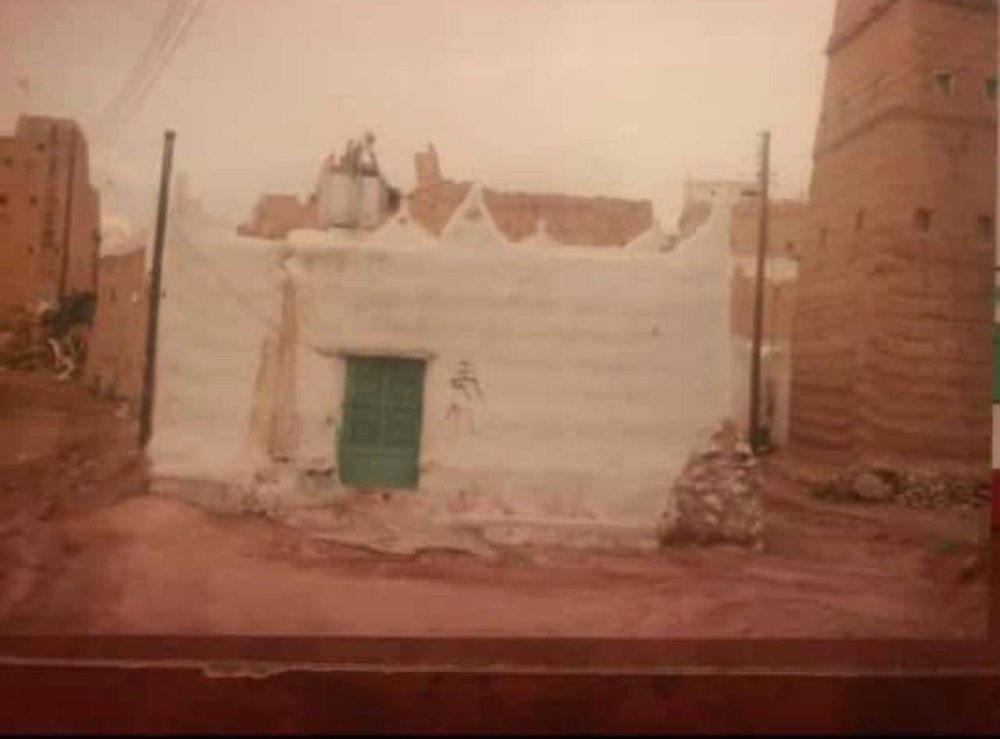
كما أن هذا الإهمال، أفقد القرية أهم معالمها التراثية وهو مسجدها القديم.. المعلم الفريد الذي بُني قبل أكثر من خمسة قرون وكان شاهداً على عبق التاريخ وعمق الجذور وعلى امتداد الذاكرة، لكنه للأسف اندثر لتفقد الطلحة بذلك أهم رموزها الروحية والتاريخية.
هدمه ليس مجرد إزالة حجارة بل طمس لجزء من الهوية وروح المكان التي لا تعوّض، إذ إنه كان يدلُّ على التراث المعماري المحلي والإرث الديني والاجتماعي.
إن الطلحة اليوم وهي لا تزال تحتفظ ببعض الإرث التراثي الأصيل تناشد بعين التاريخ وعقل الحاضر وتصرخ: أين أنتم يا من بيدكم رسم خريطة التنمية التراثية؟
أليس من حق الطلحة أن تُدرج ضمن القرى التراثية؟
أليس من واجب الجهات المعنية أن تلتفت إلى كنزها الدفين قبل أن تبتلعه الذاكرة ويطويه النسيان؟
أليس من الإنصاف أن تُساوى بالاهتمام كما هو حال القرى الأثرية والتراثية في المنطقة وأقربها لقرية الطلحة قرية السوق في محافظة ظهران الجنوب أو ما يطلق عليها (الحوزة)؟
سوق «الربوع».. التجارة الآمنة في زمن الخوف
سوق الأربعاء، أو كما كان يُعرف بـ«سوق الربوع» لم يكن مجرد سوق تُباع فيه المواشي والدقيق والهيل والتمر، بل كان حكاية كبرى من حكايات الجنوب شاهدة على زمن الطيبين وزمن القبيلة وزمن «الوجيه» التي كانت صكوك أمان ومواثيق تُحترم بلا ختم ولا توقيع، كان السوق ميداناً للبيع والشراء، وفي الوقت ذاته منصة للصفح وساحة عدل ومأمن وميثاق شرف تحكمه أعراف راسخة كالجبال. «من دخله فهو آمن» حتى لو قتل قبيلة كاملة يبقى «في وجيه» قبيلة آل منصور يام لمدة 12 شهراً لا يُضام.
هذه ليست مجرد رواية، بل هي وثيقة شرفٍ في وجدان أصغر طفل في القبيلة.
سوق الأربعاء في قرية الطلحة، كان دار أمان و«في وجيه القبيلة» تعني أنك دخلت في عهد لا يُنقض.
الاثنا عشر شهراً هي بمثابة فرصة للصلح.. للتحكيم.. للحكمة أن تأخذ مجراها بدلاً من الثأر الأعمى. كان السوق بذلك أداة ضبط اجتماعي وسلام قبلي لا مجرد ساحة للتجارة فقط.
هذه المعلومة أو هذه الوثيقة أو هذا المكتسب القبلي.. جميعها تؤكد أن مجتمع الطلحة لم يكن عشوائياً، بل كان قائماً على قوانين أخلاقية صارمة تُعطي الأمان حتى للعدو إن التزم بحُرمة المكان.
باختصار.. في هذا السوق كان القاتل يُؤمَّن.. ويُحاكم بعين العدل لا بعين الغضب.. «في وجيه آل منصور يام» اثنا عشر شهراً لا يُمسّ فيها حتى يقول العُرف كلمته والحق يأخذ مجراه.
واليوم حين ضمنت الدولة السعودية منذ توحيدها على يد المؤسس الملك عبدالعزيز بن عبدالرحمن -طيب الله ثراه- الأمن لكل من على هذه الأرض، لم تعد الحاجة لسوق يمنح الأمان، لكن السوق ما زال يستحق أن يُبعث من جديد.. لا كسوق تجارة فقط بل كذاكرة حيّة وكجسر بين الأصالة والحاضر. فإعادة إحيائه ليست مجرد تنشيط اقتصادي بل إحياء لتراث ثقافي واجتماعي كبير، فيه من الطقوس والروابط ما لا تبيعه ولا تشتريه الأموال.
نعم، نريد السوق.. نريده بكل تفاصيله؛ برائحة الهيل، وصيحات الباعة، وخطى الأجداد على تراب الطلحة.
هذا السوق ليس ماضياً وانتهى، بل حاضر ينتظر من يوقظه.
ذاكرة «الطلحة» تُهدم.. والبديل حوض سمك!
لم يخطر في بالي عندما عدت لقريتي الطلحة، أن أجد معْلماً من معالمها وقد مُسِحَ من الوجود.
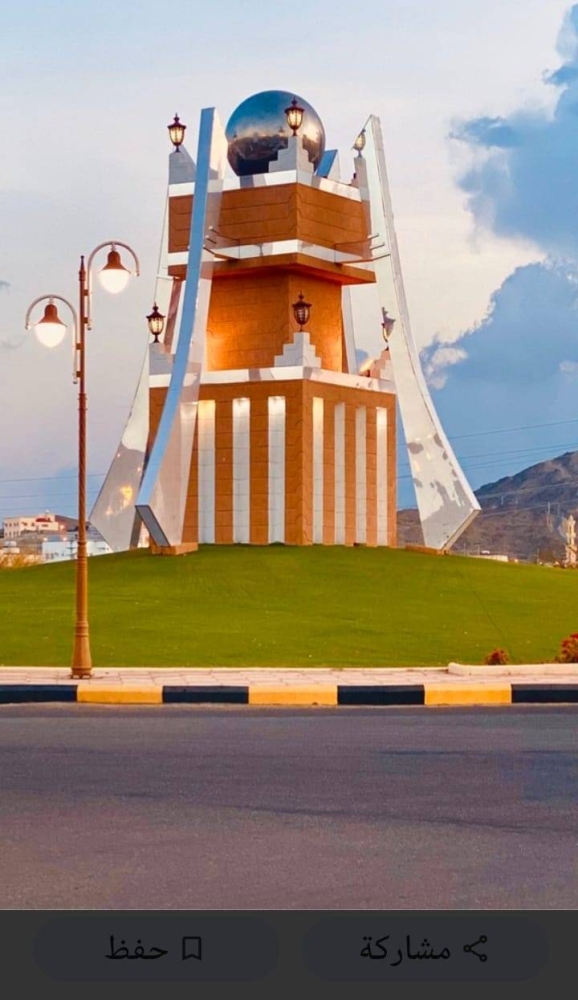
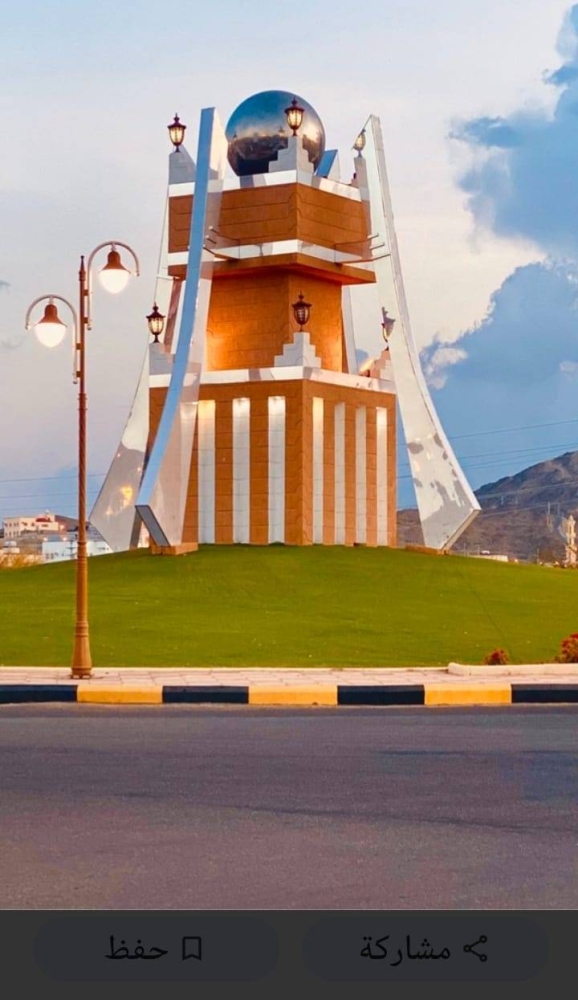
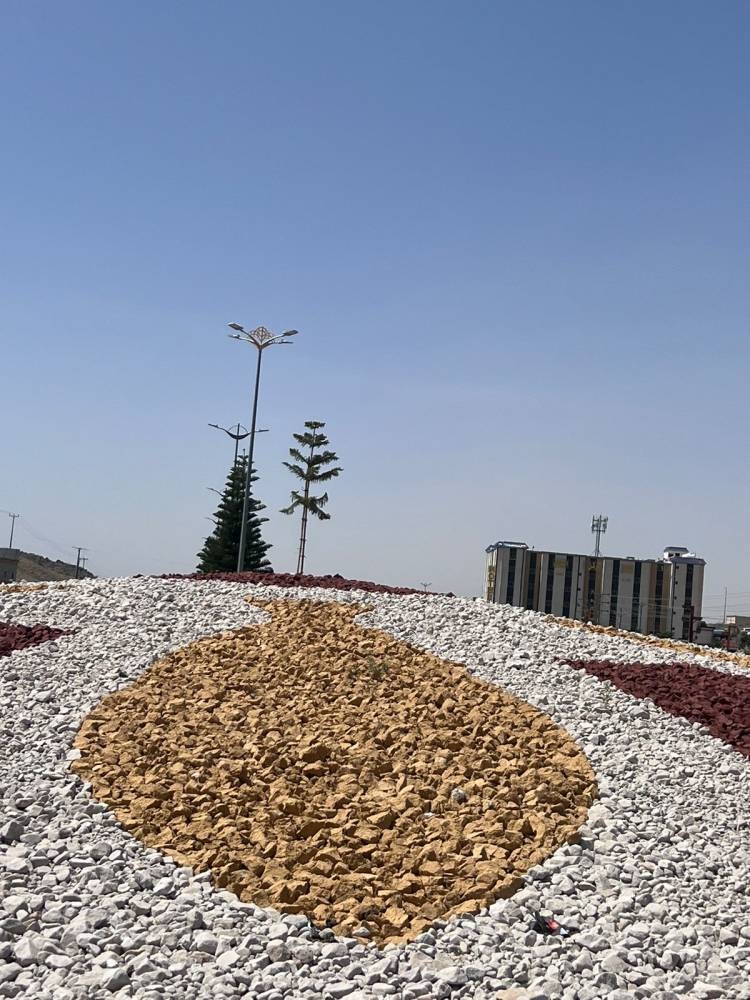
دوار المدخل الذي كان يتوسطه مجسّم قصر أثري من الطين شامخ كرمز لتراث المنطقة الجبلي العريق اختفى فجأة.. ليحل مكانه حوض أسماك!
تبدّلٌ غريب لا يمتّ بصلة لبيئة الطلحة الجبلية، ولا يعكس أدنى فهم لطبيعة المكان أو تاريخه، فهل نضبت رمزية الأرض حتى نستلهم من البحر ما نضعه في قلب الجبال؟
أم أن المشهد الجديد مجرد اجتهاد بلا دراسة ولا مشورة أهل البلدة؟
هذا التغيير الذي يتنافى مع الواقع هو طمس لهوية المكان أو تغيير لا يتناسب مع الطبيعة الجبلية والحفاظ على الموروث البصري والمعنوي، خصوصاً في قرى الجنوب التي ما زالت تنبض بذاكرة المكان. في زمن أصبحت الرموز وسيلة اتصال ثقافية، لابد أن يُعاد النظر ليس فقط في الحوض بل في الفكرة ذاتها.
إن تبديل دوّار مدخل الطلحة من رمز للتراث كقصر طيني يروي حكاية الأجداد إلى حوض أسماك، هو مثال صارخ على غياب البوصلة الثقافية عند بعض من بيدهم القرار البلدي.. تخيّل قرية جبلية تعانق السحاب يُوضع على مدخلها حوض مستعار لا يُشبهها ولا يشبه أهلها وكأنها لوحة فنية أُلصق بها إطار غريب!
«وادي الأفياض» يموت بصمت البلدية وعبث الإنسان !
وادي الأفياض أحد معالم أو واجهات قرية الطلحة ومصبها المائي، هو ذاكرة طبيعة ومتنفّس للأهالي والزوار ومكان تستحقه الأجيال القادمة كما استحقه السابقون.
أن يُترك بهذا الشكل ويُهمل من كل الجهات فذاك تقصير لا يليق لا بالمكان ولا بأهله.
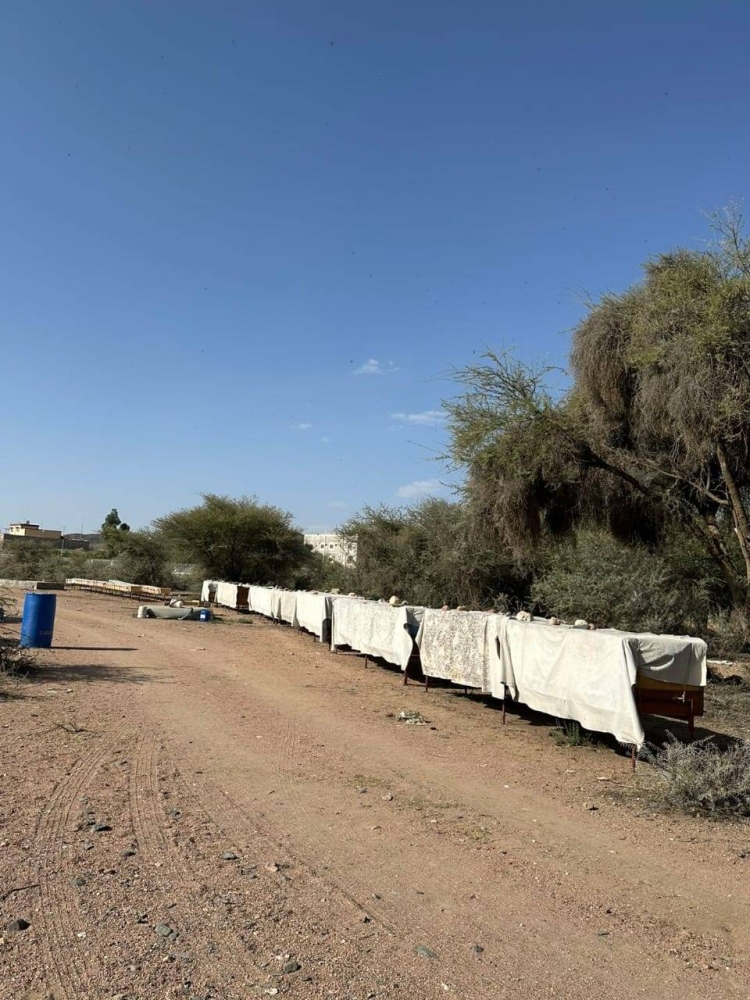
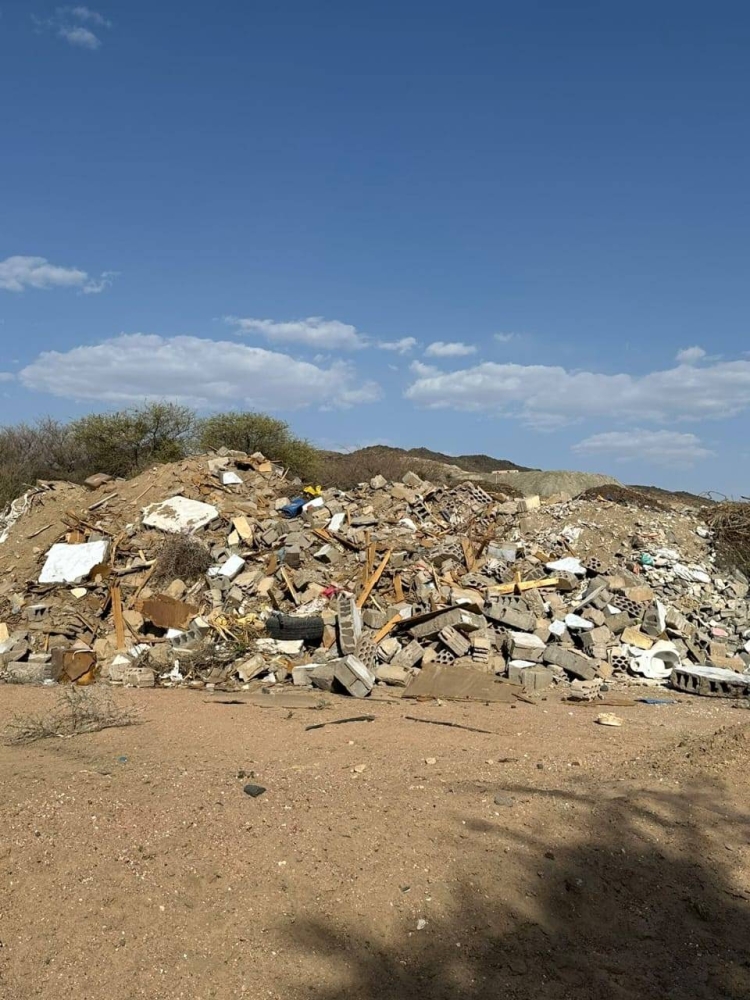
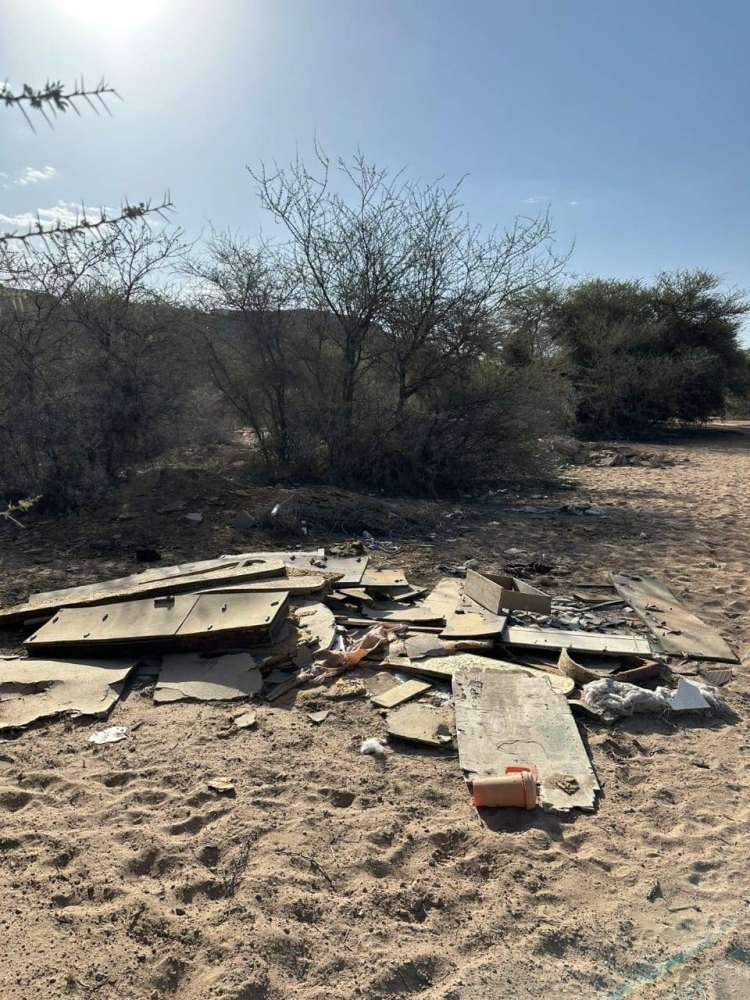
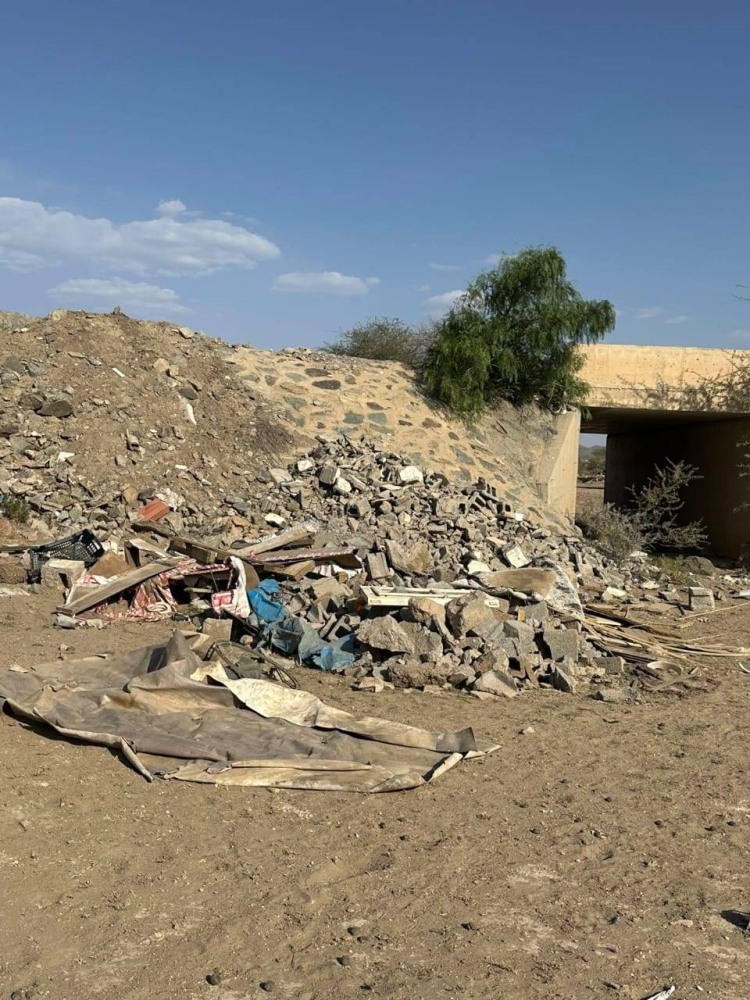
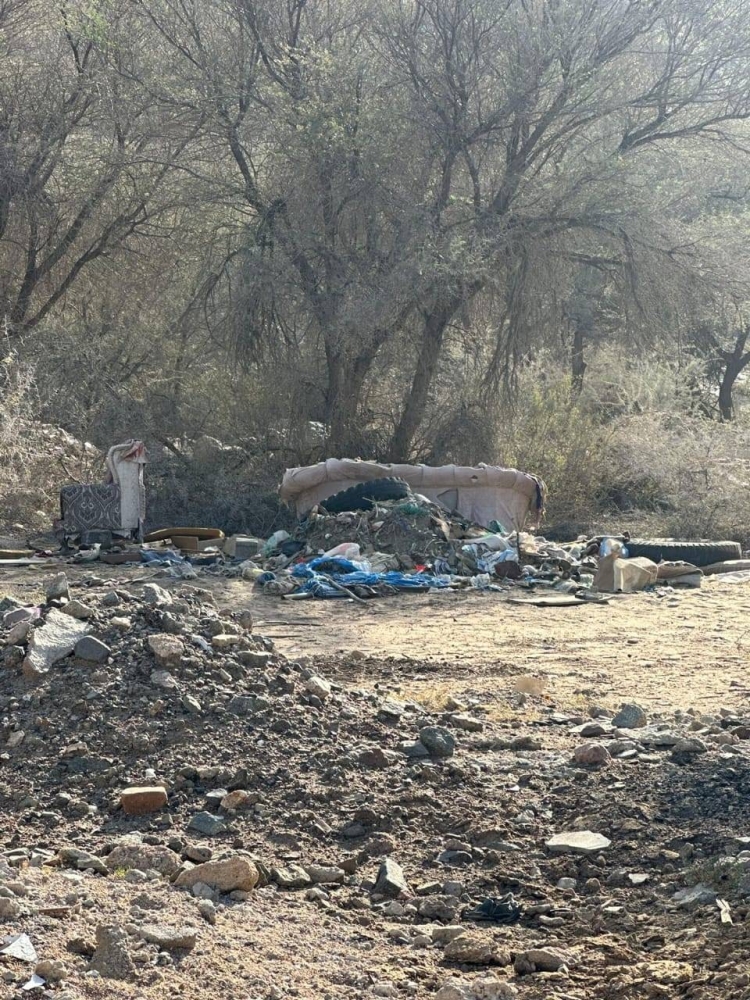
التعديات والعبث به وبطبيعته الخلابة أمر محزن، بل وصل الأمر بالمتنزهين ان يتركوا مخلّفاتهم من أطعمة ومشروبات خلفهم لأنهم لم يجدوا مواقع للنفايات، حتى أصبح الوادي مرتعاً للذباب والناموس، كما أصبح موقعاً ومكاناً «للنحّالين» الذين يضعون مناحلهم بالأشهر مع عمالتهم دون أن يراعوا حرمة المكان، وأن هناك عوائل تتنزه فيه.
أما سدّ وادي الأفياض.. هذه التحفة الجميلة التي تقع في صدر الوادي، فقد شيّد على أحدث طراز، لكنه ترك للإهمال.
السد محاط بجبال تشكل لوحة طبيعية آسرة، وكان من الممكن أن تفتح ممرات مشاة آمنة على أطرافه، وإنشاء مظلات وجلسات حجرية تقليدية، وتخصيص أماكن للشواء، وتهيئة موقع للمخيمات العائلية، وإنشاء منصة للمراقبة والتصوير، وربما مهرجان موسمي يُعقد هناك يجمع الناس ويحتفي بالمكان والإنسان.
باختصار..
بلدية ظهران الجنوب مسؤولة، ودورها صيانة المكان، والتخطيط لتطويره، ووضع لوحات توعوية، وتوفير الحاويات، وتعيين مراقبين بيئيين يتفقدون المواقع والمرافق باستمرار.
إرثٌ تاريخيٌّ يتداعى وسط تجاهل البلدية وهيئة السياحة والتراث
الطلحة تشكو الإهمال.. !
4 يوليو 2025 - 00:42
|
آخر تحديث 4 يوليو 2025 - 00:42


تابع قناة عكاظ على الواتساب
سعيد آل منصور
SaeedAlmansor @
The village of Al-Talhah, formerly known as "Talhah the King," located near the province of Dhahran Al-Janub and in the heart of historical geography, is inhabited by the Al-Mansour tribe of Yam.. an ancient Hamdani tribe deeply rooted in authenticity and belonging.
The village of Al-Talhah, as it was known in the past, was described by Al-Hamdani in his book "Description of the Arabian Peninsula" and Ibn Khurdadhbeh in his book "The Paths and Kingdoms" as "Talhah the King." It witnessed a political and geographical presence in ancient times until the era of the blessed Saudi state, which included it in the development and prosperity that encompassed cities, villages, and hamlets.
The ancient palaces of Al-Talhah still stand tall, witnessing the richness of the past and the fragrance of history that was shaped by the hands of the Al-Mansour tribe.. these palaces, with their old stones and resilient walls, tell tales of glory and authentic heritage that time has not worn away.
With the rare tourist components that Al-Talhah possesses, starting from its unique location and its pleasant climate throughout the year, to its distinctive architectural heritage.. all these components could transform it into a heritage site and a tourist outlet that not only serves the locals but also enhances the presence of local heritage on the national tourism map and honors the history of our ancestors who built these palaces with bare hands and iron will.
Despite this great heritage, Al-Talhah today is absent from the map of interest; there is no care for the tourist landmarks that highlight its true face except for the ancient heritage palace of Al-Talhah; which was established by a young man from the tribe through self-efforts without any notable support from the relevant authorities. This young man, who loved the heritage of his village to the extent that he took it as a message, still pays the price of this love amid silence and the absence of vision and support from the Dhahran Al-Janub municipality and the General Authority for Tourism and National Heritage.
This neglect has also caused the village to lose one of its most important heritage landmarks, which is its old mosque.. the unique landmark that was built more than five centuries ago and was a witness to the fragrance of history and the depth of roots and the continuity of memory, but unfortunately, it has vanished, causing Al-Talhah to lose one of its most important spiritual and historical symbols.
The demolition of it is not just the removal of stones but the obliteration of a part of the identity and spirit of the place that cannot be compensated, as it indicated the local architectural heritage and the religious and social legacy.
Today, Al-Talhah, while still retaining some of its authentic heritage, appeals with the eye of history and the mind of the present and cries out: Where are you, those who hold the power to draw the map of heritage development?
Is it not the right of Al-Talhah to be included among the heritage villages?
Is it not the duty of the relevant authorities to pay attention to its hidden treasure before it is swallowed by memory and forgotten?
Is it not fair that it receives the same level of attention as the archaeological and heritage villages in the region, the closest of which is the Souq village in Dhahran Al-Janub or what is called (Al-Hawzah)?
Souq "Al-Rubou'".. safe trade in a time of fear
Wednesday Market, or as it was known as "Souq Al-Rubou'," was not just a market where livestock, flour, cardamom, and dates were sold, but it was a grand tale from the tales of the south, a witness to the time of the good people, the time of the tribe, and the time of the "Wajih" which were bonds of safety and covenants respected without a seal or signature. The market was a field for buying and selling, and at the same time a platform for forgiveness, a court of justice, and a sanctuary governed by customs as solid as mountains. "Whoever enters it is safe," even if a whole tribe was killed, they would remain "in the Wajih" of the Al-Mansour tribe of Yam for twelve months without being harmed.
This is not just a narrative, but a document of honor in the conscience of the smallest child in the tribe.
Wednesday Market in Al-Talhah was a house of safety, and "in the Wajih of the tribe" means you have entered an unbreakable covenant.
The twelve months are an opportunity for reconciliation.. for arbitration.. for wisdom to take its course instead of blind revenge. Thus, the market was a tool for social control and tribal peace, not just a marketplace.
This information, or this document, or this tribal gain.. all confirm that the community of Al-Talhah was not random, but was based on strict moral laws that provided safety even for the enemy if they adhered to the sanctity of the place.
In short.. in this market, the killer was secured.. and judged with the eye of justice, not the eye of anger.. "in the Wajih of Al-Mansour Yam" for twelve months, during which no harm could come until the custom spoke and the truth took its course.
Today, when the Saudi state has guaranteed security for everyone on this land since its unification by the founder King Abdulaziz bin Abdulrahman - may God have mercy on him - the need for a market that provides safety is no longer necessary, but the market still deserves to be revived anew.. not just as a trading market but as a living memory and a bridge between authenticity and the present. Reviving it is not just an economic activation but a revival of a great cultural and social heritage, filled with rituals and bonds that money cannot buy or sell.
Yes, we want the market.. we want it in all its details; with the scent of cardamom, the shouts of the sellers, and the footsteps of the ancestors on the soil of Al-Talhah.
This market is not a thing of the past that has ended, but a present waiting for someone to awaken it.
The memory of "Al-Talhah" is being destroyed.. and the alternative is a fish tank!
It never crossed my mind when I returned to my village Al-Talhah, that I would find a landmark of its landmarks erased from existence.
The roundabout at the entrance, which was centered by a model of an ancient palace made of mud, standing tall as a symbol of the region's rich heritage, suddenly disappeared.. to be replaced by a fish tank!
A strange change that has no connection to the mountainous environment of Al-Talhah, nor reflects the slightest understanding of the nature of the place or its history. Have we run out of the symbolism of the land to draw inspiration from the sea to place it in the heart of the mountains?
Or is the new scene merely an effort without study or consultation with the townspeople?
This change, which contradicts reality, is an obliteration of the identity of the place or a transformation that does not fit the mountainous nature and the preservation of the visual and moral heritage, especially in the southern villages that still pulse with the memory of the place. In an era where symbols have become a means of cultural communication, it is necessary to reconsider not only the tank but the idea itself.
Changing the entrance roundabout of Al-Talhah from a symbol of heritage like a mud palace that tells the story of the ancestors to a fish tank is a glaring example of the absence of a cultural compass among some of those who hold municipal decision-making power.. imagine a mountain village that embraces the clouds, having a borrowed tank placed at its entrance that resembles neither it nor its people, as if it were a piece of art with a strange frame attached!
"Wadi Al-Afyad" is dying in the silence of the municipality and the folly of man!
Wadi Al-Afyad is one of the landmarks or facades of Al-Talhah village and its water outlet, it is a memory of nature and a breath of fresh air for the locals and visitors, a place that future generations deserve just as the previous ones did.
To be left in this manner and neglected by all parties is a shortcoming that is unworthy of the place or its people.
The encroachments and the folly with it and its beautiful nature are saddening, and it has reached the point where visitors leave their leftovers of food and drinks behind because they found no waste sites, until the valley has become a breeding ground for flies and mosquitoes, and a site for "beekeepers" who place their hives for months with their laborers without considering the sanctity of the place, and that there are families picnicking there.
As for the dam of Wadi Al-Afyad.. this beautiful masterpiece located at the heart of the valley, it was built in the latest style, but it has been left to neglect.
The dam is surrounded by mountains that form a captivating natural scene, and it would have been possible to open safe pedestrian paths along its edges, create traditional stone shelters and seating areas, designate places for barbecues, prepare a site for family camping, build a platform for observation and photography, and perhaps hold a seasonal festival there that brings people together and celebrates the place and the people.
In short..
The Dhahran Al-Janub municipality is responsible, and its role is to maintain the place, plan for its development, put up awareness signs, provide waste containers, and appoint environmental monitors to continuously inspect the sites and facilities.