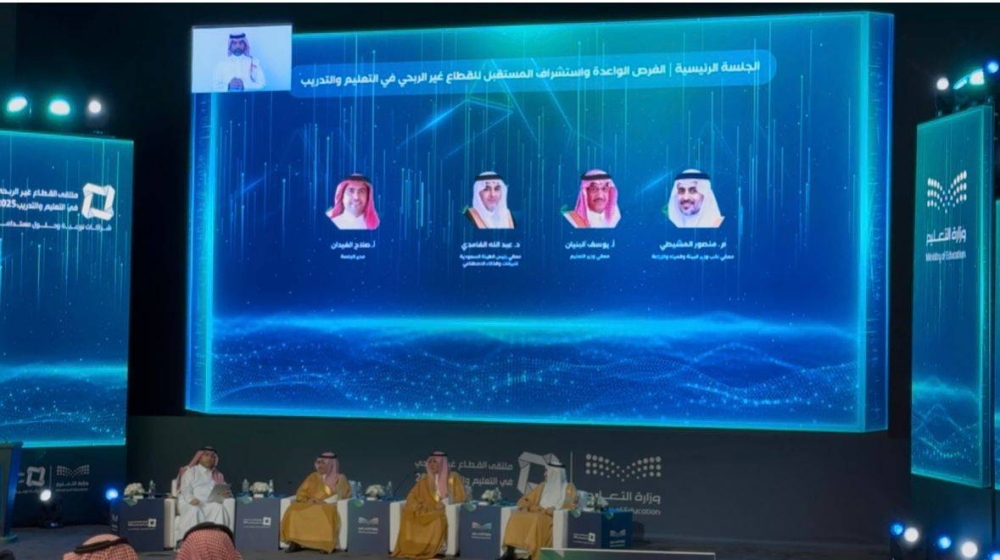
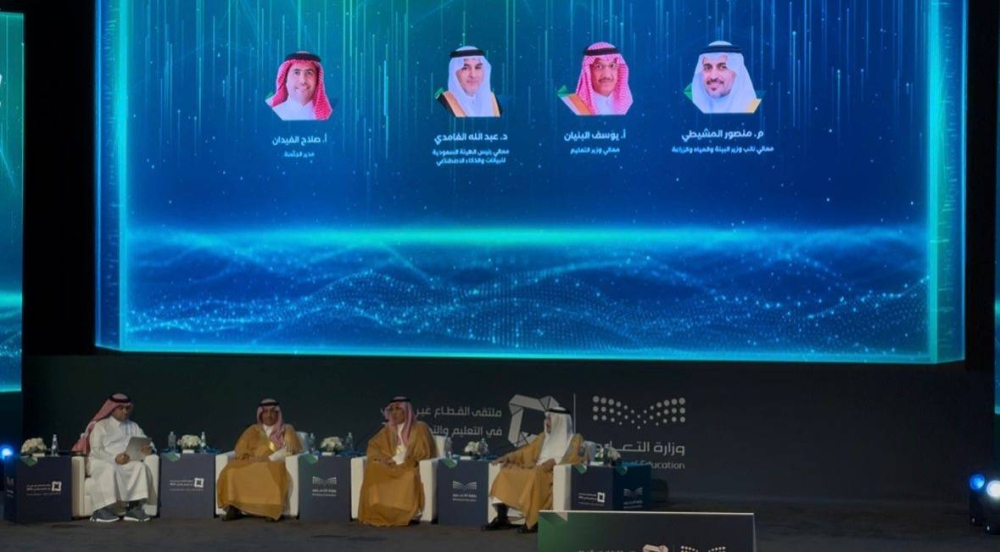
افتتح وزير التعليم يوسف البنيان الجلسة الرئيسية بعنوان الفرص الواعدة واستشراف المستقبل للقطاع غير الربحي في التعليم والتدريب ضمن أعمال ملتقى القطاع غير الربحي في التعليم والتدريب، بحضور عدد من القيادات الوطنية والمسؤولين والخبراء.
وأكد وزير التعليم أن العمل التطوعي أصبح اليوم قاعدة أساسية لبناء الاستدامة وتحقيق التحول في التعليم، مشيرًا إلى أن ساعة التطوع سجلت أكثر من 20 مليون ساعة تطوعية، وهو رقم تاريخي يعكس مستوى التكاتف والمسؤولية المجتمعية.
وأوضح أن البيئة التعليمية تمثل نحو ثلث تأثير جودة التعليم، إلى جانب تطوير المنهج والمعلم، لافتًا إلى أن وزارة التعليم ماضية في تعزيز الشراكات مع القطاع غير الربحي والجهات الداعمة لتطوير المدارس وتهيئتها بما يواكب تطلعات المجتمع، مؤكدًا أن الفترة الماضية شهدت تحديثًا واسعًا للأنظمة واللوائح التنظيمية والتشريعية لضمان جودة الأداء وتحقيق الأثر المأمول.
وأشار إلى أن هذا العمل يجب أن يكون قاعدة مستدامة، وهو جزء من جهود التحول الوطني في التعليم بالشراكة مع مختلف القطاعات.
من جهته، أكد نائب وزير البيئة والمياه والزراعة المهندس منصور المشيطي أن القطاع غير الربحي يحظى بدعم غير مسبوق من القيادة الرشيدة -حفظها الله- بوصفه شريكًا رئيسيًا لتحقيق مستهدفات التنمية الوطنية، وأنه يمثل محركًا رئيسيًا للتنمية المستدامة في المجتمع.
وأوضح أن هذا القطاع لديه مرونة وقدرة على تقديم خدمات ومنتجات تنافسية، داعيًا إلى الابتعاد عن الممارسات التقليدية والانتقال إلى شراكات إستراتيجية تضمن استدامة الموارد وكفاءة التنفيذ.
وبيّن أن الوزارة أسست مؤسسات وصناديق أهلية لتحقيق الاستدامة وإعادة التدوير ودعم العمل البيئي والمجتمعي، من بينها مؤسسة بريد ومؤسسات متخصصة أخرى، مشيرًا إلى أن المستهدف رفع مساهمة القطاع غير الربحي إلى 30% من التنمية الوطنية بما يعزز جودة الحياة.
وأشار إلى تجارب ناجحة في كفاءة استخدام الموارد، حيث كانت بعض المدارس والمرافق التعليمية تستهلك أكثر من 50 ألف متر مكعب من المياه يوميًا، وانخفض الاستهلاك مع هذه الشراكات إلى 1500 متر مكعب فقط، بفضل مبادرات تجاوزت قيمتها 200 مليون ريال غطت أكثر من 2200 مدرسة، ما يعكس جدوى الشراكة مع وزارة التعليم.
كما أوضح رئيس الهيئة السعودية للبيانات والذكاء الاصطناعي (سدايا) الدكتور عبدالله الغامدي أن الهيئة تعمل على استدامة المبادرات الوطنية عبر مسارات رئيسية تشمل المسار التعليمي والتدريبي والتأهيلي، ومسار تطوير المناخ والبيئة، ومسار بناء مصادر معرفية تعتمد على الذكاء الاصطناعي، إضافة إلى مسار البحث العلمي.
وأكد أن هذه المسارات تعزز بناء القدرات الوطنية وتنمية مهارات الابتكار وريادة الأعمال لدى الطلاب والمعلمين، بما يدعم تنافسية المملكة عالميًا في مجالات التقنية والبيانات والذكاء الاصطناعي.
The Minister of Education, Yusuf Al-Bunyan, opened the main session titled "Promising Opportunities and Future Outlook for the Non-Profit Sector in Education and Training" as part of the Non-Profit Sector Forum in Education and Training, attended by a number of national leaders, officials, and experts.
The Minister of Education emphasized that volunteer work has become a fundamental basis for building sustainability and achieving transformation in education, noting that volunteer hours have recorded more than 20 million volunteer hours, a historic figure that reflects the level of solidarity and social responsibility.
He explained that the educational environment represents about one-third of the impact on the quality of education, alongside the development of the curriculum and teachers, pointing out that the Ministry of Education is moving forward in strengthening partnerships with the non-profit sector and supporting entities to develop schools and prepare them in line with community aspirations, affirming that the past period has witnessed extensive updates to systems, regulations, and legislation to ensure quality performance and achieve the desired impact.
He indicated that this work should be a sustainable foundation, and it is part of the national transformation efforts in education in partnership with various sectors.
For his part, the Deputy Minister of Environment, Water, and Agriculture, Engineer Mansour Al-Mushaiti, confirmed that the non-profit sector enjoys unprecedented support from the wise leadership - may God protect it - as a key partner in achieving national development targets, and that it represents a major driver for sustainable development in society.
He explained that this sector has the flexibility and ability to provide competitive services and products, calling for a shift away from traditional practices to strategic partnerships that ensure resource sustainability and efficient implementation.
He clarified that the ministry has established charitable institutions and funds to achieve sustainability, recycling, and support for environmental and community work, including the Postal Foundation and other specialized institutions, noting that the target is to raise the contribution of the non-profit sector to 30% of national development, enhancing quality of life.
He pointed to successful experiences in resource efficiency, where some schools and educational facilities used to consume more than 50,000 cubic meters of water daily, and consumption has decreased with these partnerships to only 1,500 cubic meters, thanks to initiatives worth over 200 million riyals that covered more than 2,200 schools, reflecting the effectiveness of the partnership with the Ministry of Education.
Additionally, Dr. Abdullah Al-Ghamdi, the head of the Saudi Data and Artificial Intelligence Authority (SDAIA), clarified that the authority is working on the sustainability of national initiatives through key pathways, including the educational, training, and qualification pathway, the climate and environment development pathway, the pathway for building knowledge resources based on artificial intelligence, in addition to the scientific research pathway.
He affirmed that these pathways enhance the building of national capacities and the development of innovation and entrepreneurship skills among students and teachers, supporting the Kingdom's global competitiveness in the fields of technology, data, and artificial intelligence.