


طالب عضو مجلس الشورى فضل البوعينين وزارة الطاقة بالتركيز على سعر بيع السيارات الكهربائية، المدعومة بإستراتيجية الطاقة، كمحفز رئيسي لنشرها في السوق السعودية. وأن ترتكز إستراتيجية دعم تسويق وتوطين السيارات الكهربائية على سياسة التسعير المنخفض، وفتح السوق للشركات، ورفع تنافسيتها. ودعا أبو العينين في مداخلته على تقرير وزارة الطاقة إلى إلزام محطات الوقود بقبول دفع مستحقات الشحن بالبطاقات الائتمانية، وإدراج ذلك ضمن متطلبات الحصول على التراخيص اللازمة، ومتطلبات استمرارية تراخيص المحطات القائمة حالياً.
وعدّ تشجيع شركات منظومة الطاقة والقطاع الخاص على إنشاء محطات شحن للسيارات الكهربائية داعماً لسوق منتجات السيارات الكهربائية بشكل يحفز المواطنين والمقيمين على شرائها، وأضاف أنه وبرغم أهمية نشر محطات الشحن الكهربائية على نطاق واسع إلا أن هناك جانباً مهماً ورئيسياً لتعزيز الطلب على السيارات الكهربائية، وإنجاح إستراتيجية التوطين، وهو سياسة التسعير، وتنافسية أنواع السيارات المستهدفة بالتوطين.
مؤكداً أن سعر المركبة الكهربائية المناسب هو المحفز الأول لتسويقها، ونشر شعبيتها في السوق السعودية، خصوصاً أن السيارات الصينية باتت تباع بأسعار منخفضة، مع تميزها بالتكنولوجيا المتطورة، والمواصفات النوعية، ما يعزز من تنافسيتها وإمكانية تحقيقها هدف نمو مبيعات السيارات الكهربائية في السوق السعودية، لافتاً إلى أن وسائل الدفع الإلكترونية من أهم المتطلبات الواجب توفيرها في محطات الوقود، وأهمها على الإطلاق توفير خدمة الدفع بالبطاقات الائتمانية، تسهيلاً على المستفيدين، والسائحين، والقادمين من خارج المملكة من مستأجري السيارات، أو القادمين بسياراتهم الخاصة.
وتساءل البوعينين عن سبب رفض بعض المحطات الدفع بالبطاقات الائتمانية، برغم أن ذلك يتسبب في مشكلات للسياح والمواطنين والمقيمين على حد سواء في ظل خفض رسوم الدفع بالبطاقات الائتمانية على مقدمي الخدمة من قبل البنك المركزي، وذهب إلى ضرورة أن تتجاوب المحطات مع القرار المحفز لها، وأن تسمح بالدفع بالبطاقات الائتمانية دون تعقيد.
عدّ تسعير السيارات الكهربائية محفّزاً لاقتنائها
شوري لوزارة الطاقة: ألزموا محطات الشحن بقبول «الائتمانية»
28 يونيو 2025 - 15:41
|
آخر تحديث 28 يونيو 2025 - 15:41
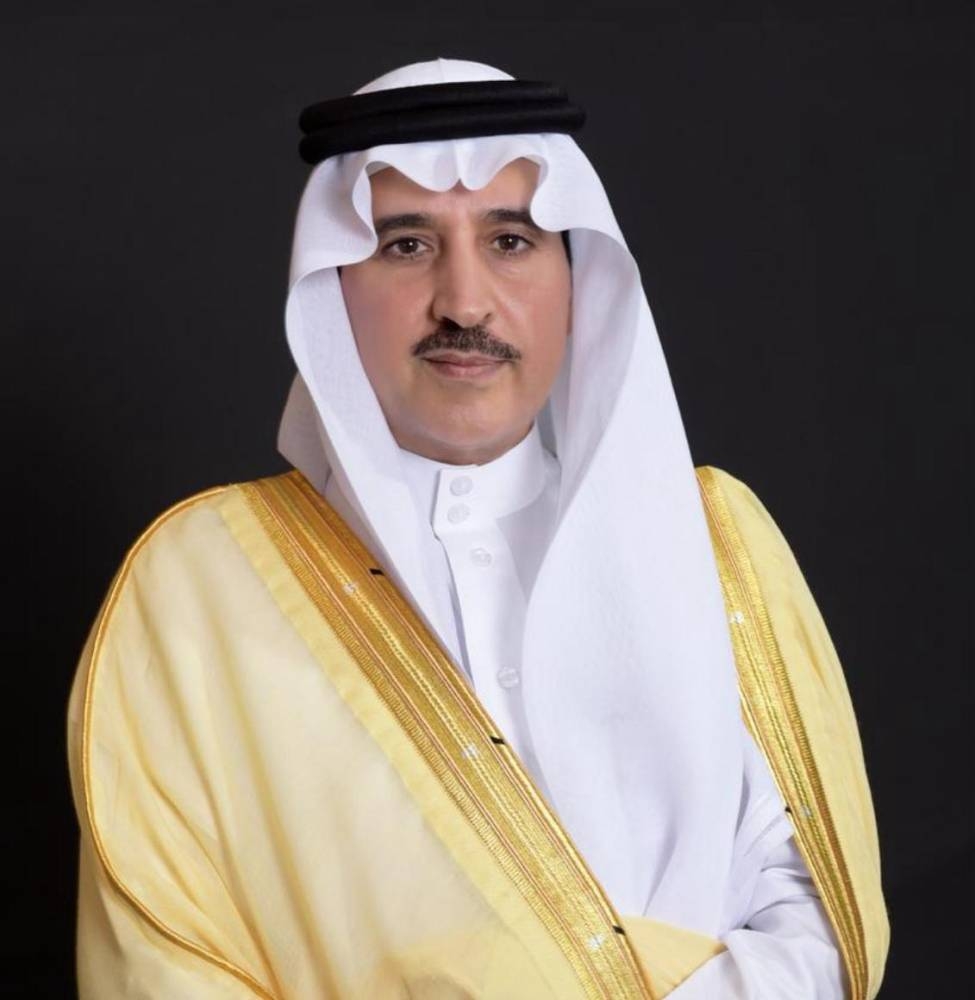
الدكتور فضل البوعينين.


تابع قناة عكاظ على الواتساب
علي الرباعي (الباحة)
A member of the Shura Council, Fadl Al-Bouainin, urged the Ministry of Energy to focus on the selling price of electric vehicles, supported by the energy strategy, as a key driver for their adoption in the Saudi market. He emphasized that the strategy for supporting the marketing and localization of electric vehicles should be based on a low pricing policy, opening the market to companies, and enhancing their competitiveness. In his remarks on the Ministry of Energy's report, Abu Al-Ainain called for fuel stations to be required to accept payment for charging services via credit cards, and to include this in the requirements for obtaining the necessary licenses, as well as the requirements for the continuity of licenses for existing stations.
He considered encouraging energy sector companies and the private sector to establish charging stations for electric vehicles as a support for the market of electric vehicle products in a way that motivates citizens and residents to purchase them. He added that despite the importance of widely deploying electric charging stations, there is a significant and essential aspect to enhance demand for electric vehicles and ensure the success of the localization strategy, which is pricing policy and the competitiveness of the types of vehicles targeted for localization.
He confirmed that an appropriate price for electric vehicles is the primary motivator for marketing them and increasing their popularity in the Saudi market, especially since Chinese cars are now sold at low prices, distinguished by advanced technology and quality specifications, which enhances their competitiveness and the possibility of achieving the goal of increasing electric vehicle sales in the Saudi market. He pointed out that electronic payment methods are among the most important requirements that must be provided at fuel stations, with the most crucial being the provision of credit card payment services, to facilitate access for beneficiaries, tourists, and those coming from outside the Kingdom, whether renting cars or arriving in their own vehicles.
Al-Bouainin questioned why some stations refuse to accept credit card payments, despite this causing problems for tourists, citizens, and residents alike, especially in light of the reduced fees for credit card payments imposed on service providers by the central bank. He stressed the need for stations to respond to the encouraging decision and to allow credit card payments without complications.
He considered encouraging energy sector companies and the private sector to establish charging stations for electric vehicles as a support for the market of electric vehicle products in a way that motivates citizens and residents to purchase them. He added that despite the importance of widely deploying electric charging stations, there is a significant and essential aspect to enhance demand for electric vehicles and ensure the success of the localization strategy, which is pricing policy and the competitiveness of the types of vehicles targeted for localization.
He confirmed that an appropriate price for electric vehicles is the primary motivator for marketing them and increasing their popularity in the Saudi market, especially since Chinese cars are now sold at low prices, distinguished by advanced technology and quality specifications, which enhances their competitiveness and the possibility of achieving the goal of increasing electric vehicle sales in the Saudi market. He pointed out that electronic payment methods are among the most important requirements that must be provided at fuel stations, with the most crucial being the provision of credit card payment services, to facilitate access for beneficiaries, tourists, and those coming from outside the Kingdom, whether renting cars or arriving in their own vehicles.
Al-Bouainin questioned why some stations refuse to accept credit card payments, despite this causing problems for tourists, citizens, and residents alike, especially in light of the reduced fees for credit card payments imposed on service providers by the central bank. He stressed the need for stations to respond to the encouraging decision and to allow credit card payments without complications.


