تسلّمت الهيئة السعودية للمياه شهادتين من موسوعة غينيس لرقمين قياسيين جديدين حققتهما أخيراً، في إنجاز جديد يُضاف إلى سجل المملكة الريادي في قطاع المياه، وذلك خلال مراسم أُقيمت في مقر الهيئة في مدينة الرياض بحضور وزير البيئة والمياه والزراعة المهندس عبدالرحمن الفضلي، ورئيس الهيئة المهندس عبدالله إبراهيم العبدالكريم، إضافة إلى وفد موسوعة غينيس.
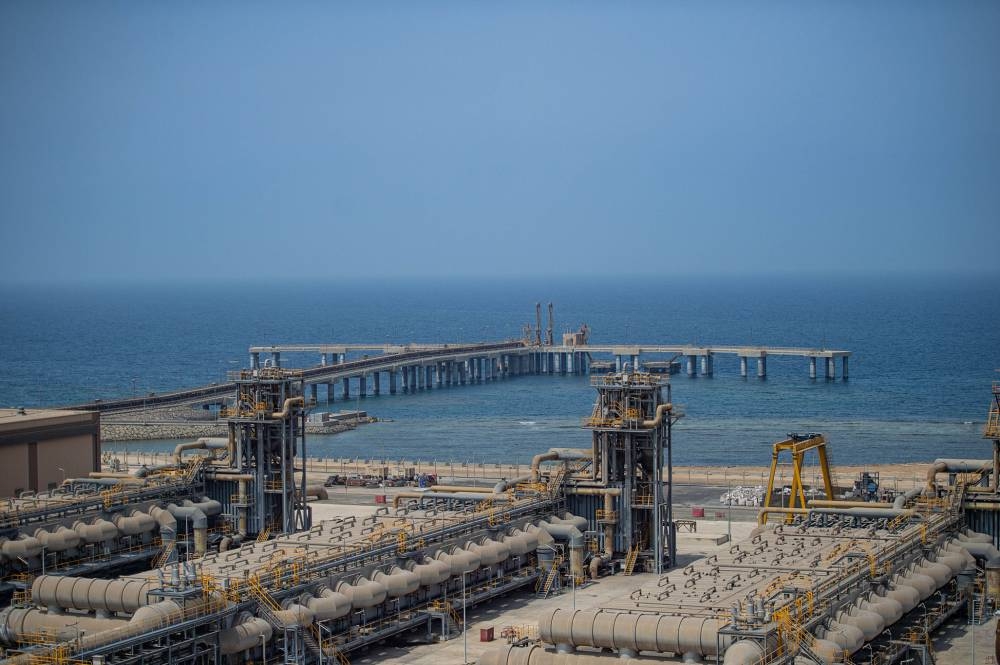
واُعتمد الرقم القياسي الأول لأكبر محطة تحلية لمياه البحر تعمل بتقنية التناضح العكسي (RO) في العالم، لمشروع منظومة إنتاج الخبر (المرحلة الثانية)، الذي يديره قطاع الشؤون الفنية والمشروعات في الهيئة السعودية للمياه، بقدرة إنتاجية قياسية بلغت 670,852.4 متراً مكعباً يوميّاً، وبنائه على أصغر مساحة أرض قياساً بنظيراتها عالمياً عبر تطبيق المنهجيات التقنية والهندسة القيمية لذلك، وسُجل هذا الرقم في الـ25 من فبراير الماضي.
وتمكن قطاع الشؤون الفنية والمشروعات في الهيئة من تسجيل الرقم القياسي الثاني باسم المملكة، بتحقيق أقل معدل استهلاك للطاقة لمحطة تحلية تعمل بتقنية (RO) في العالم، وبلغ 1.7 كيلو واط/ ساعة لكل متر مكعب في مرحلة فصل الأملاح، وبلغ المعدل الكلي لاستهلاك الطاقة لهذه المحطة 2.34 كيلو واط/ ساعة وهو الأقل عالميّاً، وتم توثيقه في مشروع إنشاء محطة الشعيبة (المرحلة الخامسة) في الـ22 من أبريل الماضي، وحظي بإشادة من البنك الدولي، وبذلك حطّمت الهيئة الرقم القياسي السابق المسجل باسم المملكة أيضاً، والبالغ 2.27 كيلو واط/ ساعة لكل متر مكعب.
الهيئة السعودية للمياه تسجّل رقمين قياسيين في موسوعة «غينيس»
18 يونيو 2025 - 04:14
|
آخر تحديث 18 يونيو 2025 - 04:14


تابع قناة عكاظ على الواتساب
«عكاظ» (الرياض) okaz_online@
The Saudi Water Authority has received two certificates from the Guinness World Records for two new world records it recently achieved, in a new accomplishment added to the Kingdom's pioneering record in the water sector. This was during a ceremony held at the Authority's headquarters in Riyadh, attended by the Minister of Environment, Water, and Agriculture, Engineer Abdulrahman Al-Fadli, and the Authority's President, Engineer Abdullah Ibrahim Al-Abdulkarim, in addition to a delegation from Guinness World Records.
The first record was approved for the largest seawater desalination plant operating with reverse osmosis (RO) technology in the world, for the Khobar Production System Project (Phase Two), managed by the Technical Affairs and Projects Sector at the Saudi Water Authority, with a record production capacity of 670,852.4 cubic meters per day, and built on the smallest land area compared to its global counterparts by applying technical methodologies and value engineering for that purpose. This record was registered on February 25th of last month.
The Technical Affairs and Projects Sector at the Authority was able to register the second record in the name of the Kingdom by achieving the lowest energy consumption rate for a desalination plant operating with (RO) technology in the world, which was 1.7 kilowatts/hour per cubic meter during the salt separation stage. The total energy consumption rate for this plant was 2.34 kilowatts/hour, which is the lowest globally, and it was documented in the project for the construction of the Shuaiba Plant (Phase Five) on April 22nd of last month. It received praise from the World Bank, thus breaking the previous record also registered in the name of the Kingdom, which was 2.27 kilowatts/hour per cubic meter.
The first record was approved for the largest seawater desalination plant operating with reverse osmosis (RO) technology in the world, for the Khobar Production System Project (Phase Two), managed by the Technical Affairs and Projects Sector at the Saudi Water Authority, with a record production capacity of 670,852.4 cubic meters per day, and built on the smallest land area compared to its global counterparts by applying technical methodologies and value engineering for that purpose. This record was registered on February 25th of last month.
The Technical Affairs and Projects Sector at the Authority was able to register the second record in the name of the Kingdom by achieving the lowest energy consumption rate for a desalination plant operating with (RO) technology in the world, which was 1.7 kilowatts/hour per cubic meter during the salt separation stage. The total energy consumption rate for this plant was 2.34 kilowatts/hour, which is the lowest globally, and it was documented in the project for the construction of the Shuaiba Plant (Phase Five) on April 22nd of last month. It received praise from the World Bank, thus breaking the previous record also registered in the name of the Kingdom, which was 2.27 kilowatts/hour per cubic meter.