


بدأ حجاج بيت الله الحرام مع ساعات الصباح الأولى (السبت) برمي الجمرات الثلاث في مشعر منى في أول أيام التشريق، مبتدئين بالجمرة الصغرى فالوسطى ثم الجمرة الكبرى، بعد أن قاموا، الجمعة، برمي جمرة العقبة الكبرى في أول أيام عيد الأضحى.
وتبدأ أيام التشريق الثلاثة في الـ11 من ذي الحجة، وتنتهي بمغيب شمس يوم الـ13 من ذي الحجة.
واستقر حجاج بيت الله بمشعر منى في أول أيام التشريق، والمعروف بيوم القر، وسُمي بذلك؛ لأن الحاج يقرّ ويستقر في منى، ليقوم برمي الجمرات، أما اليوم الثاني من أيام التشريق فيعرف بيوم النفر الأول، ذلك لأن الحاج يجوز له أن يتعجل وينفر من منى بعد رمي جمرة العقبة الوسطى، والتوجه إلى الحرم المكي؛ لأداء طواف الوداع، وهو آخر مناسك الحج، شريطة أن يكون الخروج من منى قبل غروب الشمس.
واليوم الثالث من أيام التشريق يعرف بيوم النفر الثاني، يرمي فيه غير المتعجلين الجمرات الثلاث قبل الخروج من منى، سُمِّي بذلك دلالة على أن من تعجل ونفر من منى في يومين فلا إثم عليه، ومن تأخر أيضاً لا يكون عليه أي إثم.
وسمي اليوم الحادي عشر من ذي الحجة بأول أيام التشريق الثلاثة، لأن الحجاج كانوا يشرقون فيها لحوم الهدي والأضاحي، وكلمة التشريق في اللغة تعني تقديد اللحم، واللحم يقطع لأجزاء صغيرة، ويتم وضعه في الشمس لتجفيفه، وفي هذه الحالة يصبح اسم اللحم القديد، ويمنع ذلك تعفن اللحم وفساده حتى يتمكن الحجاج من الرجوع به معهم إلى بلدانهم واختفت عادة تشريق لحوم الأضاحي في مشعر منى منذ سنوات، لتنظيم عملية ذبح الهدي وظهور أجهزة التبريد.
آليات ممنهجة لإدارة الحشود
أيام التشريق هي الأيام الثلاثة التي تأتي عقب أول يوم من أيام عيد الأضحى، المعروف بيوم النحر، وهي أيام الحادي عشر والثاني عشر والثالث عشر من شهر ذي الحجة، يقضيها الحجاج بمشعر منى، وتعرف أيضاً بالأيام المعدودات.
وفي مشعر منى يؤدي حجاج بيت الله الصلوات بمسجد الخيف بمشعر منى وسط منظومة متكاملة من الخدمات التي قدمتها وزارة الشؤون الإسلامية والدعوة والإرشاد، حيث أكملت جميع الاستعدادات اللازمة.
وشهد جسر الجمرات في مشعر منى انسيابية في حركة الحجاج القادمين عبر المسارات المخصصة بخطط وإجراءات وآليات ممنهجة لإدارة الحشود لرمي الجمرات مُعَدّة لذلك مسبقاً لضمان سلامتهم وأمنهم وراحتهم.
وشهدت حركة انتقال ضيوف الرحمن بين المشاعر المقدسة انسيابية تامة خلال أدائهم شعيرة الحج، وسط متابعة مباشرة من أفراد مختلف القطاعات الأمنية التي أحاطت طرق المركبات ودروب المشاة لتنظيمهم حسب خطط تفويج الحجاج إلى منشأة الجمرات.
انسيابية تامة شهدها تدفق قوافلهم إلى الجسر
الحجاج يرمون الجمرات في أول أيام التشريق
8 يونيو 2025 - 01:35
|
آخر تحديث 8 يونيو 2025 - 01:35
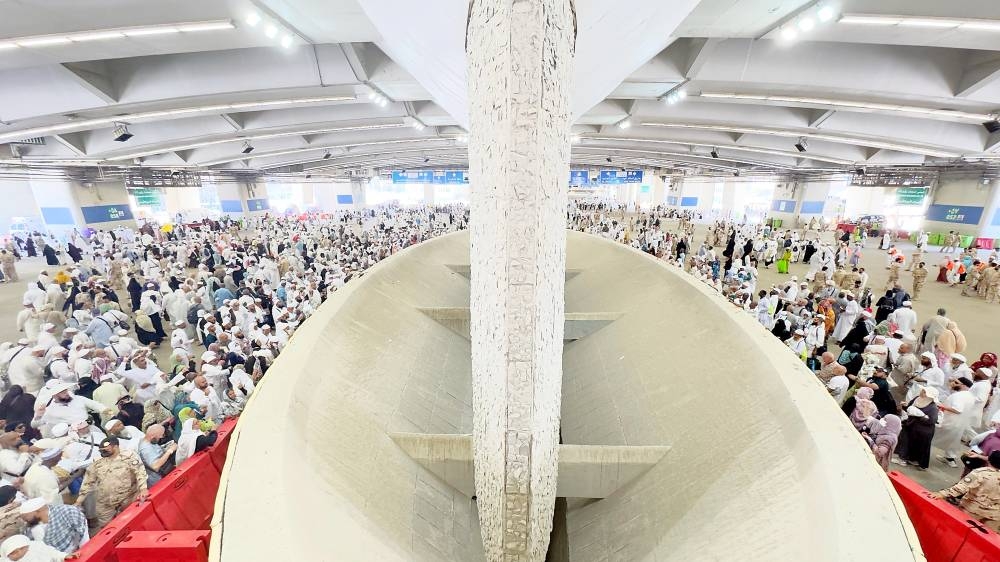
الرمي بدأ مع ساعات الصباح الأولى. (تصوير: مديني عسيري)


تابع قناة عكاظ على الواتساب
عبدالعزيز الربيعي arabiue@، إبراهيم العلوي I_Waleeed22@، عبدالهادي الصويان hil5557@، خالد الحارثي Ik_mh5@ (المشاعر المقدسة)
The pilgrims of the House of God began, in the early hours of the morning (Saturday), to throw the three jamarat in the Mina area on the first day of Tashreeq, starting with the small jamrah, then the middle one, and finally the large jamrah, after they had thrown the large jamrah of Aqabah on the first day of Eid al-Adha on Friday.
The three days of Tashreeq begin on the 11th of Dhul-Hijjah and end at sunset on the 13th of Dhul-Hijjah.
The pilgrims settled in the Mina area on the first day of Tashreeq, known as the Day of Qarr, named so because the pilgrim stays and settles in Mina to throw the jamarat. The second day of Tashreeq is known as the Day of the First Departure, as the pilgrim is allowed to hasten and leave Mina after throwing the middle jamrah and heading to the Sacred Mosque to perform the farewell Tawaf, which is the last ritual of Hajj, provided that the exit from Mina is before sunset.
The third day of Tashreeq is known as the Day of the Second Departure, where those who are not in a hurry throw the three jamarat before leaving Mina. It is named so to indicate that those who hasten and leave Mina in two days are not at fault, and those who delay are also not at fault.
The 11th of Dhul-Hijjah is called the first of the three days of Tashreeq because the pilgrims used to dry the meat of the sacrificial animals and the udhiyah during these days. The term Tashreeq in the language means drying meat, where the meat is cut into small pieces and placed in the sun to dry. In this case, the meat becomes known as dried meat, which prevents it from rotting and spoiling until the pilgrims can take it back with them to their countries. The practice of drying the meat of the sacrificial animals in Mina has disappeared for years due to the organization of the slaughtering process and the emergence of refrigeration devices.
Systematic Mechanisms for Crowd Management
The days of Tashreeq are the three days that follow the first day of Eid al-Adha, known as the Day of Sacrifice, which are the 11th, 12th, and 13th of Dhul-Hijjah. The pilgrims spend these days in Mina and are also known as the counted days.
In Mina, the pilgrims perform their prayers at the Mosque of Al-Khaif in Mina amidst a comprehensive system of services provided by the Ministry of Islamic Affairs, Call, and Guidance, which has completed all necessary preparations.
The Jamarat Bridge in Mina witnessed smooth movement of the pilgrims coming through the designated paths, with plans, procedures, and systematic mechanisms for crowd management prepared in advance to ensure their safety, security, and comfort while throwing the jamarat.
The movement of the guests of the Merciful between the holy sites was completely smooth during their performance of the Hajj rituals, under the direct supervision of personnel from various security sectors that surrounded the vehicle routes and pedestrian paths to organize them according to the plans for the flow of pilgrims to the Jamarat facility.
The three days of Tashreeq begin on the 11th of Dhul-Hijjah and end at sunset on the 13th of Dhul-Hijjah.
The pilgrims settled in the Mina area on the first day of Tashreeq, known as the Day of Qarr, named so because the pilgrim stays and settles in Mina to throw the jamarat. The second day of Tashreeq is known as the Day of the First Departure, as the pilgrim is allowed to hasten and leave Mina after throwing the middle jamrah and heading to the Sacred Mosque to perform the farewell Tawaf, which is the last ritual of Hajj, provided that the exit from Mina is before sunset.
The third day of Tashreeq is known as the Day of the Second Departure, where those who are not in a hurry throw the three jamarat before leaving Mina. It is named so to indicate that those who hasten and leave Mina in two days are not at fault, and those who delay are also not at fault.
The 11th of Dhul-Hijjah is called the first of the three days of Tashreeq because the pilgrims used to dry the meat of the sacrificial animals and the udhiyah during these days. The term Tashreeq in the language means drying meat, where the meat is cut into small pieces and placed in the sun to dry. In this case, the meat becomes known as dried meat, which prevents it from rotting and spoiling until the pilgrims can take it back with them to their countries. The practice of drying the meat of the sacrificial animals in Mina has disappeared for years due to the organization of the slaughtering process and the emergence of refrigeration devices.
Systematic Mechanisms for Crowd Management
The days of Tashreeq are the three days that follow the first day of Eid al-Adha, known as the Day of Sacrifice, which are the 11th, 12th, and 13th of Dhul-Hijjah. The pilgrims spend these days in Mina and are also known as the counted days.
In Mina, the pilgrims perform their prayers at the Mosque of Al-Khaif in Mina amidst a comprehensive system of services provided by the Ministry of Islamic Affairs, Call, and Guidance, which has completed all necessary preparations.
The Jamarat Bridge in Mina witnessed smooth movement of the pilgrims coming through the designated paths, with plans, procedures, and systematic mechanisms for crowd management prepared in advance to ensure their safety, security, and comfort while throwing the jamarat.
The movement of the guests of the Merciful between the holy sites was completely smooth during their performance of the Hajj rituals, under the direct supervision of personnel from various security sectors that surrounded the vehicle routes and pedestrian paths to organize them according to the plans for the flow of pilgrims to the Jamarat facility.




