في عمق الصحراء وعلى امتدادٍ يتجاوز الزمن، لا تزال ملامح درب زبيدة قائمة كشاهد على إحدى أبهى صور الحضارة الإسلامية.
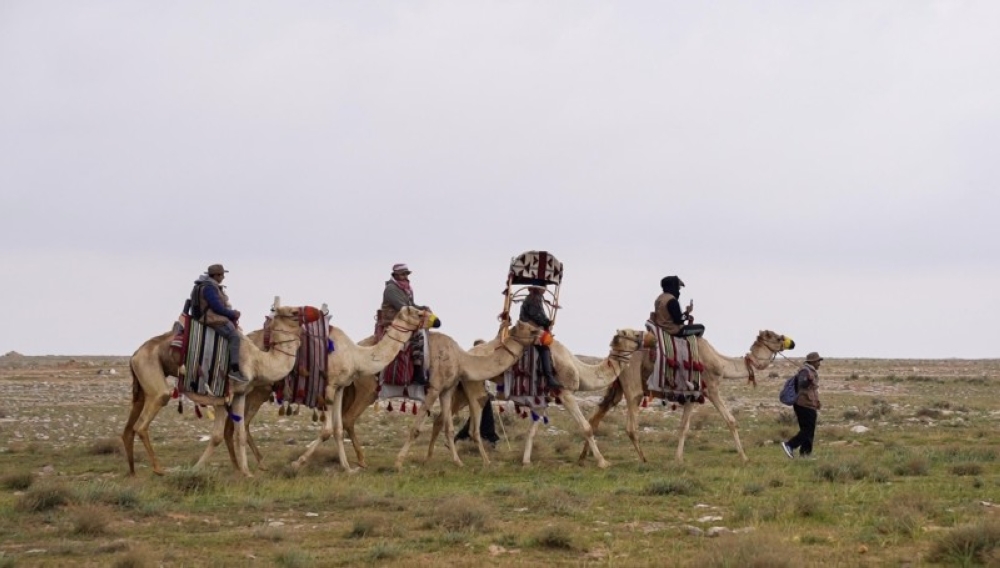
هذا الطريق التاريخي، الذي يمتد من الكوفة في العراق وصولًا إلى مكة المكرمة، مرّ عبر منطقة حائل، وحمل معه قرونًا من العطاء والكرم والسعي لخدمة الحجاج.
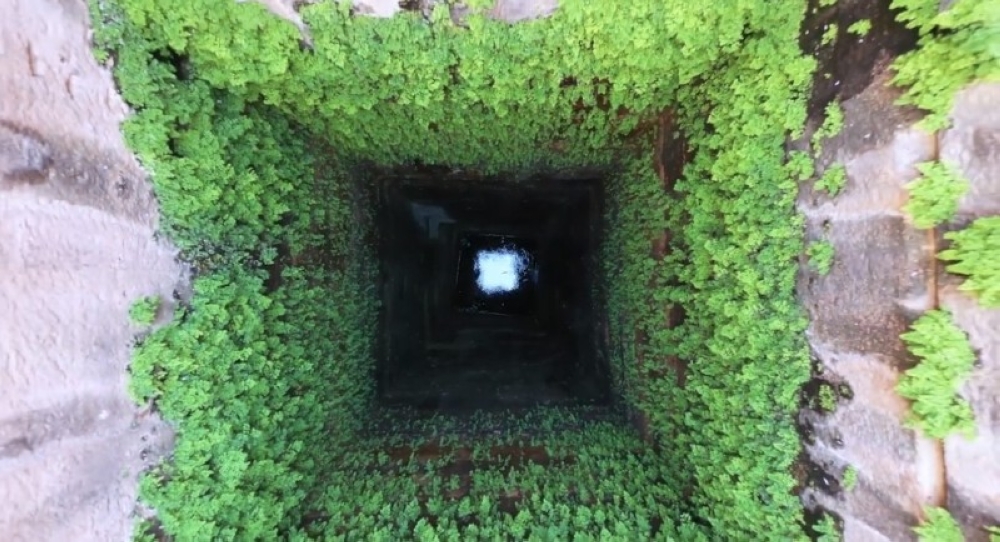
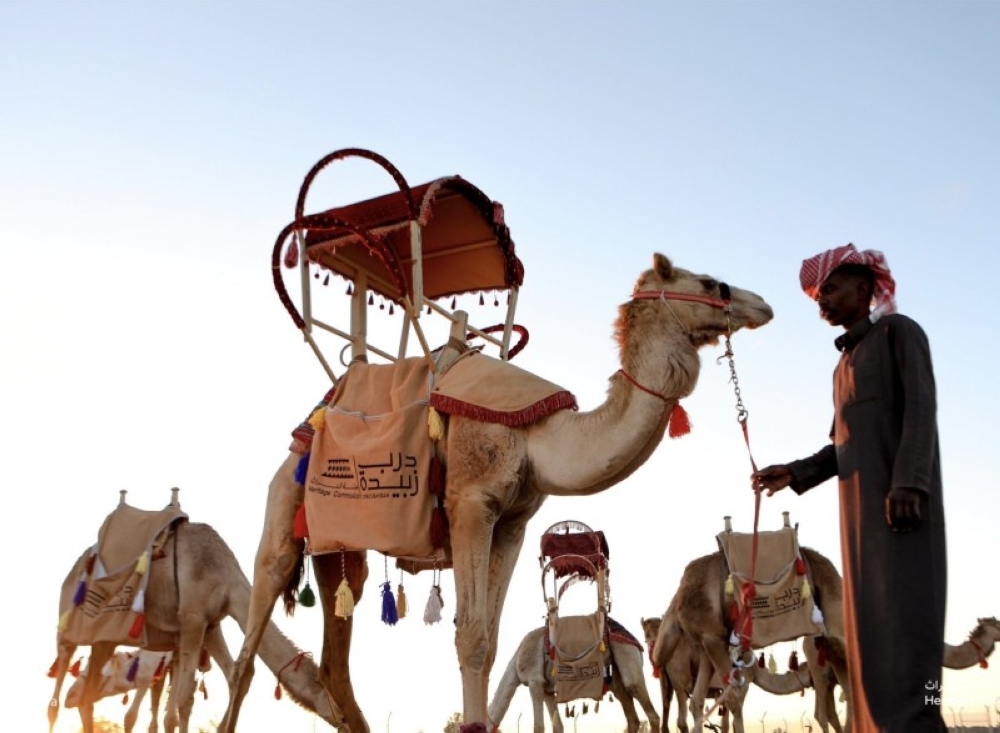
يُعتبر درب زبيدة من أهم طرق الحج القديمة، وقد سُمّي نسبةً إلى السيدة زبيدة بنت جعفر المنصور، زوجة الخليفة العباسي هارون الرشيد، التي تبنّت تمهيده وتجهيزه لخدمة قوافل الحجيج والمسافرين، فأنشأت عليه السدود والآبار والمنازل، وخلّدت اسمها على امتداد هذا الطريق المبارك.
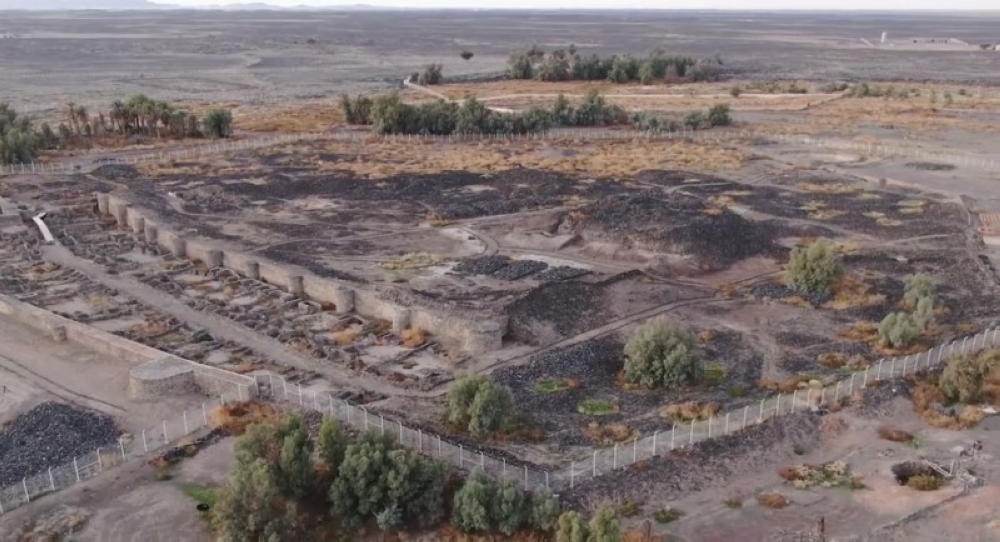
بحسب هيئة تطوير منطقة حائل، مرّ درب زبيدة بأكثر من 30 محطة تاريخية داخل حدود المنطقة، بدءًا من محطة العشار في الشمال الشرقي، وانتهاءً بمحطة البعايث في الجنوب الغربي. من أبرز تلك المحطات:
العرايش، شامة كبد، فيد، الخزيمية، الشفاء، الحويص، سميراء، الجفالية، الحروقة، الغريبين، كتيبة، حريد، أبو روادف، الشغوة، المهينية، المذيريات وغيرها.
توزّعت هذه المحطات بين مراكز استراحة وسقيا ونقاط أمنية وتنظيمية كانت تخدم آلاف الحجاج سنويًا، ضمن شبكة متكاملة من الخدمات التي سبقت وقتها.
يُعدّ درب زبيدة إرثًا حضاريًا متكاملاً جسّد القيم الإسلامية في خدمة ضيوف الرحمن، والقدرة التنظيمية للمجتمع الإسلامي في العصور الوسطى.
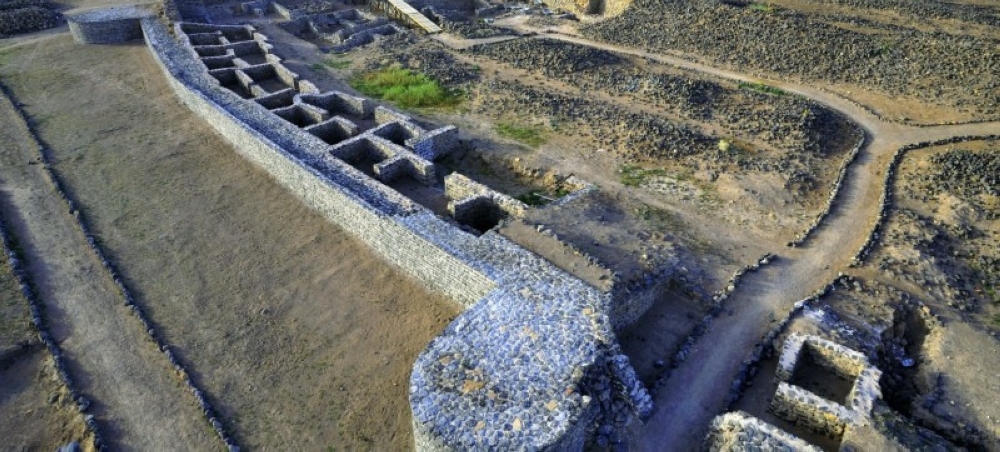
تُظهر الآثار الباقية من الدرب أن العمل لم يكن عشوائيًا، بل جرى وفق تخطيط هندسي دقيق شمل بناء برك المياه، والآبار المحفورة، والمنازل التي وفّرت الأمن والراحة للحجاج.
تعمل هيئة تطوير حائل على إحياء وتأهيل هذا الطريق التاريخي، ضمن مشاريع رؤية السعودية 2030 التي تهدف إلى تعزيز الهوية الثقافية، وتحويل المواقع التراثية إلى وجهات سياحية وتاريخية عالمية.
ويُعد إدراج درب زبيدة ضمن قائمة المسارات الثقافية ذات الأولوية مؤشرًا على الأهمية التي توليها المملكة لهذا النوع من التراث الحي، الذي يمتد بجذوره في أعماق التاريخ، ويرتبط بأقدس رحلة يقوم بها المسلمون.
In the depths of the desert and across a span that transcends time, the features of the Zubaida Trail remain as a testament to one of the most splendid images of Islamic civilization.
This historical road, which stretches from Kufa in Iraq to Mecca, passed through the Ha'il region, carrying with it centuries of generosity and efforts to serve the pilgrims.
The Zubaida Trail is considered one of the most important ancient pilgrimage routes, named after Lady Zubaida bint Ja'far al-Mansur, the wife of the Abbasid caliph Harun al-Rashid, who adopted its preparation and development to serve the caravans of pilgrims and travelers, establishing dams, wells, and homes along it, thus immortalizing her name along this blessed path.
According to the Ha'il Development Authority, the Zubaida Trail passed through more than 30 historical stations within the region's boundaries, starting from the Al-Ishar station in the northeast and ending at the Al-Ba'ith station in the southwest. Among the most notable of these stations are:
Al-Iraish, Shamat Kabd, Fayd, Al-Khuzaymiya, Al-Shifa, Al-Huwais, Samira, Al-Jafaliya, Al-Harouqa, Al-Ghareebain, Katiba, Harid, Abu Rawadif, Al-Shaghwa, Al-Muhayniya, Al-Mudhayriyat, and others.
These stations were distributed among rest and watering centers, security and organizational points that served thousands of pilgrims annually, within a comprehensive network of services that preceded its time.
The Zubaida Trail is considered a complete cultural heritage that embodies Islamic values in serving the guests of the Merciful, and the organizational capability of the Islamic community in the Middle Ages.
The remaining artifacts from the trail show that the work was not random, but rather carried out according to precise engineering planning that included the construction of water basins, dug wells, and homes that provided security and comfort for the pilgrims.
The Ha'il Development Authority is working to revive and rehabilitate this historical road as part of the Saudi Vision 2030 projects, which aim to enhance cultural identity and transform heritage sites into global tourist and historical destinations.
Including the Zubaida Trail in the list of priority cultural routes is an indicator of the importance that the Kingdom places on this type of living heritage, which extends its roots deep into history and is linked to the holiest journey undertaken by Muslims.