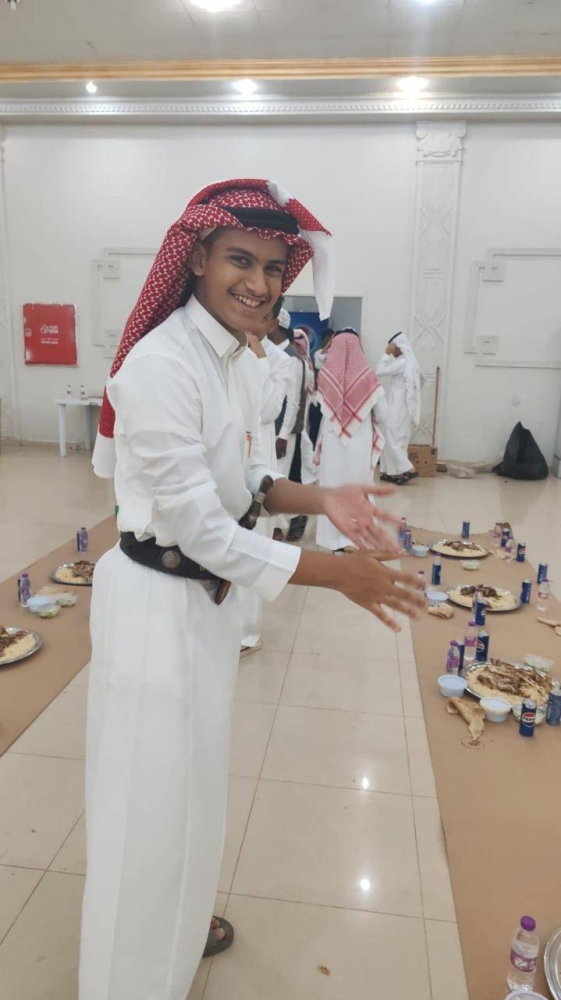
تمتاز العديد من قرى الحرث في منطقة جازان بطابع خاص في أيام الأعياد، خصوصاً عيد الأضحى المبارك، حيث يتوافد إليها كثير من أبنائها الذين يعملون في عدد من المدن، والذين يجدون في قضاء إجازة أيام العيد مع أقاربهم متعة خروجاً من الطابع التقليدي والرتابة في عيد المدن، وتسهم في ذلك قوة الروابط الاجتماعية بين الأسر في تلك القرى لاسميا أن النسبة العظمى ممن يفضلون العيد في القرى هم من سكانها الذين هاجروا منها بسبب أعمالهم في المدن.
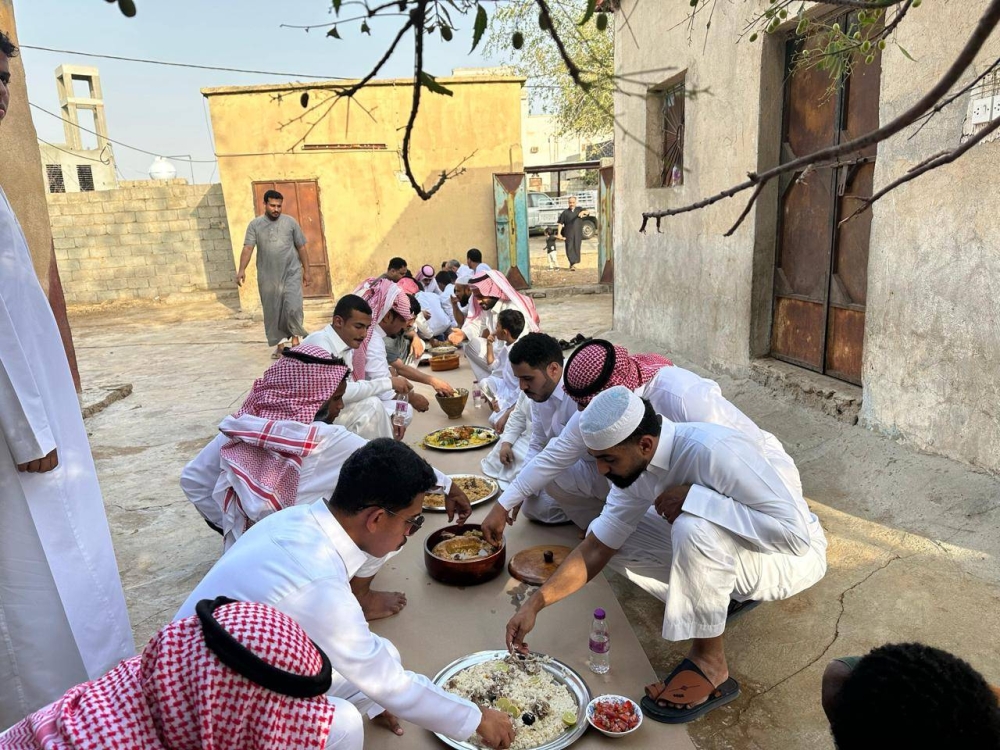
ويتميز عيد القرى بالهدوء والبساطة، مع ما تضيفه العادات والتقاليد التي تختلف من قرية إلى أخرى، فالبعض يخصص موقعاً للاحتفال بالعيد وتناول وجبة إفطار جماعي بعد أداء الصلاة في مصلى القرية، ويدعو إلى اجتماع كل أفراد العائلة، في حين يفضل آخرون تبادل الزيارات المنزلية للتهنئة بالعيد، ويتم تقديم الأكلات الشعبية في العيد، خصوصاً المغشات والحياسي وعيش الذرة، التي تشتهر بها العديد من قرى المنطقة، وهي عادات توارثتها الأجيال جيلا بعد جيل تعبيراً عن كرم الضيافة، كذلك تقدم الأكلات الشعبية التي يفضلها الكثير في مثل هذه المناسبات والتي تذكرهم بالماضي مثل المحشوش والمغشات والعيش الحامض (الخمير) والمفالت والثريد والدخن.
يقول محمد دارسي، الذي قدم من جدة لقضاء العيد في ربوع قريته، إنه حريص على قضاء أيام العيد في قريته في محافظة الحرث، مضيفاً: «أستمتع أنا وأبنائي بزيارة أقاربي والالتقاء بالأصدقاء الذين يحرصون على التواجد في مثل هذه المناسبة»، مشيراً إلى أن العيد في القرية له طابع خاص من حيث الفعاليات التي تقام مثل الألوان الشعبية في صباح يوم العيد الذي يحضره كل أبناء القرية، لافتاً إلى أن ملامح العيد في القرى أفضل بكثير عن المدن التي لم تعد تهتم بالعيد كثيراً، حيث طغت عليها الحياة المدنية.
من جانبه يقول تركي علواني إن كثيراً من الزوار يتوافدون إلى القرى في أيام العيد لقضاء هذه الأيام بين الأهل والأقارب.
ويضيف: «اعتدنا كل عام على قضاء أيام العيد مع الأهل والجيران الذين يتواجدون بشكل كبير في إجازة العيد، ونتبادل التهاني في ما بيننا، ويشارك بعضنا بعضاً الأفراح بالعيد»، مشيراً إلى أن اليوم الأول للعيد في القرية له مظاهره، حيث يتم تخصيص موقع لتناول وجبة الإفطار من الأكلات الشعبية بعد العودة من المصلى، ويقام احتفال آخر بعد الظهر، حيث يقوم كل شخص من أهالي القرية بإحضار وجبة غداء من لحوم الأضاحي، منها: اللحم الحنيذ، والمشوي، والمفتوت، والمحشوش، وبعض الأكلات الشعبية المشهورة. ويضيف أن هذه العادات لا تزال العديد من القرى تحافظ عليها بشكل مستمر في موسم الأعياد.
Many villages in the Harath region of Jazan have a unique character during the holidays, especially during the blessed Eid al-Adha, as many of their children who work in various cities flock back to spend the holiday with their relatives. They find joy in escaping the traditional and monotonous atmosphere of city holidays, and this is supported by the strong social ties between families in those villages, especially since the vast majority of those who prefer the holiday in the villages are residents who have migrated from them due to their work in the cities.
The village Eid is characterized by tranquility and simplicity, along with the customs and traditions that vary from one village to another. Some designate a location to celebrate Eid and share a communal breakfast after performing the prayer at the village prayer area, inviting all family members to gather, while others prefer to exchange home visits to congratulate each other on the holiday. Traditional dishes are served during Eid, especially the maghashat, al-hayasi, and corn bread, which are famous in many villages of the region. These are customs passed down through generations as a sign of hospitality. Additionally, popular dishes that many prefer during such occasions, which remind them of the past, are served, such as al-mahashoush, maghashat, sour bread (al-khamir), al-mafalt, al-thareed, and al-dakhn.
Mohammed Darsi, who came from Jeddah to spend Eid in his village, says he is keen to spend the holiday in his village in the Harath governorate, adding: "My children and I enjoy visiting our relatives and meeting friends who are keen to be present during such occasions." He points out that the holiday in the village has a special character in terms of the activities held, such as the folk colors on the morning of Eid, which all the village's children attend, noting that the features of Eid in the villages are much better than in the cities, which no longer pay much attention to the holiday, as urban life has overshadowed it.
For his part, Turki Alwani says that many visitors flock to the villages during the holiday to spend these days among family and relatives.
He adds: "We have become accustomed every year to spending the days of Eid with family and neighbors who are largely present during the holiday break, and we exchange congratulations among ourselves, sharing in the joys of Eid." He points out that the first day of Eid in the village has its own manifestations, as a location is designated for having breakfast with traditional dishes after returning from the prayer area. Another celebration is held in the afternoon, where each person from the village brings a lunch dish made from the sacrificial meats, including: al-hanidh, grilled meat, al-maftout, al-mahashoush, and some famous traditional dishes. He adds that many villages continue to preserve these customs consistently during the holiday season.