


مع اقتراب عيد الأضحى، تتجه أسواق المواشي نحو رقمنة تجربة شراء الأضاحي، عبر متاجر إلكترونية تقدم خدمات متكاملة تشمل التوصيل، والذبح، وجدولة الاستلام.
وينتشر التوجه الجديد بسرعة في المدن الكبرى، مستفيداً من الطفرة المتصاعدة في سوق التجارة الإلكترونية داخل المملكة.
ووفق بيانات وزارة التجارة، بلغ عدد السجلات التجارية للمتاجر الإلكترونية في السعودية أكثر من 38,850 سجلاً في الربع الأول من 2024، بزيادة قدرها 17% مقارنة بالعام الماضي. وتصدرت الرياض القائمة بـ15 ألف سجل، تلتها مكة والمنطقة الشرقية.
أما حجم سوق التجارة الإلكترونية فقد بلغ 78.4 مليار ريال خلال 2024، مع توقعات بتجاوزه 108 مليارات ريال بحلول 2028، مدفوعاً بنمو سنوي مركب يُقدّر بـ8.5%. وتشير التقديرات إلى أن التجارة الإلكترونية تمثل اليوم نحو 8% من إجمالي التجارة في السعودية.
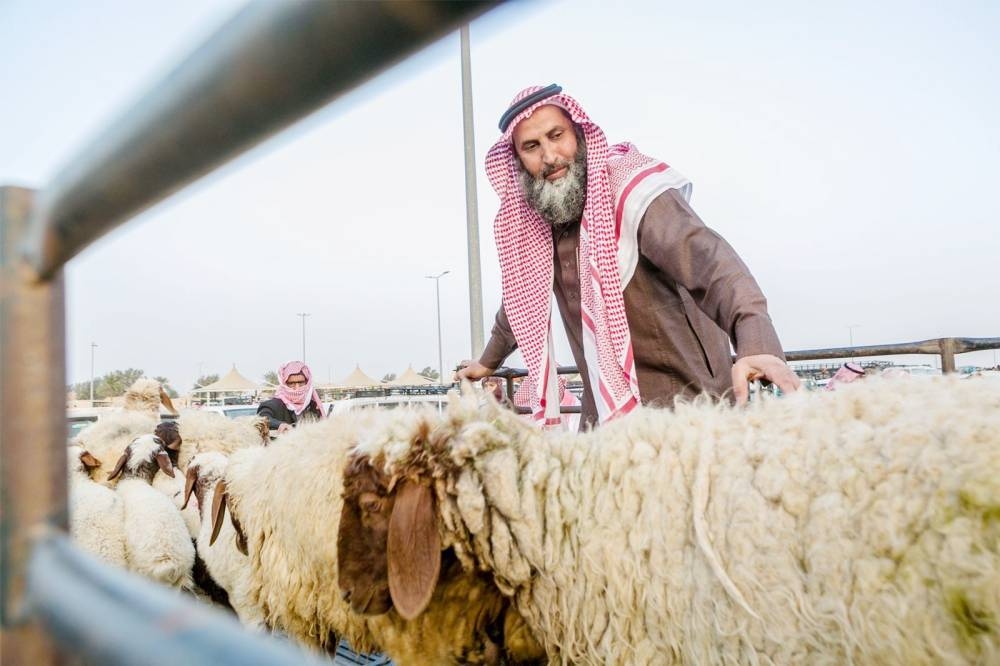
ويؤكد بدر الشمري (أحد باعة الأغنام بسوق الرياض)، أن الطلب على الأضاحي يتضاعف في الأيام التي تسبق العيد، من المواطنين والمقيمين والمطاعم والمطابخ، وأن الأسواق تواجه ضغطاً كبيراً في هذه الفترة، ما يجعل البيع الإلكتروني خياراً مثالياً للتنظيم والسرعة.
ويحذر الشمري، من عمليات الغش في الأسواق التقليدية، إذ يعمد بعض البائعين لإخفاء عيوب الأضحية، ما يدفع الكثير من المستهلكين للبحث عن حلول رقمية تضمن المواصفات الشرعية والصحية «المنصات الإلكترونية تقدم خيارات توثيق مرئي، مع تقارير طبية وشهادات ذبح شرعي، ما يعزز ثقة العميل».
من جانبه، أشار الخبير الرقمي المهندس عبدالله الناصر إلى أن مبيعات الأضاحي عبر الإنترنت تسجّل نمواً قياسياً هذا العام، مع تفضيل شريحة واسعة من المستهلكين الشراء عبر التطبيقات، خصوصاً مع خدمات المعاينة والتوثيق والشحن المبرد وخيارات الدفع المقسّط.
وأظهرت بيانات الهيئة العامة للإحصاء (نوفمبر 2024)، أن إجمالي عدد الأغنام بلغ 29.4 مليون رأس، وعدد الضأن 22 مليون رأس (80.7% منها إناث)، وعدد الماعز 7.4 مليون رأس، وعدد الإبل 2.2 مليون رأس، منها 68% تزيد أعمارها على 4 سنوات، ما يجعلها ضمن الفئة المناسبة للأضحية شرعاً.
«الأضاحي» تدخل السوق الرقمية
2 يونيو 2025 - 05:20
|
آخر تحديث 2 يونيو 2025 - 05:20


تابع قناة عكاظ على الواتساب
متعب العواد (حائل) motabalawwd@
As Eid al-Adha approaches, livestock markets are moving towards digitizing the experience of purchasing sacrificial animals, through online stores that offer comprehensive services including delivery, slaughtering, and scheduling for pickup.
This new trend is rapidly spreading in major cities, benefiting from the rising boom in the e-commerce market within the Kingdom.
According to data from the Ministry of Commerce, the number of commercial registrations for online stores in Saudi Arabia exceeded 38,850 in the first quarter of 2024, an increase of 17% compared to last year. Riyadh topped the list with 15,000 registrations, followed by Mecca and the Eastern Province.
The size of the e-commerce market reached 78.4 billion riyals in 2024, with expectations to exceed 108 billion riyals by 2028, driven by a compound annual growth rate estimated at 8.5%. Estimates indicate that e-commerce today represents about 8% of total trade in Saudi Arabia.
Badr Al-Shammari (one of the sheep sellers in the Riyadh market) confirms that the demand for sacrificial animals doubles in the days leading up to the holiday, from citizens, residents, restaurants, and kitchens, and that markets face significant pressure during this period, making online sales an ideal option for organization and speed.
Al-Shammari warns of fraud in traditional markets, as some sellers tend to hide the defects of the sacrificial animals, prompting many consumers to seek digital solutions that ensure compliance with legal and health specifications. "Electronic platforms offer options for visual documentation, along with medical reports and certificates of lawful slaughter, which enhances customer trust."
For his part, digital expert Engineer Abdullah Al-Nasser pointed out that online sales of sacrificial animals are recording unprecedented growth this year, with a wide segment of consumers preferring to purchase through applications, especially with inspection, documentation, refrigerated shipping services, and installment payment options.
Data from the General Authority for Statistics (November 2024) showed that the total number of sheep reached 29.4 million heads, with the number of lambs at 22 million heads (80.7% of which are females), the number of goats at 7.4 million heads, and the number of camels at 2.2 million heads, of which 68% are over 4 years old, making them suitable for sacrifice according to Islamic law.
This new trend is rapidly spreading in major cities, benefiting from the rising boom in the e-commerce market within the Kingdom.
According to data from the Ministry of Commerce, the number of commercial registrations for online stores in Saudi Arabia exceeded 38,850 in the first quarter of 2024, an increase of 17% compared to last year. Riyadh topped the list with 15,000 registrations, followed by Mecca and the Eastern Province.
The size of the e-commerce market reached 78.4 billion riyals in 2024, with expectations to exceed 108 billion riyals by 2028, driven by a compound annual growth rate estimated at 8.5%. Estimates indicate that e-commerce today represents about 8% of total trade in Saudi Arabia.
Badr Al-Shammari (one of the sheep sellers in the Riyadh market) confirms that the demand for sacrificial animals doubles in the days leading up to the holiday, from citizens, residents, restaurants, and kitchens, and that markets face significant pressure during this period, making online sales an ideal option for organization and speed.
Al-Shammari warns of fraud in traditional markets, as some sellers tend to hide the defects of the sacrificial animals, prompting many consumers to seek digital solutions that ensure compliance with legal and health specifications. "Electronic platforms offer options for visual documentation, along with medical reports and certificates of lawful slaughter, which enhances customer trust."
For his part, digital expert Engineer Abdullah Al-Nasser pointed out that online sales of sacrificial animals are recording unprecedented growth this year, with a wide segment of consumers preferring to purchase through applications, especially with inspection, documentation, refrigerated shipping services, and installment payment options.
Data from the General Authority for Statistics (November 2024) showed that the total number of sheep reached 29.4 million heads, with the number of lambs at 22 million heads (80.7% of which are females), the number of goats at 7.4 million heads, and the number of camels at 2.2 million heads, of which 68% are over 4 years old, making them suitable for sacrifice according to Islamic law.


