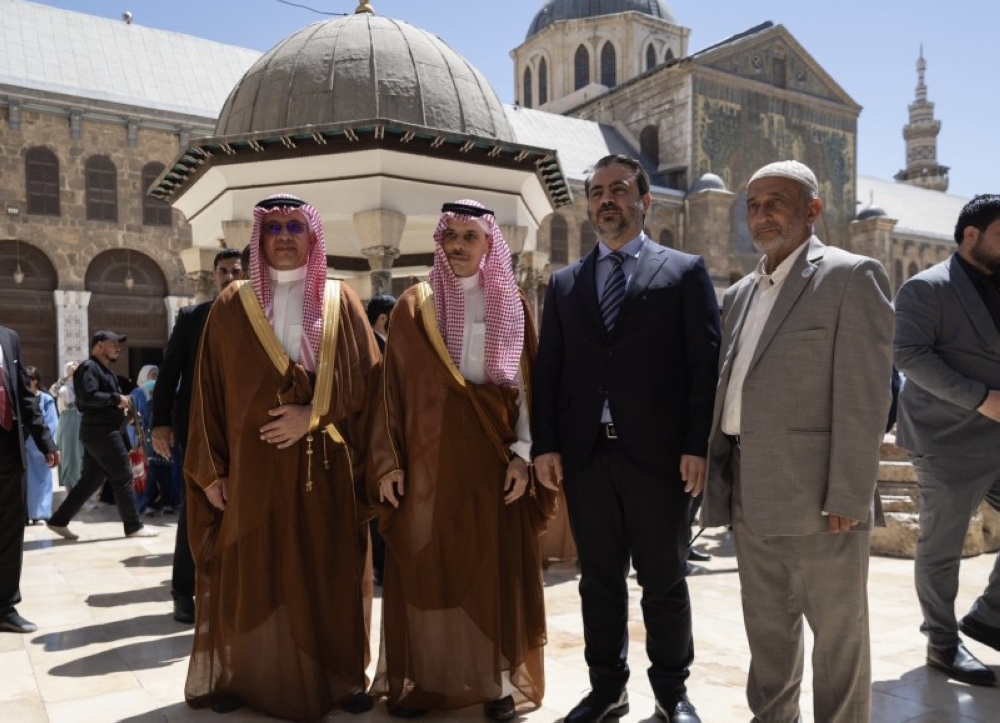
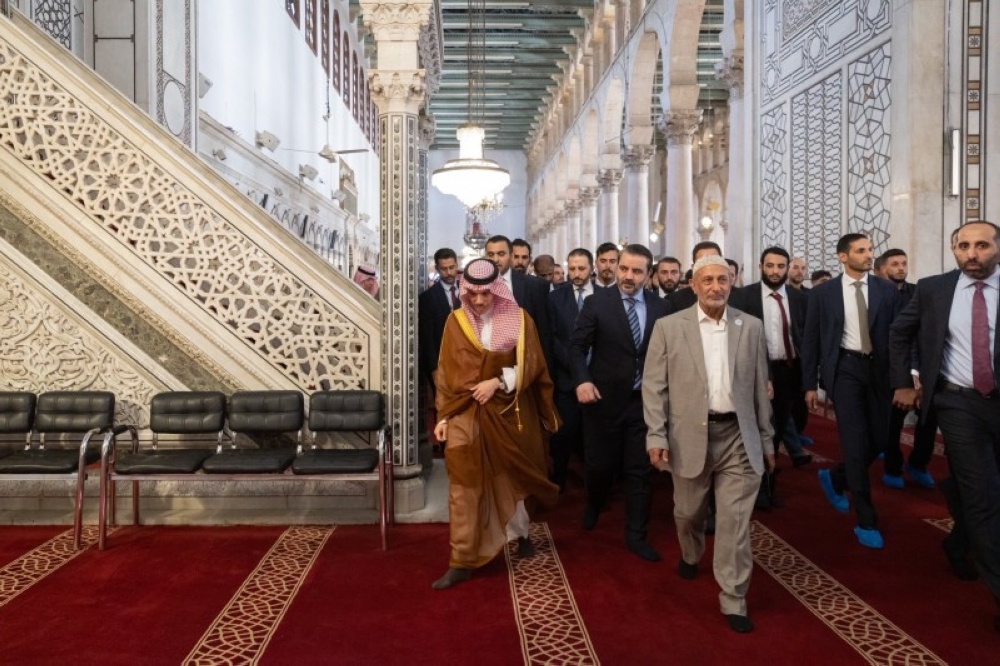
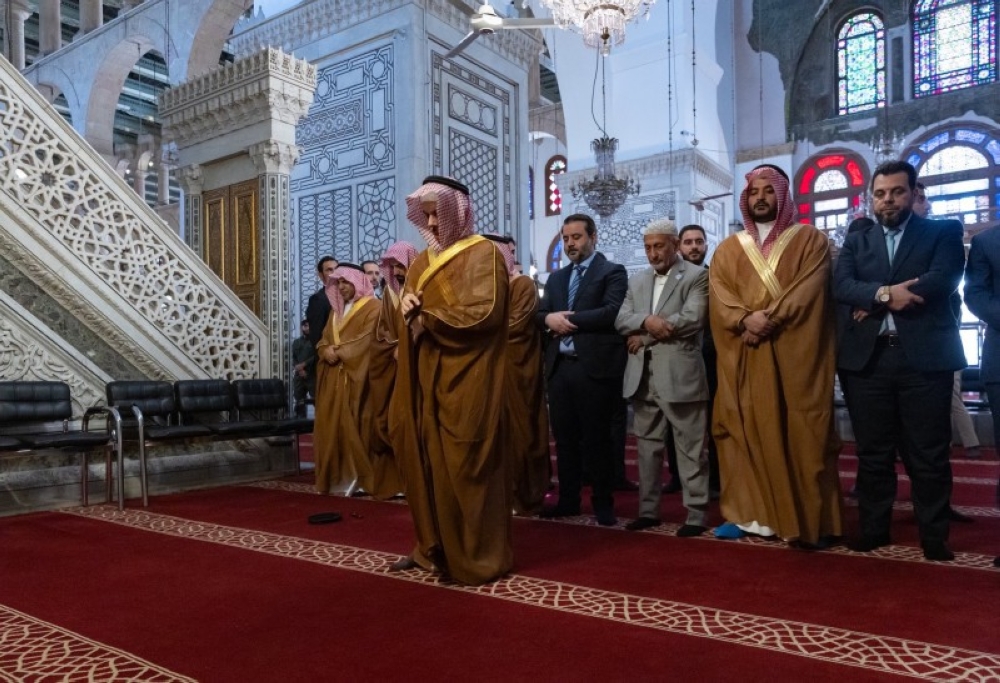
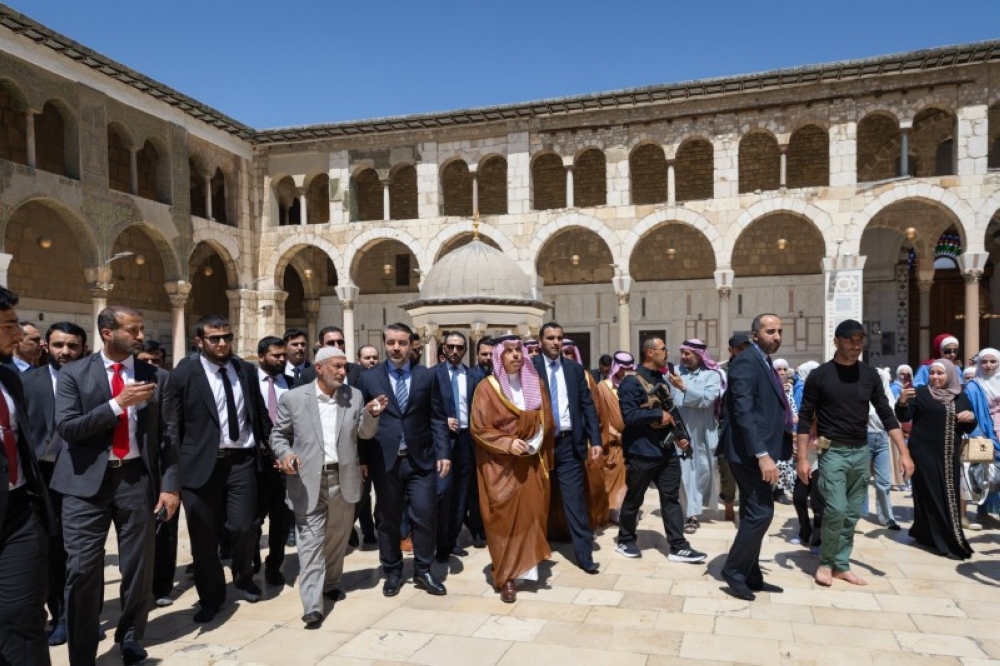
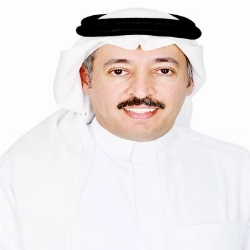
من داخل أحد أقدم مساجد الإسلام وأعظمها مكانة، سجّل وزير الخارجية السعودي الأمير فيصل بن فرحان حضوراً دبلوماسياً يفيض بالمعاني، إذ أمّ المصلين في الجامع الأموي بدمشق، وسط وفد رسمي يعكس وزن السعودية وعمق رؤيتها تجاه استعادة العلاقات العربية من بوابة الروح والتاريخ.
جامع بني أمية الكبير، الذي أمر ببنائه الخليفة الأموي الوليد بن عبد الملك، يحتفظ بمكانته الدينية والثقافية كأحد أعظم المساجد الإسلامية، بعد حرمي مكة والمدينة والمسجد الأقصى. تحفة معمارية وروحية احتضنت علماء، وخُطبت فوق منابرها كلمات قادة، وارتفعت منها دعوات أجيال، حتى أصبحت شاهداً على عصور القوة والوحدة والازدهار.
وقوف الأمير السعودي في محراب الشام، وتقدمه للصلاة، يشير إلى دلالة سياسية وروحية متكاملة. فالمملكة تواصل تحركاتها بخطوات مدروسة نحو صياغة واقع عربي جديد، ينطلق من وحدة الاتجاه، ويتكئ على إرث حضاري مشترك، يجمع العروبة بالدين، والمستقبل بالثوابت.
الزيارة تمثل تجسيداً حياً لرؤية سعودية تدمج بين الدبلوماسية والموروث، وتُقدّم الحضور السياسي في مشهد تعبيري يربط الجغرافيا بالهوية. فالمملكة لا تكتفي بفتح قنوات الحوار، بل تدخل من الأبواب الكبرى، حاملة مفردات الانتماء والتأثير.
الجامع الأموي، الذي شهد على تحولات الأمة، استعاد لحظاته المهيبة مع تقدم الوفد السعودي في صفوف الصلاة. وهكذا، تجاوز الحدث حدود الصورة، وأصبح رسالة متكاملة، تؤكد أن بناء المستقبل يبدأ من إعادة الاعتبار للمقدّس والمشترك، وأن السياسة التي تستحضر الروح تملك القدرة على رسم واقع أكثر تماسكاً وعدالة.
From inside one of the oldest and most prestigious mosques in Islam, Saudi Foreign Minister Prince Faisal bin Farhan made a diplomatic presence overflowing with meaning, as he led the prayers at the Umayyad Mosque in Damascus, accompanied by an official delegation that reflects Saudi Arabia's weight and the depth of its vision towards restoring Arab relations through the gateway of spirit and history.
The Great Umayyad Mosque, which was commissioned by the Umayyad Caliph Al-Walid bin Abdul Malik, maintains its religious and cultural significance as one of the greatest Islamic mosques, after the holy mosques of Mecca and Medina and Al-Aqsa Mosque. An architectural and spiritual masterpiece that has embraced scholars, where leaders have delivered speeches from its pulpits, and from which the prayers of generations have risen, it has become a witness to eras of strength, unity, and prosperity.
The Saudi prince's standing in the prayer niche of the Levant, and his leading of the prayer, indicates a comprehensive political and spiritual significance. The Kingdom continues its movements with calculated steps towards shaping a new Arab reality, rooted in a unified direction and relying on a shared civilizational heritage that connects Arab identity with religion, and the future with constants.
The visit represents a living embodiment of a Saudi vision that integrates diplomacy with heritage, presenting political presence in an expressive scene that links geography with identity. The Kingdom does not merely open channels for dialogue but enters through the grand doors, carrying the vocabulary of belonging and influence.
The Umayyad Mosque, which has witnessed the transformations of the nation, regained its majestic moments with the advance of the Saudi delegation in the lines of prayer. Thus, the event transcended the boundaries of imagery and became a comprehensive message, affirming that building the future begins with restoring the sanctity of the sacred and the shared, and that politics that invokes the spirit has the ability to shape a more cohesive and just reality.