أطلقت وزارة البلديات والإسكان، مشروع مسح وتقييم شبكة الطرق الحضرية بمنطقة عسير، كمرحلة أولى من مراحل التقييم، التي تشمل كافة مناطق المملكة، وذلك بحسب الخطة الزمنية المعتمدة للمشروع التي تنفذها الوزارة خلال الأعوام الثلاثة القادمة؛ سعيًا لجعل المملكة ضمن أفضل ست دول عالمياً في جودة الطرق بنهاية 2030. وبينت الوزارة أن الخطة التنفيذية لمشروع تقييم الطرق الحضرية، انطلقت من منطقة عسير، لتشمل باقي مناطق المملكة تباعاً، مؤكدة أن المشروع يأتي ضمن خطة وطنية متكاملة، تهدف إلى رفع كفاءة تشغيل وصيانة الطرق، وتحسين جودة الحياة في المدن السعودية.
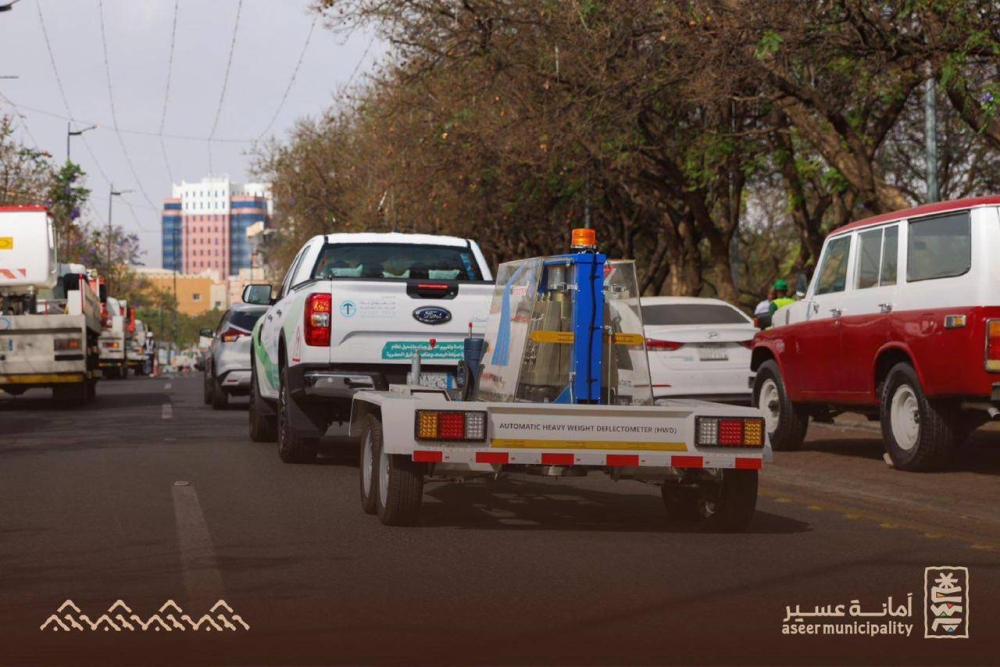
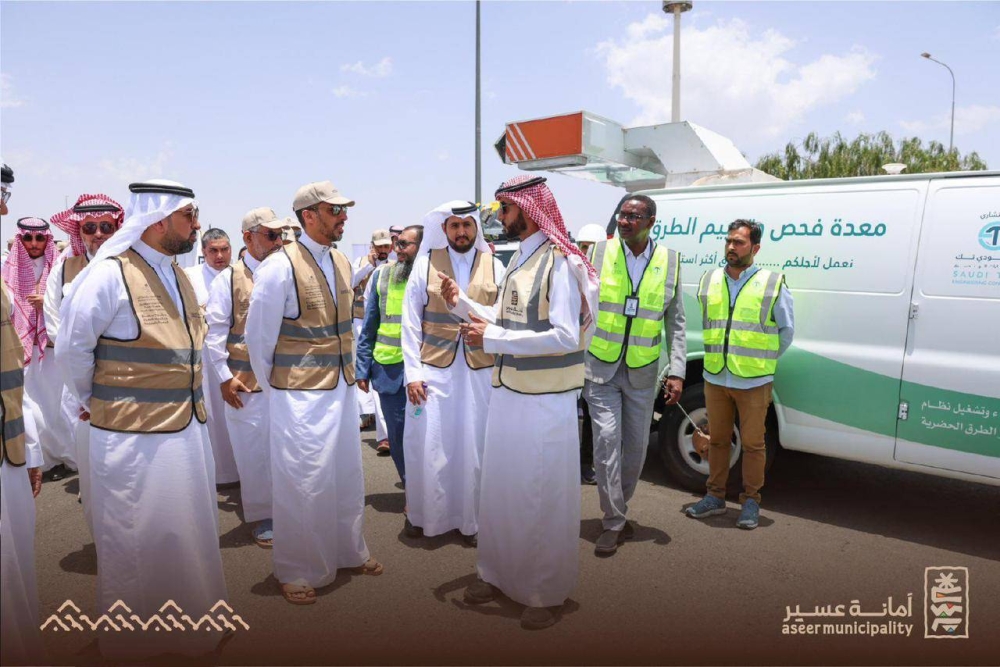
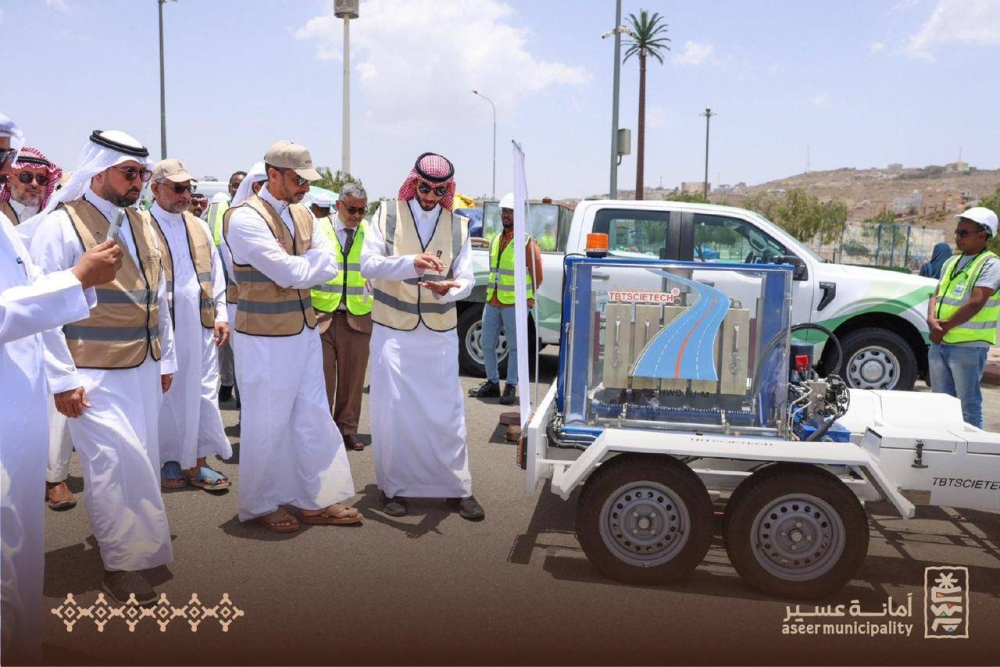
وأوضحت الوزارة بأنها وظفت في عملية التقييم لشبكة الطرق، أحدث المعدات والوسائل التي شملت سيارات مجهّزة بتقنية الذكاء الاصطناعي لمسح الطرق، وأجهزة تقييم إنشائية لطبقات الرصف، ومعدات قياس سماكة طبقات الرصف، وأجهزة مقاومة الانزلاق، فضلاً عن معدات التصوير البانورامي الرقمي، وتقنيات معدة المسح الآلي لتقييم الرصف، مبينة أن المشروع تحت إشراف خبراء ومتخصصين محليين ودوليين في مسوحات الطرق؛ وذلك لضمان دقة عالية في جمع وتحليل البيانات الفنية، فيما صرح أمين منطقة عسير بأن ترتيبناً عالمياً بجودة الطرق سيكون 6 بحلول 2030 بإذن الله، موضحاً بأن وعي المواطنين في عسير ومشاركتهم في إستراتيجيتنا ساهمت في مستوى الجودة وأن المواطن شريك أساسي في خططنا.
وأسست «البلديات والإسكان» نظاماً موحداً لإدارة صيانة الرصف وعناصر الطرق؛ حيث يعتمد على تقنيات الذكاء الاصطناعي وتحليل البيانات الجيومكانية، إلى جانب مسوحات ميدانية دقيقة، معتزمة إنشاء قاعدة بيانات وطنية لتقييم جودة الطرق، ودعم اتخاذ قرار الصيانة بدقة وفعالية.
يُذكر أن مشروع مسح وتقييم الطرق الحضرية، يُعد نقلة نوعية في إدارة أصول الطرق، حيث يعكس التزام الوزارة بتقديم حلول تقنية مستدامة، تُحسِّن من كفاءة العمل الميداني، وترتقي بمستوى الخدمات البلدية، مما يسهم في توحيد معايير التقييم، وتحقيق الاستغلال الأمثل للميزانيات، وتعزيز السلامة المرورية.
The Ministry of Municipalities and Housing has launched a project to survey and assess the urban road network in the Asir region, as the first phase of the evaluation process, which includes all regions of the Kingdom. This is in accordance with the approved timeline for the project that the ministry will implement over the next three years, aiming to position the Kingdom among the top six countries globally in road quality by the end of 2030. The ministry indicated that the executive plan for the urban road assessment project started from the Asir region and will subsequently include the other regions of the Kingdom, emphasizing that the project is part of a comprehensive national plan aimed at enhancing the efficiency of road operation and maintenance, and improving the quality of life in Saudi cities.
The ministry clarified that it employed the latest equipment and means in the evaluation of the road network, which included vehicles equipped with artificial intelligence technology for road surveying, structural assessment devices for pavement layers, equipment for measuring the thickness of pavement layers, slip resistance devices, as well as digital panoramic imaging equipment and automated surveying techniques for pavement assessment. It stated that the project is supervised by local and international experts and specialists in road surveys to ensure high accuracy in collecting and analyzing technical data. The Secretary of the Asir Region stated that our global ranking in road quality will be 6 by 2030, God willing, explaining that the awareness of citizens in Asir and their participation in our strategy contributed to the quality level, and that citizens are a key partner in our plans.
The Ministry of Municipalities and Housing has established a unified system for managing pavement maintenance and road elements; this system relies on artificial intelligence technologies and geospatial data analysis, in addition to accurate field surveys. It aims to create a national database for assessing road quality and supporting maintenance decision-making with precision and effectiveness.
It is worth noting that the urban road survey and assessment project represents a qualitative leap in road asset management, reflecting the ministry's commitment to providing sustainable technical solutions that improve fieldwork efficiency and elevate the level of municipal services. This contributes to standardizing assessment criteria, achieving optimal budget utilization, and enhancing traffic safety.