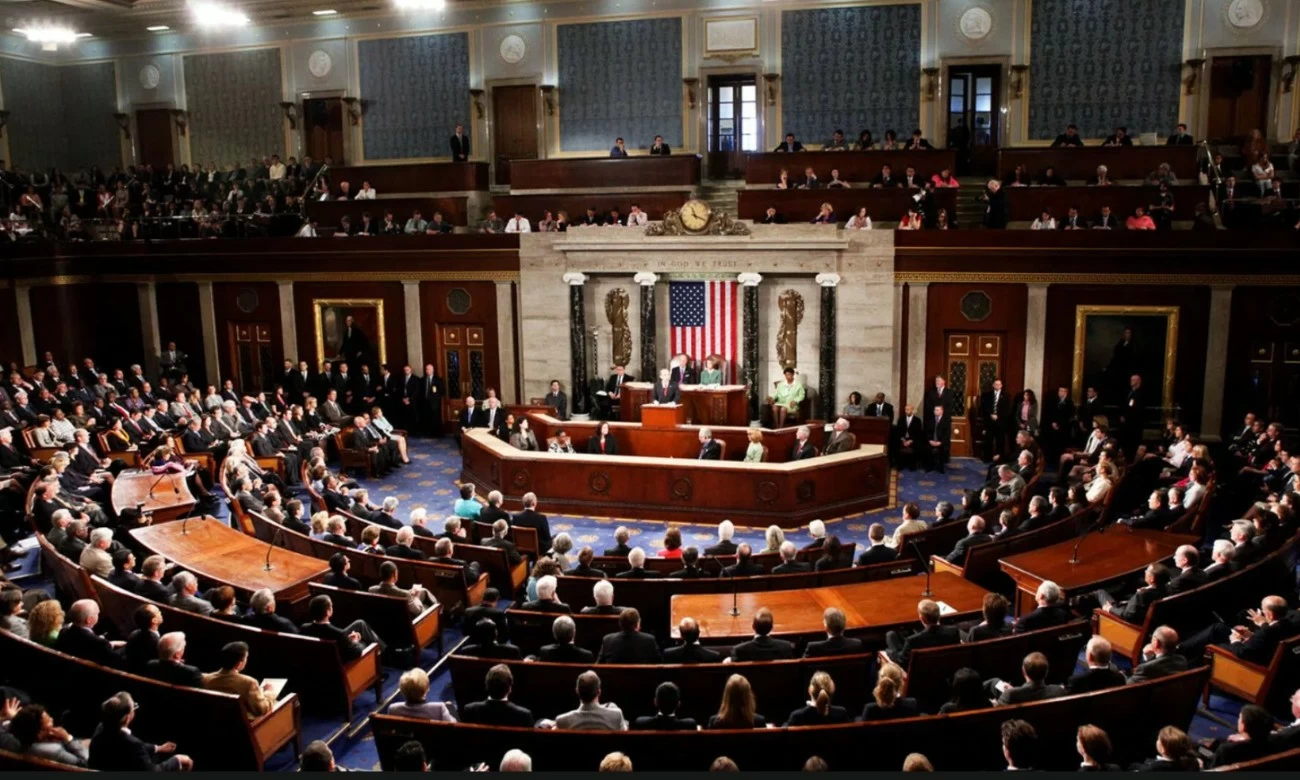
صوّت مجلس النواب الأمريكي بأغلبية ساحقة لصالح مشروع قانون مؤقت للإنفاق، في خطوة تجنب إغلاقاً حكومياً محتملاً مع انتهاء التمويل الحالي نهاية سبتمبر، وترحّل معركة الإنفاق إلى ما بعد انتخابات التجديد النصفي.
وأقر المجلس المشروع، أمس (الثلاثاء)، بأغلبية 370 صوتاً مقابل 48، في تصويت عابر للحزبين، بعدما كان مجلس الشيوخ قد وافق عليه في أغسطس الماضي. ومن المقرر أن ينتقل التشريع إلى الرئيس دونالد ترمب للتوقيع عليه، ليصبح نافذاً.
وبموجب مشروع القانون، يستمر تمويل الحكومة الفيدرالية بالمستويات الحالية حتى 11 ديسمبر القادم، ما يمنح الجمهوريين والديمقراطيين مهلة إضافية للتفاوض بشأن مشاريع قوانين الإنفاق السنوية التي لم يتمكن الكونغرس من إقرارها في موعدها.
ويأتي الاتفاق قبل أسابيع من انتخابات التجديد النصفي المقررة في نوفمبر، إذ يسعى الحزبان إلى تجنب أزمة إغلاق حكومي خلال موسم الحملات الانتخابية، في وقت يواجه الجمهوريون والديمقراطيون منافسة على السيطرة على مجلسي النواب والشيوخ خلال العامين الأخيرين من ولاية ترمب.
وأدخل مجلس الشيوخ عدداً من التعديلات على مشروع التمويل، بينها قيود على قدرة إدارة ترمب على تحويل أموال إضافية إلى دوريات الحدود، إلى جانب تأجيل قاعدة مقترحة تمنح مسؤولين سياسيين في الإدارة نفوذاً أكبر في قرارات توزيع المنح الفيدرالية، وهي نقاط ساعدت في الحصول على دعم الديمقراطيين.
كما يتضمن التشريع تأجيلاً لتطبيق حظر اتحادي يستهدف بعض منتجات القنب المحتوية على مركبات رباعي هيدروكانابينول (THC)، وهو بند أثار اعتراض عدد من الجمهوريين المحافظين، الذين رأوا أن تأجيل الحظر يتيح استمرار تداول منتجات ذات تأثيرات مخدرة.
وكان التمويل الحكومي الحالي مهدداً بالانتهاء في 30 سبتمبر، ما كان سيجعل الحكومة الفيدرالية أمام خطر الإغلاق مع بدء السنة المالية الجديدة. ولم يتمكن الكونغرس حتى الآن من إقرار حزمة قوانين الإنفاق السنوية الـ12 بصورة نهائية، ما دفعه مجدداً إلى اللجوء إلى ما يعرف بـ«القرار المستمر» لتمديد التمويل مؤقتاً.
وتأتي الخطوة في أعقاب أزمات تمويل حكومي شهدتها إدارة ترمب الثانية، ما عزز رغبة أعضاء الكونغرس من الحزبين في تفادي مواجهة جديدة قبل الانتخابات، على أن تعود الخلافات بشأن أولويات الإنفاق ومستقبل التمويل الحكومي إلى الواجهة في ديسمبر.
The U.S. House of Representatives voted overwhelmingly in favor of a temporary spending bill, a move that avoids a potential government shutdown as current funding expires at the end of September, and postpones the spending battle until after the midterm elections.
The House approved the measure yesterday (Tuesday) by a vote of 370 to 48, in a bipartisan vote, after the Senate had approved it last August. The legislation is set to be sent to President Donald Trump for his signature, making it effective.
Under the bill, federal government funding will continue at current levels until December 11, providing Republicans and Democrats with additional time to negotiate the annual spending bills that Congress has been unable to pass on time.
The agreement comes weeks before the midterm elections scheduled for November, as both parties seek to avoid a government shutdown crisis during the campaign season, while Republicans and Democrats face competition for control of both the House and Senate during the last two years of Trump's presidency.
The Senate made several amendments to the funding measure, including restrictions on Trump's administration's ability to shift additional funds to border patrols, along with delaying a proposed rule that would give political appointees in the administration greater influence over federal grant distribution decisions, points that helped garner Democratic support.
The legislation also includes a delay in the implementation of a federal ban targeting certain cannabis products containing tetrahydrocannabinol (THC) compounds, a provision that drew objections from several conservative Republicans, who argued that delaying the ban allows the continued sale of products with intoxicating effects.
The current government funding was at risk of expiring on September 30, which would have put the federal government at risk of a shutdown as the new fiscal year begins. Congress has not yet been able to finalize the 12 annual spending bills, prompting it once again to resort to what is known as a "continuing resolution" to temporarily extend funding.
This step follows government funding crises experienced during Trump's second term, which heightened the desire among members of Congress from both parties to avoid a new confrontation before the elections, although disagreements over spending priorities and the future of government funding are expected to resurface in December.