


كشف المتحدث باسم المديرية العامة للجوازات الرائد ناصر العتيبي لـ«عكاظ»، استحداث حزمة من التقنيات الحديثة ضمن جهود الجوازات للتحول الرقمي، أبرزها أنظمة قراءة الجوازات البيومترية المطورة، وتقنيات الذكاء الاصطناعي المستخدمة في تحليل البيانات والأنماط التشغيلية للمنافذ.
وفي ما يتعلق بالخدمات الإلكترونية خلال الحج، أشار إلى أن الجوازات تقدم باقة واسعة من الخدمات الرقمية عبر منصاتها الرسمية تشمل إصدار التصاريح، وتحديث المعلومات، وتقديم البلاغات، والاستعلامات الفورية ضمن إطار متكامل يعزز كفاءة الأداء ويختصر الوقت والجهد على الحجاج والجهات ذات العلاقة. وقال العتيبي، إن الجوازات تعمل خلال موسم الحج وفق منظومة متكاملة من الإجراءات والخطط التشغيلية التي تُحدّث باستمرار، بهدف تقديم خدمات نوعية لضيوف الرحمن، وضمان انسيابية الإجراءات منذ لحظة وصولهم إلى أراضي المملكة حتى مغادرتهم. ولفت إلى أن الجوازات تعتمد في تنفيذ مهماتها على 3 مراحل رئيسية، تشمل الاستعدادات المسبقة، والعمليات الميدانية أثناء الموسم، ثم مرحلة التقييم والتطوير بعد انتهاء الموسم.
وبيّن الرائد العتيبي، أن المنافذ الدولية تمثل محوراً إستراتيجياً في خطة الجوازات لموسم الحج، إذ تم توزيع الكوادر البشرية المؤهلة والتقنيات الحديثة على جميع المنافذ الجوية والبرية والبحرية، بما يضمن سرعة إنجاز الإجراءات واستيعاب كثافة الحركة خلال فترة الذروة، مشدداً على أن «الجوازات» تولي اهتماماً كبيراً لبناء منظومة مرنة قادرة على التكيف مع التحديات المختلفة.
تحليل البيانات الموسمية
المتحدث باسم الجوازات أوضح، أن العمل يسير ضمن منظومة وطنية متكاملة لتعزيز الأمن والسلامة في المشاعر المقدسة، من خلال التأكد من نظامية الحجاج، والتعامل مع المخالفين، وتطبيق التعليمات الصادرة بشأن تصاريح الحج بدقة، بما يسهم في تحقيق أعلى مستويات الأمان والانضباط. وختم الرائد ناصر العتيبي تصريحه بالتأكيد على أن الجوازات تعمل على مدار العام في إطار تطويري مبني على دراسات ميدانية وتحليل بيانات موسمية، بهدف تحقيق التحسين المستمر في الأداء ورفع الجاهزية التشغيلية لمواسم الحج القادمة.
961,903 حجاج وصلوا من الخارج
أعلنت المديرية العامة للجوازات، أن إجمالي ضيوف الرحمن القادمين من الخارج عبر جميع منافذ المملكة الجوية والبرية والبحرية، بلغ 961,903 حجاج، حتى نهاية يوم السبت 26/ 11/ 1446هـ.
وأكدت المديرية العامة للجوازات تسخير إمكاناتها كافة؛ لتسهيل إجراءات دخول ضيوف الرحمن، من خلال دعم منصاتها في المنافذ الدولية الجوية والبرية والبحرية بأحدث الأجهزة التقنية التي يعمل عليها كوادر بشرية مؤهلة بلغات مختلفة.
أكد اعتمادها في تنفيذ مهماتها على 3 مراحل رئيسية..
متحدث «الجوازات» لـ«عكاظ»: تقنيات حديثة وتحّول رقمي لإنهاء إجراءات دخول الحجاج بسرعة وأمان
26 مايو 2025 - 00:04
|
آخر تحديث 26 مايو 2025 - 00:04
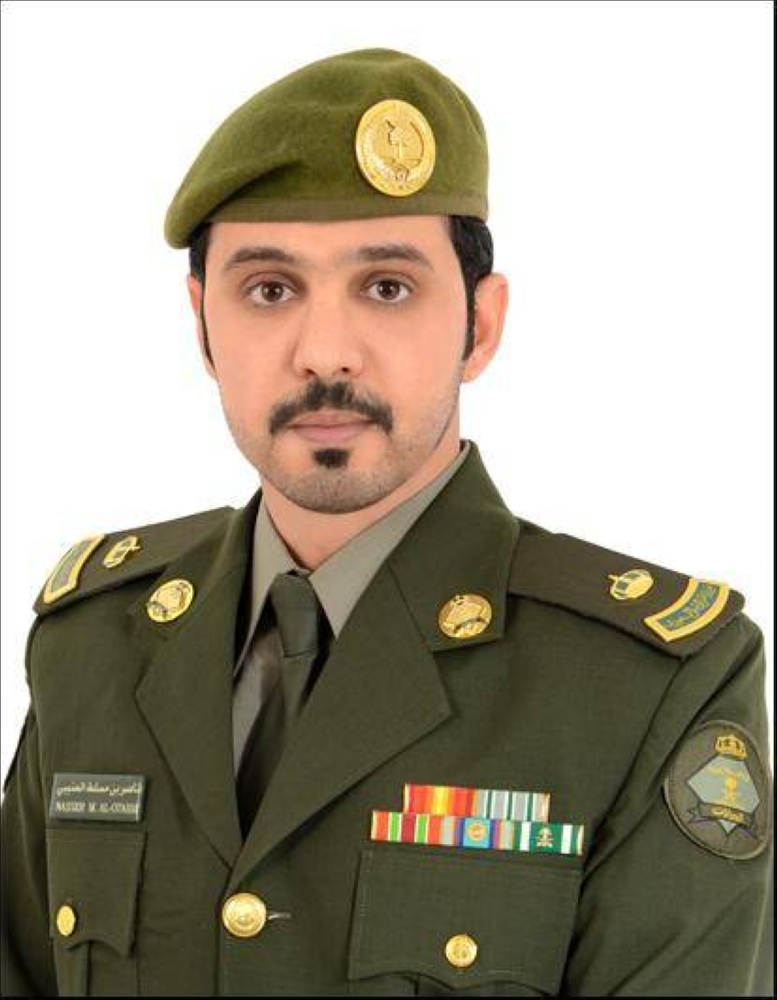
الرائد ناصر العتيبي


تابع قناة عكاظ على الواتساب
مريم الصغير (الرياض) Maryam9902@
The spokesperson for the General Directorate of Passports, Major Nasser Al-Otaibi, revealed to "Okaz" the introduction of a package of modern technologies as part of the passports' efforts for digital transformation, most notably the developed biometric passport reading systems and artificial intelligence technologies used in data analysis and operational patterns at the ports.
Regarding electronic services during Hajj, he pointed out that the passports provide a wide range of digital services through its official platforms, including issuing permits, updating information, submitting reports, and instant inquiries within a comprehensive framework that enhances performance efficiency and saves time and effort for pilgrims and related entities. Al-Otaibi stated that the passports operate during the Hajj season according to an integrated system of procedures and operational plans that are continuously updated, aiming to provide quality services to the guests of Allah and ensure the smoothness of procedures from the moment they arrive in the Kingdom until their departure. He noted that the passports rely on three main phases in carrying out their tasks, including preliminary preparations, field operations during the season, and then the evaluation and development phase after the season ends.
Major Al-Otaibi explained that international ports represent a strategic axis in the passports' plan for the Hajj season, as qualified human resources and modern technologies have been distributed across all air, land, and sea ports to ensure the swift completion of procedures and accommodate the high volume of movement during peak times, emphasizing that the "passports" pay great attention to building a flexible system capable of adapting to various challenges.
Seasonal Data Analysis
The spokesperson for the passports clarified that the work is proceeding within a comprehensive national system to enhance security and safety in the holy sites, by ensuring the legality of the pilgrims, dealing with violators, and accurately applying the instructions issued regarding Hajj permits, contributing to achieving the highest levels of safety and discipline. Major Nasser Al-Otaibi concluded his statement by confirming that the passports work year-round within a developmental framework based on field studies and seasonal data analysis, aiming to achieve continuous performance improvement and enhance operational readiness for upcoming Hajj seasons.
961,903 Pilgrims Arrived from Abroad
The General Directorate of Passports announced that the total number of guests of Allah arriving from abroad through all of the Kingdom's air, land, and sea ports reached 961,903 pilgrims, as of the end of Saturday, 26/11/1446 AH.
The General Directorate of Passports confirmed that it is utilizing all its capabilities to facilitate the entry procedures for the guests of Allah, by supporting its platforms at international air, land, and sea ports with the latest technical devices operated by qualified human resources speaking different languages.
Regarding electronic services during Hajj, he pointed out that the passports provide a wide range of digital services through its official platforms, including issuing permits, updating information, submitting reports, and instant inquiries within a comprehensive framework that enhances performance efficiency and saves time and effort for pilgrims and related entities. Al-Otaibi stated that the passports operate during the Hajj season according to an integrated system of procedures and operational plans that are continuously updated, aiming to provide quality services to the guests of Allah and ensure the smoothness of procedures from the moment they arrive in the Kingdom until their departure. He noted that the passports rely on three main phases in carrying out their tasks, including preliminary preparations, field operations during the season, and then the evaluation and development phase after the season ends.
Major Al-Otaibi explained that international ports represent a strategic axis in the passports' plan for the Hajj season, as qualified human resources and modern technologies have been distributed across all air, land, and sea ports to ensure the swift completion of procedures and accommodate the high volume of movement during peak times, emphasizing that the "passports" pay great attention to building a flexible system capable of adapting to various challenges.
Seasonal Data Analysis
The spokesperson for the passports clarified that the work is proceeding within a comprehensive national system to enhance security and safety in the holy sites, by ensuring the legality of the pilgrims, dealing with violators, and accurately applying the instructions issued regarding Hajj permits, contributing to achieving the highest levels of safety and discipline. Major Nasser Al-Otaibi concluded his statement by confirming that the passports work year-round within a developmental framework based on field studies and seasonal data analysis, aiming to achieve continuous performance improvement and enhance operational readiness for upcoming Hajj seasons.
961,903 Pilgrims Arrived from Abroad
The General Directorate of Passports announced that the total number of guests of Allah arriving from abroad through all of the Kingdom's air, land, and sea ports reached 961,903 pilgrims, as of the end of Saturday, 26/11/1446 AH.
The General Directorate of Passports confirmed that it is utilizing all its capabilities to facilitate the entry procedures for the guests of Allah, by supporting its platforms at international air, land, and sea ports with the latest technical devices operated by qualified human resources speaking different languages.


