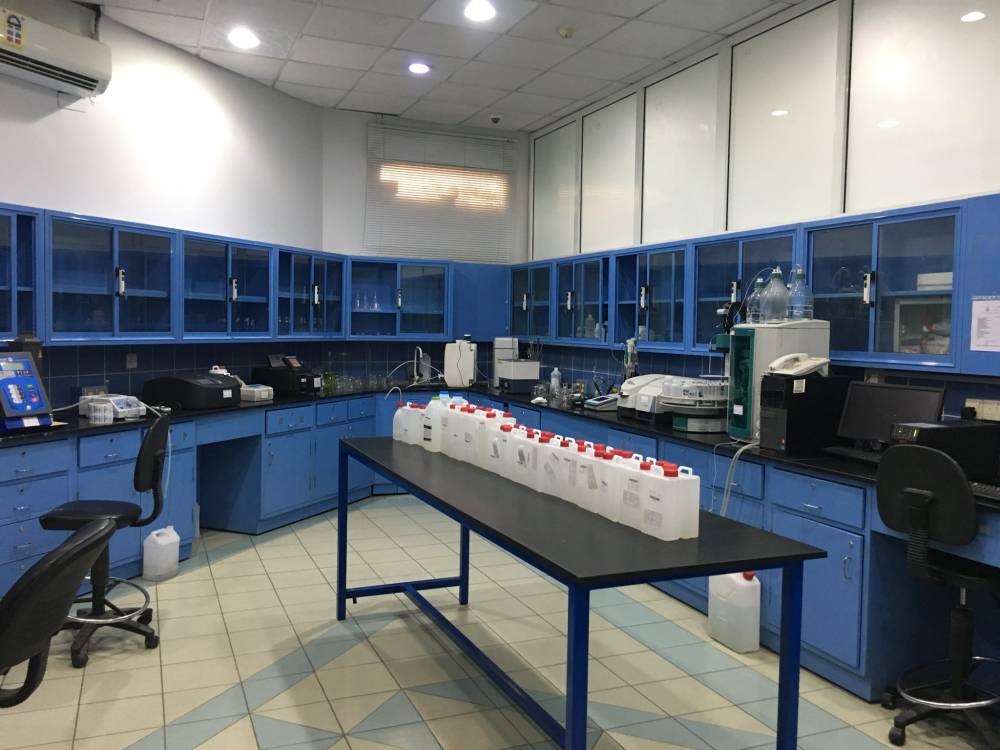
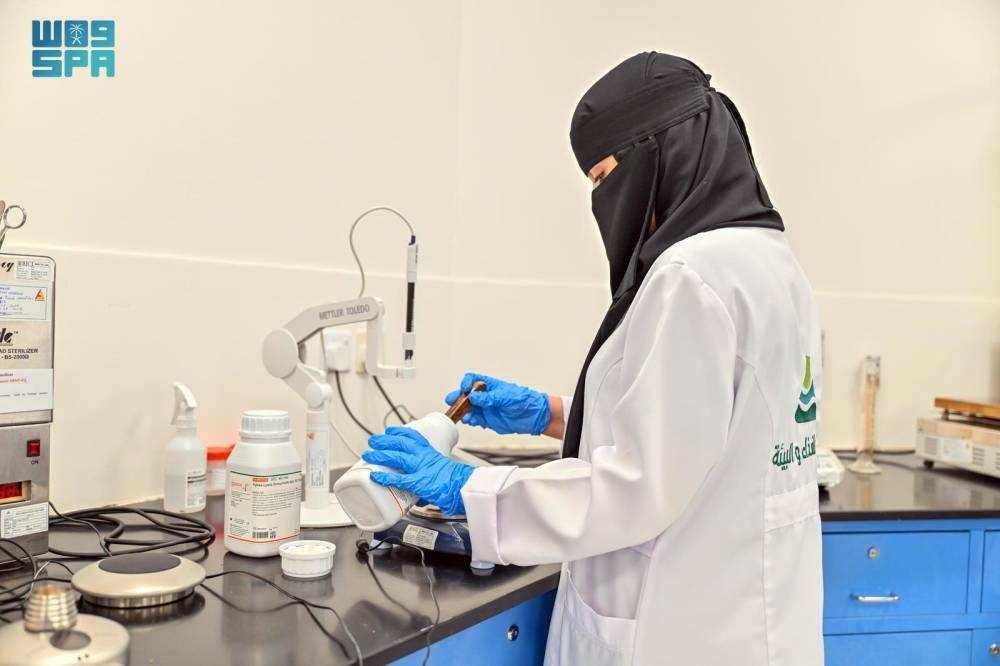
تُكثف مختبرات الغذاء والبيئة بأمانة المدينة المنورة خلال فترة موسم الحج جهودها في الكشف على الأغذية والمياه ومسببات التلوث الغذائي، عبر تنفيذ أكثر من 2700 زيارة شهرية للمنشآت الغذائية، وفحص ما يزيد على 7000 عيّنة، وذلك ضمن خطة شاملة تهدف إلى ضمان سلامة الأغذية والمياه المقدمة للمستهلكين، لاسيما مع دخول موسم الحج.
مختبرات أمانة منطقة المدينة المنورة. (واس)
وتؤدي المختبرات دوراً محورياً في الكشف على الأغذية والمياه باستخدام أجهزة دقيقة في المختبر المركزي والمختبر المتنقل، وتُؤخذ العينات وتُحلل فورياً، وتُتخذ الإجراءات النظامية حيال أي مخالفة تتعلق بسلامة الغذاء أو عدم الالتزام بالاشتراطات الصحية. وتشمل أعمال الرقابة سحب عينات عشوائية من المطاعم، والمخابز، إلى جانب مواقع بيع الأغذية الموسمية، وذلك بالتنسيق مع الجهات المختصة، إذ تُخضع العينات لفحوصات متقدمة للكشف عن الملوثات الكيميائية والميكروبية والتأكد من مطابقتها للمعايير المعتمدة.
وأكدت الأمانة أن مختبراتها المجهزة بتقنيات حديثة وكوادر متخصصة تمثل خط الدفاع الأول في حماية الصحة العامة، وضمان وصول غذاء وماء آمنين لضيوف الرحمن، مبينةً أنها تستهدف بخطط التوعية والمتابعة أكثر من 2252 منشأة غذائية، تُجرى لها زيارات رقابية دورية شهرياً لضمان امتثالها لمتطلبات السلامة والجودة. وتأتي هذه الجهود في إطار حرص الأمانة على تعزيز منظومة الأمن الغذائي بالمنطقة، وتطبيق أعلى معايير الجودة وسلامة الغذاء، بما يواكب حجم الإقبال المتوقع خلال موسم الحج ويحقق أعلى درجات الوقاية الصحية.
The Food and Environment Laboratories of the Medina Municipality intensify their efforts during the Hajj season to inspect food, water, and causes of food contamination, by conducting more than 2,700 monthly visits to food establishments and testing over 7,000 samples. This is part of a comprehensive plan aimed at ensuring the safety of food and water provided to consumers, especially with the onset of the Hajj season.
مختبرات أمانة منطقة المدينة المنورة. (واس)
The laboratories play a crucial role in inspecting food and water using precise devices in the central laboratory and the mobile laboratory. Samples are taken and analyzed immediately, and regulatory actions are taken against any violations related to food safety or non-compliance with health regulations. The monitoring activities include random sampling from restaurants, bakeries, as well as seasonal food sales sites, in coordination with the relevant authorities. The samples are subjected to advanced tests to detect chemical and microbial contaminants and to ensure compliance with the approved standards.
The municipality confirmed that its laboratories, equipped with modern technologies and specialized staff, represent the first line of defense in protecting public health and ensuring safe food and water for the guests of Allah. It indicated that it targets more than 2,252 food establishments with awareness and follow-up plans, conducting regular monthly inspections to ensure their compliance with safety and quality requirements. These efforts are part of the municipality's commitment to enhancing the food security system in the region and applying the highest standards of quality and food safety, in line with the expected influx during the Hajj season and achieving the highest levels of health protection.