


طرحت وزارة السياحة، تعديل جدول مخالفات نشاط الإرشاد السياحي، وحدد التعديل مفهوم المخالفة الجسيمة بممارسة تشغيل الأنشطة السياحية دون الحصول على ترخيص أو الاستمرار في التشغيل بعد إلغاء الترخيص أو خلال فترة تعليقه أو انتهائه، أو أي ممارسة في مجال الأنشطة السياحية قد تضر بالسلامة العامة أو بسمعة السياحة أو منع المفتشين من أداء مهماتهم المنصوص عليها في النظام، والامتناع عن التعاون معهم وتقديم التسهيلات لهم.
ويتولى مفتش السياحة، إيقاع الغرامات الفورية على المخالفات التي لا تتجاوز قيمتها 10 آلاف ريال، وتتولى لجنة النظر في المخالفات إيقاع العقوبات باستثناء الغرامات الفورية. ويطبق الإنذار حصراً على المخالفات (غير الجسيمة) قبل إيقاع العقوبة على المخالف، وذلك بمنح المخالف بعد إنذاره مهلة تصحيحية للمعالجة خلال المدة المحددة، وتطبق العقوبة على المخالف بعد انتهاء المهلة التصحيحية دون معالجة المخالفة وفقاً لصلاحية إيقاع العقوبات، وفي حال تكرار المخالفة تعد المخالفة الجسيمة وغير الجسيمة مكررة إذا وقعت خلال سنة، وتضاعف مدة عقوبة (تعليق الترخيص) عند تكرار المخالفة على ألّا يتجاوز إجمالي المدد سنة، وللجنة النظر في المخالفات في حال تكرار المخالفة الجسيمة مضاعفة العقوبة المالية الأخيرة الموقعة على المخالف على ألّا تتجاوز الحد الأعلى للعقوبة، وفي حال تكرار ارتكاب المخالفة 4 مرات على ذات العنصر للمخالفات التي لم تحدد لها عقوبة غير مالية فللجنة تطبيق تعليق الترخيص لمدة لا تزيد على 60 يوماً، أينما ينطبق.
وأوضحت الهيئة، إمكانية التدرج في فرض العقوبة، ويراعى في تحديد مقدار الغرامة تطبيق الحد الأدنى ثم بمضاعفة الحد الأدنى للعقوبة بحسب عدد مرات التكرار، على ألا يتجاوز ذلك الحد الأعلى للغرامة، ويكون الحد الأعلى للغرامة الموقعة على كافة المخالفات (خمسة) أضعاف مقدار الغرامة أو (مليون) ريال أيهما أسبق.
وتراعي اللجنة عند تطبيق العقوبة للمخالفات التي يحدد لها عقوبات مالية وغير مالية الظروف المخففة والمشددة بناءً على طبيعة المخالفة المرتكبة وجسامتها. وأكد التعديل المقترح الغرامة اليومية عند الاستمرار في المخالفة، ويجوز للجنة فرض غرامة عن كل يوم يستمر فيه المخالف في ارتكاب مخالفته، لا تزيد على (5%) من الحد الأدنى للغرامة المقررة للمخالف، ولا يزيد إجمالي الغرامة اليومية على الحد الأدنى للغرامة، على أن يبدأ احتساب الغرامة من التاريخ الذي تحدده اللجنة في قرارها.
وكشف المقترح عن تحديد 3 نطاقات للإرشاد السياحي، الأول في مكة المكرمة، المدينة المنورة، الرياض، جدة، الخبر، ونيوم، البحر الأحمر، الدرعية، آمالا، القدية.
الثاني في الطائف، الدمام، أبها، جازان، تبوك، حائل، بريدة، خميس مشيط، الجبيل، نجران، ينبع، حفر الباطن، الباحة، الهفوف، سكاكا. فيما حددت المدن والمحافظات الأخرى بالنطاق الثالث.
تشمل نطاقات 5 مدن والمشاريع الكبرى..
مقترح بتعديل غرامات «الإرشاد السياحي» وتحديد مفهوم «الخطأ الجسيم»
18 مايو 2025 - 02:37
|
آخر تحديث 18 مايو 2025 - 02:37
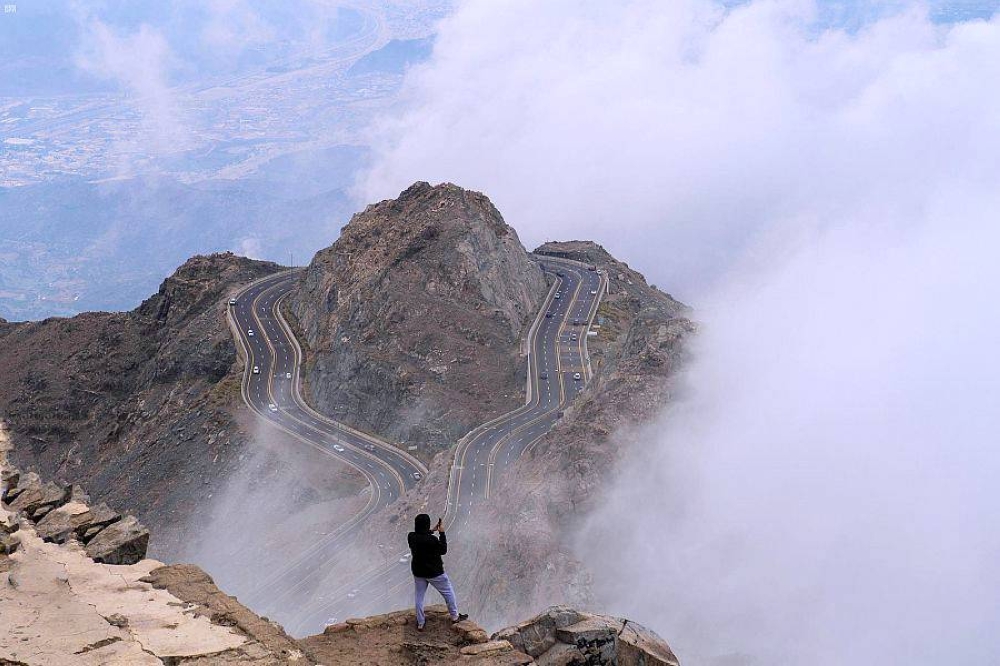
الطائف.. باقات سياحية في السعودية. (واس)


تابع قناة عكاظ على الواتساب
إبراهيم العلوي (جدة) i_waleeed22@
The Ministry of Tourism has proposed an amendment to the table of violations related to tourism guidance activities, defining the concept of a serious violation as the operation of tourism activities without obtaining a license, or continuing operations after the license has been revoked, during its suspension, or after its expiration, or any practice in the field of tourism activities that may harm public safety or the reputation of tourism, or prevent inspectors from performing their duties as stipulated in the regulations, and refraining from cooperating with them and providing them with the necessary facilities.
The tourism inspector is responsible for imposing immediate fines on violations not exceeding 10,000 riyals, while the committee reviewing violations imposes penalties excluding immediate fines. A warning is exclusively applied to (non-serious) violations before imposing a penalty on the violator, by granting the violator a corrective period to rectify the situation within a specified timeframe after being warned. The penalty is applied to the violator after the corrective period ends without rectifying the violation according to the authority to impose penalties. In the case of repeated violations, both serious and non-serious violations are considered repeated if they occur within a year. The duration of the penalty (license suspension) is doubled in case of repeated violations, provided that the total duration does not exceed one year. The committee reviewing violations may, in the case of repeated serious violations, double the last financial penalty imposed on the violator, not exceeding the maximum penalty limit. If the violation is repeated four times for the same element for violations that do not have a non-financial penalty specified, the committee may apply a license suspension for a period not exceeding 60 days, wherever applicable.
The authority clarified the possibility of gradation in imposing penalties, taking into account the minimum fine first, then doubling the minimum penalty based on the number of repetitions, without exceeding the maximum fine limit. The maximum fine imposed on all violations is (five) times the amount of the fine or (one million) riyals, whichever comes first.
The committee considers mitigating and aggravating circumstances when applying penalties for violations that have both financial and non-financial penalties, based on the nature and severity of the committed violation. The proposed amendment confirmed the daily fine for continued violations, allowing the committee to impose a fine for each day the violator continues their violation, not exceeding (5%) of the minimum fine set for the violator, and the total daily fine does not exceed the minimum fine, starting from the date determined by the committee in its decision.
The proposal revealed the establishment of three areas for tourism guidance: the first includes Mecca, Medina, Riyadh, Jeddah, Khobar, Neom, the Red Sea, Diriyah, Amala, and Qiddiya.
The second area includes Taif, Dammam, Abha, Jazan, Tabuk, Hail, Buraidah, Khamis Mushait, Jubail, Najran, Yanbu, Hafr Al-Batin, Al-Baha, Al-Hofuf, and Sakaka. Other cities and governorates are designated in the third area.
The tourism inspector is responsible for imposing immediate fines on violations not exceeding 10,000 riyals, while the committee reviewing violations imposes penalties excluding immediate fines. A warning is exclusively applied to (non-serious) violations before imposing a penalty on the violator, by granting the violator a corrective period to rectify the situation within a specified timeframe after being warned. The penalty is applied to the violator after the corrective period ends without rectifying the violation according to the authority to impose penalties. In the case of repeated violations, both serious and non-serious violations are considered repeated if they occur within a year. The duration of the penalty (license suspension) is doubled in case of repeated violations, provided that the total duration does not exceed one year. The committee reviewing violations may, in the case of repeated serious violations, double the last financial penalty imposed on the violator, not exceeding the maximum penalty limit. If the violation is repeated four times for the same element for violations that do not have a non-financial penalty specified, the committee may apply a license suspension for a period not exceeding 60 days, wherever applicable.
The authority clarified the possibility of gradation in imposing penalties, taking into account the minimum fine first, then doubling the minimum penalty based on the number of repetitions, without exceeding the maximum fine limit. The maximum fine imposed on all violations is (five) times the amount of the fine or (one million) riyals, whichever comes first.
The committee considers mitigating and aggravating circumstances when applying penalties for violations that have both financial and non-financial penalties, based on the nature and severity of the committed violation. The proposed amendment confirmed the daily fine for continued violations, allowing the committee to impose a fine for each day the violator continues their violation, not exceeding (5%) of the minimum fine set for the violator, and the total daily fine does not exceed the minimum fine, starting from the date determined by the committee in its decision.
The proposal revealed the establishment of three areas for tourism guidance: the first includes Mecca, Medina, Riyadh, Jeddah, Khobar, Neom, the Red Sea, Diriyah, Amala, and Qiddiya.
The second area includes Taif, Dammam, Abha, Jazan, Tabuk, Hail, Buraidah, Khamis Mushait, Jubail, Najran, Yanbu, Hafr Al-Batin, Al-Baha, Al-Hofuf, and Sakaka. Other cities and governorates are designated in the third area.




