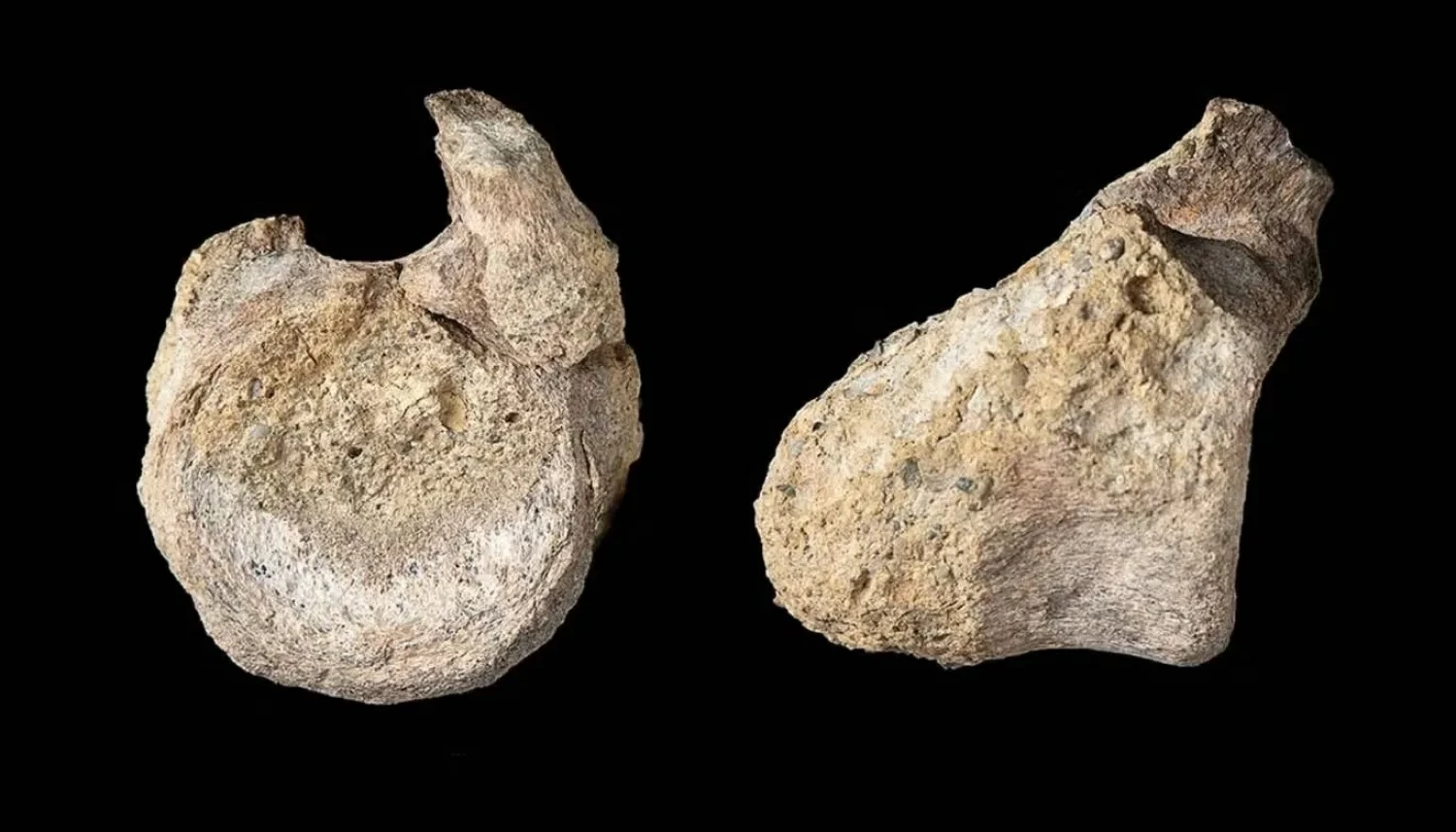
بعد أكثر من أربعة عقود من بقائها منسية داخل درج علمي، كشفت إعادة فحص عينة أحفورية عن مفاجأة غير متوقعة، إذ تبين أنها تعود إلى ديناصور نادر عاش قبل ملايين السنين في القارة القطبية الجنوبية، بعدما ظلت مصنفة خطأً على أنها عظمة زاحف ضخم.
وتعود قصة الأحفورة إلى عام 1985، عندما جُمعت خلال بعثة علمية إلى جزيرة جيمس روس قادها الجيولوجي مايك طومسون ضمن هيئة المسح البريطانية لأنتاركتيكا. وفي ذلك الوقت، سُجلت العينة على أنها عظمة تعود إلى زاحف ضخم، لتبقى محفوظة ضمن المجموعات العلمية لعقود دون إعادة تقييم.
لكن عالم الحفريات مارك إيفانز أعاد فحص العينة مؤخرًا أثناء مراجعته لمقتنيات الهيئة، ولاحظ خصائص تشريحية أوحت بأنها قد تكون بقايا ديناصور، وهو ما دفعه إلى إجراء مقارنات علمية مع حفريات مماثلة.
وأكدت نتائج الدراسة، التي نُشرت في مجلة «أكتا باليونتولوجيكا بولونيكا»، أن العظمة تعود بالفعل إلى ديناصور من فصيلة التيتانوصورات، وهي مجموعة من الديناصورات العاشبة طويلة العنق التي عاشت خلال العصر الطباشيري.
ويقدر الباحثون طول الديناصور بنحو سبعة أمتار، وهو حجم صغير نسبيًا مقارنة ببقية التيتانوصورات، ما يرجح أنه كان لا يزال في مرحلة النمو عند نفوقه. وتشير التقديرات إلى أن جثته انجرفت إلى البحر، قبل أن تتحول بمرور ملايين السنين إلى أحفورة محفوظة داخل الصخور البحرية.
ولم تتح الفرصة للجيولوجي مايك طومسون، الذي توفي عام 2020، لمعرفة أن العينة التي جمعها قبل عقود كانت في الواقع واحدة من أندر حفريات الديناصورات المكتشفة في القارة القطبية الجنوبية، لتكشف الحقيقة بعد سنوات طويلة من بقائها طي النسيان
After more than four decades of being forgotten in a scientific drawer, a re-examination of a fossil sample revealed an unexpected surprise, as it turned out to belong to a rare dinosaur that lived millions of years ago in Antarctica, having been mistakenly classified as a bone of a large reptile.
The story of the fossil dates back to 1985, when it was collected during a scientific expedition to James Ross Island led by geologist Mike Thompson as part of the British Antarctic Survey. At that time, the sample was recorded as a bone belonging to a large reptile, remaining preserved in scientific collections for decades without re-evaluation.
However, paleontologist Mark Evans recently re-examined the sample while reviewing the agency's collections and noticed anatomical features that suggested it might be the remains of a dinosaur, prompting him to conduct scientific comparisons with similar fossils.
The results of the study, published in the journal "Acta Palaeontologica Polonica," confirmed that the bone indeed belongs to a dinosaur from the titanosaurs family, a group of long-necked herbivorous dinosaurs that lived during the Cretaceous period.
Researchers estimate the dinosaur's length to be about seven meters, which is relatively small compared to other titanosaurs, suggesting that it was still in a growth stage at the time of its death. Estimates indicate that its body drifted into the sea before it transformed over millions of years into a fossil preserved within marine rocks.
Geologist Mike Thompson, who passed away in 2020, did not have the opportunity to know that the sample he collected decades ago was, in fact, one of the rarest dinosaur fossils discovered in Antarctica, with the truth revealing itself after many years of being forgotten.