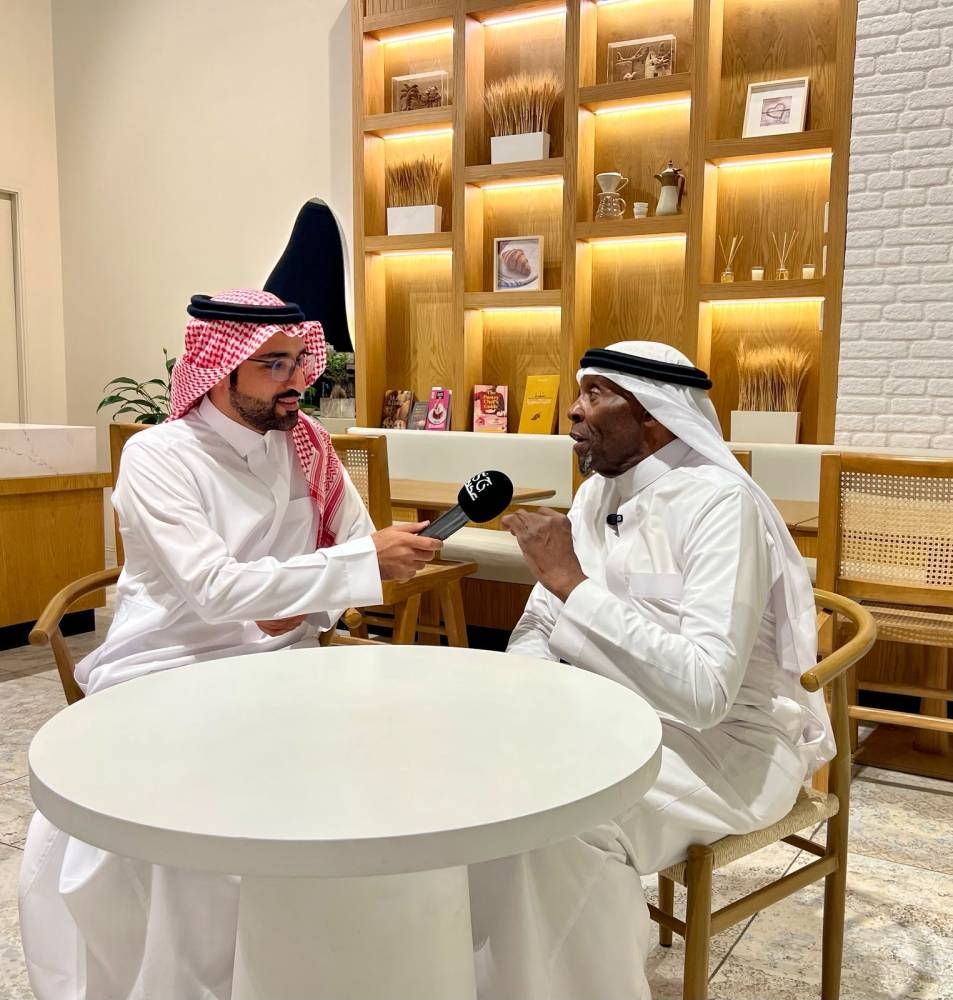
كشف «راي فوكنر»، ابن عم أسطورة الملاكم العالمي محمد علي كلاي، في حديث خص به «عكاظ»، الجانب الإنساني العميق لشخصية البطل الذي لم يكن مجرد مقاتل في الحلبة، بل كان مقاتلاً في سبيل المساواة والكرامة الإنسانية.
وأوضح من خلال تجربته الشخصية، وسنوات قضاها في حفظ إرث كلاي وتوثيقه، اللحظات المفصلية في حياة بطل الملاكمة، وعن زيارته المؤثرة للمملكة، وعن مواقفه الشجاعة التي لا تزال تلهم الملايين حول العالم.
كما سلط الضوء على هذا الإرث، عبر أفلام ووثائقيات جديدة، تستعرض صراعاته الروحية والفكرية، وتُجسد رسالته في زمن ما زال يفتقر إلى رموز، تقود المجتمعات بالتواضع والشجاعة.
إذ إن العامل الذي دفعه للحفاظ على إرث ابن عمه محمد علي كلاي تأثير «الرياضة» الإنساني، الذي أصبح يلهم الناس في أنحاء العالم ويجمعهم ويوحدهم، ويمتد تأثيره إلى ما هو أبعد من الملاكمة، بل إلى المساواة وعدم التمييز
ووصف راي فوكنر ابن عمه كلاي بأنه شخصية مبهرة عند الناس داخل الحلبة وأمام الكاميرات، وبعيداً عن الأضواء كان شخصاً عطوفاً وسخياً، لطيفاً ومتواضعاً، ومخلصاً لإيمانه ونزعته الإنسانية وبتفكيره العميق خصوصاً في حياته الخاصة، اذ أمضى معظم وقته وعمره في مساعدة الآخرين، وكان منزله مليئاً بالزوار من جميع أطياف المجتمع، وكان حريصاً على التواصل مع الناس على المستوى الشخصي، بغض النظر عن خلفياتهم.
وقال فوكنر إن شخصية علي، تشكلت من خلال معتقداته القوية وحبه لعائلته، والتزامه الثابت بقيم العدالة، لم يكن بطلاً فقط في الحلبة، بل كان أيضاً بطلاً في الدفاع عن حقوق الإنسان والمساواة، ولذلك لا يزال إرثه مصدر إلهام لكثير من الناس حول العالم.
مشيراً إلى أن حياته كانت مليئة باللحظات المفصلية وخوضه معارك قانونية كبرى، فيما تعتبر «معركة الأدغال» ضد جورج فورمان عام 1974 و«معركة مانيلا» ضد جو فريزر عام 1975 من الانتصارات التي أظهرت صلابته وذكاءه.
مبيناً أن زيارة محمد علي إلى المملكة عكست التزامه بتعاليم دينه، ومن أبرز لحظات رحلته أداؤه مناسك «الحج» عام 1972، ولم تكن زيارته للمملكة مجرد تأدية لواجب ديني، بل تجربة شخصية عميقة، عززت إحساسه بالهدف واتصاله بإيمانه، كانت لحظة تأمل وتجديد، سمحت له بالتعرف أكثر على مبادئ السلام، والتواضع والإخلاص التي وجهت حياته كلياً فيما بعد.
مضيفا أن أهم رسالة تركها علي للعالم، كانت قوة الإيمان بالنفس والدفاع عن الحق. وقال مقولته الشهيرة: «لا شيء مستحيل»، ولا يزال إرثه يحفّز الأجيال على السعي لتحقيق المكانة والعظمة، مع التمسك بالقيم.
Ray Faulkner, the cousin of the legendary boxer Muhammad Ali, revealed in an exclusive interview with Okaz the deep humanitarian aspect of the champion's personality, who was not just a fighter in the ring, but also a fighter for equality and human dignity.
Through his personal experience and the years he spent preserving and documenting Ali's legacy, he explained the pivotal moments in the life of the boxing champion, his impactful visit to the Kingdom, and his courageous stances that continue to inspire millions around the world.
He also highlighted this legacy through new films and documentaries that showcase his spiritual and intellectual struggles, embodying his message in a time still lacking symbols that lead communities with humility and courage.
The driving factor behind his commitment to preserving the legacy of his cousin Muhammad Ali is the human impact of "sports," which has become an inspiration for people around the world, bringing them together and uniting them, extending its influence beyond boxing to equality and non-discrimination.
Ray Faulkner described his cousin Ali as an impressive figure to people inside the ring and in front of the cameras, while away from the spotlight, he was a compassionate and generous person, kind and humble, devoted to his beliefs and humanitarian inclination, with deep thinking especially in his private life. He spent most of his time and life helping others, and his home was filled with visitors from all walks of society. He was keen to connect with people on a personal level, regardless of their backgrounds.
Faulkner stated that Ali's character was shaped by his strong beliefs, love for his family, and unwavering commitment to the values of justice. He was not only a champion in the ring but also a champion in defending human rights and equality, which is why his legacy continues to inspire many people around the world.
He pointed out that Ali's life was filled with pivotal moments and major legal battles, with the "Rumble in the Jungle" against George Foreman in 1974 and the "Thrilla in Manila" against Joe Frazier in 1975 being victories that showcased his toughness and intelligence.
He indicated that Muhammad Ali's visit to the Kingdom reflected his commitment to the teachings of his religion, with one of the highlights of his journey being his performance of the "Hajj" in 1972. His visit to the Kingdom was not just a religious duty, but a profound personal experience that enhanced his sense of purpose and connection to his faith. It was a moment of reflection and renewal that allowed him to learn more about the principles of peace, humility, and sincerity that guided his life thereafter.
He added that the most important message Ali left to the world was the power of self-belief and standing up for what is right. He famously said, "Nothing is impossible," and his legacy continues to motivate generations to strive for greatness while holding on to their values.