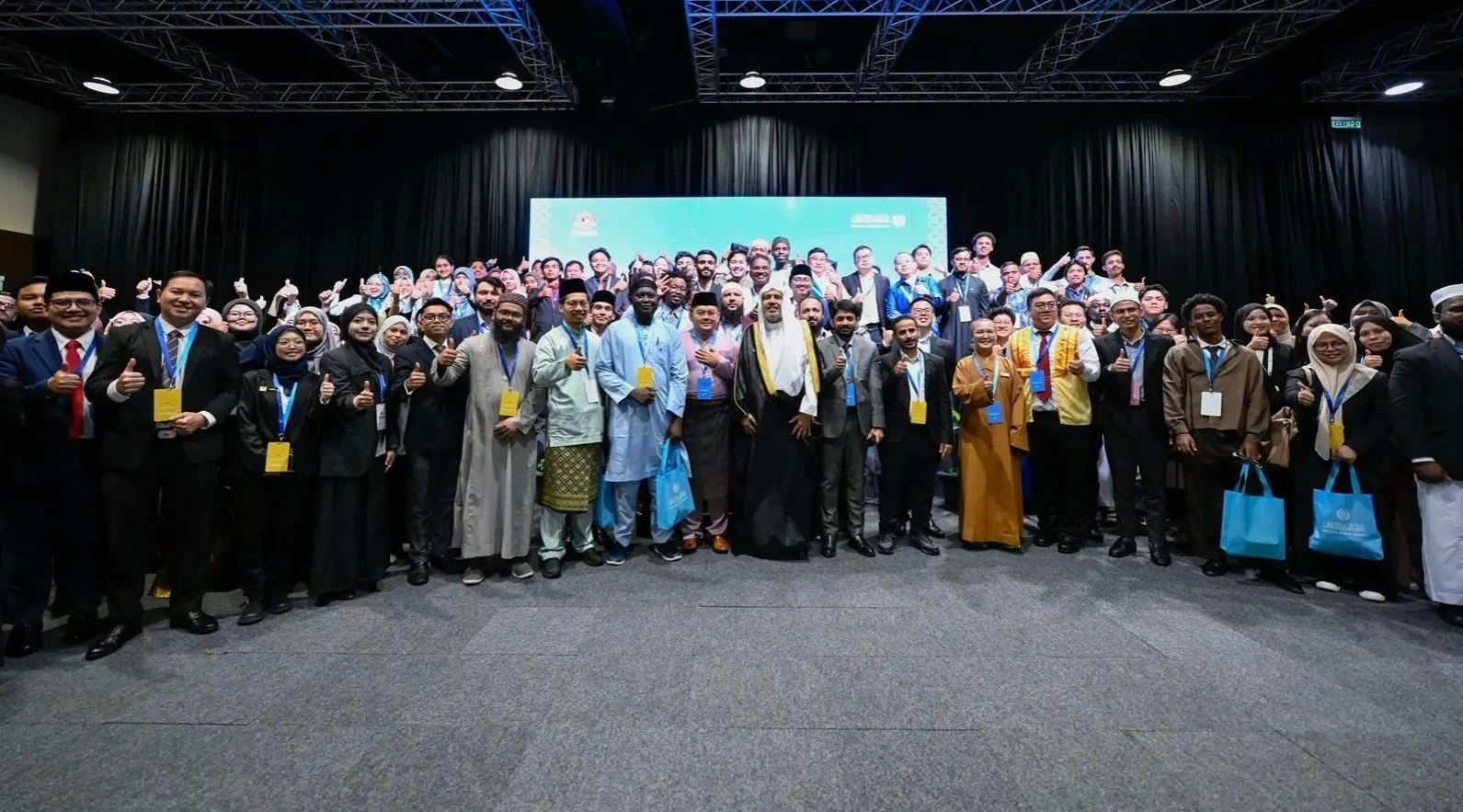
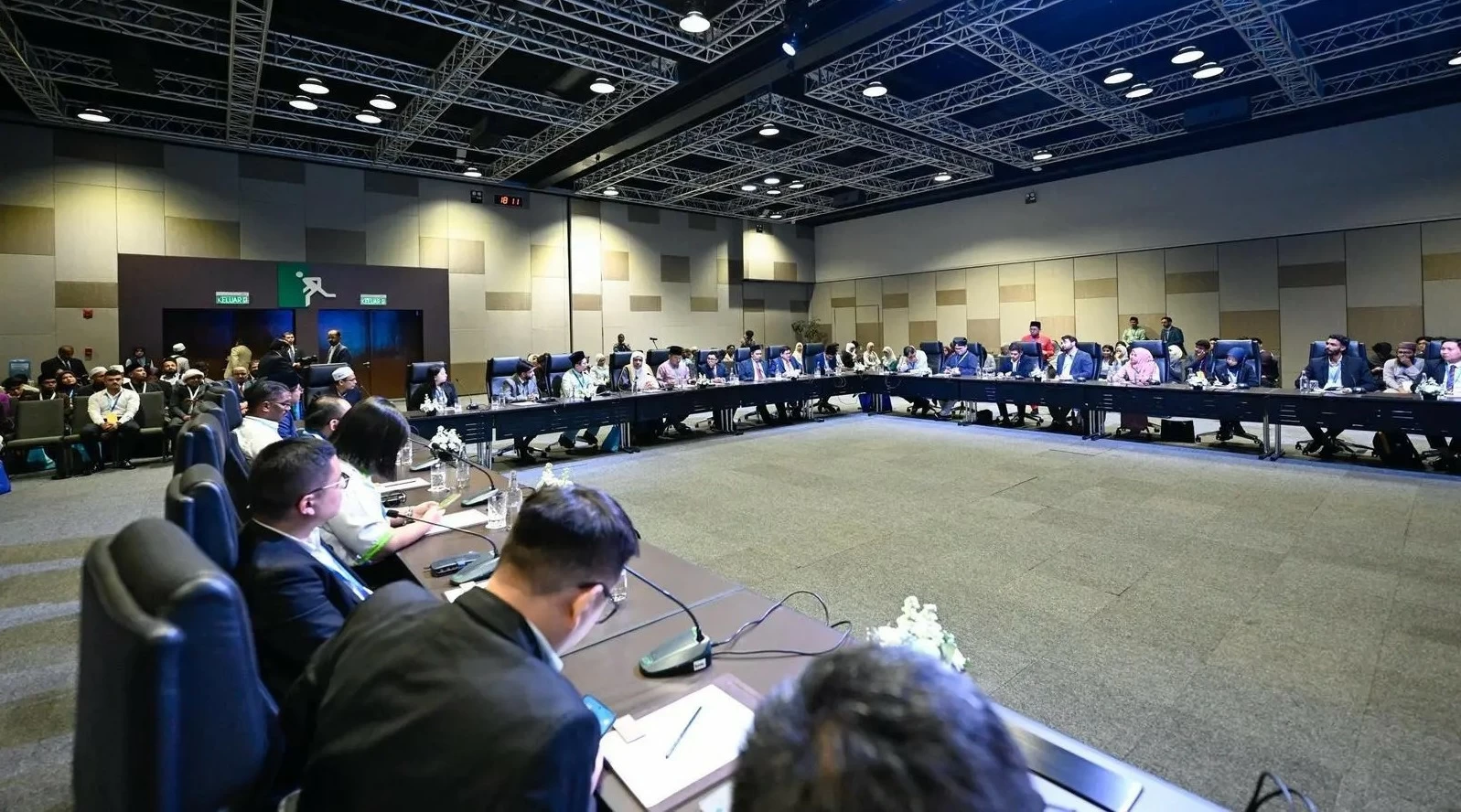
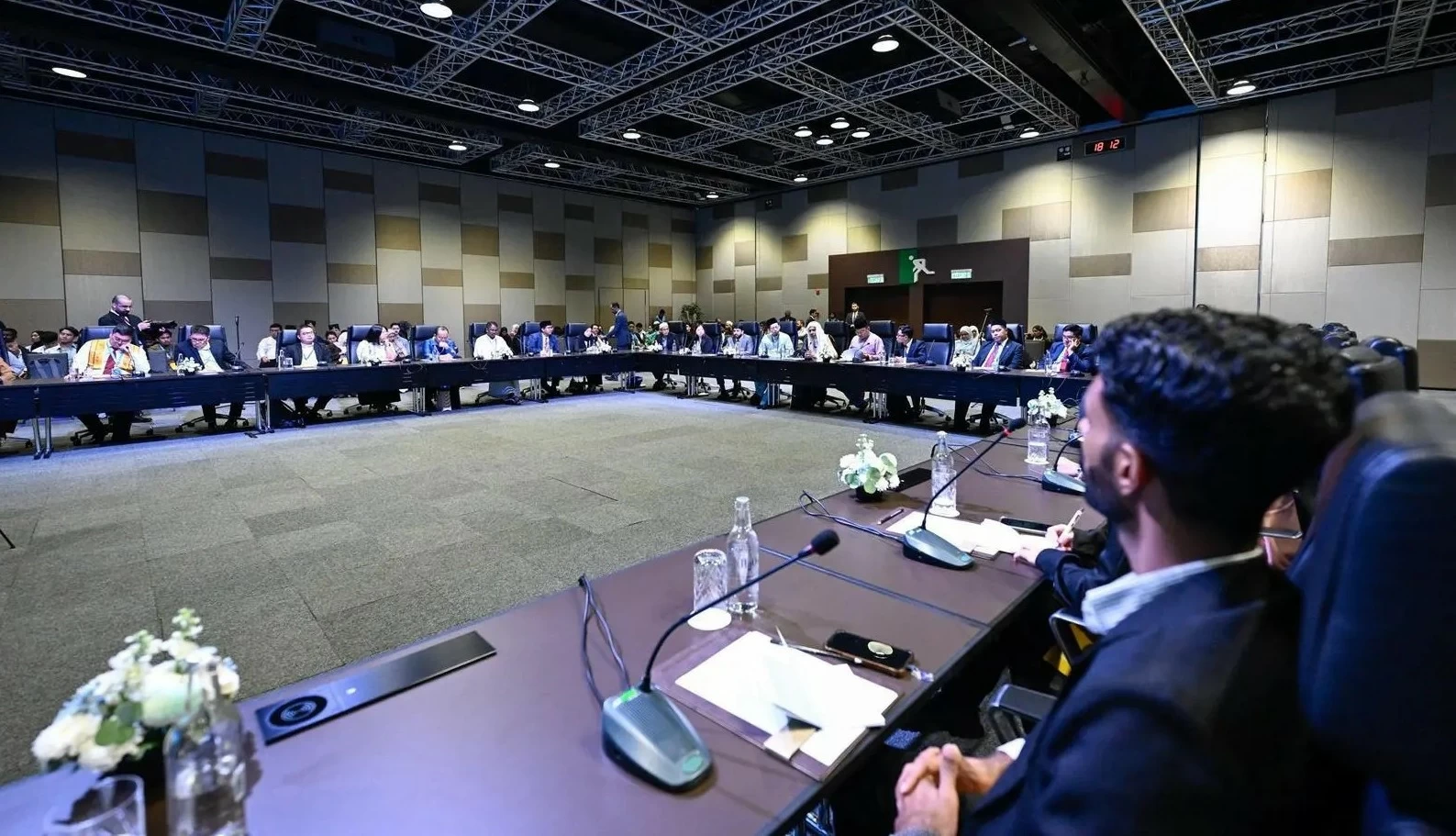
التقى الأمين العام رئيس هيئة علماء المسلمين الشيخ الدكتور محمد بن عبدالكريم العيسى، في العاصمة الماليزية «كوالالمبور»، أبرز طلاب الجامعات والباحثين في دول «آسيان»، وذلك على هامش انعقاد «القمة الدولية الثالثة للقيادات الدينية».
وشهد اللقاء جلسة نقاش وحواراً مفتوحاً حول عدد من الموضوعات المتعلقة بتفعيل مخرجات القمة، لا سيما تعزيز وعي الشباب وتمكينهم وبناء قدراتهم؛ للتعامل مع الثغرات الأخلاقية في تقنية المعلومات والتواصل، لا سيما ما يتصل بالذكاء الاصطناعي.
وفيما يتعلق بالذكاء الاصطناعي، أوضح أن غياب الشفافية والمساءلة يعد من أخطر التحديات الأخلاقية المرتبطة به؛ إذ يصعب في بعض الأحيان فهم كيفية اتخاذ بعض الأنظمة لقراراتها، كما تؤدي التحيزات الكامنة في البيانات إلى إصدار قرارات غير عادلة، وإحداث تمييز بين الأفراد والفئات المختلفة.
وأكد الدكتور العيسى أن جمع البيانات وتحليلها يثيران -على نطاق واسع- مخاوف تتعلق بانتهاك الخصوصية وإساءة استخدام المعلومات الشخصية، ويمكن استغلال الذكاء الاصطناعي في نشر المعلومات المضللة، وإنشاء محتوى مزيف يصعب تمييزه عن المحتوى الحقيقي.
The Secretary-General, Head of the Muslim Scholars Association, Sheikh Dr. Mohammed bin Abdulkarim Al-Issa, met in the Malaysian capital "Kuala Lumpur" with prominent university students and researchers from "ASEAN" countries, on the sidelines of the "Third International Summit of Religious Leaders".
The meeting included a discussion session and an open dialogue on several topics related to activating the summit's outcomes, particularly enhancing youth awareness, empowering them, and building their capacities to address ethical gaps in information technology and communication, especially concerning artificial intelligence.
Regarding artificial intelligence, he explained that the lack of transparency and accountability is one of the most dangerous ethical challenges associated with it; as it can sometimes be difficult to understand how certain systems make their decisions. Additionally, biases inherent in the data can lead to unfair decisions and create discrimination among individuals and different groups.
Dr. Al-Issa emphasized that data collection and analysis raise widespread concerns regarding privacy violations and the misuse of personal information. Artificial intelligence can be exploited to spread misinformation and create fake content that is difficult to distinguish from real content.