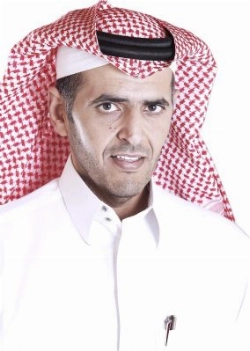
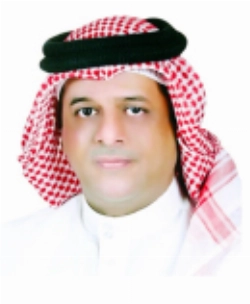
في زحام الأخبار، مرّ خبر وفاة معالي الدكتور بكر عبدالله بن بكر، مدير جامعة الملك فهد للبترول والمعادن الأسبق، رحمه الله، بهدوء لا يليق برجل كان في زمنه أحد أبرز الوجوه الأكاديمية في المملكة.
وما إن قرأت الخبر حتى وجدتني لا أستحضر سيرته وحدها، إنما أستحضر زمنًا كاملًا كان فيه مدير الجامعة شخصية وطنية معروفة، وصاحب حضور يتجاوز أسوار الحرم الجامعي إلى المجتمع بأسره.
من عاش مرحلة الثمانينيات والتسعينيات، فقد استعاد اسمًا كان يمثل جيلًا كاملًا من القيادات الجامعية التي لم تكن تدير الجامعات فحسب، بل كانت جزءًا من المشهد الوطني والثقافي والاجتماعي.
ذلك الخبر أعاد إلى ذهني سؤالًا ظل يرافقني منذ سنوات: لماذا لم نعد نعرف رؤساء جامعاتنا كما كنا نعرفهم في الماضي؟
قبل ثلاثة أو أربعة عقود، لم يكن مدير الجامعة مجرد مسؤول إداري يوقع القرارات ويترأس المجالس. كان رمزًا علميًا، وصوتًا فكريًا، وقائدًا تربويًا، وشخصية عامة يعرفها الناس كما يعرفون الوزراء وكبار المسؤولين. كانت صورته مألوفة في الصحف، واسمه يتردد في نشرات الأخبار، وكلماته تحظى بالاهتمام، وحضوره في المناسبات العلمية والثقافية يحظى بالمتابعة والتقدير.
من عاش تلك المرحلة يتذكر بسهولة أسماء مديري الجامعات الكبرى في المملكة. جامعة الملك سعود، وجامعة الملك عبدالعزيز، وجامعة الإمام محمد بن سعود الإسلامية، وجامعة الملك فهد للبترول والمعادن، وجامعة أم القرى، وجامعة الملك فيصل، والجامعة الإسلامية بالمدينة المنورة. لم تكن تلك الجامعات مجرد مؤسسات تعليمية، كانت لكل واحدة منها شخصية وهوية، وكان مديرها جزءًا من هذه الهوية، وأحد أبرز من يمثلها أمام المجتمع.
أما اليوم، فقد تضاعف عدد الجامعات، وتوسعت إمكاناتها، وارتفعت ميزانياتها، وتقدمت في التصنيفات العالمية، وحققت منجزات بحثية وعلمية نفخر بها جميعًا. ومع ذلك، فإن كثيرًا من المواطنين، وحتى بعض طلاب الجامعات أنفسهم، قد لا يعرفون اسم رئيس الجامعة التي يدرسون فيها، فضلًا عن صورته أو سيرته العلمية أو مشروعه القيادي.
ليس هذا انتقاصًا من رؤساء الجامعات الحاليين، فبينهم علماء مرموقون، وأكاديميون مشهود لهم بالكفاءة، وقيادات تمتلك خبرات دولية رفيعة. لكن القضية ليست في الأشخاص، ولكن في المكانة التي أصبح يشغلها رئيس الجامعة في الوعي العام.
فما الذي تغيّر؟
هل أصبحت الجامعات مؤسسات ضخمة تبتلع حضور قادتها؟ أم أن الإدارة اليومية وتعقيداتها استهلكت وقت رئيس الجامعة، فلم يعد قادرًا على ممارسة دوره الفكري والثقافي؟ أم أن الإعلام الجامعي انشغل بالأخبار والاتفاقيات والمذكرات، وأغفل التعريف بالإنسان الذي يقود هذه المؤسسة؟ أم أن المجتمع نفسه لم يعد يمنح القيادات الأكاديمية المساحة التي كان يمنحها في السابق؟
ربما اجتمعت هذه الأسباب كلها.
لكن المؤكد أن الجامعة لا تحتاج إلى إدارة ناجحة فقط، تحتاج أيضًا إلى قيادة ملهمة. فالجامعة ليست مباني وقاعات ومعامل ومؤشرات أداء، وإنما مشروع حضاري يقوده عقل يمتلك رؤية، ويستطيع أن يحاور المجتمع، وأن يلهم الشباب، وأن يقدم نموذجًا للعالم والمفكر والإداري في آنٍ واحد.
في الجامعات العالمية المرموقة، كثيرًا ما يكون رئيس الجامعة شخصية عامة، يُستضاف في وسائل الإعلام، ويكتب المقالات، ويشارك في النقاشات الوطنية، ويُسهم في تشكيل الرأي العام في القضايا التي تمس التعليم والبحث والابتكار ومستقبل الأجيال. لأن المجتمع لا يرى فيه موظفًا حكوميًا، يراه قائدًا فكريًا يقود إحدى أهم مؤسسات بناء الإنسان.
أما نحن، فقد أصبحنا للأسف نعرف أسماء بعض المؤثرين في وسائل التواصل الاجتماعي أكثر مما نعرف أسماء من يقودون جامعاتنا. وهذا ليس تقليلًا من أحد، لكنه يعكس خللًا في ترتيب الاهتمام المجتمعي، وربما في طريقة تقديم هذه القيادات للرأي العام.
إن بناء الصورة الذهنية لرئيس الجامعة ليس ترفًا إعلاميًا، ولا بحثًا عن الشهرة، هو جزء من بناء الثقة بالمؤسسة نفسها. حين يعرف الطالب من يقود جامعته، وما إنجازاته، وما رؤيته، وما مسيرته العلمية، فإنه يشعر بانتماء أكبر، ويجد أمامه قدوة حقيقية صنعتها المعرفة والاجتهاد، لا الصدفة ولا الشهرة العابرة.
ولعلنا اليوم، ونحن نودع أسماء بحجم الدكتور بكر عبدالله بن بكر، لا نحتاج إلى استذكار إنجازاتهم فحسب، نحتاج إلى استعادة الفكرة التي كانوا يمثلونها. فكرة أن الجامعة كانت تمتلك وجهًا يعرفه الناس، وصوتًا يسمعونه، ورمزًا يثقون به.
لقد تغيرت الجامعات كثيرًا، وهذا أمر طبيعي، لكن لا ينبغي أن يكون ثمن هذا التطور غياب الشخصية الأكاديمية عن المشهد الوطني. فكل جامعة عظيمة تحتاج إلى قيادة عظيمة، وكل قيادة عظيمة تحتاج إلى حضور يليق بمكانتها ورسالتها.
ويبقى السؤال الذي يستحق أن يُطرح بصراحة: هل المشكلة أن رؤساء الجامعات أصبحوا أقل حضورًا، أم أننا توقفنا عن تقديمهم للمجتمع بوصفهم قادة للفكر والعلم، لا مجرد مسؤولين في الهيكل الإداري؟
الإجابة عن هذا السؤال قد تكون بداية الطريق لاستعادة واحدة من أهم صور القوة الناعمة التي امتلكتها الجامعات السعودية عبر تاريخها؛ يوم كان مدير الجامعة اسمًا يحفظه الناس، وصورةً يعرفونها، وقامةً علميةً يفخر بها المجتمع.
In the midst of the news frenzy, the announcement of the passing of His Excellency Dr. Bakr Abdullah bin Bakr, the former Director of King Fahd University of Petroleum and Minerals, may God have mercy on him, went by quietly, which is not fitting for a man who was one of the most prominent academic figures in the Kingdom during his time.
As soon as I read the news, I found myself not only recalling his biography but also a whole era when the university director was a well-known national figure, whose presence extended beyond the university walls to the entire community.
Those who lived through the 1980s and 1990s have revived a name that represented a whole generation of university leaders who did not just manage universities but were also part of the national, cultural, and social landscape.
This news brought back to my mind a question that has accompanied me for years: Why do we no longer know our university presidents as we used to in the past?
Three or four decades ago, the university director was not just an administrative official who signed decisions and chaired councils. He was a scientific symbol, an intellectual voice, an educational leader, and a public figure known by the people just as they knew ministers and senior officials. His image was familiar in newspapers, his name echoed in news bulletins, his words garnered attention, and his presence at scientific and cultural events was followed and appreciated.
Those who lived through that era easily remember the names of the directors of major universities in the Kingdom: King Saud University, King Abdulaziz University, Imam Muhammad bin Saud Islamic University, King Fahd University of Petroleum and Minerals, Umm Al-Qura University, King Faisal University, and the Islamic University in Medina. These universities were not just educational institutions; each had its own personality and identity, and their directors were part of that identity, among the most prominent representatives of it before society.
Today, however, the number of universities has doubled, their capabilities have expanded, their budgets have increased, they have advanced in global rankings, and they have achieved research and scientific accomplishments that we all take pride in. Nevertheless, many citizens, and even some university students themselves, may not know the name of the president of the university they study at, let alone his image, academic biography, or leadership project.
This is not a slight against current university presidents, as among them are distinguished scholars, academics recognized for their competence, and leaders with high international experience. But the issue is not about the individuals; it is about the status that the university president now occupies in public consciousness.
So, what has changed?
Have universities become massive institutions that overshadow the presence of their leaders? Or has the daily administration and its complexities consumed the university president's time, making him unable to fulfill his intellectual and cultural role? Or has university media become preoccupied with news, agreements, and memorandums, neglecting to introduce the person leading this institution? Or has society itself stopped granting academic leaders the space it once did?
Perhaps all these reasons have come together.
But what is certain is that the university needs not only successful management but also inspiring leadership. The university is not just buildings, classrooms, laboratories, and performance indicators; it is a civilizational project led by a mind that possesses a vision, can engage with society, inspire youth, and present a model for the world, the thinker, and the administrator all at once.
In prestigious global universities, the university president is often a public figure, invited by the media, writing articles, participating in national discussions, and contributing to shaping public opinion on issues related to education, research, innovation, and the future of generations. Because society does not see him as a government employee; it sees him as an intellectual leader guiding one of the most important institutions for human development.
As for us, unfortunately, we now know the names of some influencers on social media more than we know the names of those who lead our universities. This is not to diminish anyone, but it reflects a disorder in the prioritization of societal interest, and perhaps in the way these leaders are presented to the public.
Building the mental image of the university president is not a media luxury or a quest for fame; it is part of building trust in the institution itself. When a student knows who leads their university, what their achievements are, what their vision is, and what their academic journey is, they feel a greater sense of belonging and find before them a true role model shaped by knowledge and diligence, not by chance or fleeting fame.
And perhaps today, as we bid farewell to names like Dr. Bakr Abdullah bin Bakr, we need not only to recall their achievements but also to restore the idea they represented. The idea that the university had a face known to the people, a voice they heard, and a symbol they trusted.
Universities have changed a lot, and that is natural, but the price of this development should not be the absence of the academic personality from the national scene. Every great university needs great leadership, and every great leadership needs a presence that befits its status and mission.
And the question remains that deserves to be asked frankly: Is the problem that university presidents have become less present, or have we stopped presenting them to society as leaders of thought and science, not just as officials in the administrative structure?
Answering this question may be the beginning of the path to restoring one of the most important forms of soft power that Saudi universities have held throughout their history; a time when the university director was a name remembered by the people, an image they recognized, and an academic stature that the community took pride in.